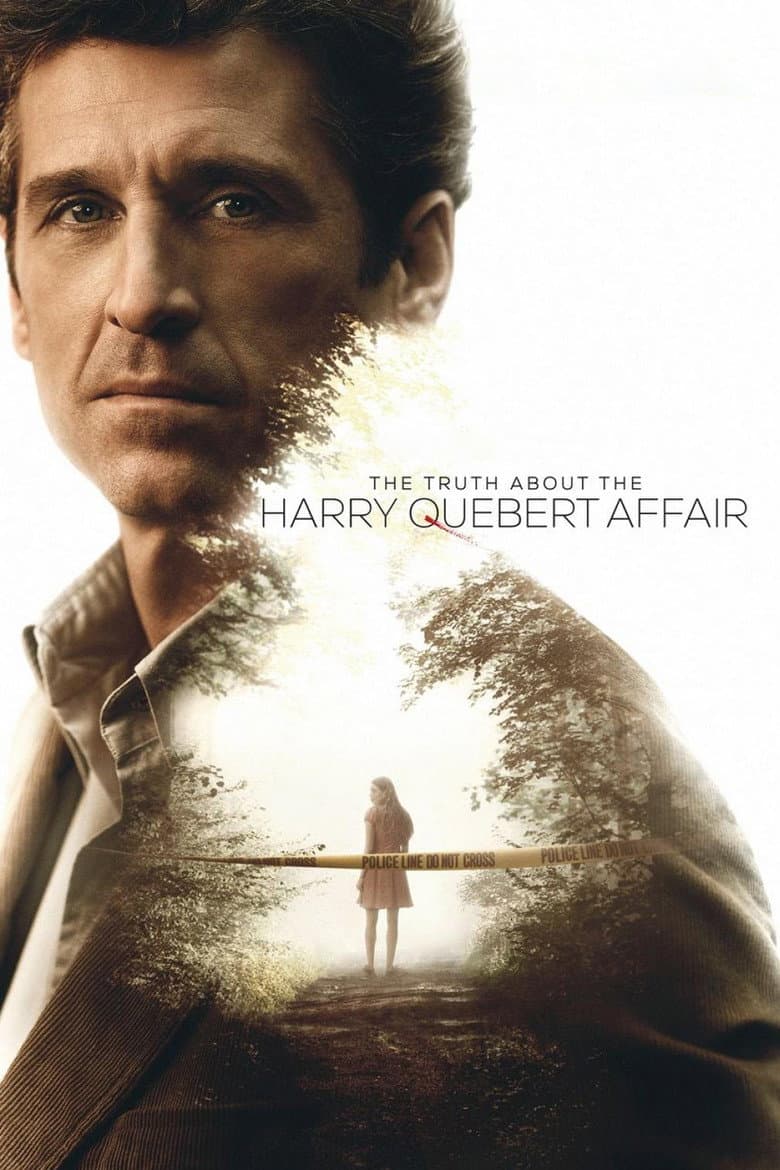
Started September 4, 2018 · Ended · Based on 1 season, 10 episodes through November 6, 2018 · TV-MA
Marcus Goldman is a young writer whose first novel made him famous, but he cannot finish his next book. He returns to the small coastal town of Sommerdale, Maine, to stay with his teacher and friend, Harry Quebert. Police arrest Harry after they find the remains of Nola Kellergan, a 15-year-old girl who vanished in 1975, on his property. Marcus investigates the old murder while the show moves between 2008 and 1975 in a dark, twist-filled crime story.
The strongest audience-visible identity element is Elijah Stern, a wealthy man who is shown living with a male partner in one investigation subplot. The show also gives Black state police sergeant Perry Gahalowood a leading role and briefly has him explain that some people in Maine may resent a black officer. The story repeatedly shows adult men using power over Nola, including a police chief who abuses her, while the town and news reports blame or shame her. These ideas matter to the mystery, but the series remains mainly about murder, hidden secrets, sexual abuse, loyalty, fame, and the danger of turning a tragedy into a book.
Community feedback
Was our 30% Woke rating accurate?
Breakdown
These are the editorial factors and ratings behind our score for The Truth About the Harry Quebert Affair.
Woke representation / casting
The show gives Black state police sergeant Perry Gahalowood a leading role in a mostly white Maine town. The series makes his race part of a short scene about local prejudice. Elijah Stern is also shown living with a male partner, but the story does not market the casting as a diversity campaign.
18%
Woke political dialogue
Marcus says he believes in gender equality during a classroom joke about sex. Perry warns that some people in Maine may dislike a black officer coming to their door. These lines are clear political or identity-related comments, but they appear in only a few scenes and do not drive the whole story.
25%
Identity-driven story themes
Elijah Stern is openly gay and lives with a male partner. His identity appears in a short subplot when Marcus investigates Nola’s disappearance. The show treats this as part of the mystery, not as a main campaign for queer rights.
18%
Western institutional / cultural critique
The story repeatedly shows older or powerful men using control over Nola and other weaker people. A police chief abuses Nola, her family fails to protect her, and the town and news reports treat her as a scandal or seductress. The police and wealthy men also hide wrongdoing to protect themselves. The show criticizes male power and local institutions, but it keeps that criticism inside a 1975 crime story instead of making a broad current political speech.
35%
Woke character or canon changes
Not relevant. The series follows the novel’s central characters and case. No audience-visible race, gender, or identity change drives the adaptation.
0%
Anti-woke backlash and complaints
Not present. Public complaints focus on the adult-minor relationship, slow pacing, and writing. They do not frame the show as pushing woke, DEI, or identity-politics ideas.
0%
Creator track record context
Richard Levine and Lyn Greene have no clear public record of activist or identity-driven politics. Joël Dicker is linked to animal and nature concerns, while Jean-Jacques Annaud has made a supportive film about Tibetan resistance and criticized Donald Trump’s effect on Hollywood. The producers are mainly commercial figures with no clear DEI campaign record.
10%
Production

TV Show · 2019
Gypsy Blanchard struggles to deal with the toxic relationship with her overprotective mother, but her attempts to free herself lead to murder.
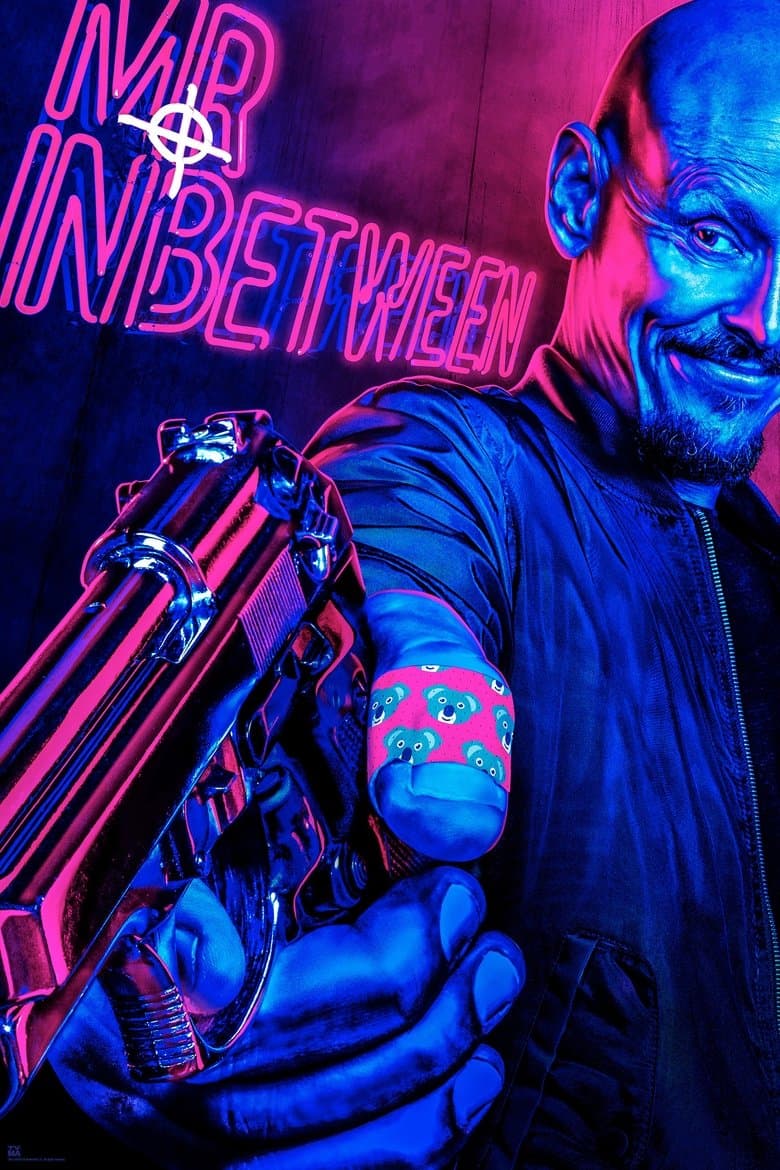
TV Show · 2018
Ray Shoesmith is a father, ex-husband, boyfriend and best friend: tough roles to juggle in the modern age. Even harder when you’re a criminal for hire.
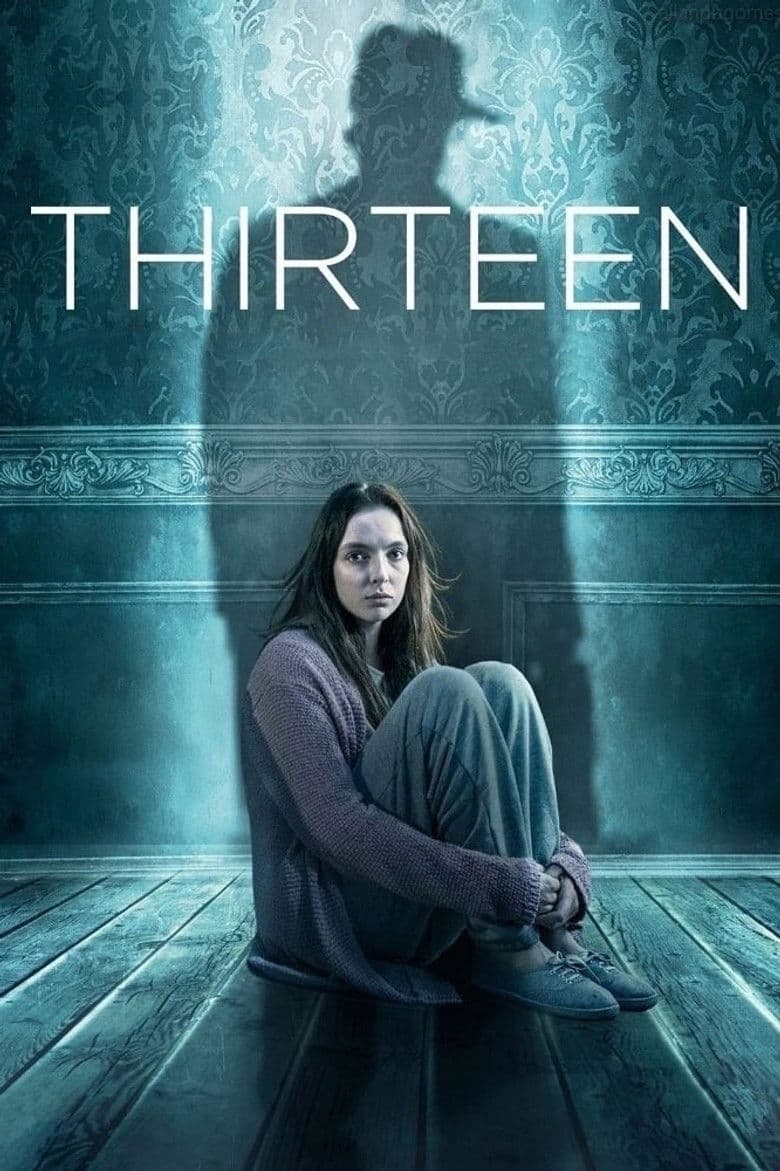
TV Show · 2016
A 26-year-old woman learns to live again after 13 years in captivity.
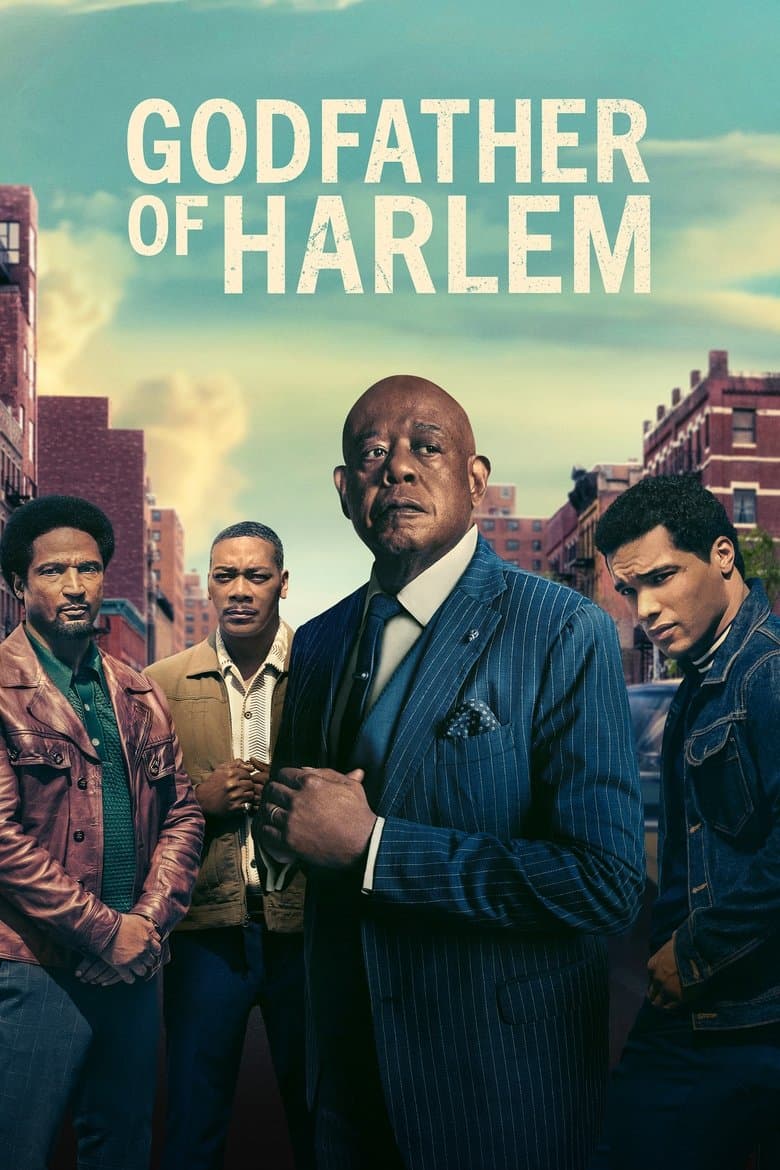
TV Show · 2019
Loosely based on infamous crime boss Bumpy Johnson, who in the early 1960s returned from ten years in prison to find the neighborhood he once ruled in shambles.
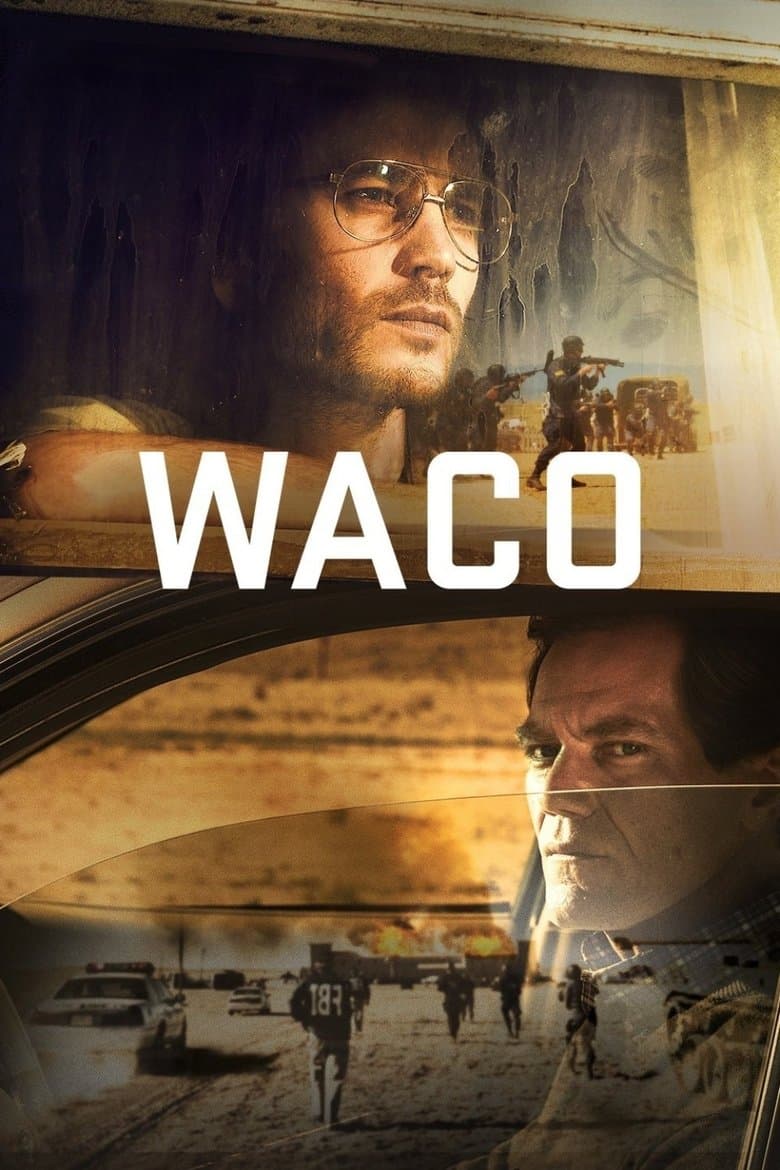
TV Show · 2018
The harrowing true story of the 1993 standoff between the FBI, ATF and the Branch Davidians, a spiritual sect led by David Koresh in Waco, TX that resulted in a deadly shootout…
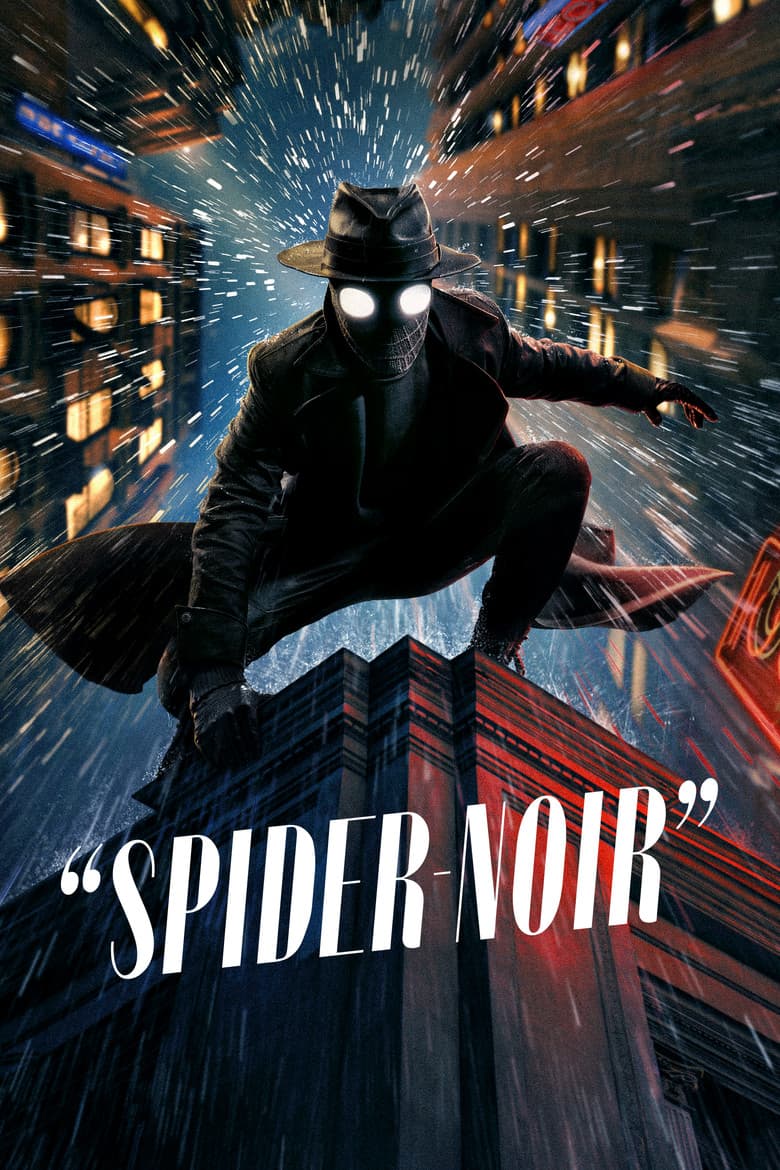
TV Show · 2026
Ben Reilly, an aging and down on his luck private investigator in 1930s New York, is forced to grapple with his past life as the city's one and only superhero.

TV Show · 2025
When a prison transport plane crashes in the remote Alaskan wilderness—freeing dozens of violent inmates—the region's lone marshal must protect the town he's vowed to keep safe.
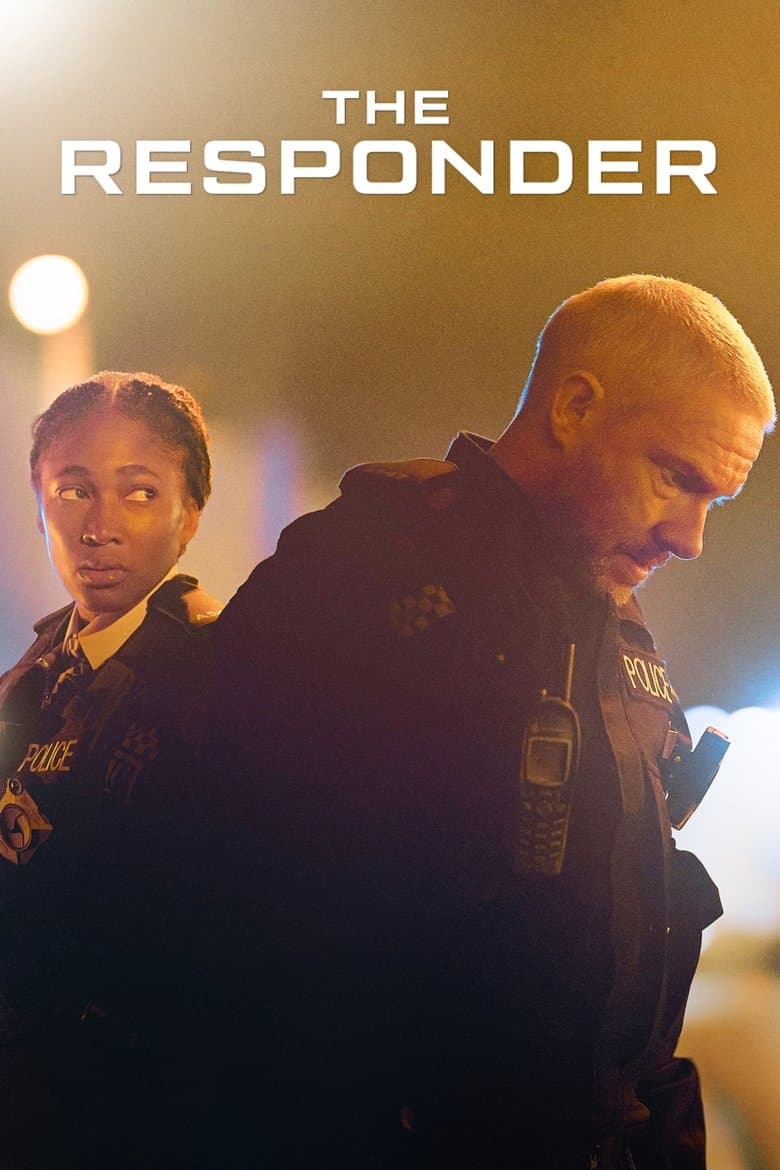
TV Show · 2022
Under pressure, fraying at the edges. In relentless night-time Liverpool, copper Chris is paired with a rookie. Will they save or destroy each other?
