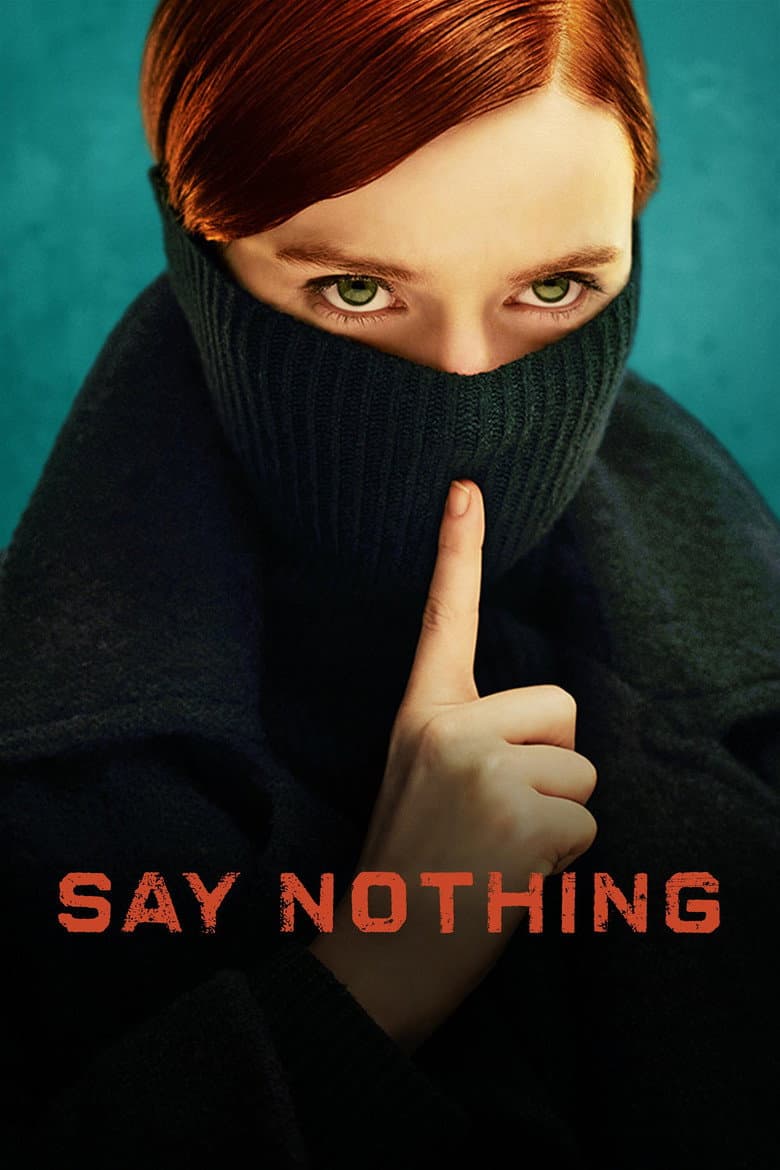
Started November 14, 2024 · Ended · Based on 1 season, 9 episodes through November 14, 2024 · TV-MA
Say Nothing follows Dolours Price, a young woman from a Belfast family tied to Irish republicanism. After a peaceful civil rights march is attacked, Dolours and her sister Marian join the Provisional IRA and enter a campaign of bombings, killings, prison protest, and secrecy. The story moves from the late 1960s to the 2000s and links the sisters to Jean McConville’s abduction, Brendan Hughes, and Gerry Adams. The tone is tense, violent, sad, and often critical of the damage caused by political loyalty.
The clearest woke element is the sisters’ repeated fight to move beyond women’s support work and into the IRA’s armed ranks. The show presents their demand to fight as a feminist victory in the early episodes, then follows their hunger strike for transfer to a women’s prison. That gender conflict stays smaller than the show’s main story about violence, guilt, political betrayal, and the cost of silence. The series does not build its plot around modern diversity, queer identity, or current activist politics.
Community feedback
Was our 24% Woke rating accurate?
Breakdown
These are the editorial factors and ratings behind our score for Say Nothing.
Woke representation / casting
Not present. The main cast is made up of Irish and British performers playing Irish and British historical figures. The female leads reflect the real Price sisters, so the casting does not add a diversity pattern beyond the story.
0%
Woke political dialogue
Not present. The show has political talk about Irish unity, Catholic rights, British rule, and the IRA. Those ideas belong to the period’s conflict and are not presented as modern woke political messaging.
0%
Identity-driven story themes
The Price sisters repeatedly challenge the IRA’s rule that women should serve in support roles instead of taking part in attacks. Dolours demands a full fighting role, and both sisters become key operatives in a male-led group. The story later follows their hunger strike for transfer to a women’s prison. The series treats this gender struggle as a feminist victory in the early episodes, but the main arc turns toward violence, guilt, and betrayal.
32%
Western institutional / cultural critique
Not present. The series criticizes British military actions, police inaction, prison treatment, and IRA leaders as part of the historical story. It does not turn those events into a modern attack on Western culture, family life, religion, or traditional society.
0%
Woke character or canon changes
Not relevant. The show adapts Patrick Radden Keefe’s nonfiction book and uses dramatized scenes about real people. The disputed changes concern history and storytelling, not identity-based rewriting.
0%
Anti-woke backlash and complaints
A small X account joked about woke casting by asking what would happen if a black actor played Gerry Adams. The post did not claim that the show had actually race-swapped him. Another small account said it usually avoids woke TV but liked the show, which is not a complaint. No sustained DEI backlash, boycott, or review-bombing was reported.
8%
Creator track record context
The strongest cached signals come from producer Nina Jacobson, who has spoken for diversity and gay rights, and writer Clare Barron, whose work centers on women, sex, and body image. Producer Brad Simpson and producer Monica Levinson add milder inclusion-related context. Joshua Zetumer and most of the directors and writers have low or mild cached scores and no clear activist record. This background gives the project some woke context, but it is not the main force in the show’s story.
34%
Production
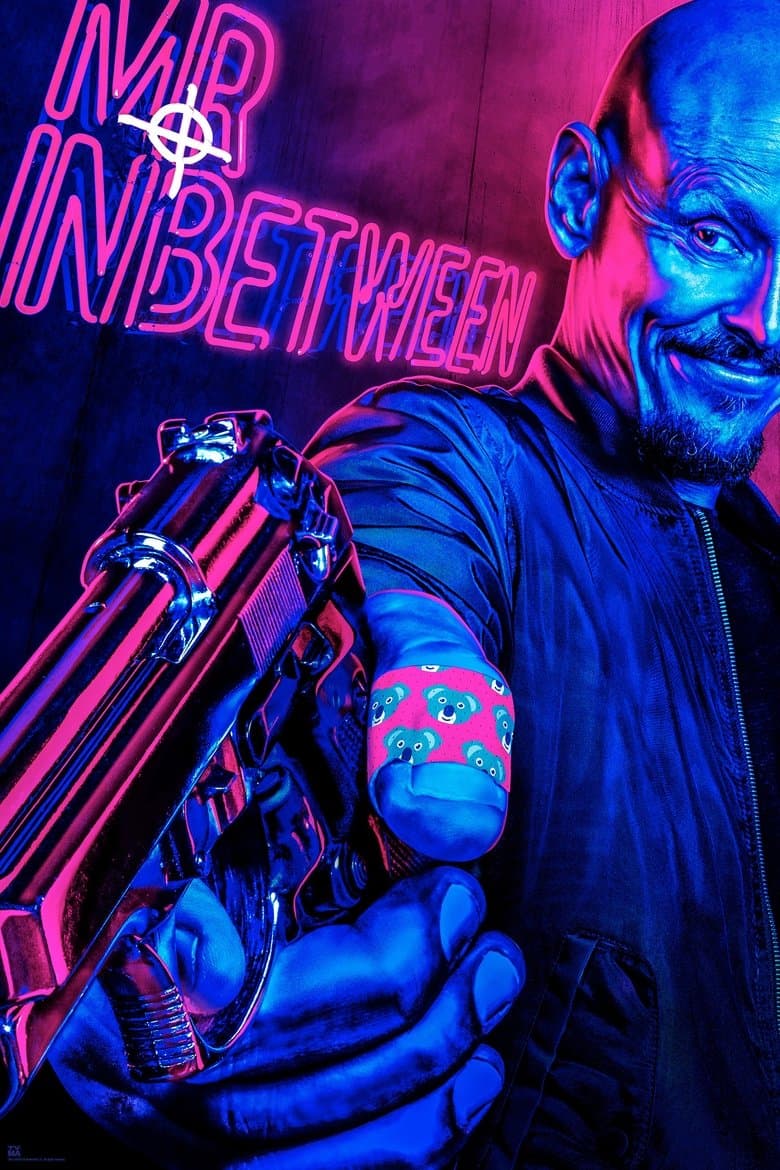
TV Show · 2018
Ray Shoesmith is a father, ex-husband, boyfriend and best friend: tough roles to juggle in the modern age. Even harder when you’re a criminal for hire.
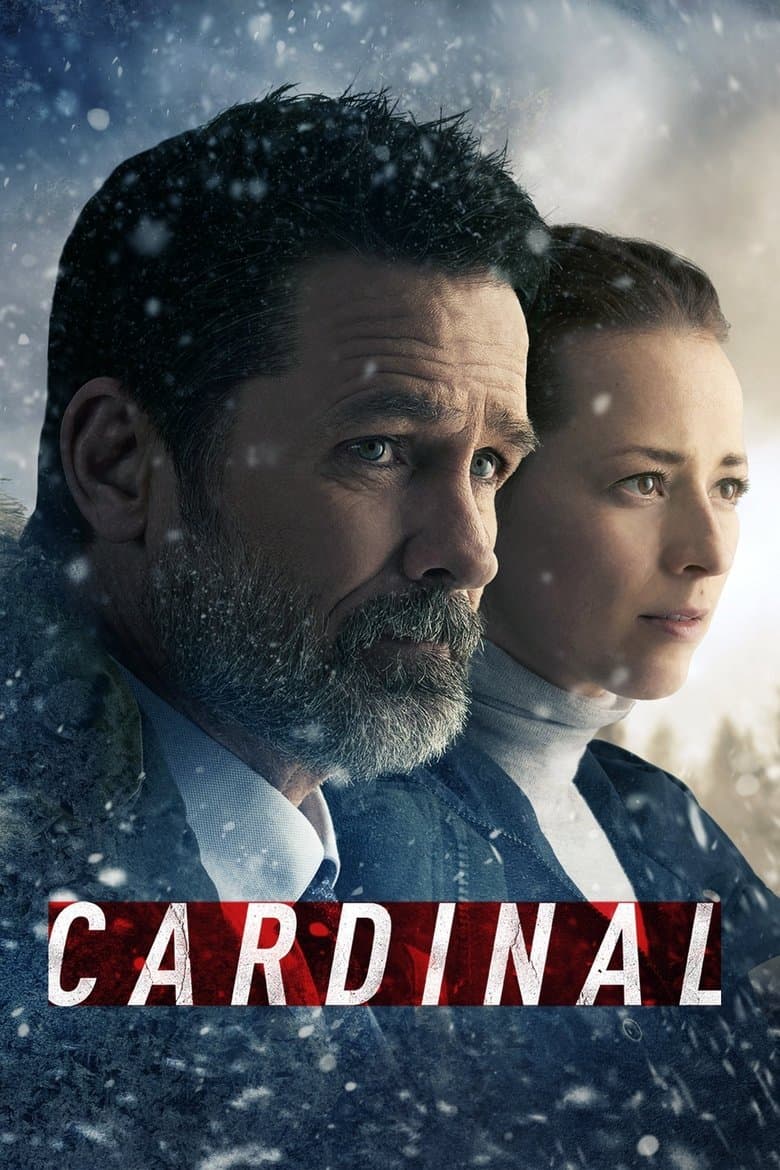
TV Show · 2017
Detective John Cardinal attempts to uncover the mystery of what happened to the missing 13-year-old girl whose body is discovered in the shaft-head of an abandoned mine.
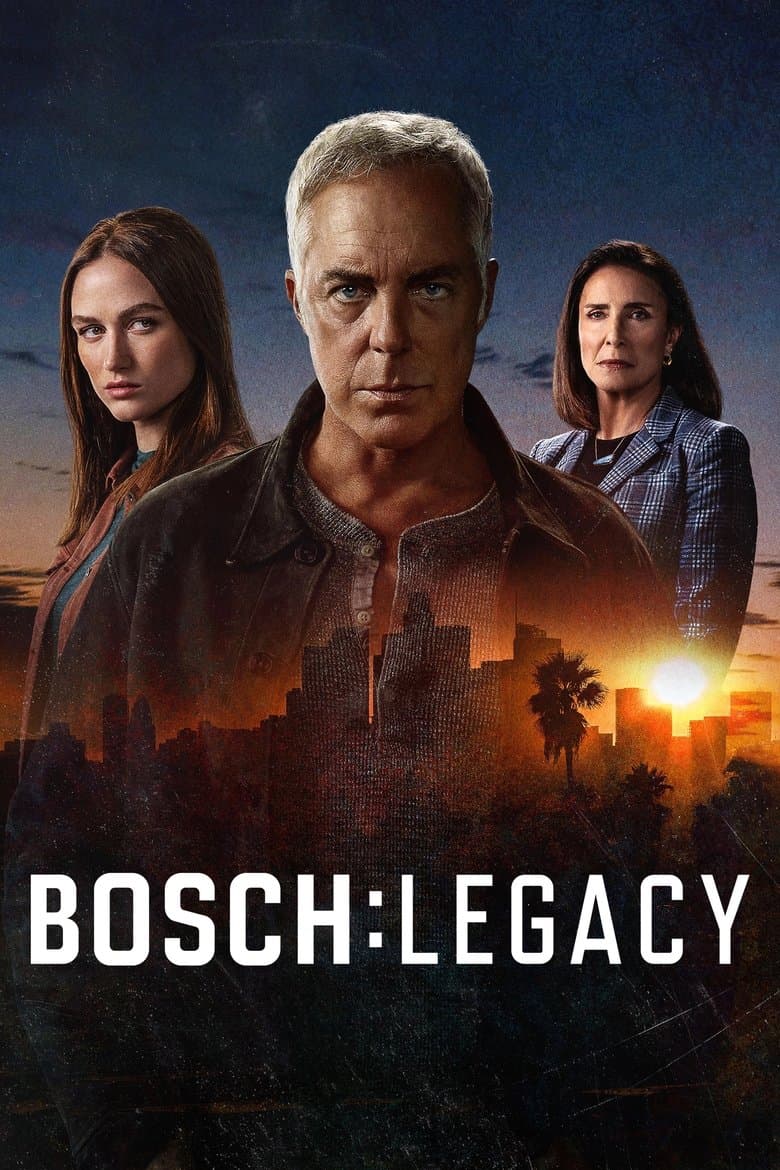
TV Show · 2022
Bosch is now making a living as a private investigator two years after he quit the LAPD and finds himself working with one time enemy and top-notch attorney Honey “Money”…
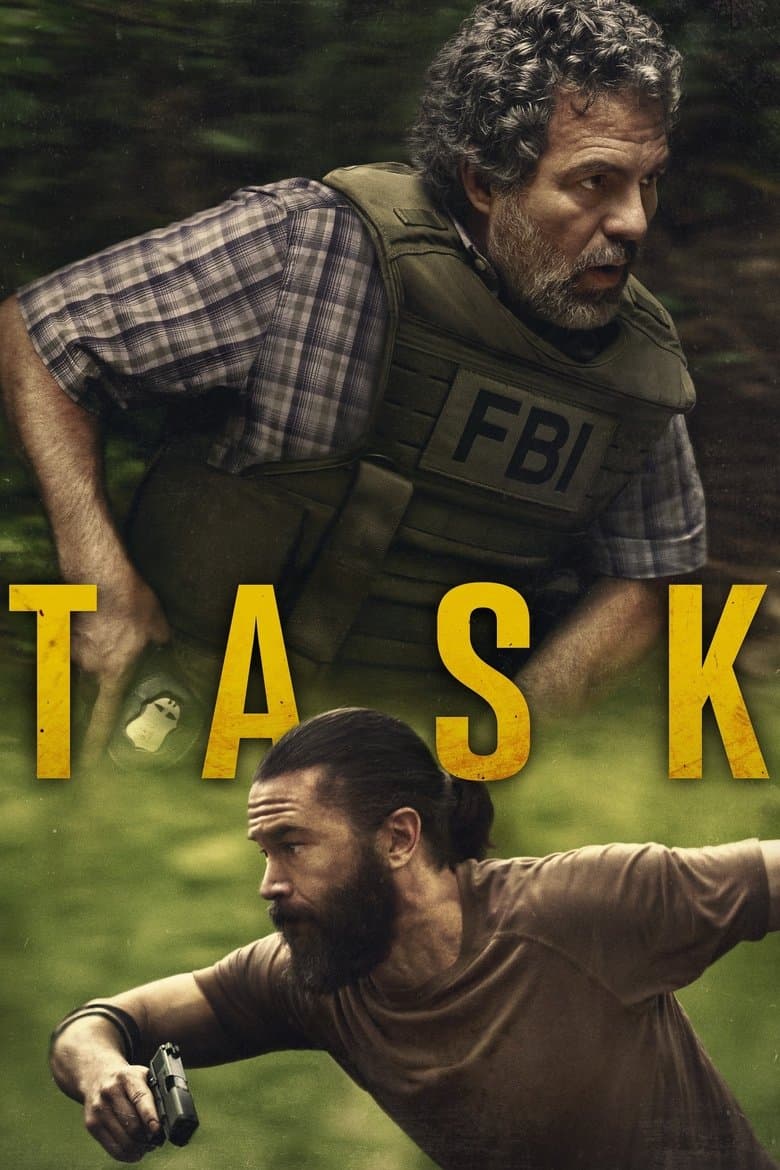
TV Show · 2025
In the working-class suburbs of Philadelphia, an FBI agent heads a task force assembled to put an end to a string of violent robberies led by an unsuspecting family man.
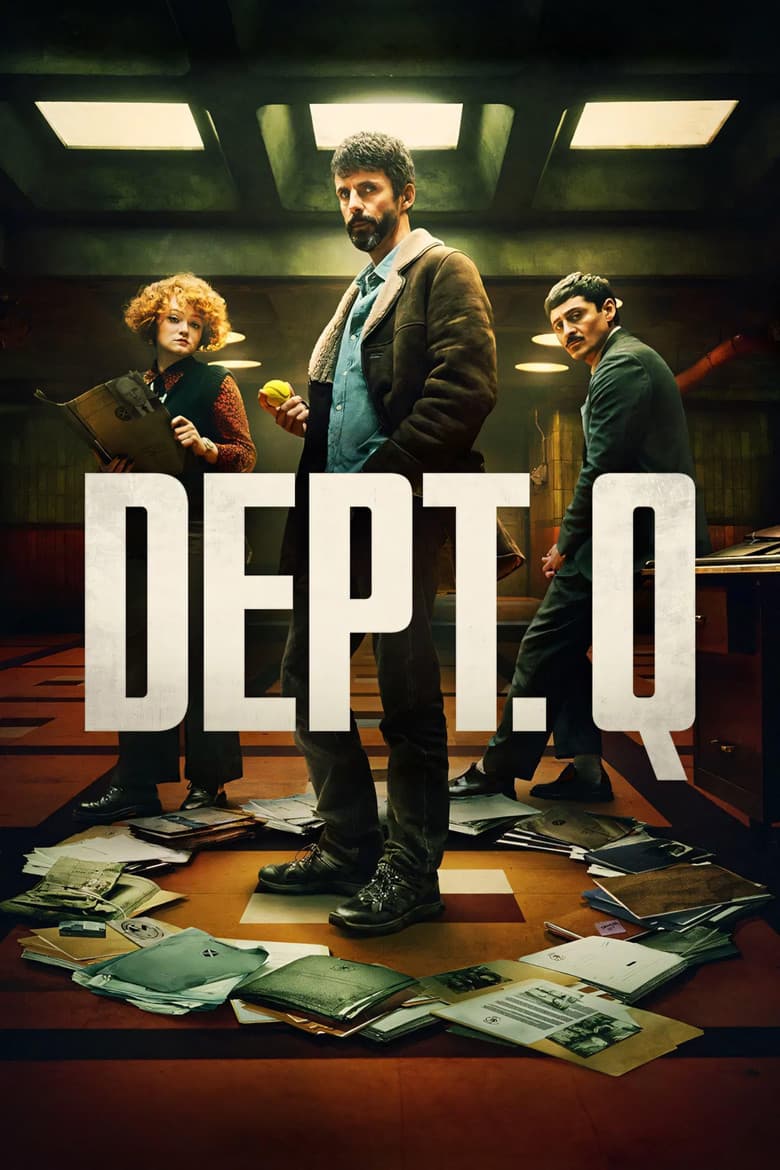
TV Show · 2025
A brash but brilliant cop becomes head of a new police department, where he leads an unlikely team of misfits in solving Edinburgh's cold cases.
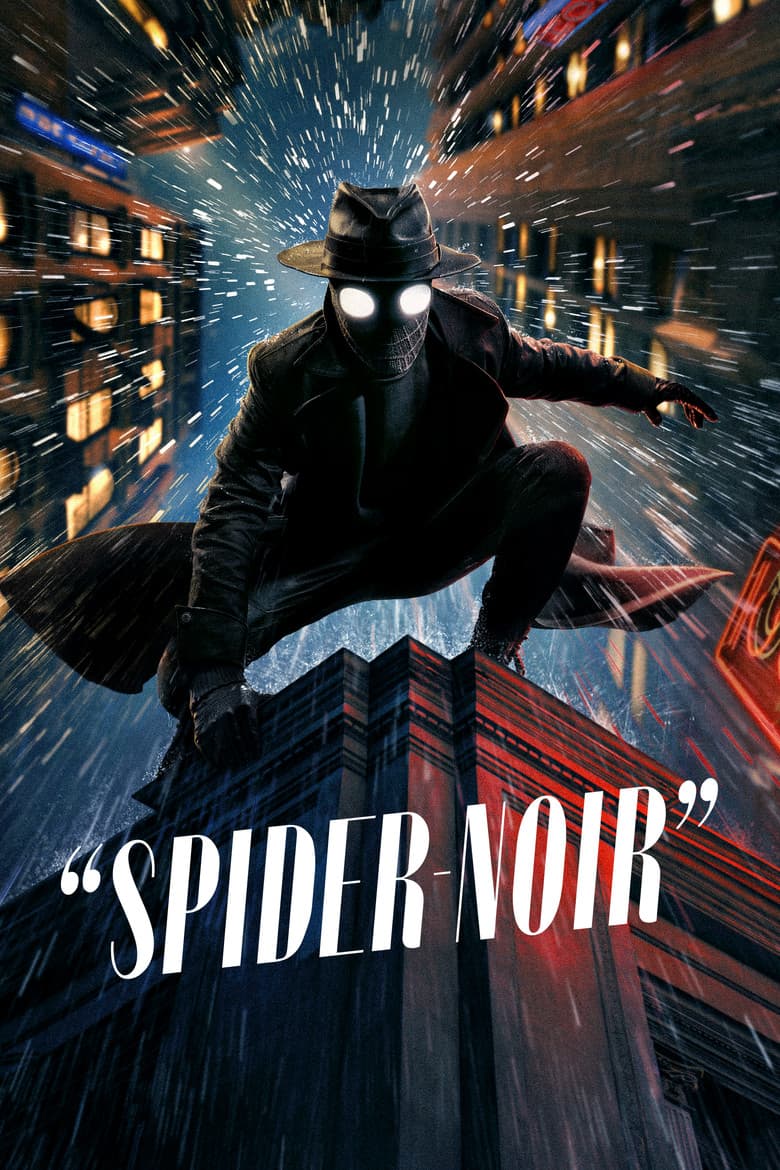
TV Show · 2026
Ben Reilly, an aging and down on his luck private investigator in 1930s New York, is forced to grapple with his past life as the city's one and only superhero.
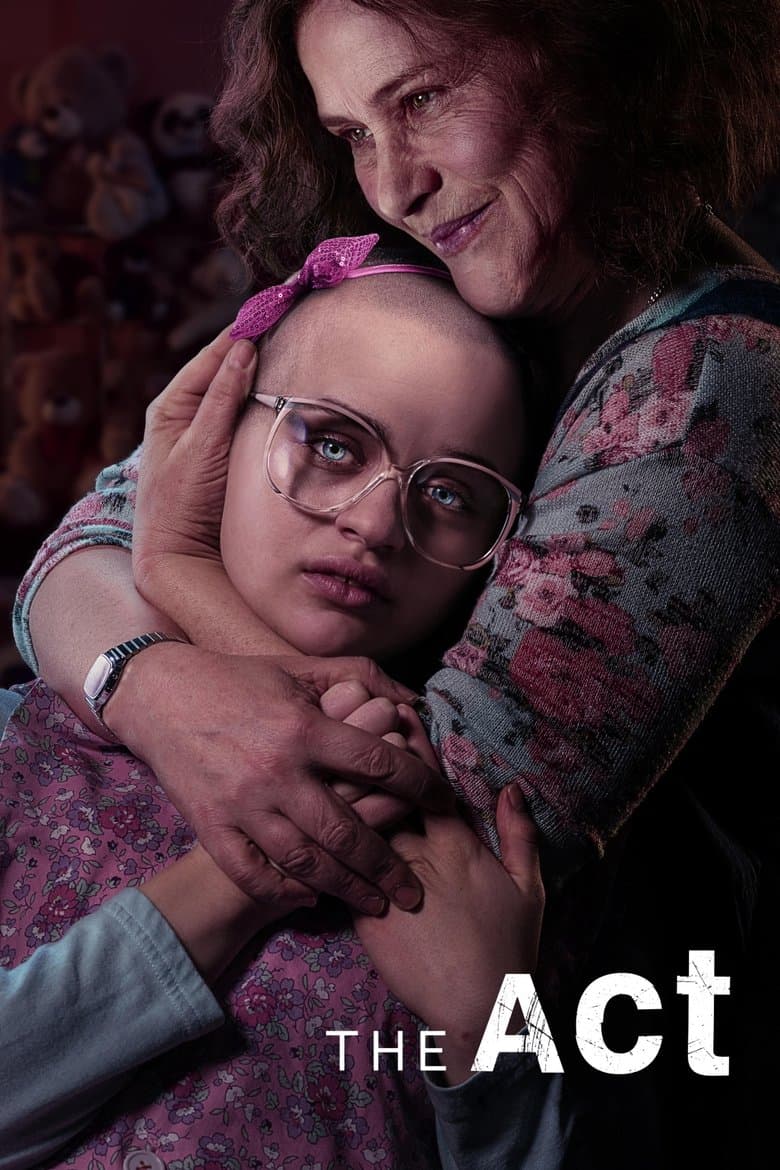
TV Show · 2019
Gypsy Blanchard struggles to deal with the toxic relationship with her overprotective mother, but her attempts to free herself lead to murder.
TV Show · 2018
The harrowing true story of the 1993 standoff between the FBI, ATF and the Branch Davidians, a spiritual sect led by David Koresh in Waco, TX that resulted in a deadly shootout…
