
Started January 15, 2023 · Ended · Based on 4 seasons, 40 episodes through June 21, 2026 · TV-PG · 43 min
The Way Home follows Kat Landry, a mother who returns to Port Haven, New Brunswick, with her teenage daughter Alice after Kat's marriage breaks down. Kat has been separated from her mother Del for more than twenty years because of old family tragedies. Alice finds a pond that sends her into the past, where she meets younger versions of her family and uncovers the truth about her missing uncle Jacob. The show mixes family drama, romance, grief, mystery, and gentle time-travel fantasy. Across four seasons, Kat, Alice, and Del remain the main people who push the story forward and repair their family. The show also includes Joyce and Jude, two women raising Nick together, and Casey, a nonbinary Goodwin who uses they and them pronouns. Those characters appear in side stories and later mysteries, but the main plot stays focused on family secrets, lost children, old romances, and healing. Season 4 shifts toward Elliot's search for his mother, Jacob's return to ordinary life, and a wedding that brings the three founding families together.
Community feedback
Was our 38% Woke rating accurate?
Breakdown
These are the editorial factors and ratings behind our score for The Way Home.
Woke representation / casting
The main cast is built around three generations of women, and Hallmark presents them as strong, willful, and independent. Kat leads many investigations, Alice follows clues, and Del runs the family farm. Those choices fit the family story and do not create a broad one-of-each diversity pattern. Casey adds a clear nonbinary casting choice, but Casey stays a supporting character.
28%
Woke political dialogue
Not present. The show does not use repeated modern activist speeches or identity-based arguments. Its dialogue centers on family secrets, romance, grief, and time travel.
0%
Identity-driven story themes
The show keeps three generations of women at the center of its story across all four seasons. Kat, Alice, and Del repeatedly drive the search for answers and the work of repairing the family. The show also gives recurring space to Casey, a nonbinary character, and to Joyce and Jude, a lesbian couple. These identity elements matter to side stories and character choices, but the main plot remains a time-travel family mystery.
39%
Western institutional / cultural critique
Not present. The show does not build its conflict around modern attacks on men, family structures, churches, capitalism, or other Western institutions. Its historical conflicts involve family rivalries, old crimes, and loss rather than present-day activist criticism.
0%
Woke character or canon changes
Not relevant. The Way Home is an original series rather than an adaptation of an established story. Its changes to family history come from the show's own time-travel plot and do not rewrite a known character or real event.
0%
Anti-woke backlash and complaints
A WND report, later republished by Daily Angle, called the lesbian parents part of Hallmark's LGBT agenda. Several reader comments said they would stop watching or move to Great American Family. The supplied X research found a handful of small accounts calling the gay scene, Casey's they/them identity, and a lesbian kiss woke. The complaints did not grow into a large boycott, review-bomb, or major news cycle.
24%
Creator track record context
Alexandra Clarke, Heather Conkie, and Marly Reed have no strong public activist profile. Director Shamim Sarif has a strong record of queer and feminist work. Writer Elyne Quan has recurring work about culture, migration, and climate, while producer Andie MacDowell has backed women's visibility and female filmmakers. Most of the wider team has a conventional family-TV record, so the context is supportive but not dominant.
30%
Production
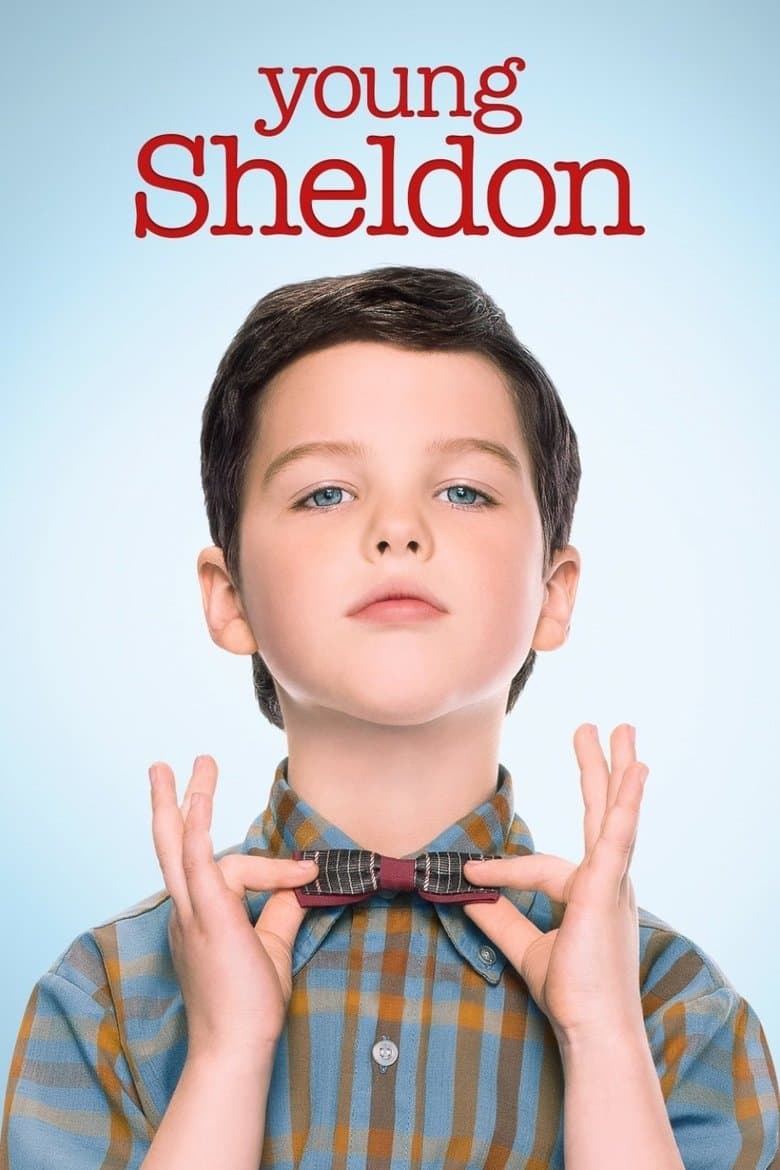
TV Show · 2017
The early life of child genius Sheldon Cooper, later seen in The Big Bang Theory.
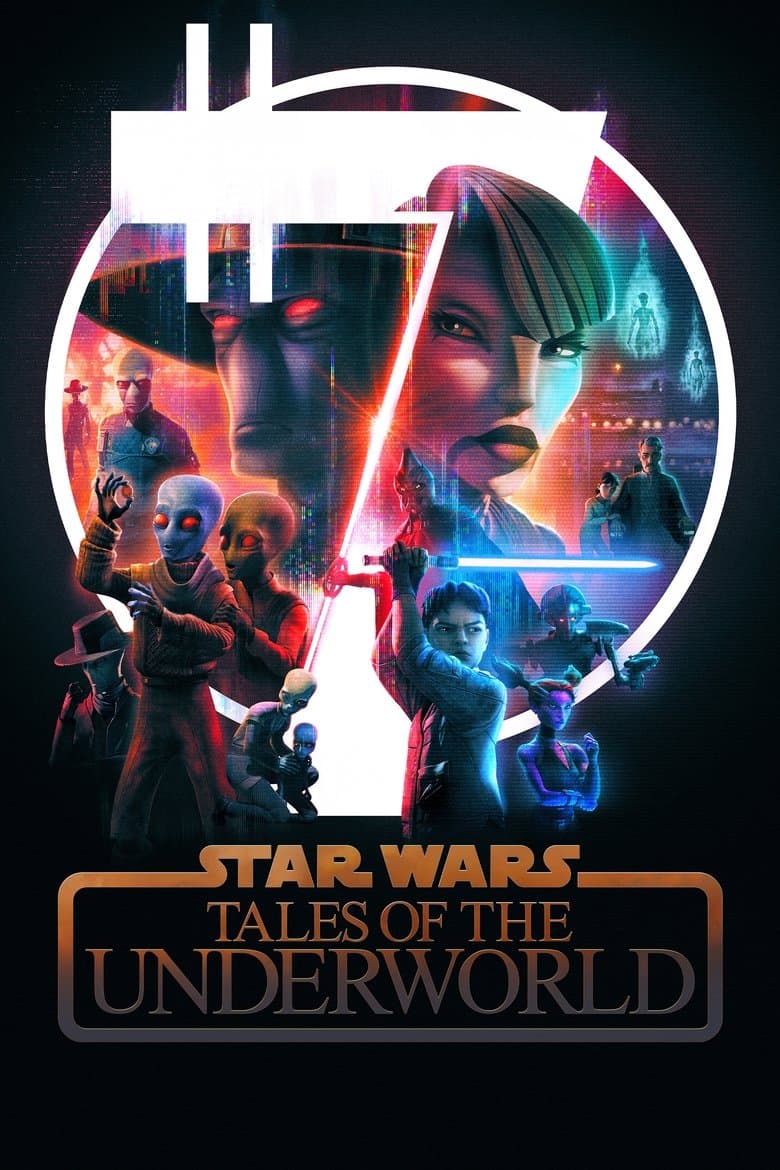
TV Show · 2025
Two outlaws must navigate the galaxy's dangerous underworld as they chart their destinies.
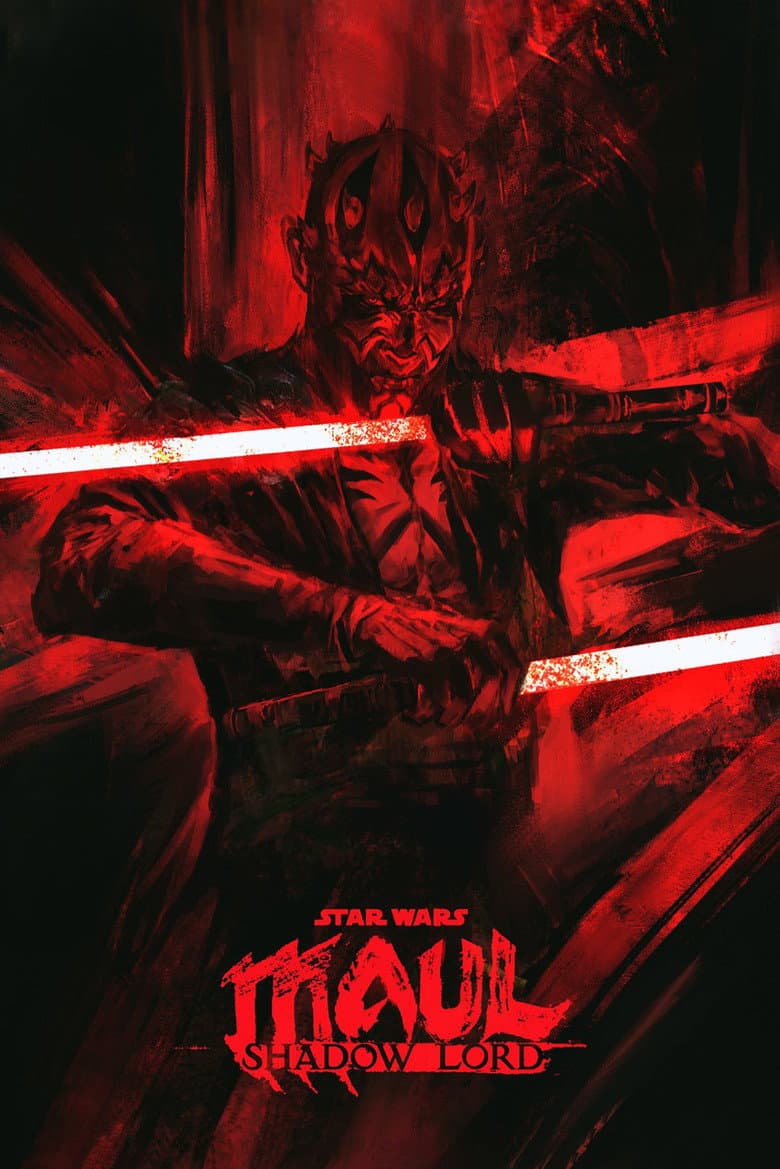
TV Show · 2026
After the Clone Wars, Maul plots to rebuild his criminal syndicate on a planet untouched by the Empire.
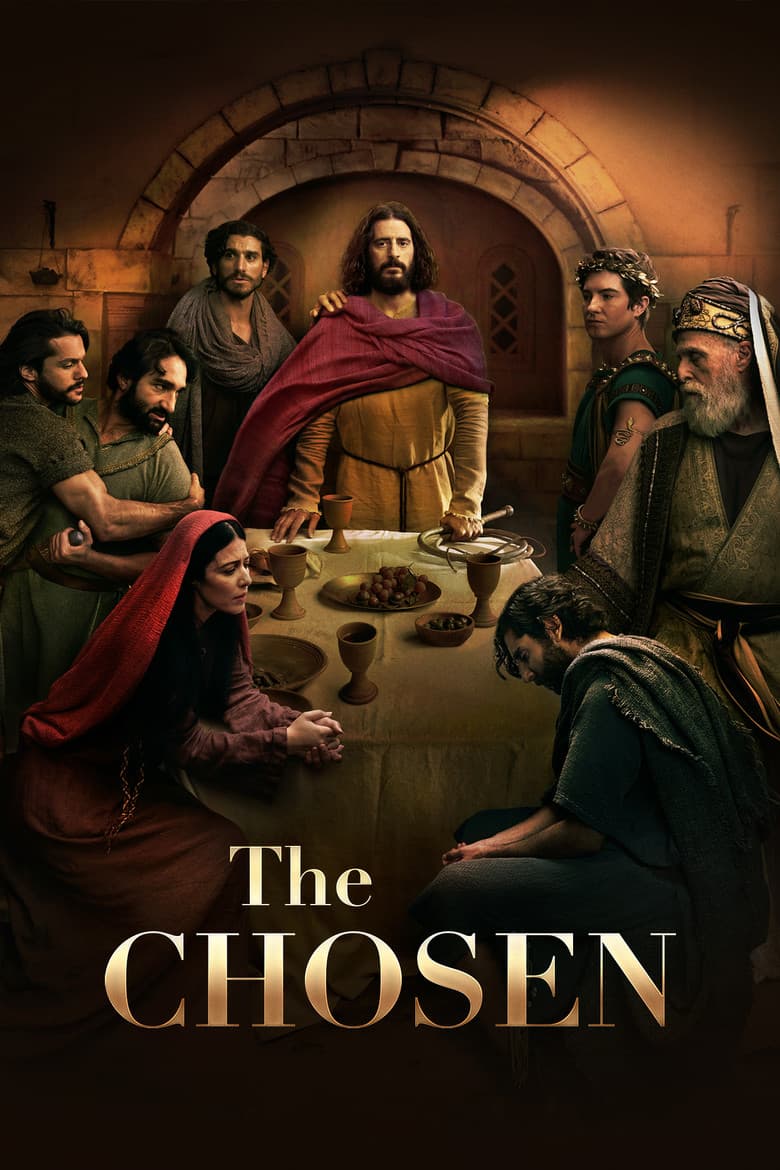
TV Show · 2019
The life of Christ through the eyes of those who encountered him.
TV Show · 2022
There's no guarding the galaxy from this mischievous toddler! Get ready as Baby Groot takes center stage in his very own collection of shorts, exploring his glory days growing up…
TV Show · 2022
Journey into the lives of two distinctly different Jedi from the prequel era – Ahsoka Tano and Count Dooku. Each will be put to the test as they make choices that will define…
TV Show · 2021
The 'Bad Batch' of elite and experimental clones make their way through an ever-changing galaxy in the immediate aftermath of the Clone Wars.
TV Show · 2021
Frozen’s beloved snowman retelling several classic Disney tales as only he can.
