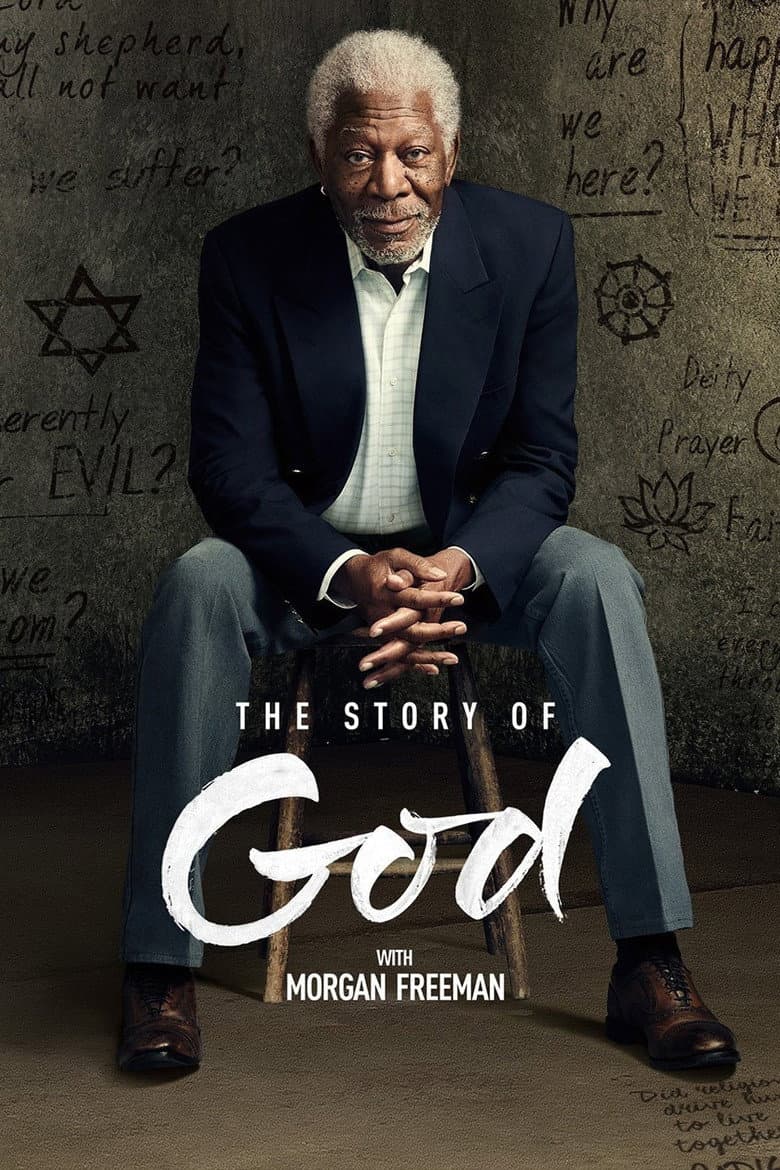
Started April 3, 2016 · Ended · Based on 3 seasons, 15 episodes through April 9, 2019 · TV-14
Morgan Freeman hosts this documentary as he travels around the world to ask what people believe about God, death, creation, evil, miracles, and holy rules. Each episode visits sacred places, meets faith leaders and believers, and compares their answers with history and science. The journey moves from Jerusalem and Rome to India, Nepal, Thailand, Africa, and North America. Freeman stays curious and calm instead of preaching one clear answer. The tone is thoughtful, scenic, and sometimes dramatic when it shows rituals, exorcisms, disasters, or death.
The main woke-leaning element is the show's repeated interfaith message that people should look past religious differences and find shared human needs. The series gives serious attention to Christianity, Judaism, Islam, Hinduism, Buddhism, Sikhism, Rastafari, Indigenous beliefs, and smaller traditions. Season 3 says that women were the main voice in one early Christian group and links slavery and colonial rule to Rastafari's African identity. These points recur, but they support broad tolerance more than a strong modern identity or political campaign.
Community feedback
Was our 28% Woke rating accurate?
Breakdown
These are the editorial factors and ratings behind our score for The Story of God with Morgan Freeman.
Woke representation / casting
Not present. The host is a black male presenter, but the role is not framed as an identity statement. The guests are chosen for their faiths and cultures, which fits the documentary's subject.
0%
Woke political dialogue
The series repeatedly says that religious differences should not divide people. Season 3 connects Rastafari faith with slavery, colonial rule, African unity, and leaders who reflect the people. Season 2 includes a Sikh message that God does not discriminate by ethnicity, caste, or gender. These points appear in short sections, so the political message is mild.
23%
Identity-driven story themes
The series makes religious and cultural identity its main subject. Each episode places different faith communities and traditions at the center of the search for answers. Season 3 highlights African identity in Rastafari and women as a leading voice in early Christianity. The show presents these examples as part of a shared human search, not as a sustained modern race, gender, or queer campaign.
28%
Western institutional / cultural critique
The series sometimes places Christian belief beside scientific or psychological explanations. Season 3 asks whether people still need holy laws in an age shaped by science and reason. Other episodes compare Christian ideas about sin, judgment, and the afterlife with human or natural explanations. The show does not make modern attacks on men, families, capitalism, or Western society its subject.
16%
Woke character or canon changes
Season 3 gives one gender-focused account of early Christianity. The episode says women were the dominant voice in one ancient Christian house and helped shape belief in Jesus as God. The claim is brief and belongs to a documentary discussion of history. The show does not build a new fictional version of Jesus or another established figure.
10%
Anti-woke backlash and complaints
Not present. Public complaints focused on theology, accuracy, and the show's treatment of Christianity. No strong, sourced anti-woke or DEI backlash was found.
0%
Creator track record context
Freeman's related science work and this show use questions about human behavior to examine faith. Freeman and the producers frame the series around common ground among religions and less judgment toward other believers. That creates a mild tolerance and pluralism signal. No title-related creator statement ties the show to queer activism, DEI goals, or a broader identity campaign.
18%
No crew details available.
Production
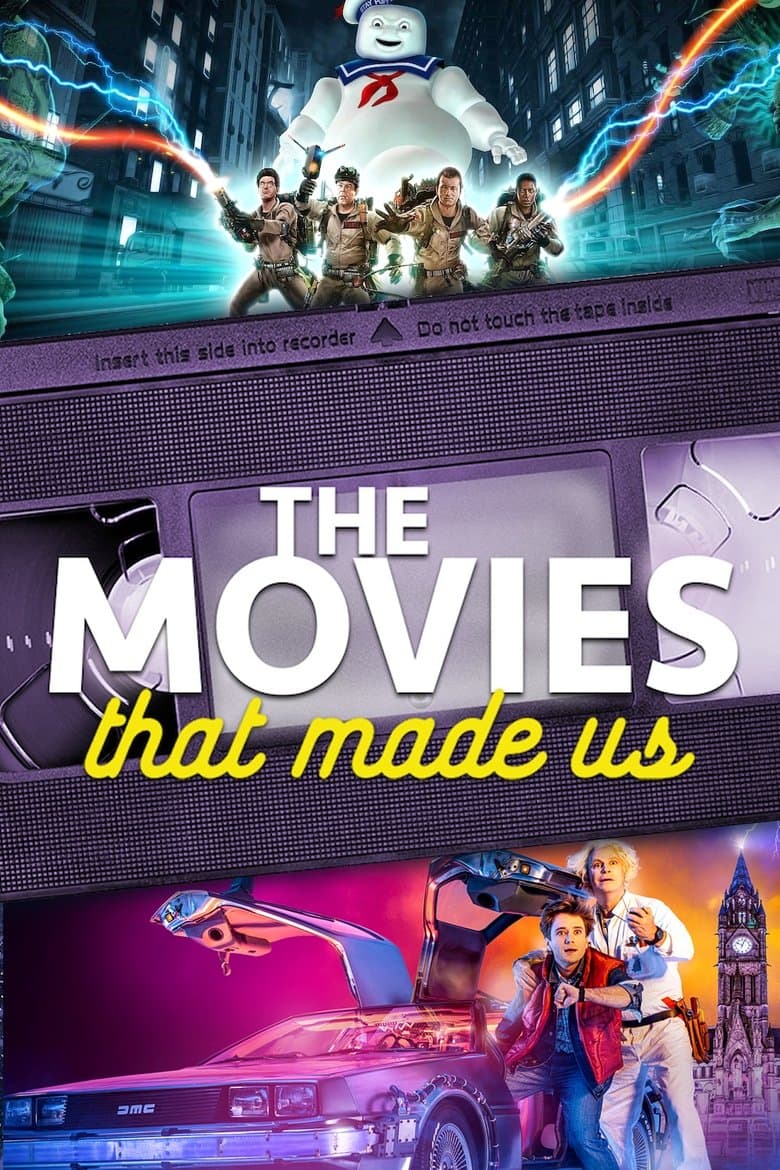
TV Show · 2019
These blockbusters brought us together and gave us the time of our lives. Meet the actors, directors and industry insiders who made them happen.

TV Show · 2019
Using highly advanced colourisation techniques, critical moments from World War II, from Stalingrad to The Battle of Britain, are shown in a whole new light.

TV Show · 2020
A fly-on-the-wall inside look at the goings-on of Tottenham Hotspur during the 2019-20 football season.
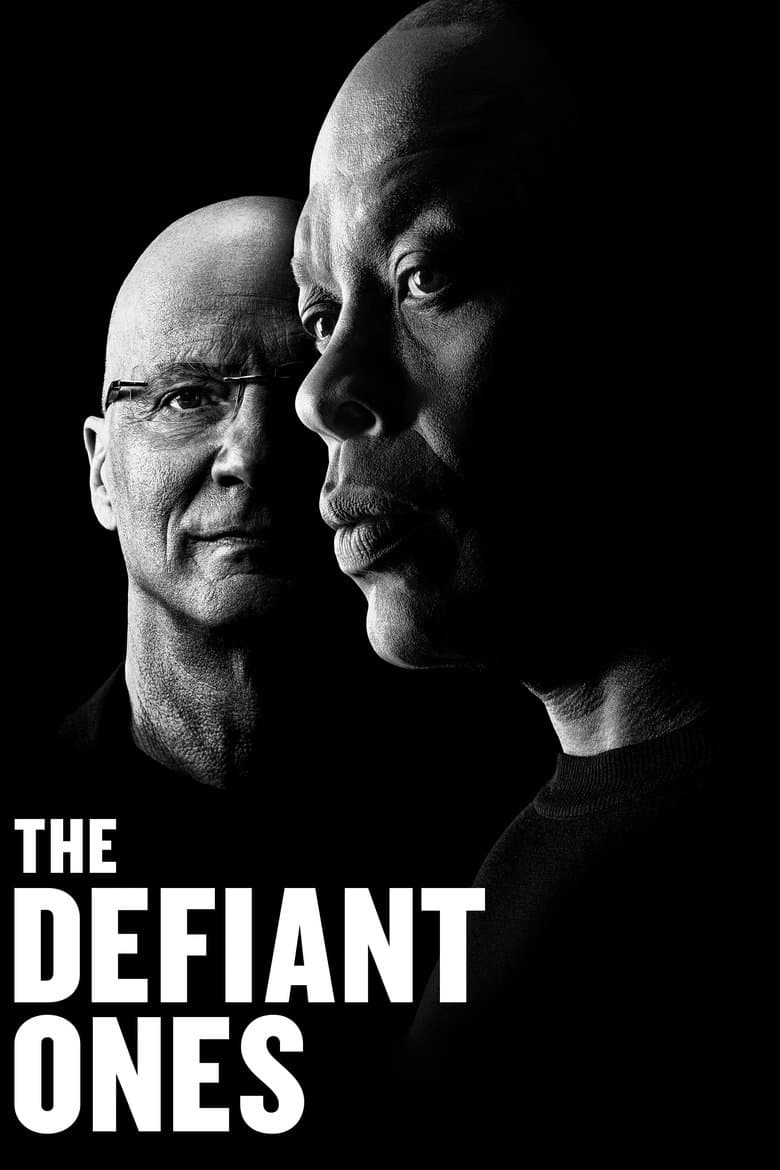
TV Show · 2017
A four-part documentary series that tells the stories of Jimmy Iovine and Dr. Dre -- one the son of a Brooklyn longshoreman, the other straight out of Compton - -- and their…
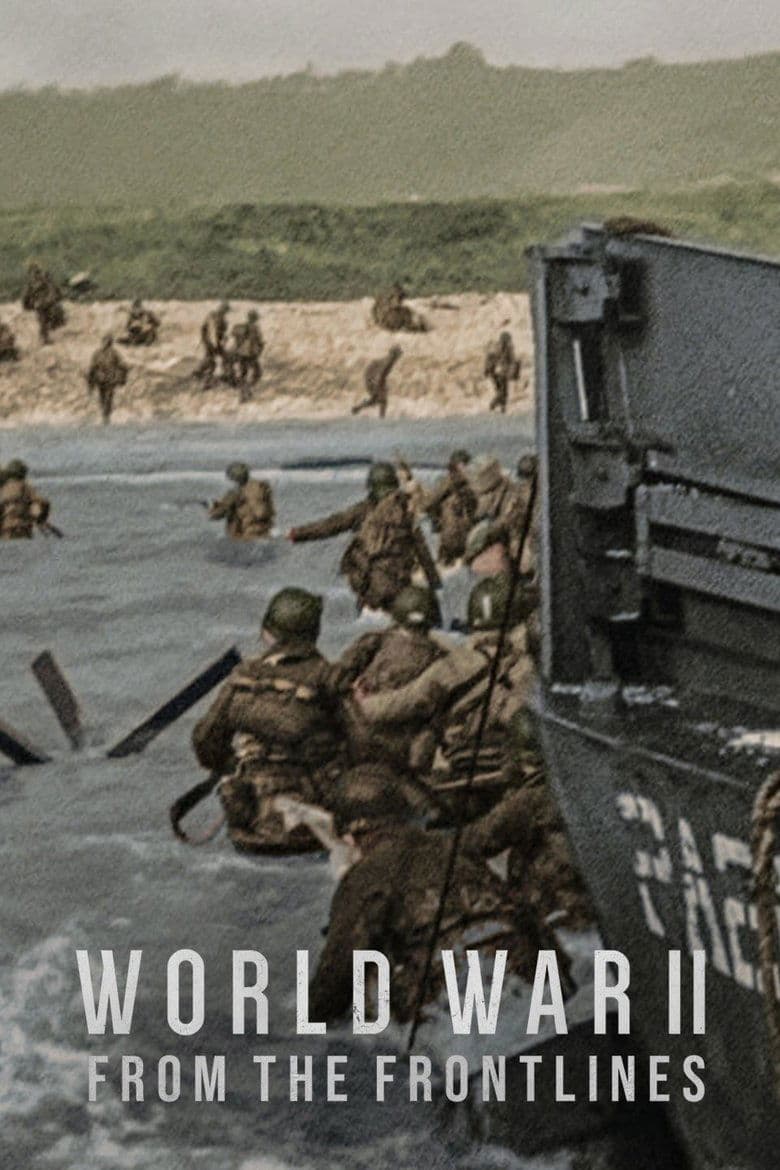
TV Show · 2023
Through vividly enhanced archival footage and voices from all sides of the conflict, this docuseries brings WWII to life like never before.
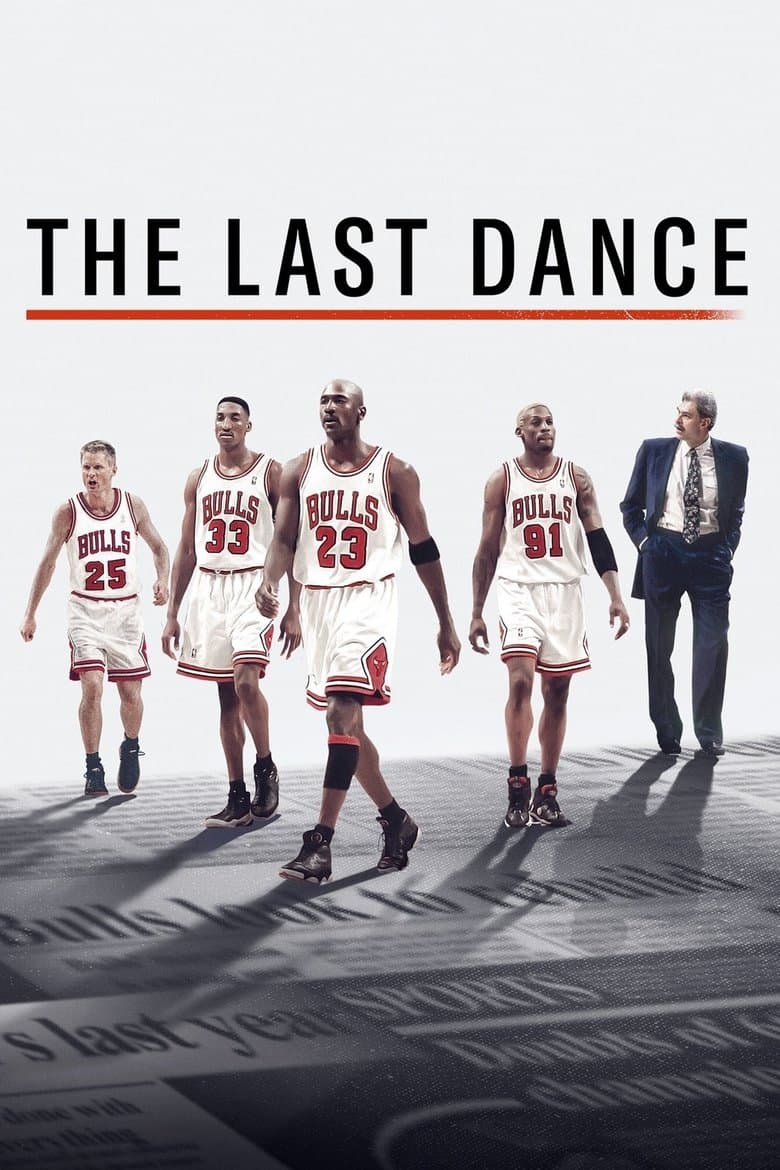
TV Show · 2020
A 10-part documentary chronicling the untold story of Michael Jordan and the Chicago Bulls dynasty with rare, never-before-seen footage and sound from the 1997-98 championship…
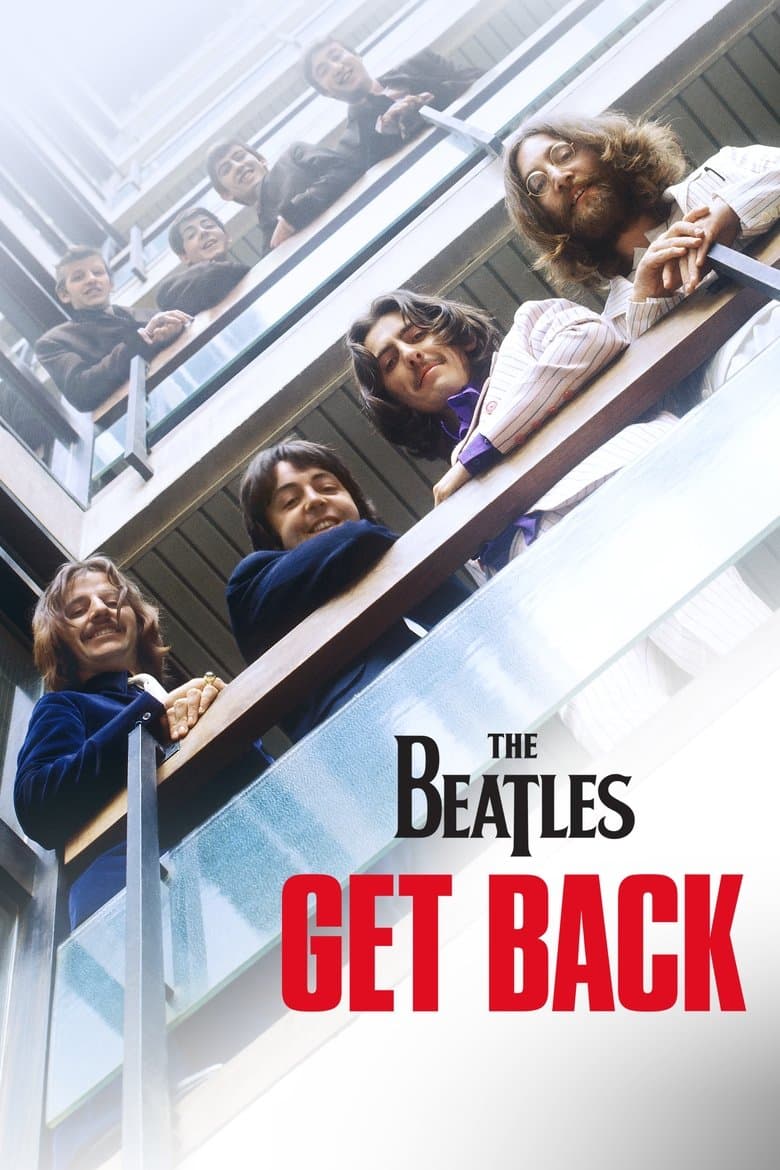
TV Show · 2021
The three-part documentary series, compiled from over 60 hours of unseen footage, captures the warmth, camaraderie, and creative genius that defined the legacy of music's most…

TV Show · 2020
Engineers, officials and the crew members' families provide their perspective on the 1986 Space Shuttle Challenger disaster and its aftermath.
