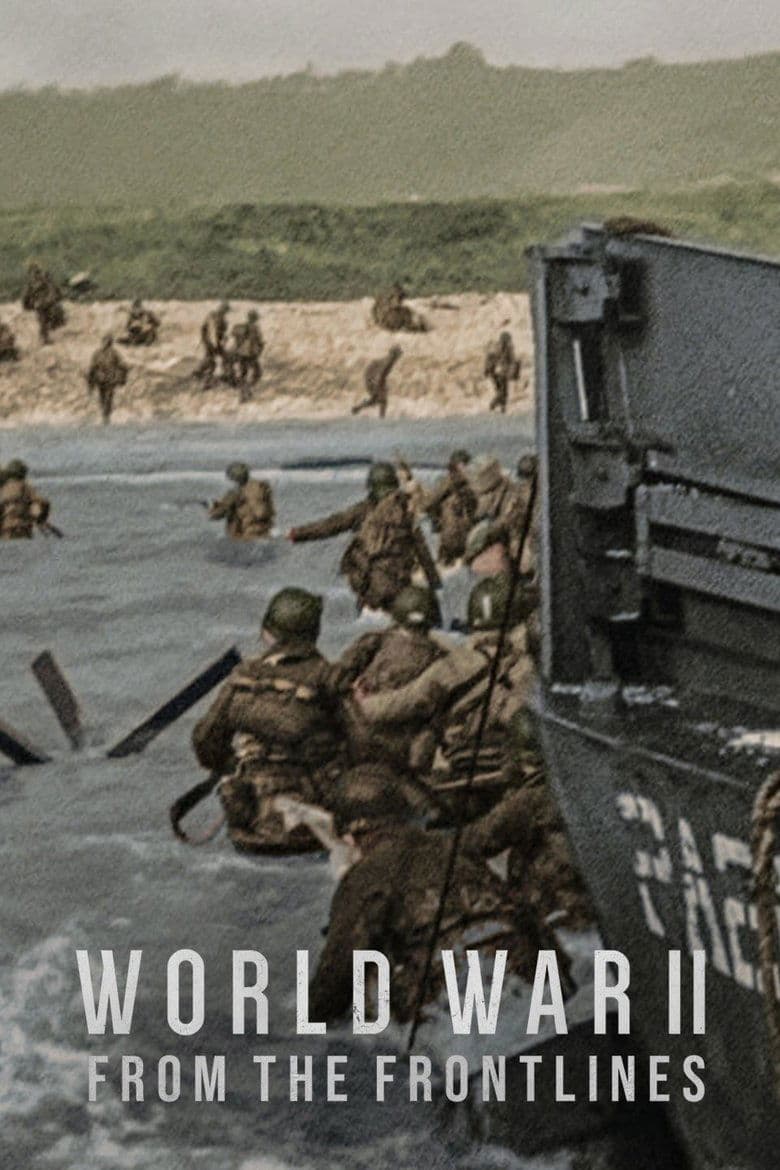
Started December 7, 2023 · Ended · Based on 1 season, 6 episodes through December 7, 2023 · TV-MA
John Boyega guides this six-part documentary through the Second World War from the German attack on Poland in 1939 to the Japanese surrender in 1945. The series moves across Europe, North Africa, and the Pacific through restored and colorized film, news reports, and recorded memories from soldiers and civilians. Each episode follows the war in order while showing battles, bombings, prison camps, resistance, and life under occupation. The tone is serious, graphic, and direct, with personal accounts placed beside the larger military story.
The series includes Jewish survivors, black American soldiers, Japanese and German witnesses, women in resistance and wartime roles, and civilians caught in the fighting. These voices show the human cost of Nazi murder, Japanese expansion, Allied bombing, the Warsaw uprising, and the atomic attacks. The program presents those events as part of the period's military and human history rather than as a modern identity campaign. Its main message is that dictatorship, war, and mass killing destroy ordinary lives, while the final episode asks viewers to remember the dead and learn from the conflict.
Community feedback
Was our 1% Woke rating accurate?
Breakdown
These are the editorial factors and ratings behind our score for World War II: From the Frontlines.
Woke representation / casting
Not present. The series uses real wartime footage and recorded witnesses instead of a made-up cast. Its Black soldiers, Japanese soldiers, women, and other witnesses belong to the real history being shown, and the show does not frame them as a diversity campaign.
0%
Woke political dialogue
Not present. The speech comes from wartime leaders, news reports, and witnesses. The series explains Nazi racial rule, Japanese expansion, and Allied decisions as events from 1939 to 1945, not as modern activist arguments.
0%
Identity-driven story themes
Not present. The show tells a broad war story about soldiers, civilians, prisoners, resistance, and survival. It does not build a modern identity-politics message around race, sex, gender, sexuality, or group power.
0%
Western institutional / cultural critique
Not present. The series shows wartime arguments about bombing, occupation, and the atomic bomb. It does not make a repeated modern activist attack on Western institutions, family life, Christianity, masculinity, or traditional social rules.
0%
Woke character or canon changes
Not relevant. The program uses archival footage, old news reports, and real witness accounts. It does not rewrite a known character, historical person, or past event to promote an identity message.
0%
Anti-woke backlash and complaints
Not present. Public discussion mostly praised the vivid footage or criticized the show's simple history and missing detail. One forum comment calls Netflix “woke,” but it does not say that this series pushes DEI or identity politics.
0%
Creator track record context
Rob Coldstream's cached record includes a documentary about racist election politics, but it does not show a strong DEI or identity-driven campaign. David Glover's cached work includes a humanitarian project about global cooperation. Caroline Marsden has shown a modest interest in letting Afghan journalists tell their own stories. The other cached producers have no clear activist or identity-driven public record, so the overall creator track record is weak.
3%
Production
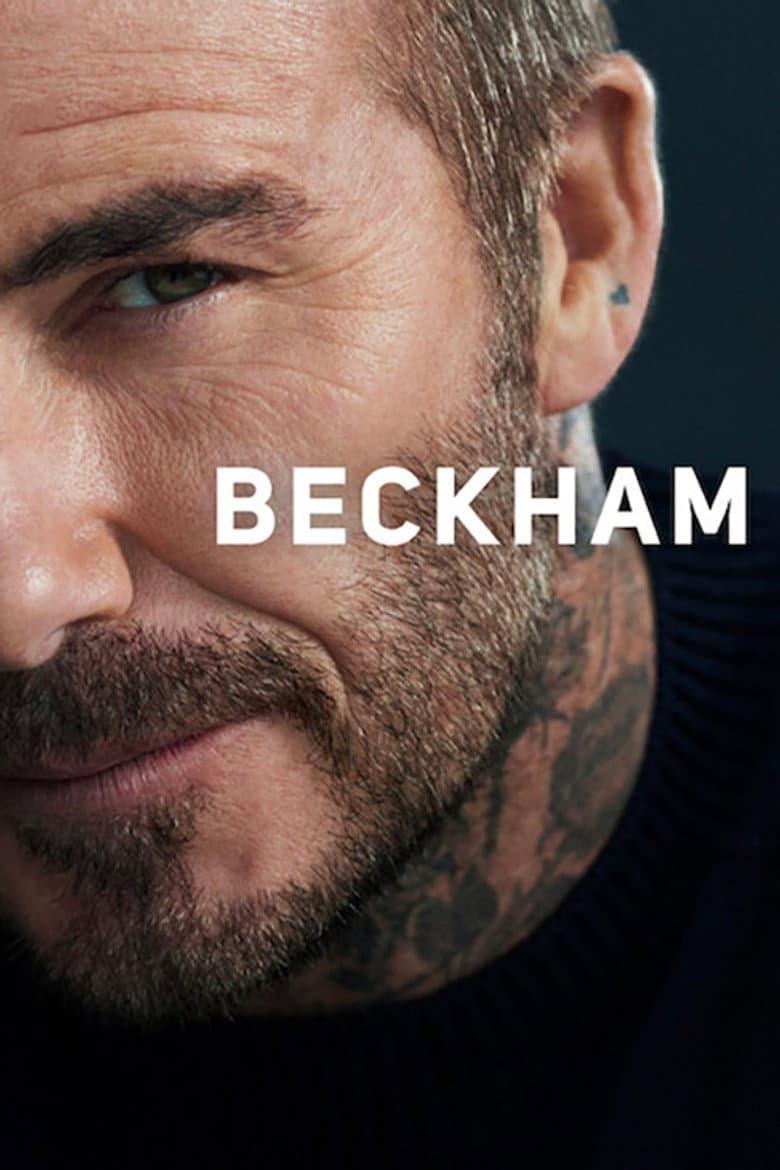
TV Show · 2023
With never-before-seen footage, this docuseries follows David Beckham's meteoric rise from humble beginnings to global football stardom.
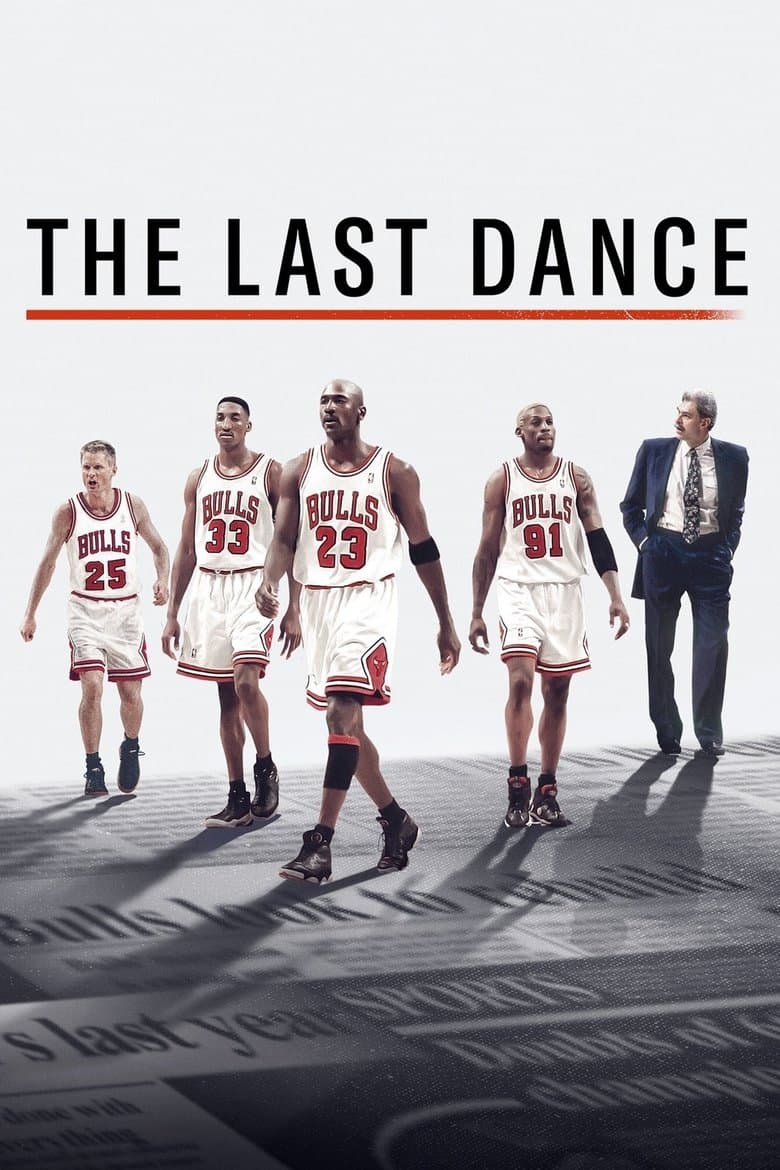
TV Show · 2020
A 10-part documentary chronicling the untold story of Michael Jordan and the Chicago Bulls dynasty with rare, never-before-seen footage and sound from the 1997-98 championship…
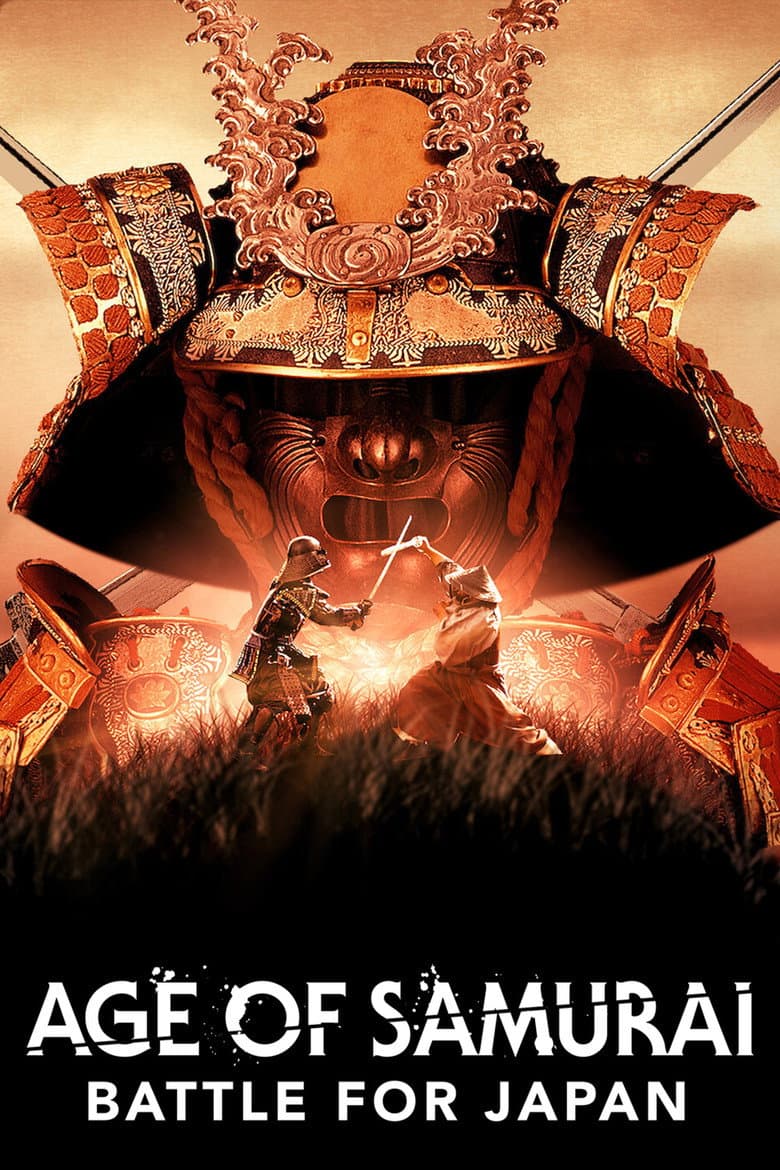
TV Show · 2021
Dynamic reenactments and expert commentaries bring to life the tumultuous history and power struggles of a warring 16th-century feudal Japan.
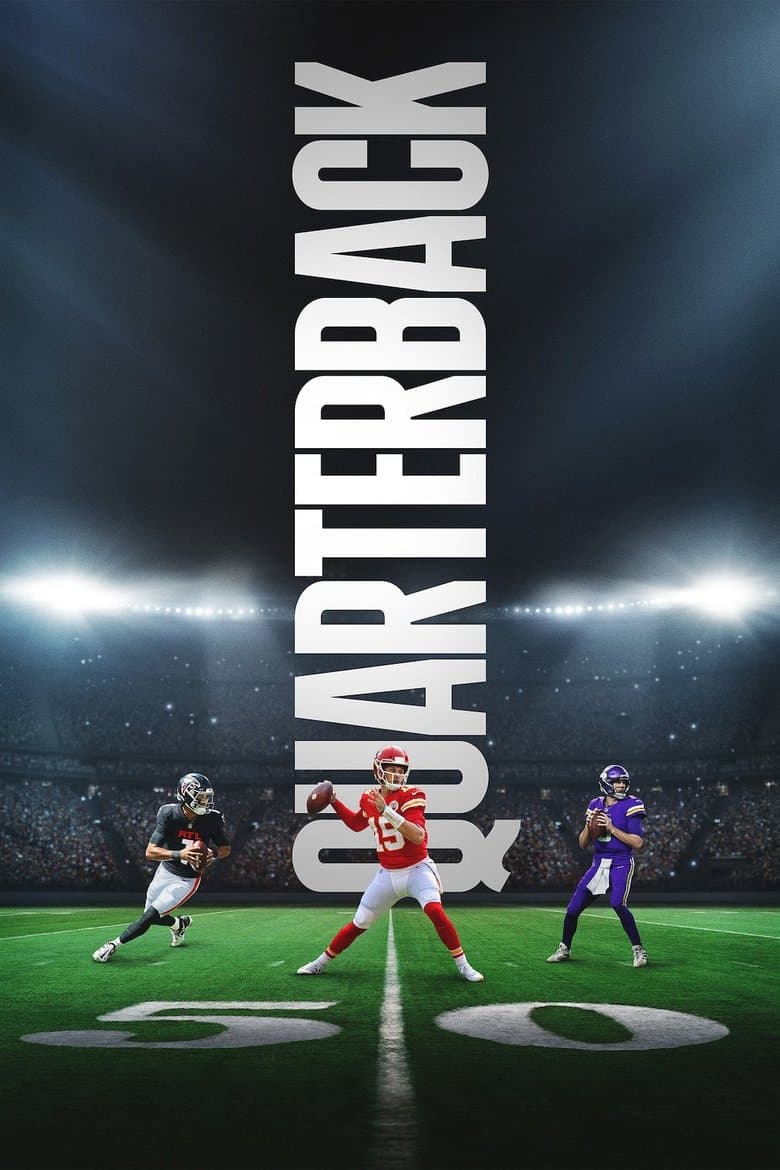
TV Show · 2023
Follow the bruised bodies, soul-crushing fumbles, agonizing losses, and pure joy of three NFL quarterbacks during one season.
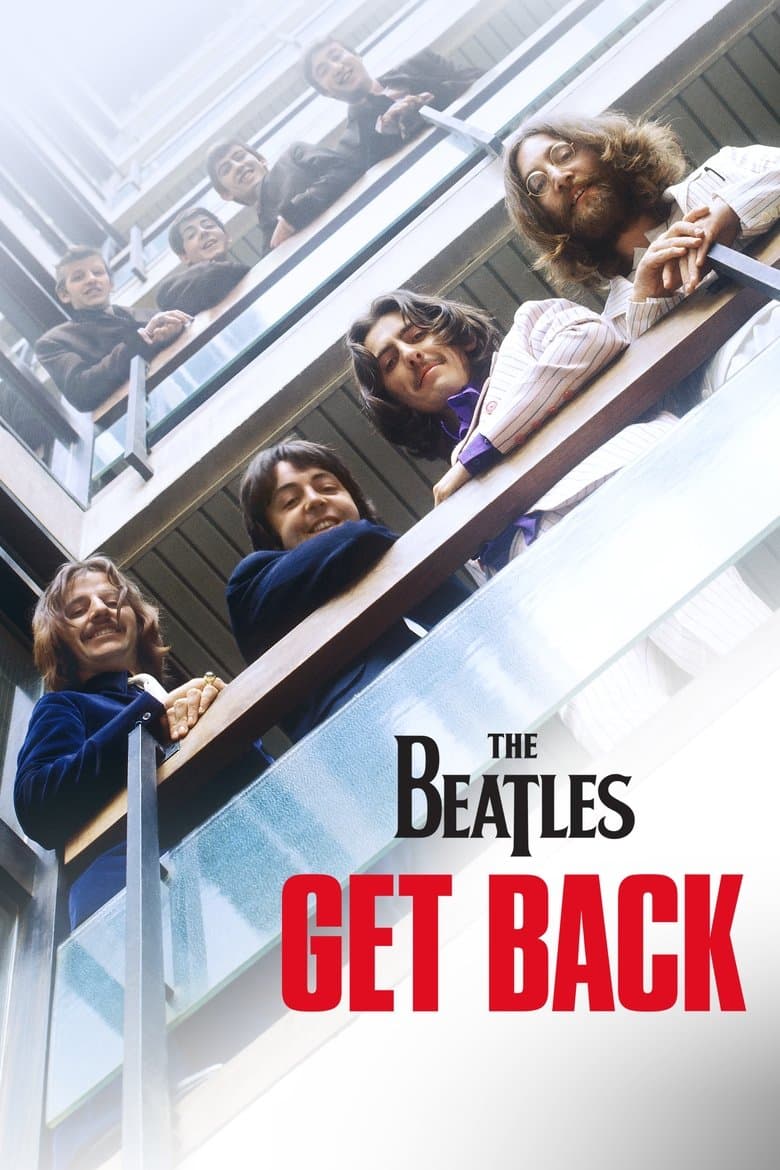
TV Show · 2021
The three-part documentary series, compiled from over 60 hours of unseen footage, captures the warmth, camaraderie, and creative genius that defined the legacy of music's most…

TV Show · 2019
Drivers, managers and team owners live life in the fast lane — both on and off the track — during each cutthroat season of Formula 1 racing.
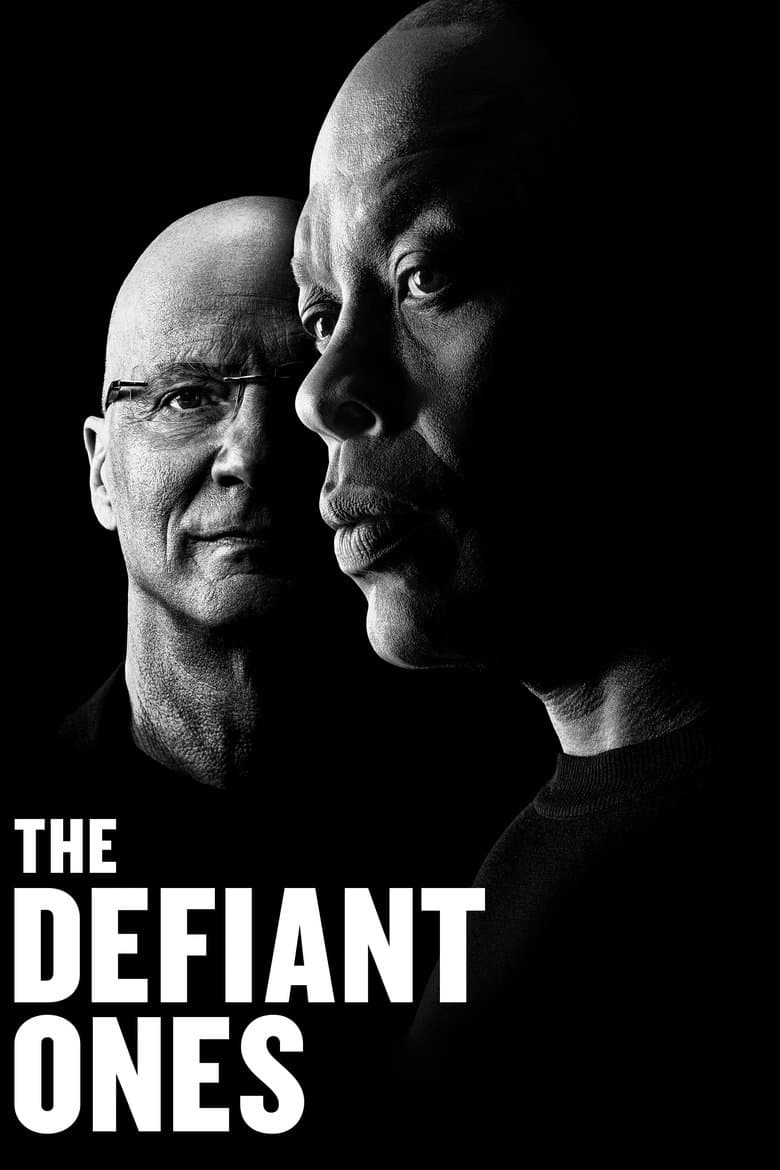
TV Show · 2017
A four-part documentary series that tells the stories of Jimmy Iovine and Dr. Dre -- one the son of a Brooklyn longshoreman, the other straight out of Compton - -- and their…
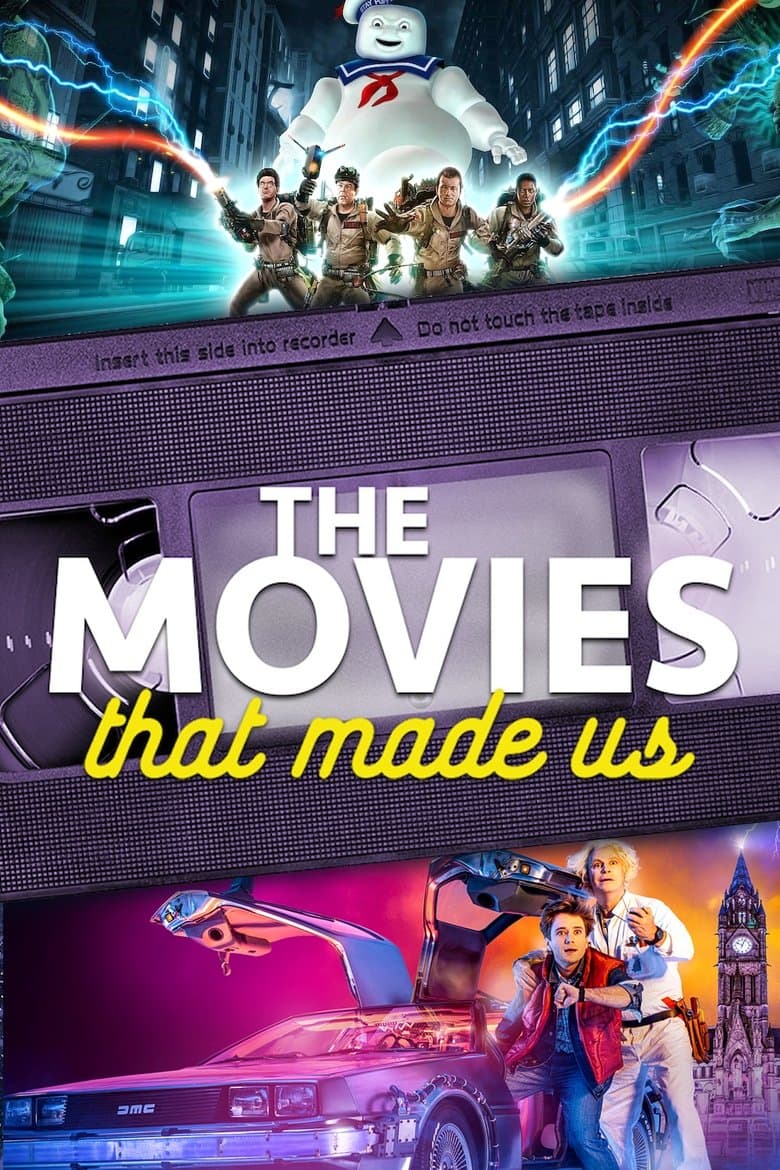
TV Show · 2019
These blockbusters brought us together and gave us the time of our lives. Meet the actors, directors and industry insiders who made them happen.
