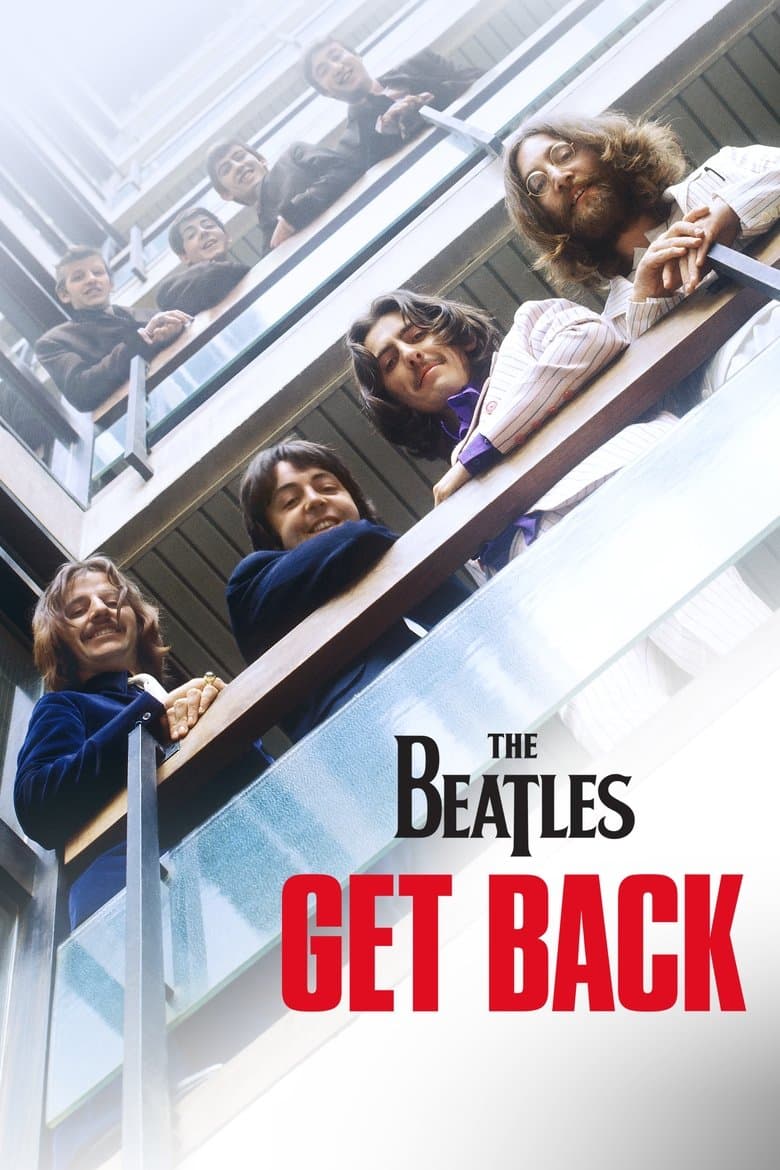
Started November 25, 2021 · Ended · Based on 1 season, 3 episodes through November 27, 2021 · TV-MA
The Beatles: Get Back follows John Lennon, Paul McCartney, George Harrison, and Ringo Starr during a tense month in London in 1969. The band must write and rehearse new songs, choose a place for a live show, and finish a film project. George briefly leaves after feeling ignored, while Paul pushes the group and John often seems far away. The mood moves from slow and strained to warm, funny, and thrilling when the band plays on the Apple building roof.
The series gives repeated screen time to Yoko Ono, who stays beside John and joins one short group singing session. Its editing presents her as mostly quiet and pushes back against the old claim that she alone caused the Beatles to split. The band briefly sings a rough political version of “Get Back” about Enoch Powell and immigration, but this scene does not become a modern activist message. The band also makes brief jokes about lovers and drag while trying out lyrics, but the show does not build a queer story from them. Most of the series follows music, friendship, rivalry, George's wish for more room, and the final concert.
Community feedback
Was our 14% Woke rating accurate?
Breakdown
These are the editorial factors and ratings behind our score for The Beatles: Get Back.
Woke representation / casting
Not present. The series uses archival footage of the real Beatles and people present at the 1969 sessions. It does not build an identity-focused cast or present casting as a diversity goal.
0%
Woke political dialogue
The band briefly improvises a version of “Get Back” about Enoch Powell and immigration politics. The song targets Powell's anti-immigrant views. The material stays a short 1969 protest joke and does not become a repeated modern activist message.
10%
Identity-driven story themes
The series repeatedly shows Yoko Ono beside John Lennon during the sessions. The footage presents her as mostly quiet and pushes back against the old claim that she alone caused the breakup. This gives a woman who was often blamed a more sympathetic place in the story, but the main subject remains the band's music and friendship.
15%
Western institutional / cultural critique
Not present. The rooftop concert brings police complaints about noise. The show treats this as local comic tension, not as a modern critique of Western institutions or social norms.
0%
Woke character or canon changes
Not relevant. The series uses restored footage from real 1969 sessions. It changes the public picture of the breakup through editing, but it does not change anyone's identity or rewrite the story for a woke message.
0%
Anti-woke backlash and complaints
Not present. No qualifying anti-woke complaint was found in coverage through November 27, and the separate X check found no anti-woke reaction. Fan complaints focused on length, Yoko, or the breakup story rather than woke or DEI messaging.
0%
Creator track record context
Peter Jackson has little record of identity-politics activism. Paul McCartney and Ringo Starr are linked mainly to animal rights, peace, and nonviolence. Yoko Ono has a strong feminist and peace-activist record, and she is a producer on this series. That context supports the series' sympathetic treatment of Yoko, but it does not make the documentary an activist project.
20%
Production
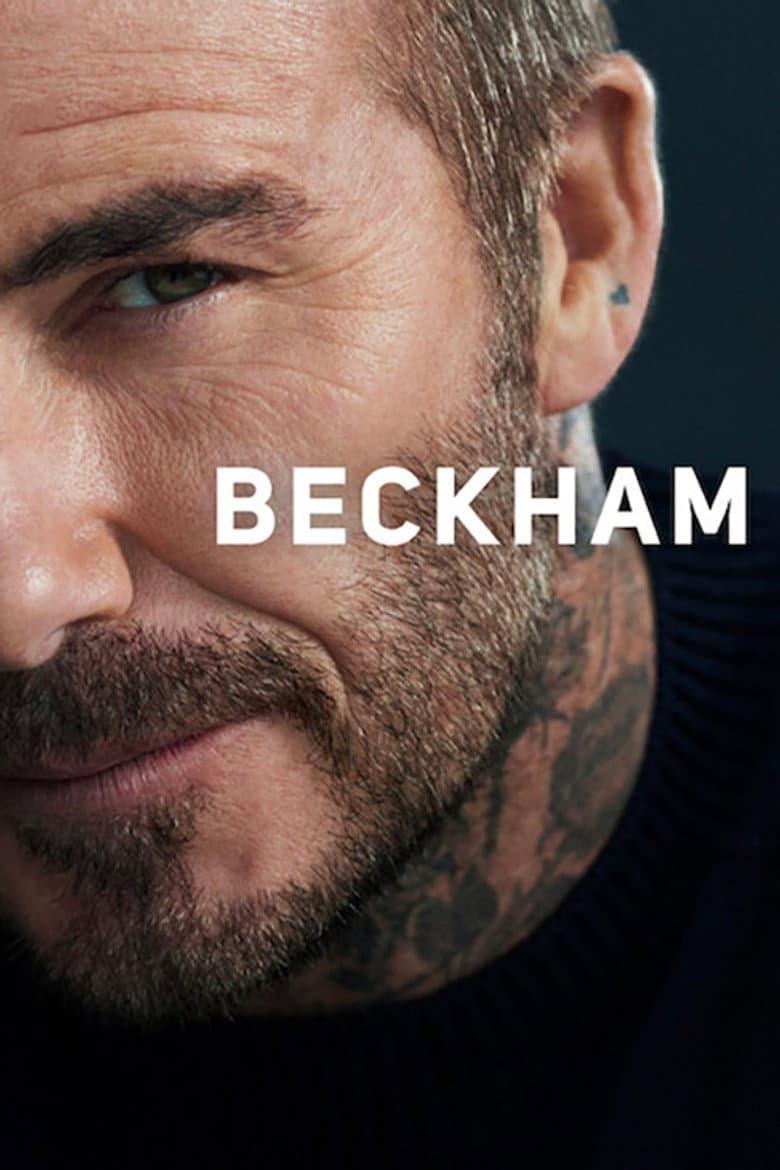
TV Show · 2023
With never-before-seen footage, this docuseries follows David Beckham's meteoric rise from humble beginnings to global football stardom.
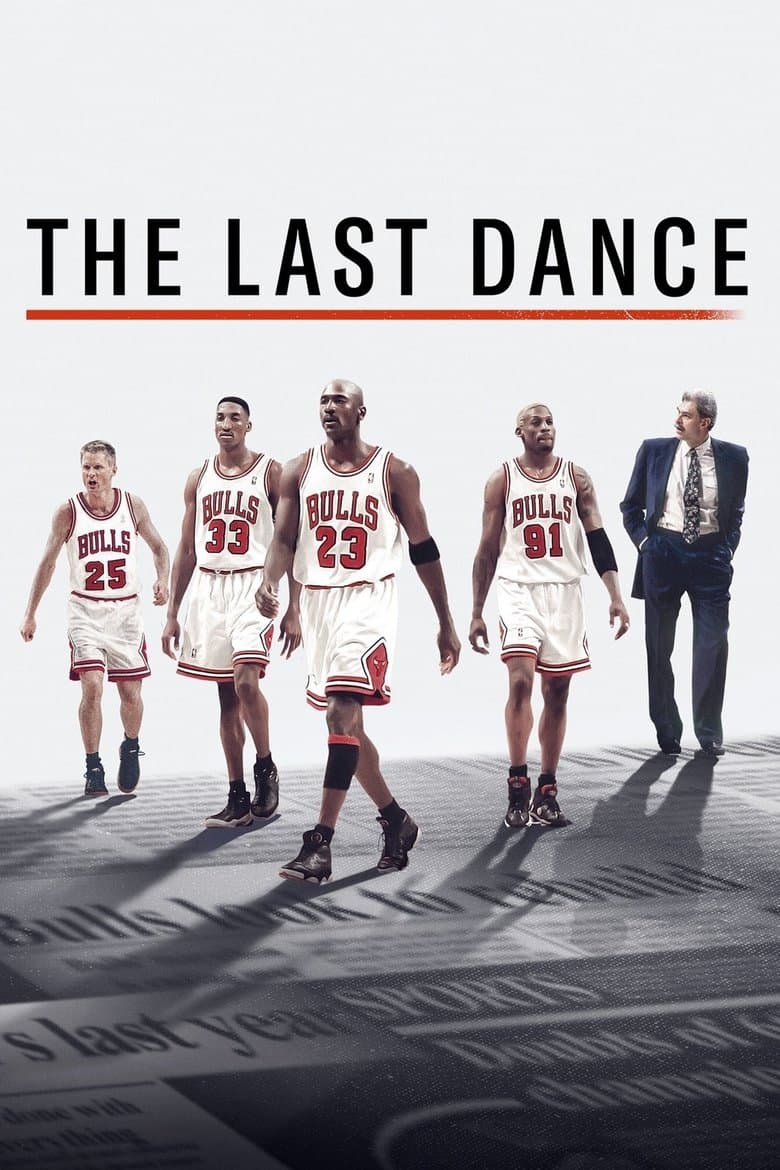
TV Show · 2020
A 10-part documentary chronicling the untold story of Michael Jordan and the Chicago Bulls dynasty with rare, never-before-seen footage and sound from the 1997-98 championship…
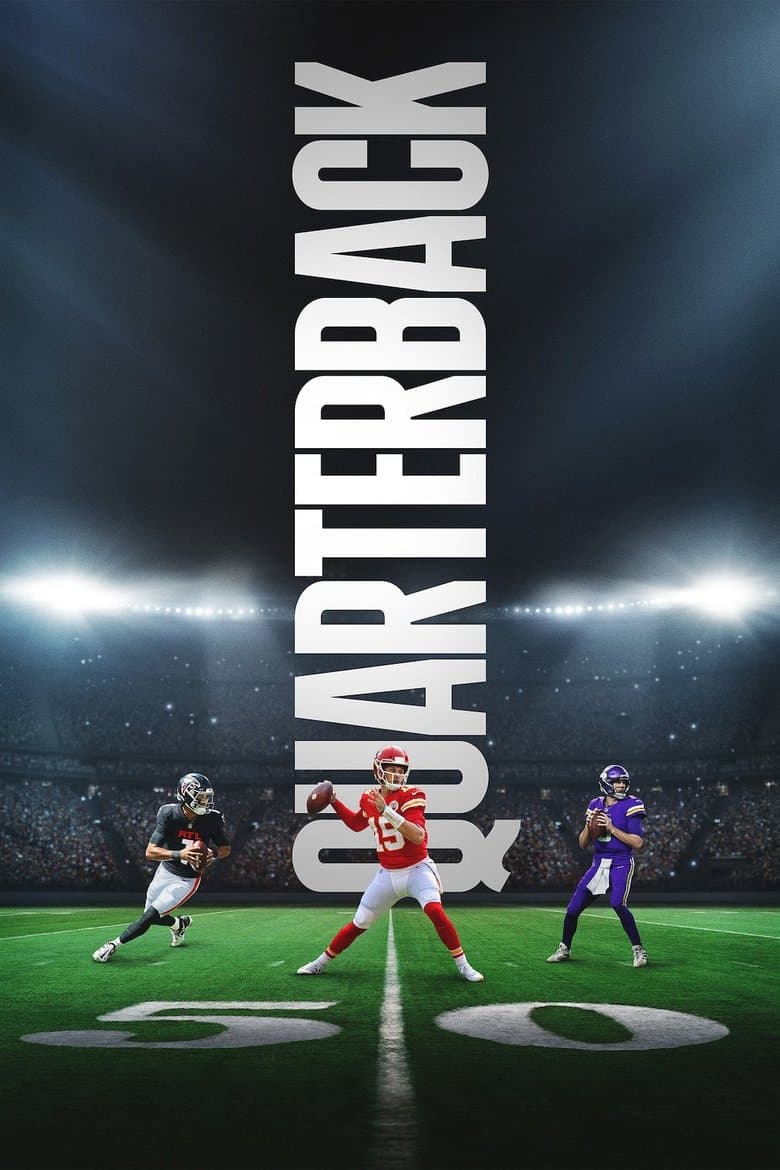
TV Show · 2023
Follow the bruised bodies, soul-crushing fumbles, agonizing losses, and pure joy of three NFL quarterbacks during one season.

TV Show · 2023
Through vividly enhanced archival footage and voices from all sides of the conflict, this docuseries brings WWII to life like never before.
TV Show · 2021
Dynamic reenactments and expert commentaries bring to life the tumultuous history and power struggles of a warring 16th-century feudal Japan.
TV Show · 2019
A Cleveland grandfather is brought to trial in Israel, accused of being the infamous Nazi death camp guard known as Ivan the Terrible.
TV Show · 2019
Using highly advanced colourisation techniques, critical moments from World War II, from Stalingrad to The Battle of Britain, are shown in a whole new light.
TV Show · 2017
A four-part documentary series that tells the stories of Jimmy Iovine and Dr. Dre -- one the son of a Brooklyn longshoreman, the other straight out of Compton - -- and their…
