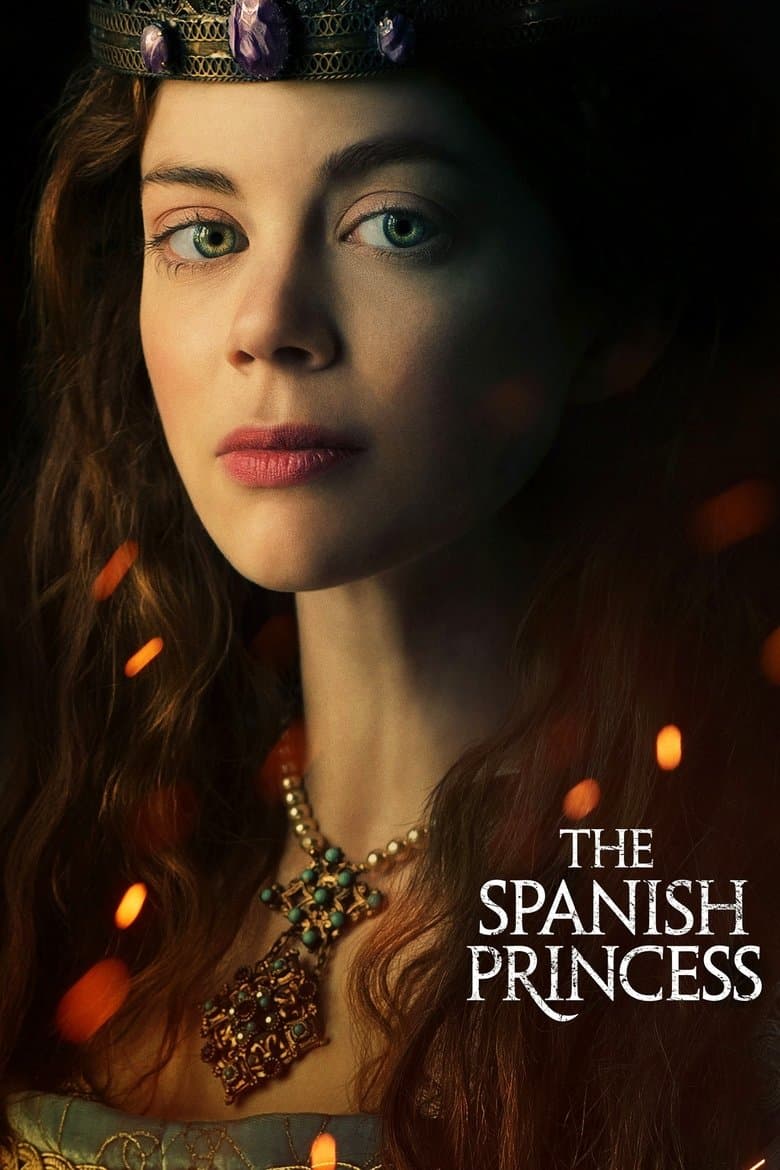
Started May 5, 2019 · Ended · Based on 2 seasons, 16 episodes through November 29, 2020 · TV-MA · 55 min
The Spanish Princess follows Catherine of Aragon from her arrival in England to her fall from Henry VIII’s favor. Catherine survives a royal court where marriage, childbirth, faith, and family ties decide political power. Arthur’s death pushes Catherine toward Henry, and their marriage brings love, war, grief, and betrayal. The story moves through Tudor palaces, Scotland, France, and battlefields. The show combines romance, court danger, and tragic history.
Women hold major roles in power, war, learning, and family decisions. Catherine and Meg challenge rules that control marriage, land, and succession. Lina and Oviedo carry a prominent story about Moorish heritage, faith, conversion pressure, and fear of foreigners. Pregnant Catherine rides in armor toward Flodden and leads England while Henry fights abroad. These themes are easy to see, but romance, Catholic faith, and royal intrigue remain the main story.
Community feedback
Was our 73% Woke rating accurate?
Breakdown
These are the editorial factors and ratings behind our score for The Spanish Princess.
Woke representation / casting
The show gives Lina and Oviedo a large side story at court. The story presents them as black or Moorish people who face romance and faith conflicts. The marketing celebrates their romance as black love on screen. Emma Frost links the casting to bringing people of color into Tudor history. Historical sources support African people in Catherine’s court group, while the main royal leads remain white.
44%
Woke political dialogue
The dialogue links female power to sex and succession. Catherine tells Margaret that her sex blocked her from becoming England’s greatest ruler. Catherine tells Mary that girls can learn and govern as well as boys. Oviedo blames the king for suffering during the riots. Most dialogue stays with Tudor politics, religion, and personal choices.
34%
Identity-driven story themes
The story centers on Catherine’s fight to keep power in a male court. The women lead wars, diplomacy, education, and family decisions. Lina and Oviedo carry a parallel story about Moorish heritage, faith, and fear of foreigners. Season two gives Catherine a warrior queen image at Flodden while she is pregnant. The show mixes these themes with romance, Catholic faith, and Tudor intrigue.
55%
Western institutional / cultural critique
The show presents male succession rules as barriers to women. Catherine and Meg challenge marriages that trap them in political deals. Henry’s affairs and threats expose male entitlement and unequal rules. The story shows forced conversion and fear of foreigners as harms. The court remains a historical power struggle, so the critique shares space with ordinary Tudor drama.
44%
Woke character or canon changes
The series turns Isabella into a sword fighting queen. The series puts pregnant Catherine in armor at Flodden. Historical accounts support Catherine’s leadership, but they do not support the full battlefield ride. The series expands Catalina into Lina, a major Black Moorish lady with a romance and family story. The series gives Margaret Beaufort a harsher villain role for story drama.
50%
Anti-woke backlash and complaints
Some viewers call Lina’s role forced diversity and say the show pushes an agenda. Emma Frost reports claims that the series invented Black Tudors. Other coverage says the show rewrites history through casting and story changes. Historians and mainstream reviews answer that African people lived in Tudor England. The backlash stays small beside major political entertainment fights.
34%
Creator track record context
Cached creator context places Philippa Gregory at 58 and Emma Frost at 32. Gregory centers women in history and has public views friendly to gender identity. Frost frames period drama around women’s agency and broader representation. Chanya Button and Daina Reid add moderate feminist and gender oppression context. Matthew Graham and most producers and writers have low cached scores.
38%
Production
TV Show · 2021
Follow the Dutton family as they embark on a journey west through the Great Plains toward the last bastion of untamed America.
TV Show · 2022
This sweeping saga chronicles the hopes and dreams of a Korean immigrant family across four generations as they leave their homeland in an indomitable quest to survive and thrive.

TV Show · 2026
As the Kargil War erupts between India and Pakistan, the Golden Arrows squadron of the Air Force takes flight on a dangerous mission behind enemy lines.
TV Show · 2022
Oscar-winning producer Al Ruddy’s never before revealed experiences of making the iconic 1972 film The Godfather that Francis Ford Coppola directed and adapted with Mario Puzo.
TV Show · 2024
The powerful real-life story of Lali Sokolov, a Jewish prisoner who was tasked with tattooing ID numbers on prisoners' arms in the Auschwitz-Birkenau concentration camp during…
TV Show · 2019
The true story of one of the worst man-made catastrophes in history: the catastrophic nuclear accident at Chernobyl.

TV Show · 2024
Fascinated by cars since childhood, Brazilian racer Ayrton Senna became a sports legend — until tragedy struck, changing Formula 1 forever.
TV Show · 2026
Rip Wheeler and Beth Dutton gamble everything on a new life in South Texas, but the promise of building a future far from the ghosts of Yellowstone quickly collides with brutal…
