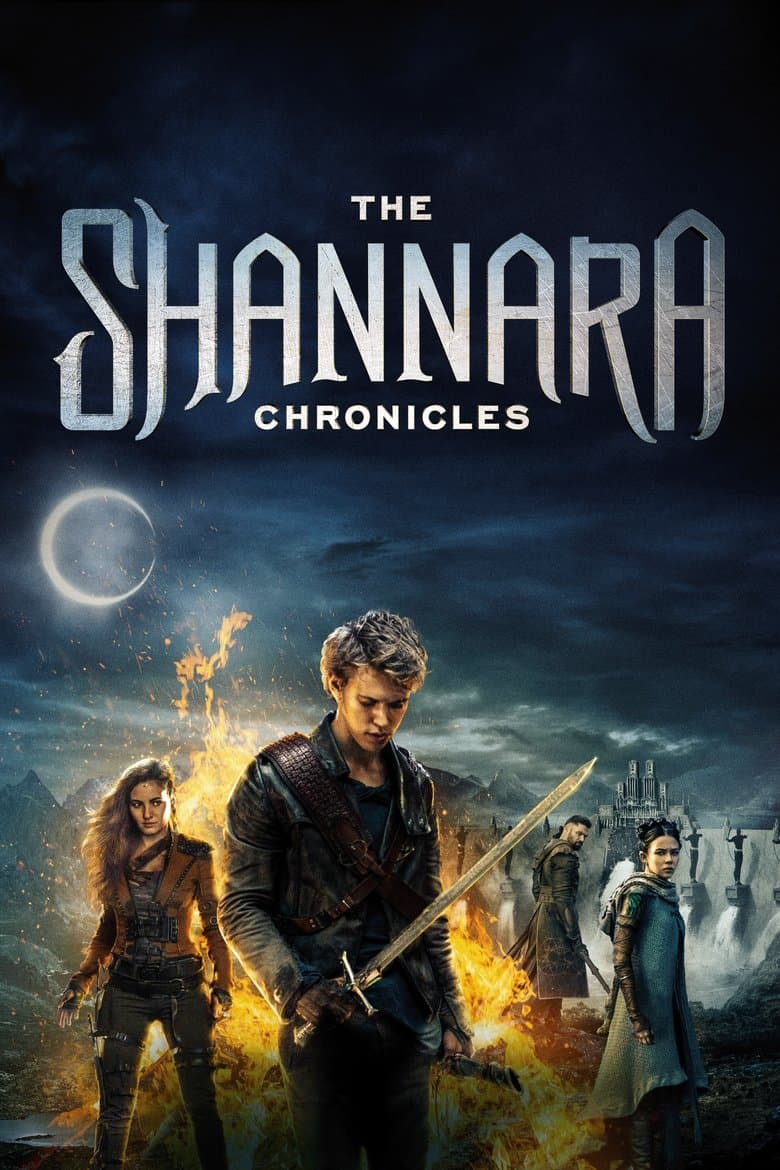
Started January 5, 2016 · Based on 2 seasons, 20 episodes · TV-14
The Shannara Chronicles follows Wil Ohmsford, a young healer who learns that his half-elf blood gives him dangerous magic. He joins Amberle, an elven princess chosen to protect the Ellcrys tree, and Eretria, a human Rover who knows how to survive on her own. The trio travels across the future Four Lands while demons try to break free and destroy the people who live there. Season 2 moves one year ahead and brings back the Warlock Lord while the Crimson hunts people who use magic. The show has a fast, colorful fantasy tone with romance, violence, sacrifice, and teen drama.
The clearest woke element is Eretria's bisexual identity, which shapes her relationships in both seasons. Season 1 shows her past with a female elf hunter and builds flirtation between her and Amberle, while season 2 gives her a girlfriend named Lyria. The later season also adds several prominent actors of color in new roles, and its Crimson plot shows a fascist hunt against people who use magic. These points are easy to see, but the main story still focuses on magic, demons, friendship, love, and heroic sacrifice.
Community feedback
Was our 59% Woke rating accurate?
Breakdown
These are the editorial factors and ratings behind our score for The Shannara Chronicles.
Woke representation / casting
Season 2 adds five prominent actors of color as Lyria, Mareth, Garet Jax, General Riga, and Queen Tamlin. The roles include a princess, a powerful magic user, a weapons master, a military leader, and a queen. Coverage tied this new pattern to the first season’s diversity criticism. The future setting makes the mix possible, but the repeated identity pattern is audience-visible.
44%
Woke political dialogue
Season 1 uses council debates and character speeches about prejudice between the Four Lands’ peoples. The creators compared one conflict with post-9/11 America and Guantanamo Bay. Season 2 shows the Crimson as a fascist group that hunts people who use or believe in magic. The show keeps these ideas inside the fantasy world, but its real-world political links are clear.
44%
Identity-driven story themes
Eretria is one of the three main heroes and is openly bisexual in the series. Season 1 gives her a past female relationship and builds flirtation with Amberle. Season 2 gives her a girlfriend, Lyria, who is also a major princess character. The show treats these relationships as part of normal life, while female courage and friendship drive much of the quest.
45%
Western institutional / cultural critique
The show presents rulers, councils, and military groups as institutions that can abuse power or persecute outsiders. The creators linked one story about torture and prejudice to Guantanamo Bay, post-9/11 America, and America’s duties to the world. Season 2 makes the Crimson a fascist force that targets magic users. This gives the show a clear Western institutional / cultural critique, although the fantasy quest remains more important.
39%
Woke character or canon changes
The TV show changes Eretria from the source story by making her bisexual and giving her female partners, including Lyria. The book’s main romance joins Wil and Eretria, while Amberle is not part of that romance. The show adds a love triangle and a much closer bond between Amberle and Eretria. Season 2 moves far from the books in its plot, but the identity changes are the clearest difference.
45%
Anti-woke backlash and complaints
One IMDb review called the bisexual change and race changes political correctness and said they damaged Terry Brooks’s story. That review is a clear anti-woke complaint about sexuality and casting. Wider reports focused on complaints that season 1 lacked diversity and on the season 2 casting response. The evidence for a larger anti-woke campaign is thin.
12%
Creator track record context
Most key creators and directors have mainstream fantasy or action backgrounds and no strong activist pattern. One credited writer, Javier Grillo-Marxuach, has discussed diversity and LGBTQ+ representation in earlier work, but he wrote only one episode. Gough and Millar also described this show’s prejudice and modern political links in interviews. The overall creator context is a small signal, not a dominant pattern.
18%
Production
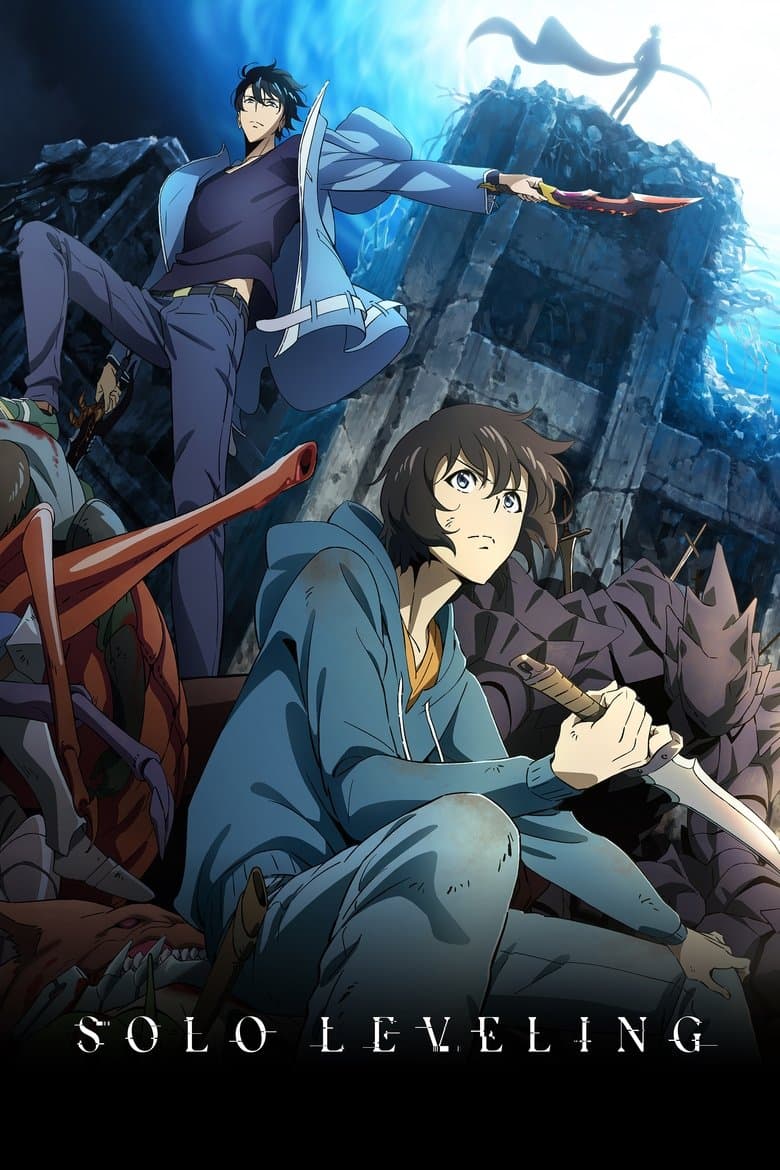
TV Show · 2024
They say whatever doesn’t kill you makes you stronger, but that’s not the case for the world’s weakest hunter Sung Jinwoo.
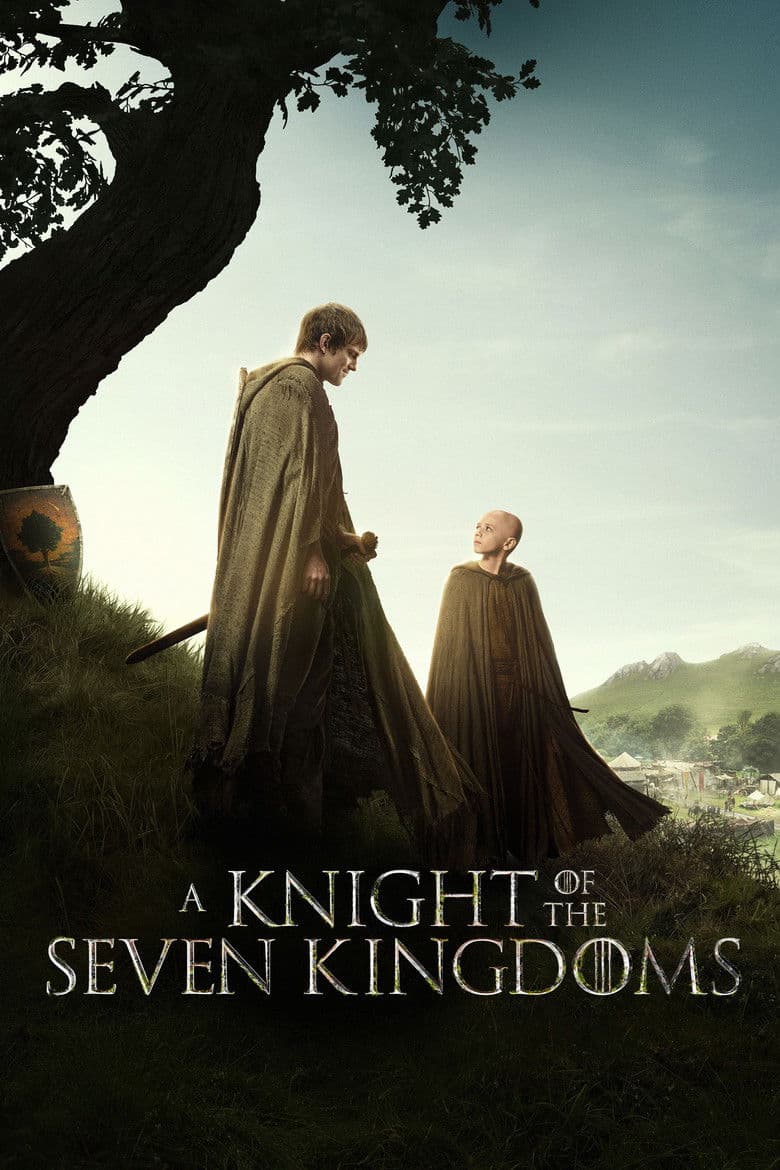
TV Show · 2026
A century before the events of Game of Thrones, two unlikely heroes wandered Westeros: a young, naive but courageous knight, Ser Duncan the Tall, and his diminutive squire, Egg.
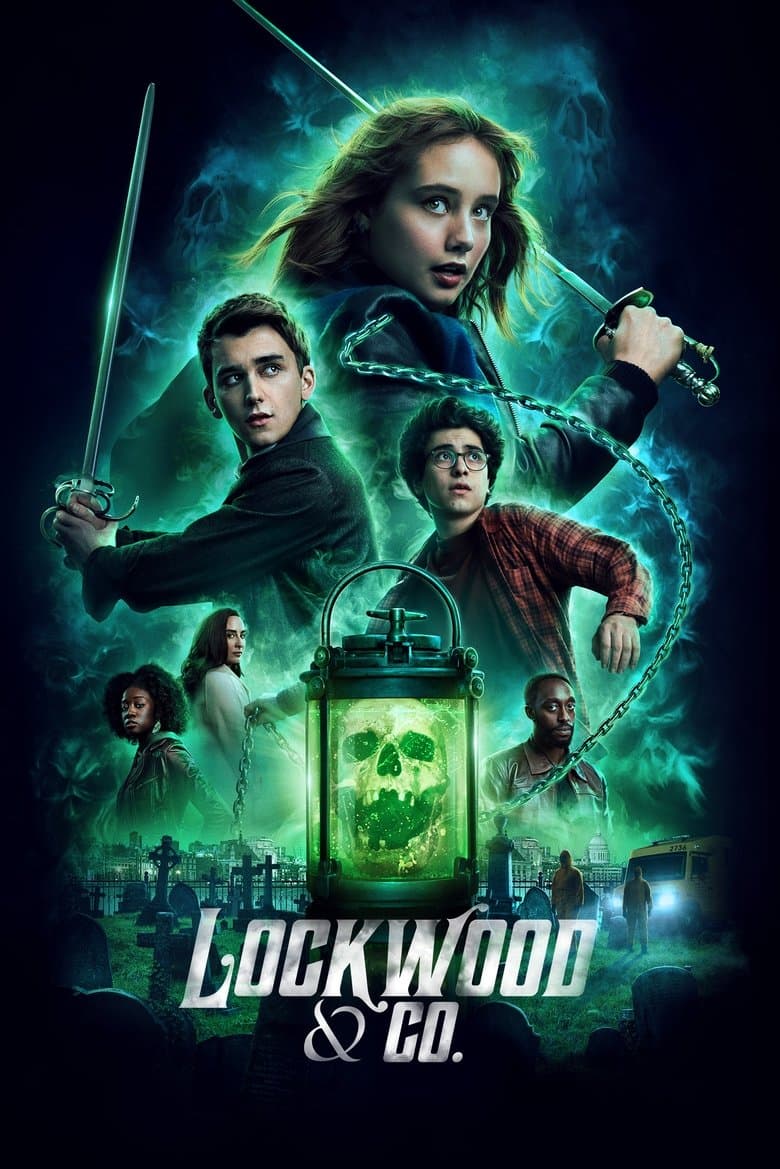
TV Show · 2023
A girl with extraordinary psychic abilities joins two gifted teen boys at a small ghost-hunting agency to fight the many deadly spirits haunting London.
TV Show · 2016
After a traffic accident, Kazuma Sato’s disappointingly brief life was supposed to be over, but he wakes up to see a beautiful girl before him.
TV Show · 2024
In a world plagued by creatures known as Kaiju, Kafka Hibino aspired to enlist in The Defense Force. He makes a promise to enlist with his childhood friend, Mina Ashiro.
TV Show · 2019
In the dark, early days of a zombie apocalypse, complete strangers band together to find the strength they need to survive and get back to loved ones.
TV Show · 2023
After the party of heroes defeated the Demon King, they restored peace to the land and returned to lives of solitude.
TV Show · 2021
When a 34-year-old underachiever gets run over by a truck, his story doesn't end there. Reincarnated in a new world as an infant, Rudy will seize every opportunity to live the…
