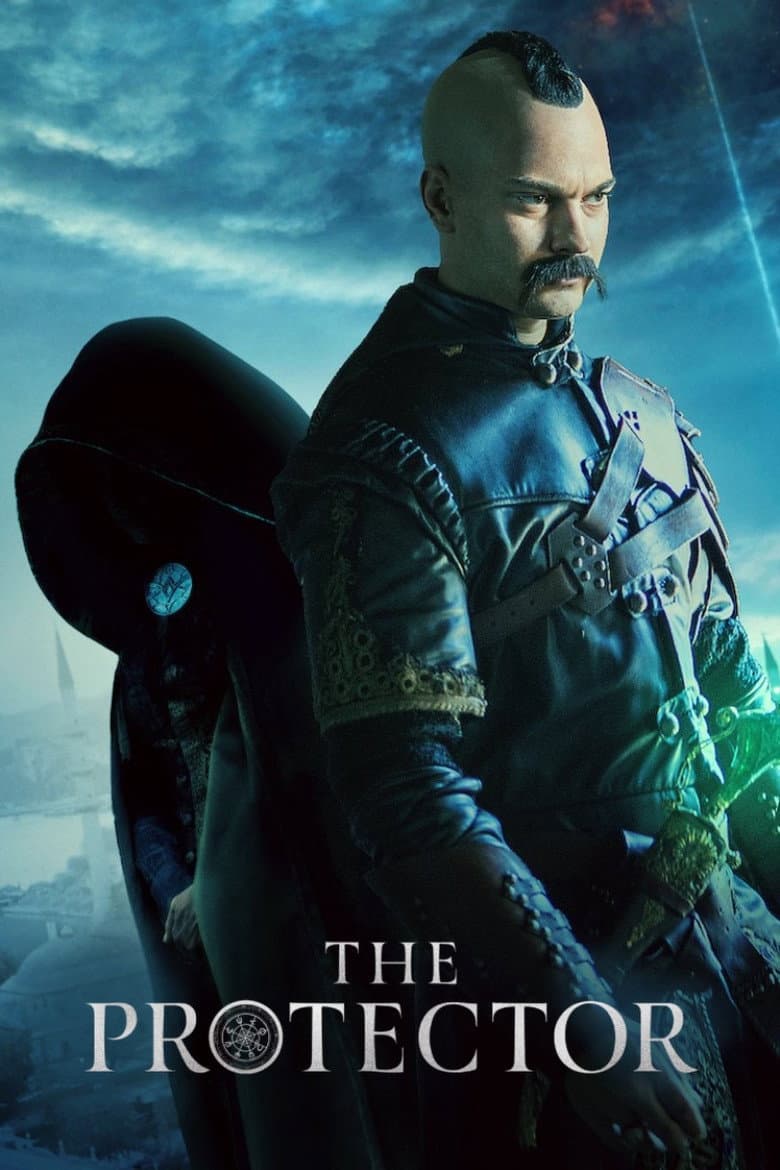
Started December 14, 2018 · Ended · Based on 4 seasons, 32 episodes through July 9, 2020 · TV-MA · 45 min · Turkish
Hakan Demir works in his family's antique shop in modern Istanbul and dreams of building a better life. After his adoptive father is killed, Hakan learns that he belongs to an old order that protects the city from immortal enemies. A magic shirt, ring, and dagger give him the tools to fight while he learns to accept a duty he never wanted. The four seasons mix superhero action, romance, secret history, and time travel, with a serious but often over-the-top tone.
The show gives women important roles beside the male hero. Zeynep trains Hakan, leads the Loyal Ones, saves him many times, and becomes a major part of the final conflict. Leyla works inside a major company, Nisan is a chemist and powerful enemy, and the Oracle guides the fight, so female skill and control return throughout the series. A brief same-sex kiss in season four adds clear LGBTQ content, but the main story remains a Turkish fantasy about duty, love, fate, and the fight between humans and immortals.
Community feedback
Was our 55% Woke rating accurate?
Breakdown
These are the editorial factors and ratings behind our score for The Protector.
Woke representation / casting
The main cast is Turkish, which fits a story set in Istanbul. The show repeatedly gives prominent women unusual control over the action. Zeynep trains Hakan, leads the Loyal Ones, and often rescues him. Leyla works inside a major company, Nisan is a chemist and major enemy, and the Oracle guides important choices. The male Hakan remains the chosen hero, and the show does not use diversity-first marketing.
38%
Woke political dialogue
The dialogue includes direct gender-role statements. Zeynep says she is a warrior, not a babysitter, and Leyla tells her that she does not need a man's support. Other dialogue centers on duty, loyalty, romance, and survival. The gender lines are brief and do not form a continuing political debate.
24%
Identity-driven story themes
Zeynep is repeatedly shown as a skilled fighter and one of the order's leaders. She trains Hakan, saves him, plans missions, and is shown as more reliable than he is. The final seasons make her central by giving her a dark turn, special powers, and a key role in the ending. Hakan remains the chosen male hero, but the recurring female-dominance pattern is a major side story.
52%
Western institutional / cultural critique
Not present. The show includes a corrupt police officer and a wealthy villain, but these serve the fantasy plot. It does not build a modern activist attack on Western institutions, capitalism, patriarchy, or religion.
0%
Woke character or canon changes
Not relevant. The show keeps a young male Protector at the center. The book's hero was renamed from Yavuz to Hakan, but that is not an identity change.
0%
Anti-woke backlash and complaints
Turkish media reported a complaint about a season four scene in which two women kiss. An RTÜK official replied online that the council had watched the scene, which signaled possible censorship. This was a clear anti-LGBT complaint tied to the show, but the coverage points to a small dispute rather than a large organized campaign. Other audience complaints focused on weak writing and Hakan's poor choices, not woke politics.
32%
Creator track record context
Binnur Karaevli's earlier work often explores identity, cultural pressure, and women's lives. N. İpek Gökdel's writing repeatedly focuses on women facing social pressure. Can Evrenol's horror work returns to gender, male violence, and power, although he is mainly a genre filmmaker. Jason George has little public record centered on activism or identity politics. The combined record supports a moderate signal, not a strong activist one.
50%
Production
TV Show · 2021
After encounters with a dragon and a princess on her own mission, a Dragon Knight becomes embroiled in events larger than he could have ever imagined.
TV Show · 2023
After washing ashore in France, Daryl struggles to piece together how he got there and why, as he navigates a fractured, walker-infested landscape to find his way home.
TV Show · 2023
Maggie and Negan travel to post-apocalyptic Manhattan - long ago cut off from the mainland. The crumbling city is filled with the dead and denizens who have made it a world full…
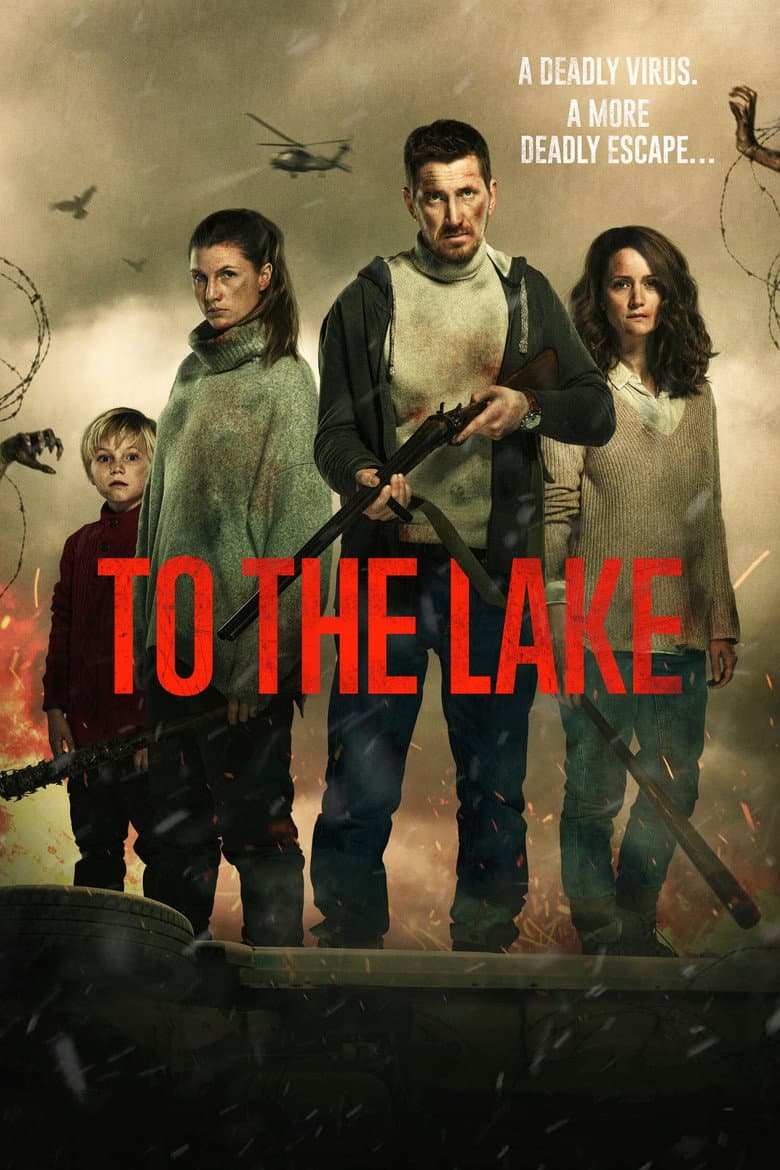
TV Show · 2019
A grim drama that unfolds against the backdrop of a global catastrophe. An unknown new virus turns Moscow into a city of the dead.
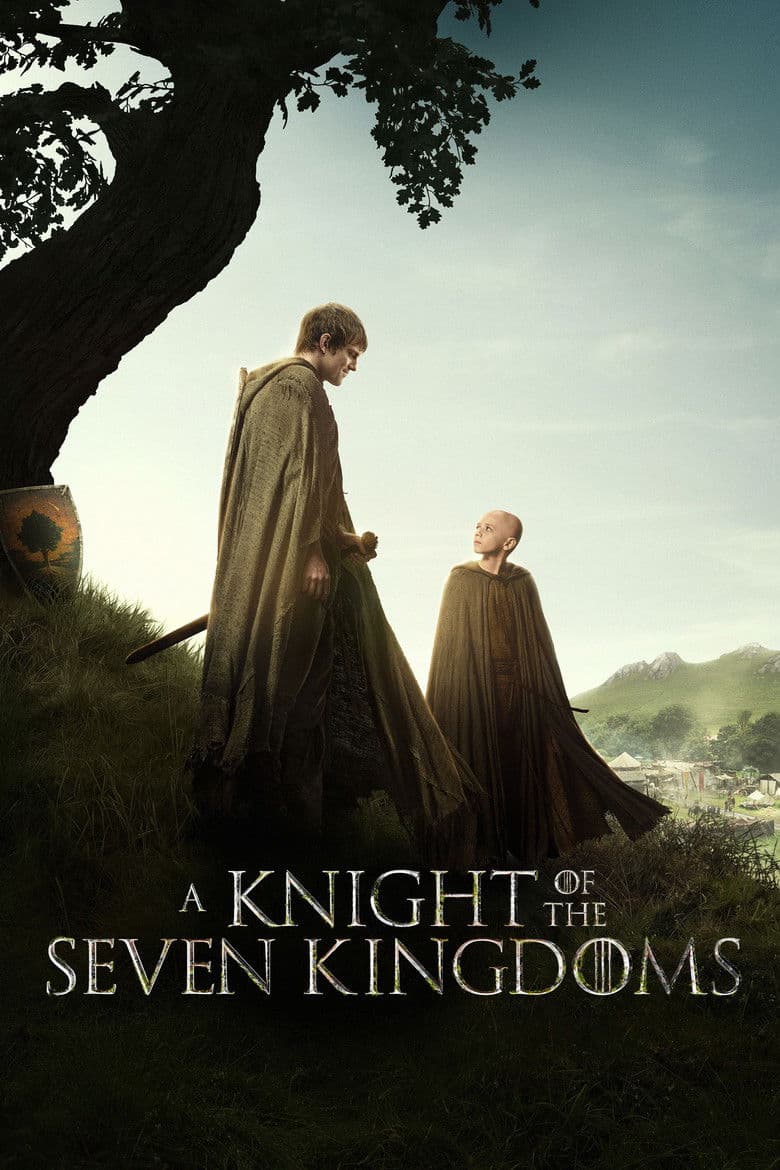
TV Show · 2026
A century before the events of Game of Thrones, two unlikely heroes wandered Westeros: a young, naive but courageous knight, Ser Duncan the Tall, and his diminutive squire, Egg.
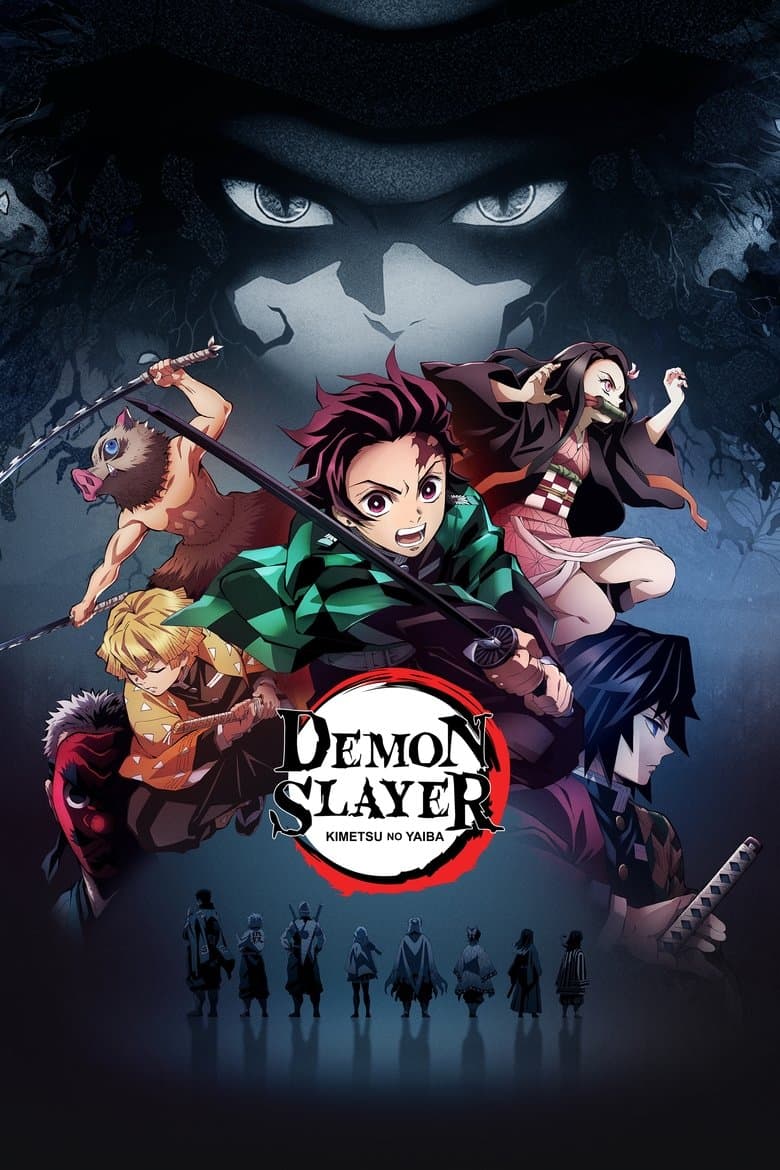
TV Show · 2019
After a demon attack leaves his family slain and his sister cursed, Tanjiro embarks upon a perilous journey to find a cure and avenge those he's lost.
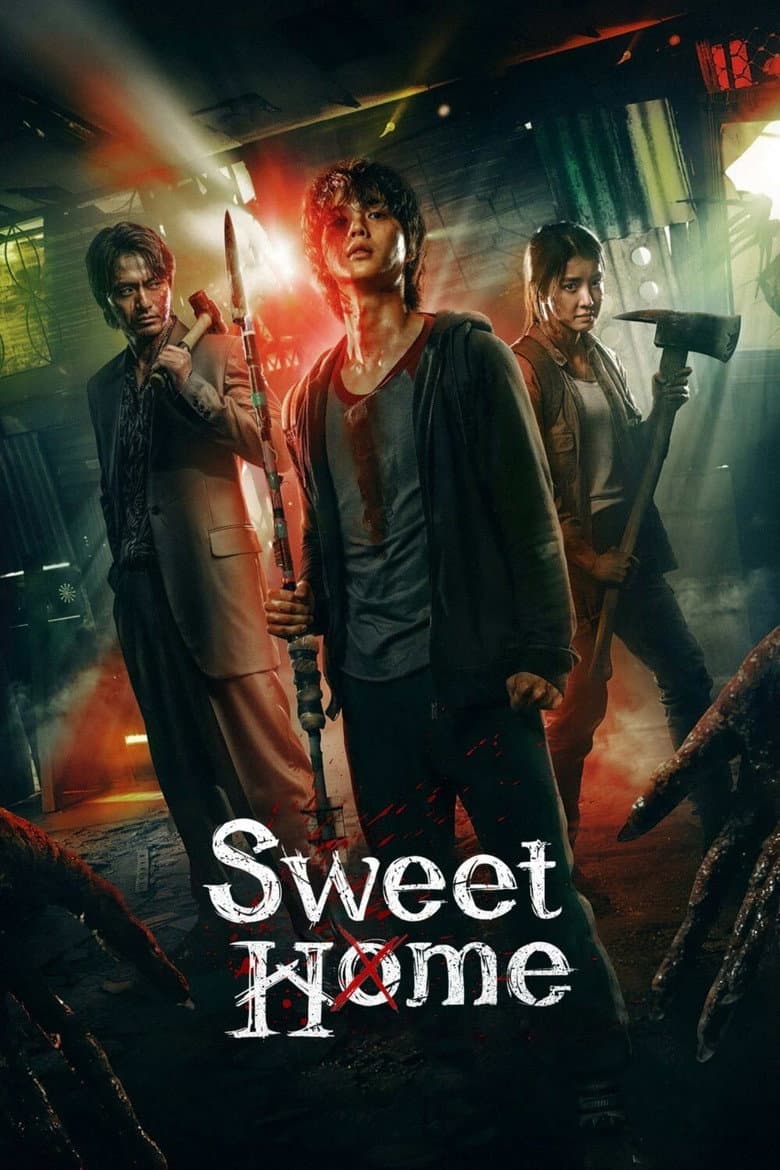
TV Show · 2020
As humans turn into savage monsters and the world plunges into terror, a handful of survivors fight for their lives — and to hold on to their humanity.
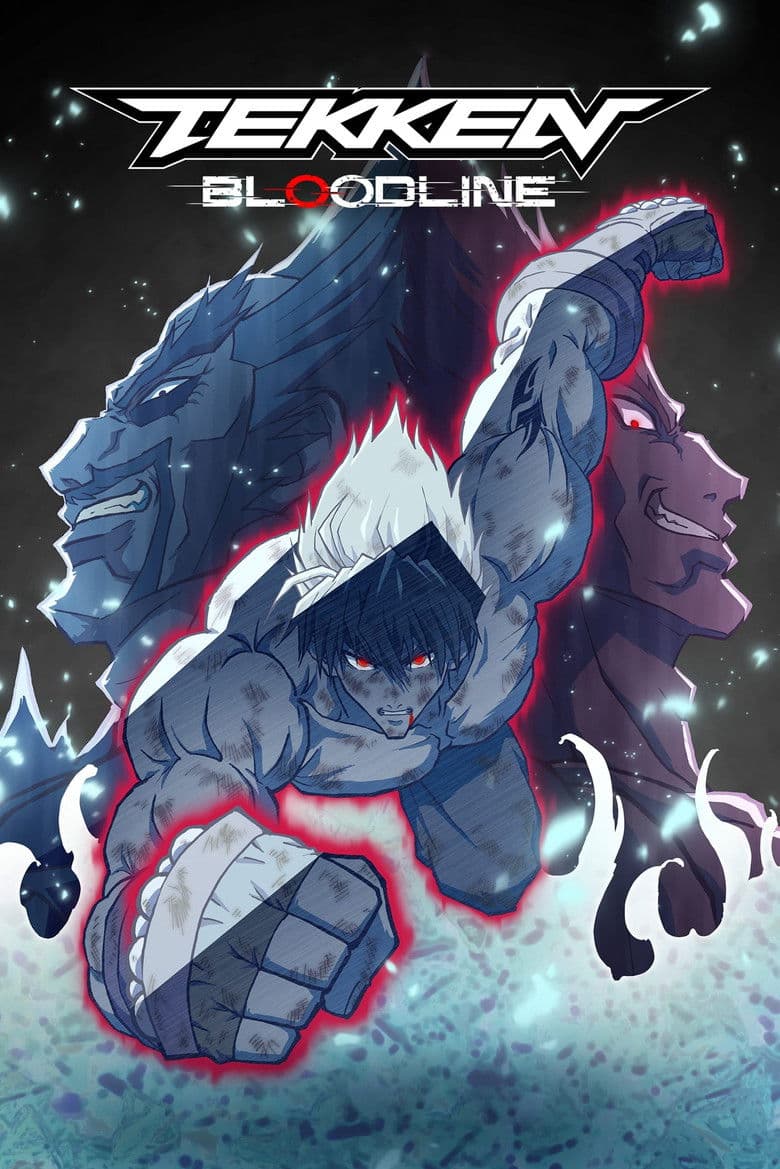
TV Show · 2022
After losing his home to a powerful enemy, a hot-tempered fighter trains under his zealous grandfather while awaiting his chance for revenge.
