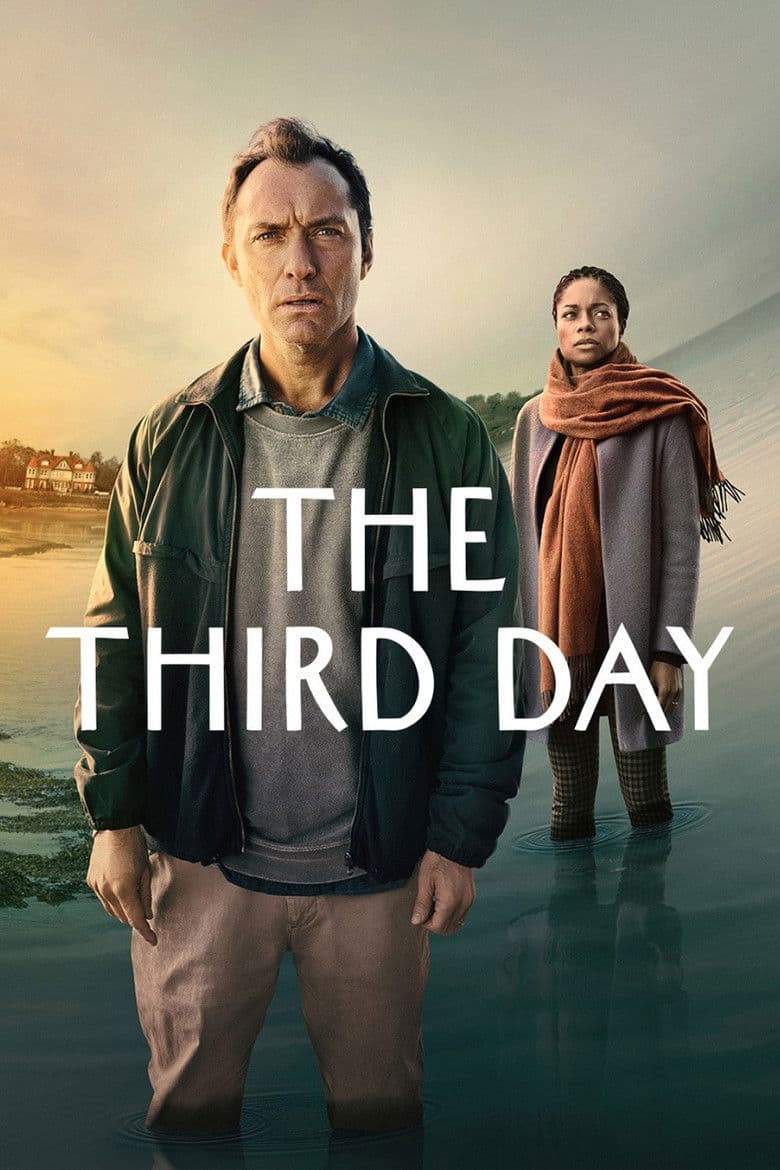
Started September 14, 2020 · Ended · Based on 1 season, 6 episodes through October 19, 2020 · TV-MA · 60 min
The Third Day follows Sam, a grieving father who drives to Osea, a small island off the British coast, after saving a teenage girl. The tide cuts the island off, and its people pull Sam into a festival built around old rites, secret rules, and dangerous stories. Sam sees visions of his dead son while the islanders demand that he accept their world. Nine months later, Helen arrives with her two daughters to find Sam and learn what happened to their family. The show is a slow, strange folk-horror mystery about grief, family, faith, and violence.
Winter gives the story a new center by following Helen as she faces the island’s leaders, a troubled childbirth, and a fight for control. Helen works as a vet, protects her daughters, and relies on facts while Sam gives himself to Osea’s myths. The live Autumn episode shows Sam suffering through a long ritual that tests his body and his place as the island’s leader. The series uses pagan symbols, biblical echoes, and ideas about rebirth, but it does not turn them into a modern political cause. Its main message stays focused on how parents react to the death of a child and how closed traditions can hide cruelty.
Community feedback
Was our 7% Woke rating accurate?
Breakdown
These are the editorial factors and ratings behind our score for The Third Day.
Woke representation / casting
Not present. The show places a black British mother and her daughters at the center of the Winter story in a modern British setting. The story does not make their race an issue or present the casting as a diversity message.
0%
Woke political dialogue
Not present. The characters discuss money, police, family, religion, and the island’s rules. The show does not use modern activist or identity-based political dialogue.
0%
Identity-driven story themes
Not present. The story follows grief, parenthood, mental illness, faith, pagan ritual, and family conflict. The show does not build its main plot around race, gender, sexuality, or a modern identity cause.
0%
Western institutional / cultural critique
Not present. Osea’s secret rituals and violent leaders are treated as a danger inside a closed island group. The show does not turn that danger into a modern attack on Western institutions, gender roles, or conservative culture.
0%
Woke character or canon changes
Not relevant. The show is an original story about Osea Island, not an adaptation of a known character or canon. Its invented island history supports the mystery and does not change a known character or real event.
0%
Anti-woke backlash and complaints
Not present. The supplied X search found no anti-woke complaints, defenses against woke charges, or boycott signals. Wider audience discussion focused on the slow pace, confusing plot, and unusual live episode.
0%
Creator track record context
Philippa Lowthorpe has a repeated focus on women’s stories and gender inequality. Shaheen Baig is known for inclusive casting, and Kit de Waal campaigns for working-class representation. Dennis Kelly has a moderate social-issue record, while Felix Barrett and most listed producers have low or mixed signals. This gives the project a noticeable creator-context signal, but it does not show a strong activist pattern across the whole team.
35%
Production
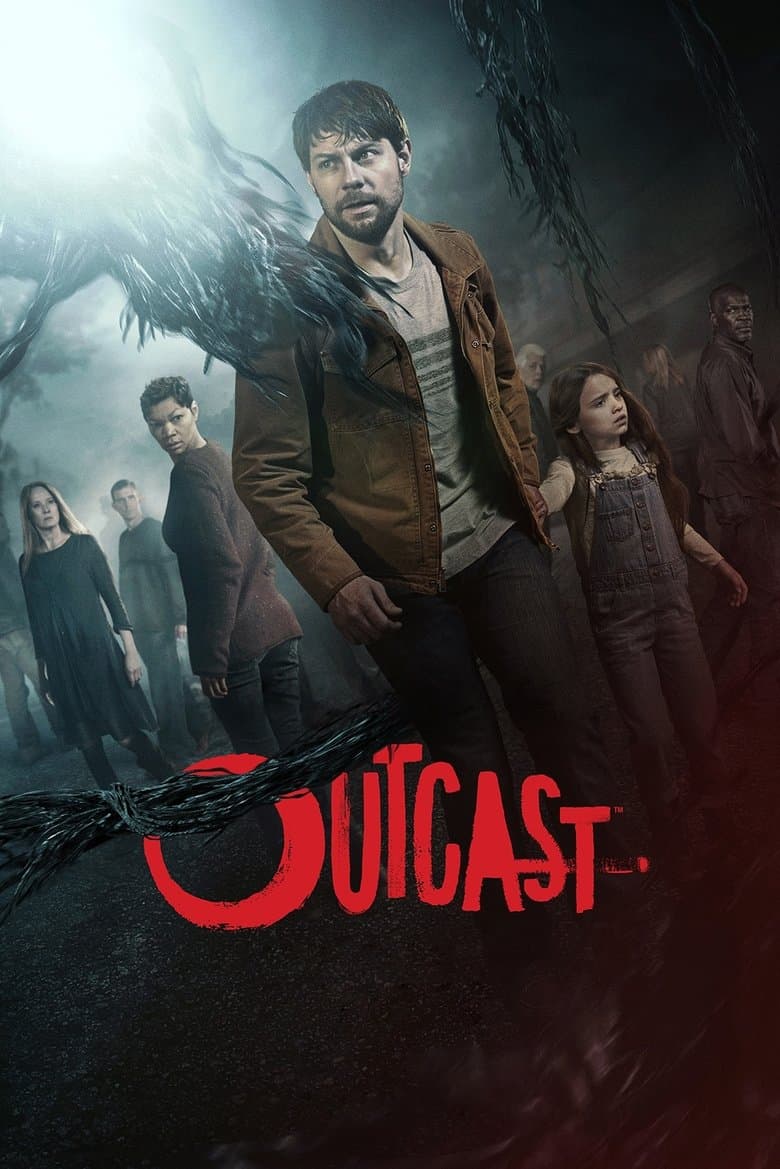
TV Show · 2016
Kyle Barnes has been plagued by possession since he was a child. Now an adult, he embarks on a spiritual journey to find answers, but what he uncovers could mean the end of life…
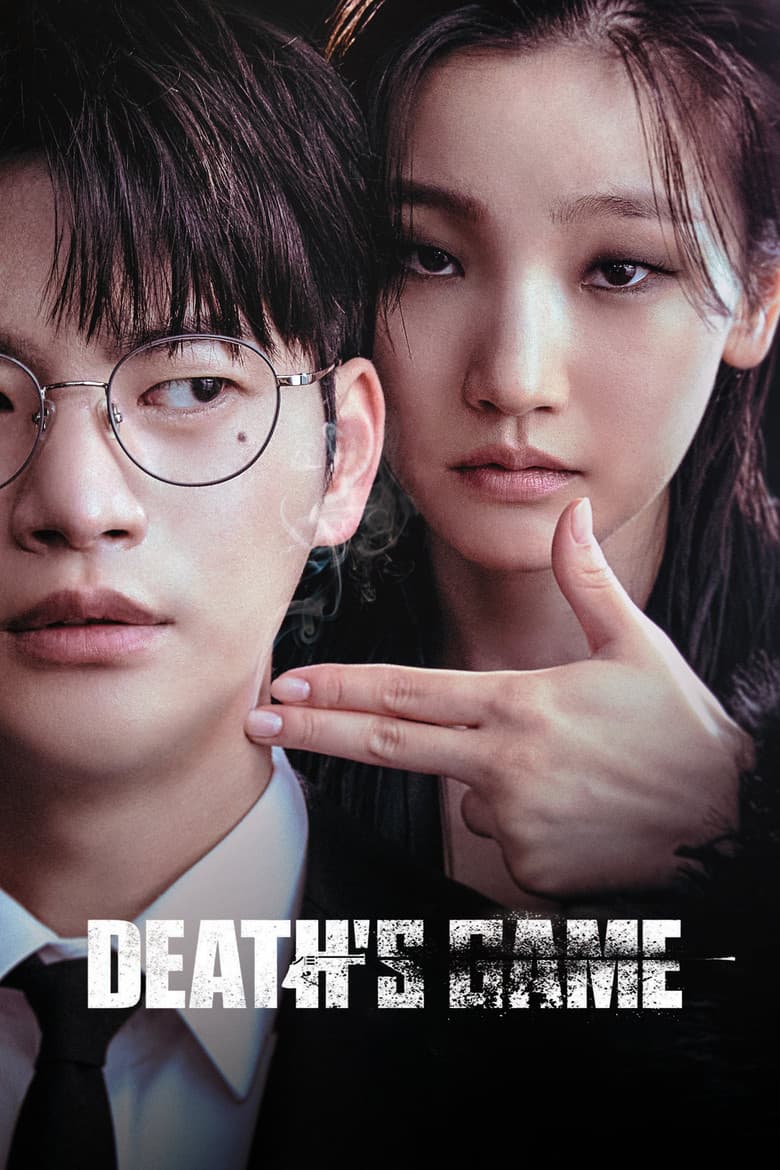
TV Show · 2023
At the brink of going to hell, Yee-jae must cycle through twelve separate lives and twelve separate deaths in this reincarnation drama.
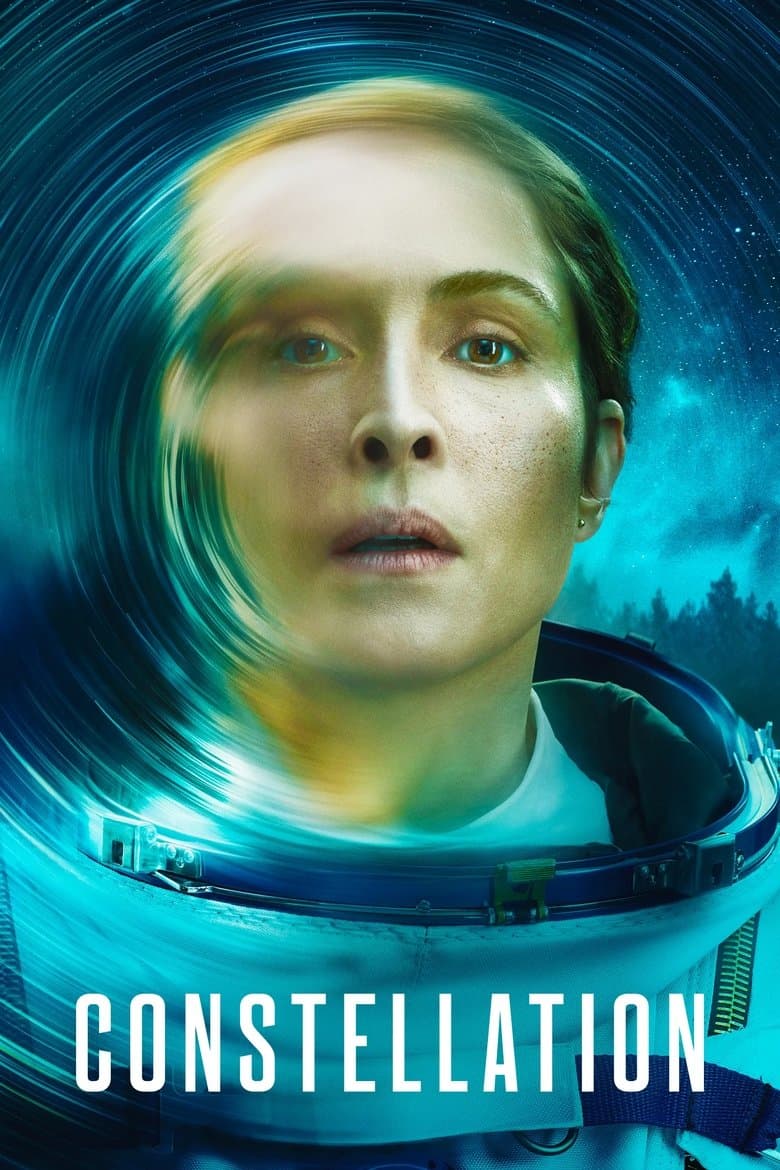
TV Show · 2024
When a fatal accident occurs on board the International Space Station, a lone astronaut makes the heroic journey back to Earth, only to discover key pieces of her life—including…
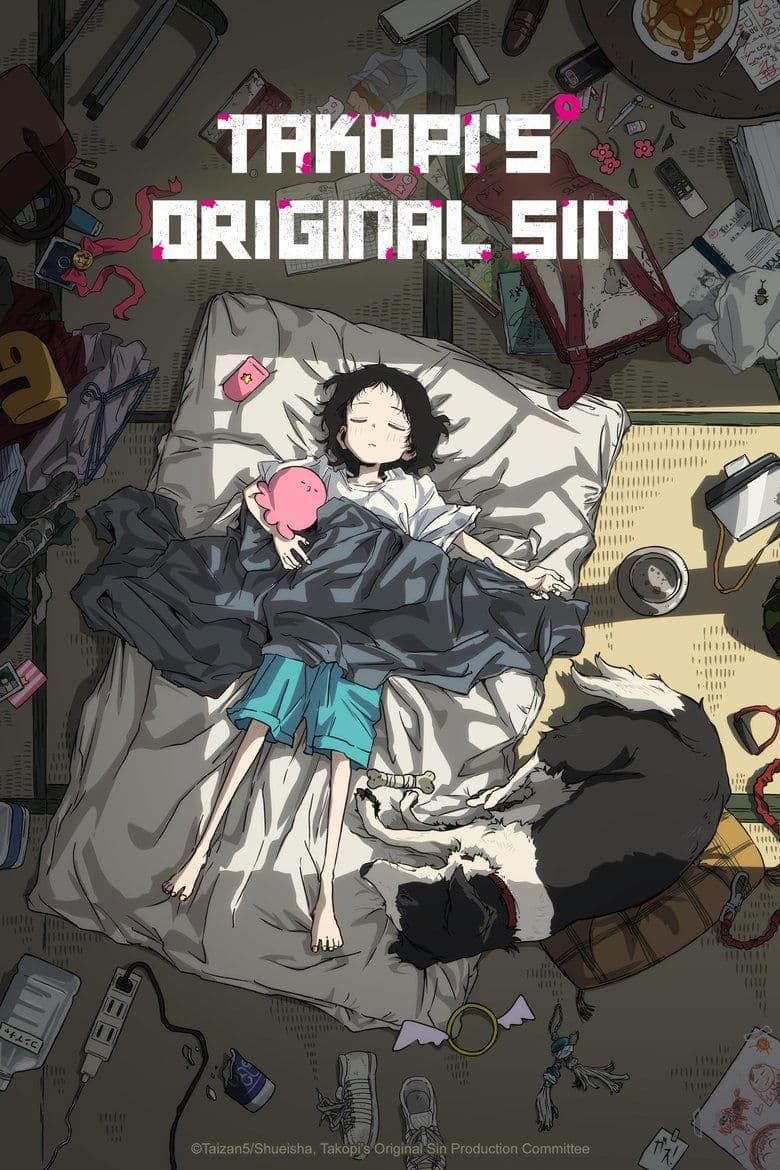
TV Show · 2025
A Happy alien, Takopi, lands on Earth with one mission: to spread happiness! When he meets Shizuka, a lonely fourth grader, he vows to bring back her smile using his magical Happy…
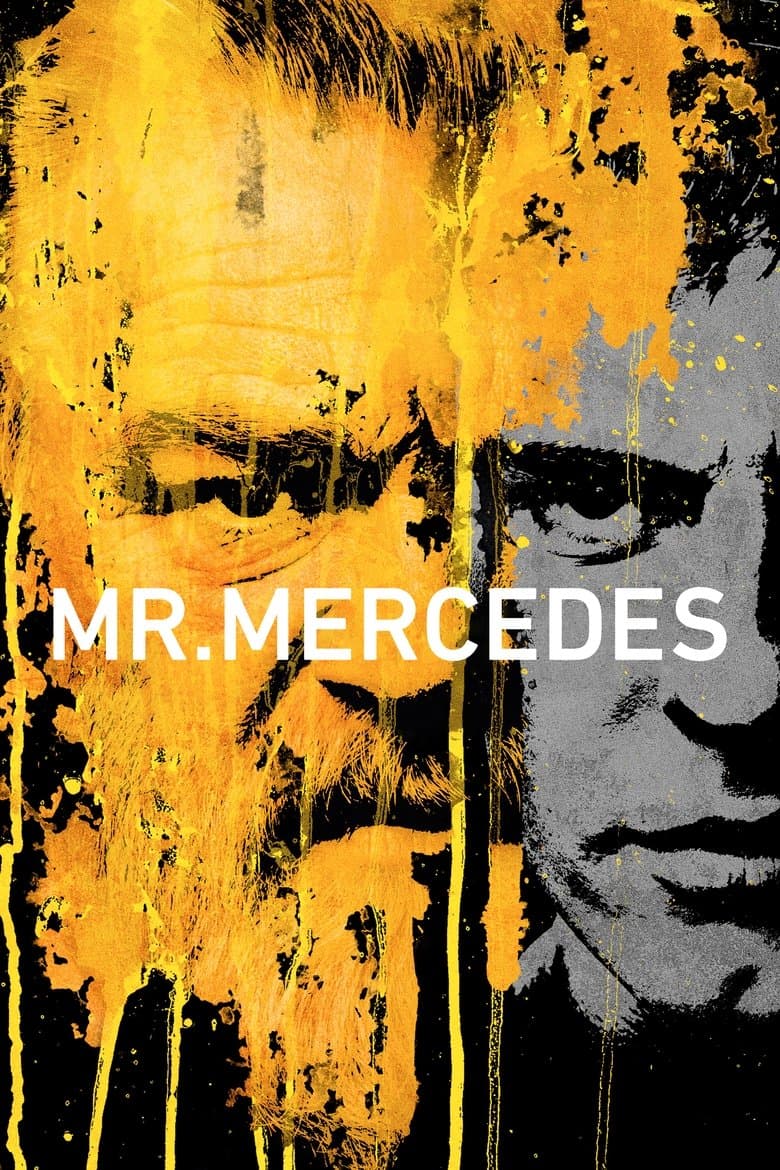
TV Show · 2017
A demented serial killer taunts a retired police detective with a series of lurid letters and emails, forcing the ex-cop to undertake a private, and potentially felonious, crusade…
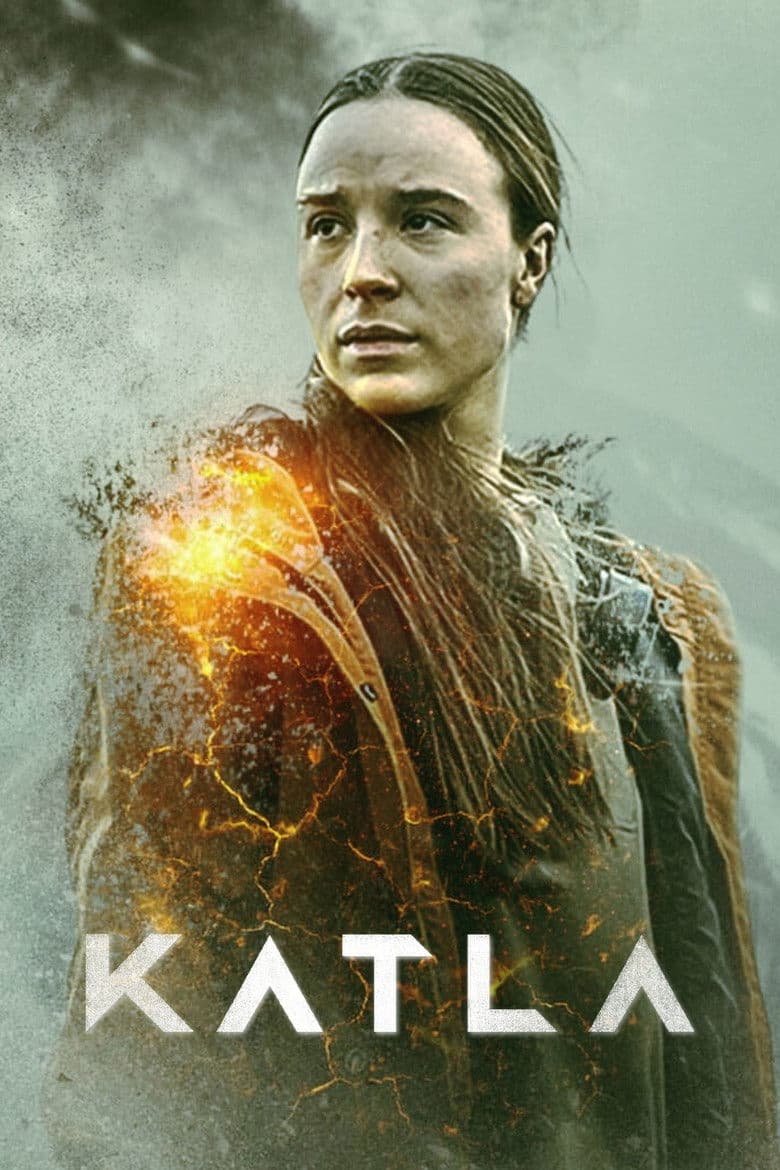
TV Show · 2021
A year after a subglacial volcano erupts, mysterious elements from prehistoric times emerge from the melting ice, bringing unforeseen consequences.
TV Show · 2021
Interconnected phone conversations chronicle the mysterious story of a group of strangers whose lives are thrown into disarray in the lead-up to an apocalyptic event.
TV Show · 2021
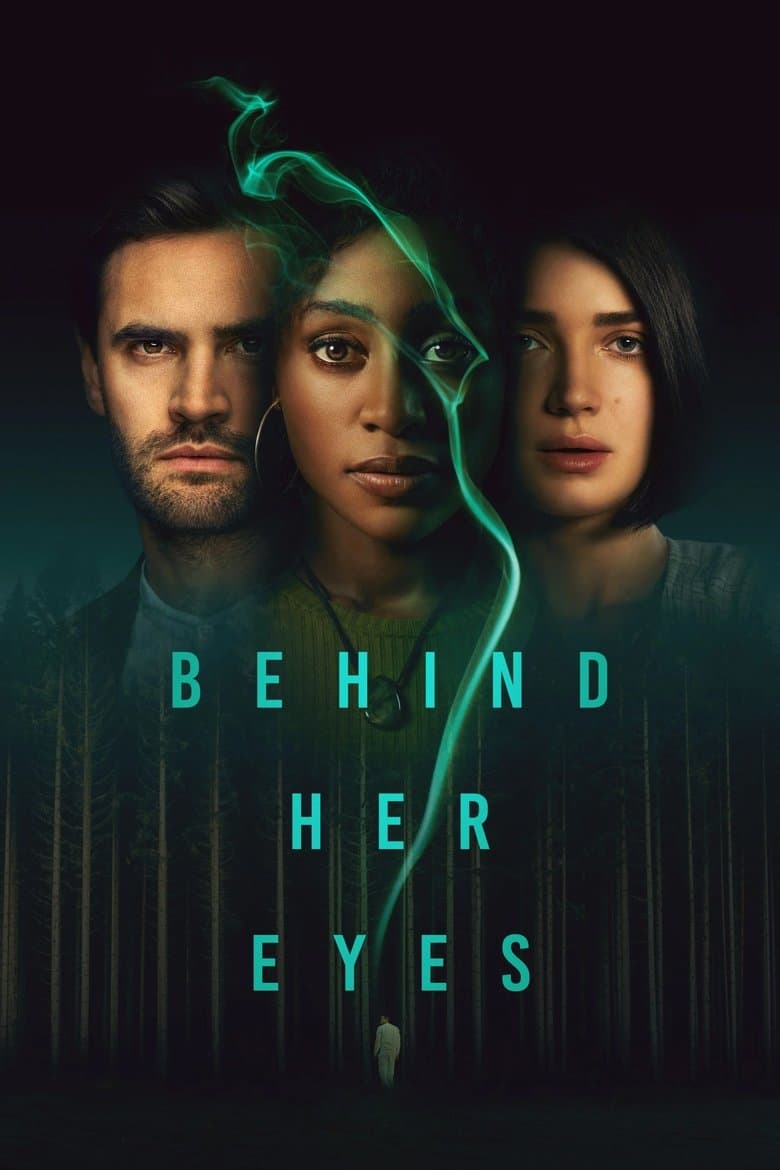
A single mother enters a world of twisted mind games when she begins an affair with her psychiatrist boss while secretly befriending his mysterious wife.
