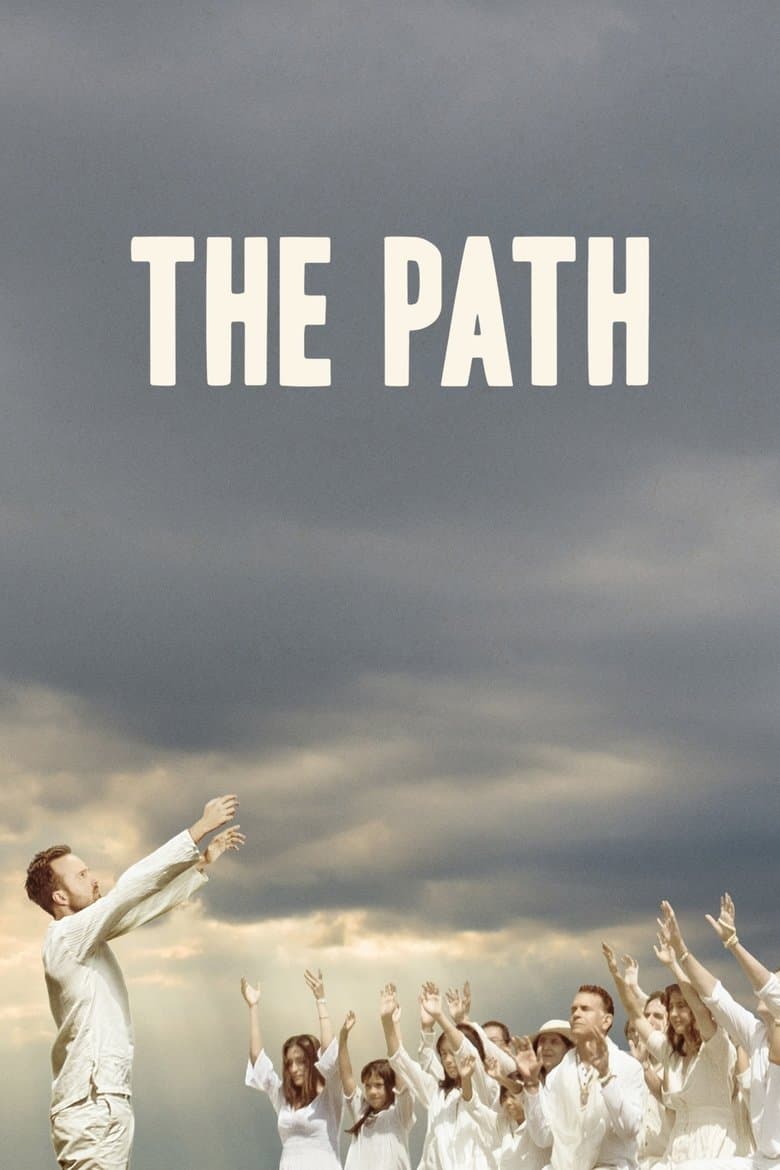
Started March 30, 2016 · Canceled · Based on 3 seasons, 36 episodes through March 28, 2018 · TV-MA · 60 min
The Path follows Eddie Lane, a husband and father who returns from a spiritual retreat with serious doubts about Meyerism. He lives with his wife Sarah and their children inside the movement's upstate New York community. Eddie's doubts place him between his family, the group's leaders, and his own search for truth. Sarah remains a loyal leader, while Cal fights to control the movement. The tone is slow, tense, strange, and often dark.
Across all three seasons, the show keeps its main focus on faith, family, power, and the damage caused by a closed religious group. The Lanes' son Hawk has a same-sex relationship with Caleb, a Christian youth who is sent to conversion therapy. Eddie and Hawk try to bring Caleb out, and the story treats the program as cruel and harmful. Several episodes also take clear positions on current fights about immigration, race, abortion, and groups that feel shut out. These scenes are visible, but they are smaller than the ongoing cult story.
Community feedback
Was our 59% Woke rating accurate?
Breakdown
These are the editorial factors and ratings behind our score for The Path.
Woke representation / casting
Not present. The main characters are chosen for their place in Meyerism and the Lane family story. The show includes minority characters, but it does not make diversity or identity a plot point.
0%
Woke political dialogue
Season 2 gives Samuel a speech about systemic racism and income inequality while Hawk is held in juvenile detention. Season 3 has Eddie speak about marginalized groups in a politically divided nation and use open gates as an answer to rising walls. Season 3 also shows a campaign message that calls abortion rights a righteous fight. Season 1 adds a scene about immigration and a Catholic church, so political language returns in several seasons.
44%
Identity-driven story themes
Season 3 gives Hawk a same-sex relationship with Caleb, the son of a Christian preacher. The boys kiss, have sex, visit an LGBT-friendly church, and face pressure from Caleb's father. Caleb is sent to conversion therapy, and Eddie and Hawk try to bring him back. This is a recurring late-season subplot, but faith, family, and cult power still drive the series.
44%
Western institutional / cultural critique
Across the seasons, Meyerism uses confession, blackmail, punishment, and family separation to control members. Season 1 also mocks organized religion through an exchange about Catholicism. Season 2 links prison treatment to systemic racism and income inequality, while season 3 presents a Christian conversion center as another abusive cult. The show also treats anti-Trump language and abortion-rights advocacy as morally positive, so modern cultural criticism returns in several episodes.
48%
Woke character or canon changes
Not relevant. The show is an original story about the fictional Meyerist Movement. No established character, canon, or historical event is changed for identity reasons.
0%
Anti-woke backlash and complaints
NewsBusters published several complaints about the show. One article attacked a scene about immigration and Catholicism. Other articles objected to dialogue about systemic racism and income inequality, anti-Trump language, and abortion rights. The complaints were clear anti-woke reactions, but they came from a small conservative outlet and did not become a broad controversy.
30%
Creator track record context
Cached context rates Jessica Goldberg at 59/100 and producer Jason Katims at 62/100 for progressive themes and representation work. Cached context rates writer Andrew Hinderaker at 60/100 and director Stacie Passon at 72/100 because of disability and LGBTQ-focused work. Other credited writers and directors have lower or unclear scores. This gives the show meaningful supporting context, but the title itself remains mainly a faith and family drama.
53%
Production
TV Show · 2026
Rip Wheeler and Beth Dutton gamble everything on a new life in South Texas, but the promise of building a future far from the ghosts of Yellowstone quickly collides with brutal…
TV Show · 2020
A wary CIA officer investigates a charismatic man who sparks a spiritual movement and stirs political unrest. Who exactly is he? And what does he want?
TV Show · 2024
The powerful real-life story of Lali Sokolov, a Jewish prisoner who was tasked with tattooing ID numbers on prisoners' arms in the Auschwitz-Birkenau concentration camp during…
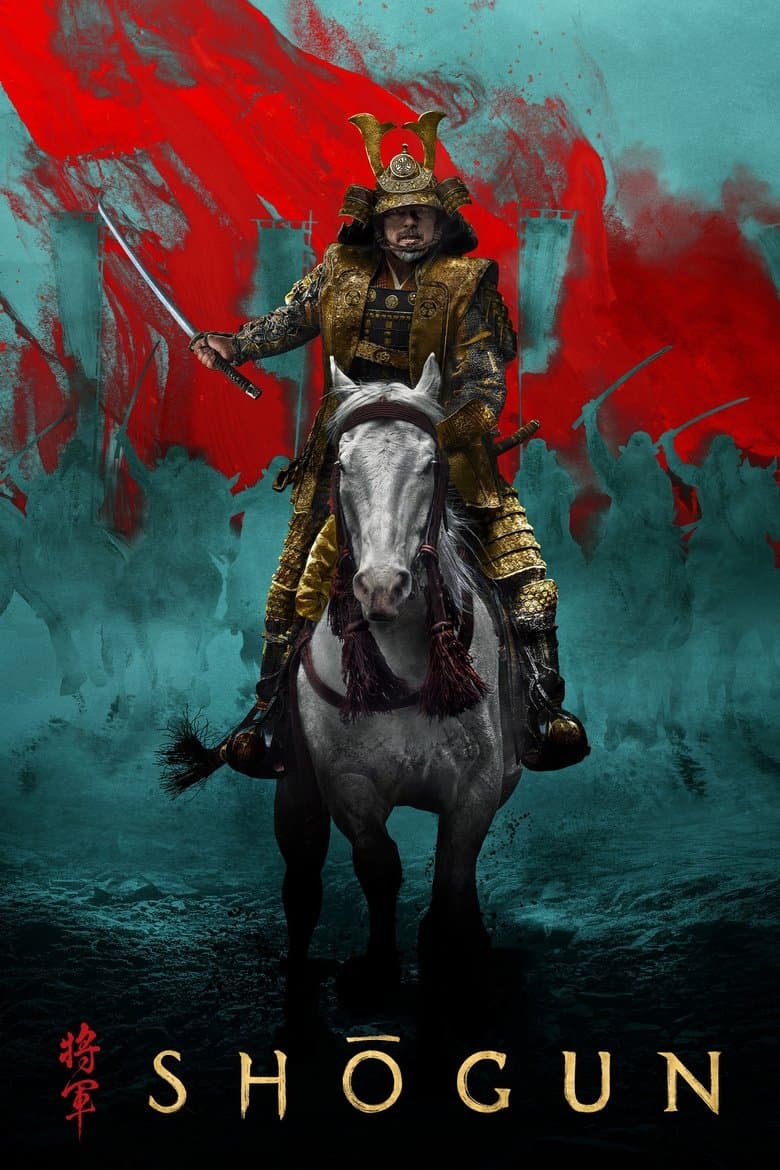
TV Show · 2024
In Japan in the year 1600, at the dawn of a century-defining civil war, Lord Yoshii Toranaga is fighting for his life as his enemies on the Council of Regents unite against him…
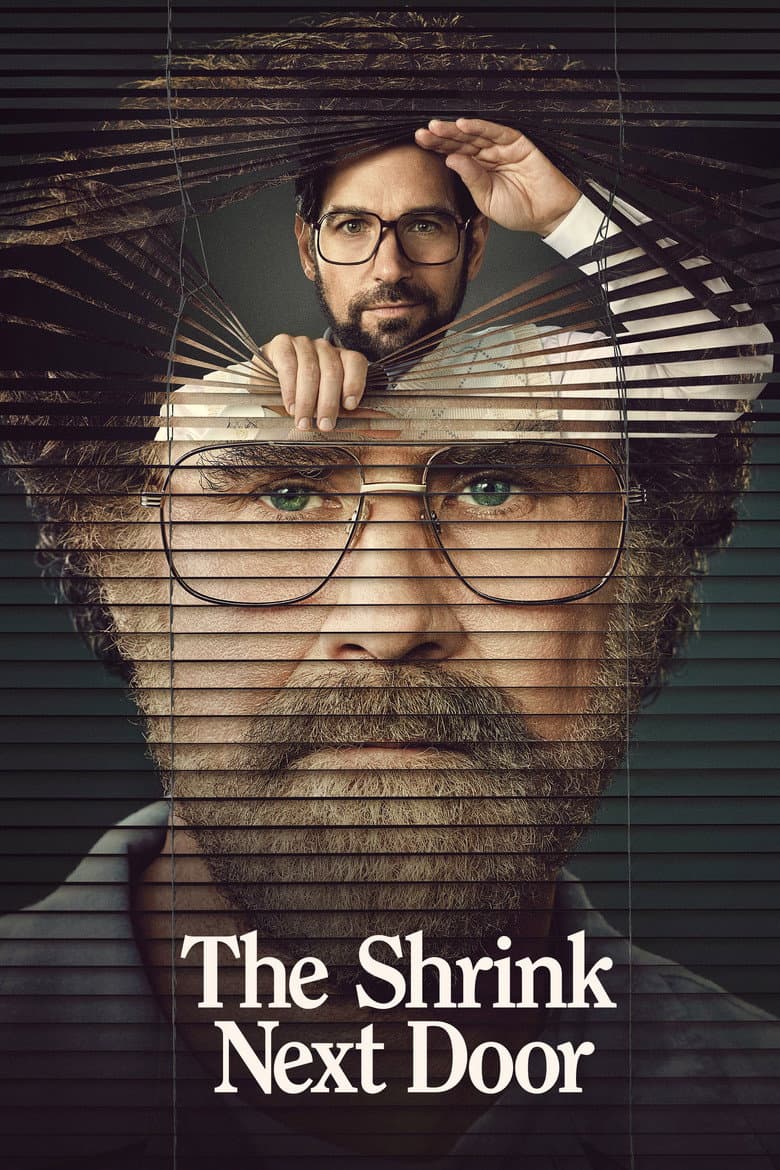
TV Show · 2021
Inspired by the true story of Marty and the therapist who turned his life around...then took it over. When he first meets Dr. Ike, Marty just wants to get better at boundaries.

TV Show · 2026
The Clyburns uproot their comfortable New York City lives to the wild, untamed beauty of Montana's Madison River Valley on a search for connection.
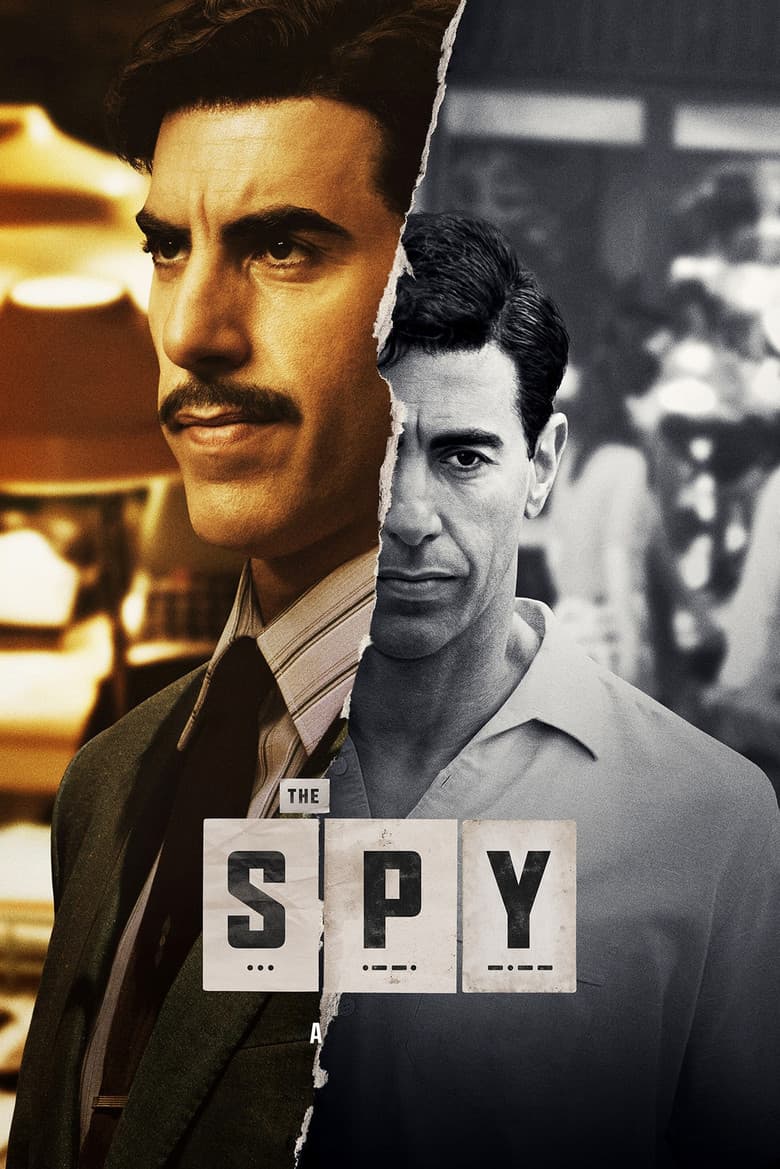
TV Show · 2019
In the 1960s, Israeli clerk-turned-secret agent Eli Cohen goes deep undercover inside Syria on a perilous, years-long mission to spy for Mossad.
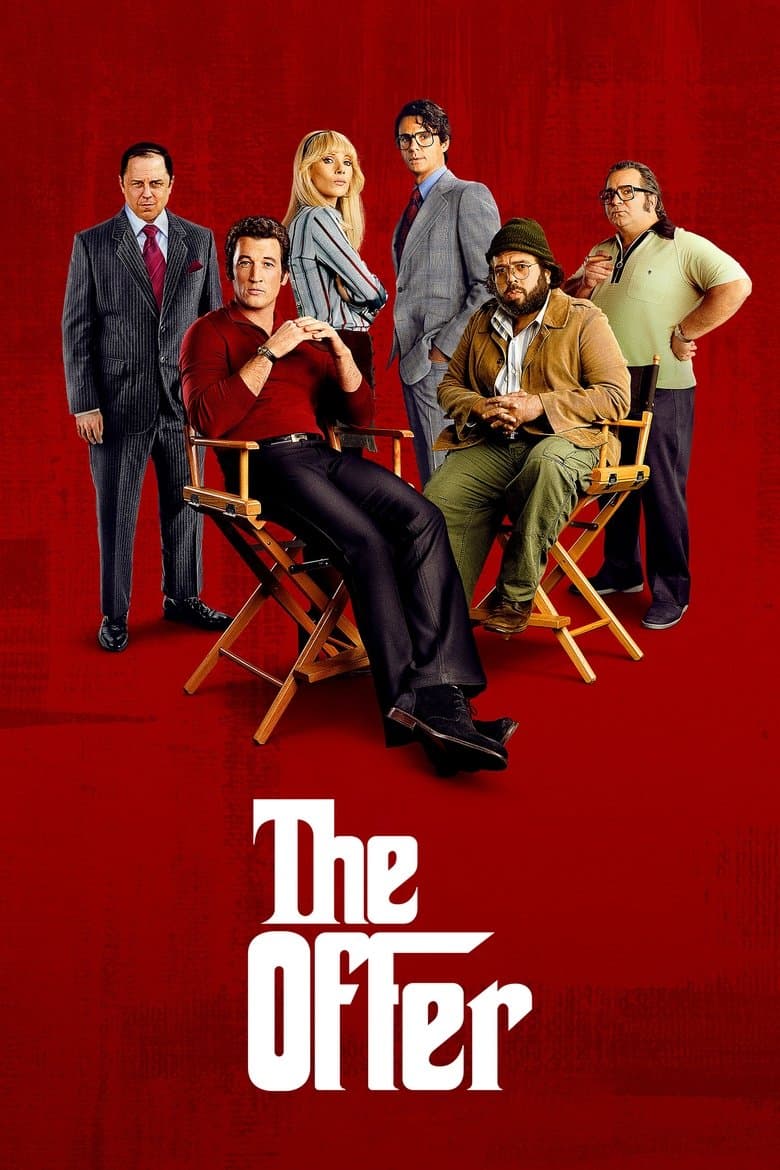
TV Show · 2022
Oscar-winning producer Al Ruddy’s never before revealed experiences of making the iconic 1972 film The Godfather that Francis Ford Coppola directed and adapted with Mario Puzo.
