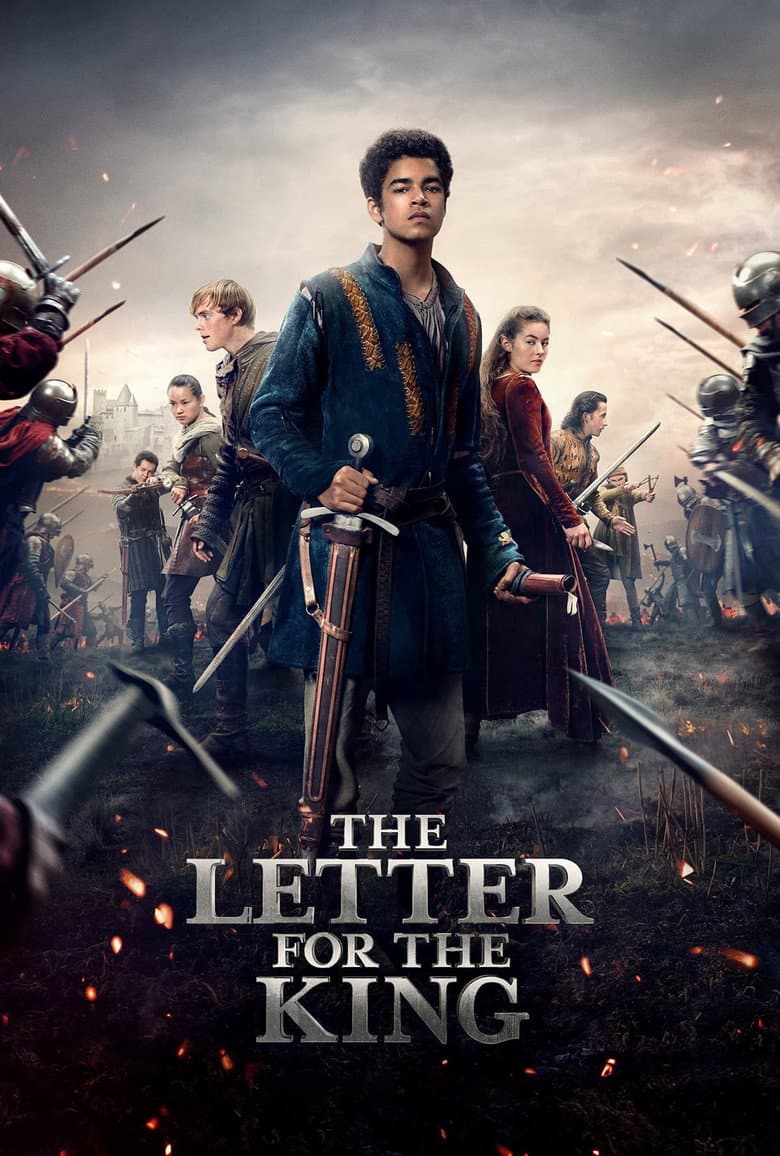
Started March 20, 2020 · Ended · Based on 1 season, 6 episodes through March 20, 2020 · TV-PG · 47 min
Tiuri is a fifteen-year-old squire who is poor with a sword but quick to help people. He lives in Dagonaut and receives a dying knight's secret letter for King Favian of Unauwen. Prince Viridian and his Red Riders chase Tiuri because the letter may stop a war and a coming darkness. Tiuri travels through forests, mountains, villages, and a dangerous monastery with Lavinia and other young knights. The show has a family-friendly fantasy tone with danger, magic, jokes, and a few sad deaths.
The season makes Tiuri's Eviellan birth important to the war and to the prophecy. Lavinia begins as a bold thief and rebel, then becomes the person with the magic needed to defeat Viridian. The young group values kindness, friendship, and courage more than rank, size, or sword skill. Foldo and Jussipo share a brief same-sex kiss before Jussipo dies in the final battle. The show also presents older male rulers and fathers as poor judges of the young people who must save the kingdoms.
Community feedback
Was our 55% Woke rating accurate?
Breakdown
These are the editorial factors and ratings behind our score for The Letter for the King.
Woke representation / casting
The show puts a black teenager at the center of a medieval-style quest and makes him the key hero. The show also gives major roles to Lavinia and Iona, including a female knight trainee and the final magical victory. The story gives Tiuri an Eviellan birth history, so his identity has a plot link. The mixed group of young knights is more diverse than the setting would normally suggest, making this a clear but not dominant representation signal.
36%
Woke political dialogue
Not present. The show discusses war, prophecy, slavery, and royal power inside its fantasy plot, but it does not use recurring modern activist speeches about identity, capitalism, patriarchy, or politics.
0%
Identity-driven story themes
The story makes Tiuri's Eviellan birth important to the war and to the way some people judge him. The story first points toward Tiuri as the chosen hero, then gives the main magical power to Lavinia, a street-smart young woman. Foldo and Jussipo share a same-sex kiss before Jussipo dies in the final battle. These identity and representation choices matter through the season, but the main plot remains a fantasy quest.
46%
Western institutional / cultural critique
The show often makes older male leaders, fathers, and knights look foolish, weak, or unfair. The mayor treats Lavinia's wish to open a trade route as less important than marrying her off. The story values Tiuri's kindness over the violent strength expected from knights. These ideas repeat across the season, but the show does not build a broad attack on men, family, Christianity, or Western institutions.
31%
Woke character or canon changes
The series adds a same-sex kiss between Foldo and Jussipo to the older book's story. The series also makes Lavinia a central magical hero and changes Tiuri's background so his Eviellan heritage drives the prophecy. These identity-driven changes matter to the ending. The added magic, new villains, and shorter journey are ordinary adaptation changes and do not raise this factor by themselves.
50%
Anti-woke backlash and complaints
Some audience posts call the diverse casting and strong female roles “woke” or “virtue signaling.” Other posts object to the same-sex kiss or say the show pushes an “enlightened social agenda.” These complaints appear in a small number of forums and user reviews. Mainstream reviews focus more on weak pacing, childish tone, and plot problems than on politics.
28%
Creator track record context
William Davies has a low cached score and no clear activist record. Most cached scores for the writers, directors, and producers are also low. Alex Holmes has a limited equality link through Maiden, a documentary about women sailors breaking gender barriers. The creator history gives the show only a small supporting signal.
14%
Production
TV Show · 2021
The 'Bad Batch' of elite and experimental clones make their way through an ever-changing galaxy in the immediate aftermath of the Clone Wars.
TV Show · 2026
After the Clone Wars, Maul plots to rebuild his criminal syndicate on a planet untouched by the Empire.
TV Show · 2024
A journey into the fearsome Galactic Empire through the eyes of two warriors on divergent paths.
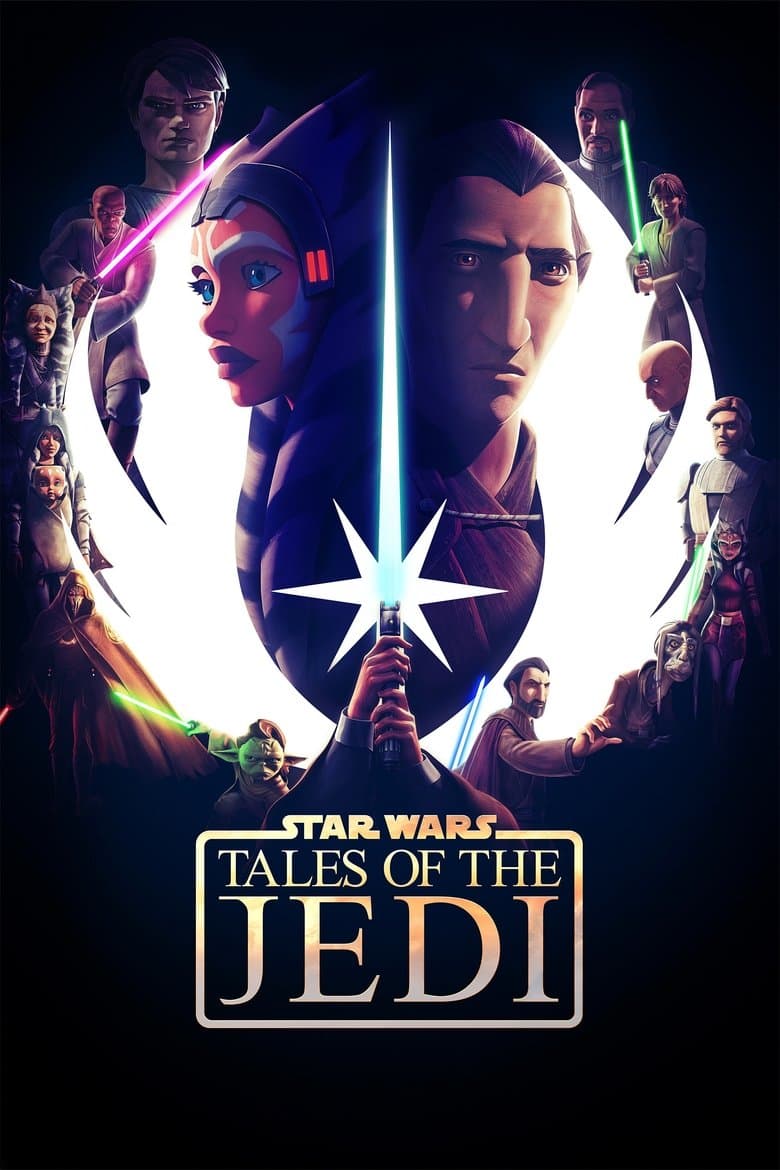
TV Show · 2022
Journey into the lives of two distinctly different Jedi from the prequel era – Ahsoka Tano and Count Dooku. Each will be put to the test as they make choices that will define…

TV Show · 2024
Knuckles embarks on a hilarious and action-packed journey of self-discovery as he agrees to train Wade as his protégé and teach him the ways of the Echidna warrior.
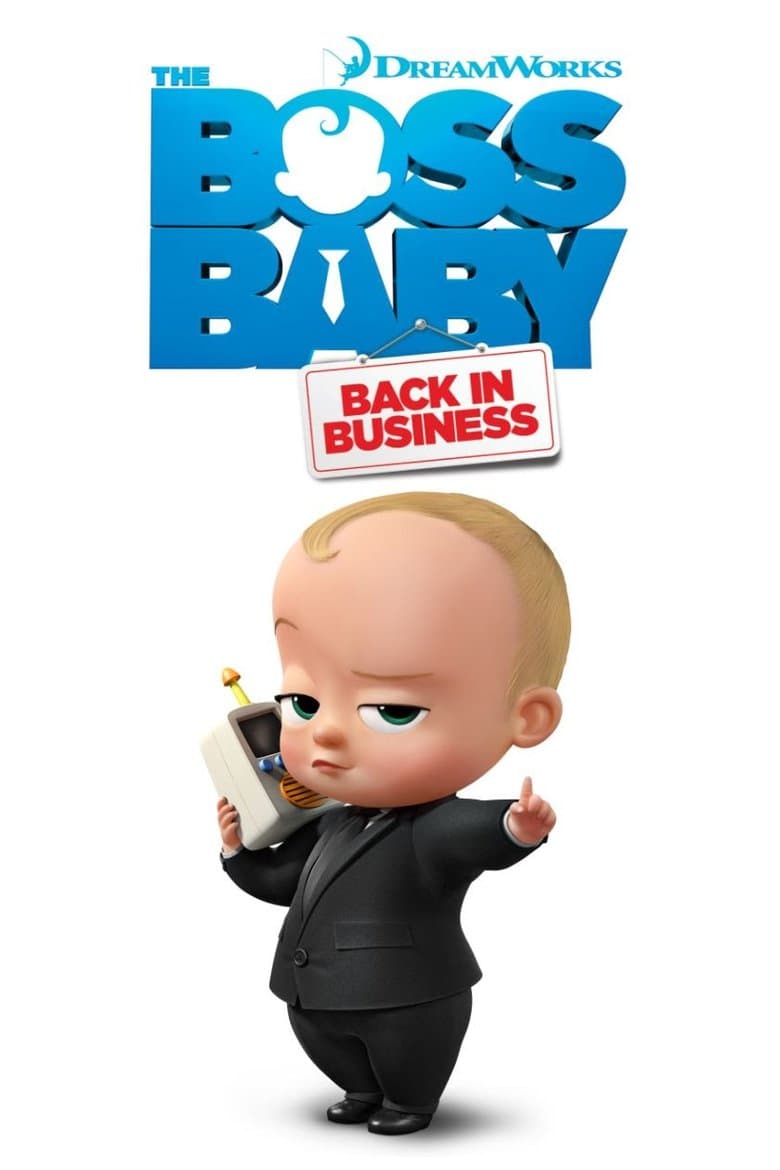
TV Show · 2018
The Boss Baby brings his big brother Tim to the office to teach him the art of business in this animated series sprung from the hit film.
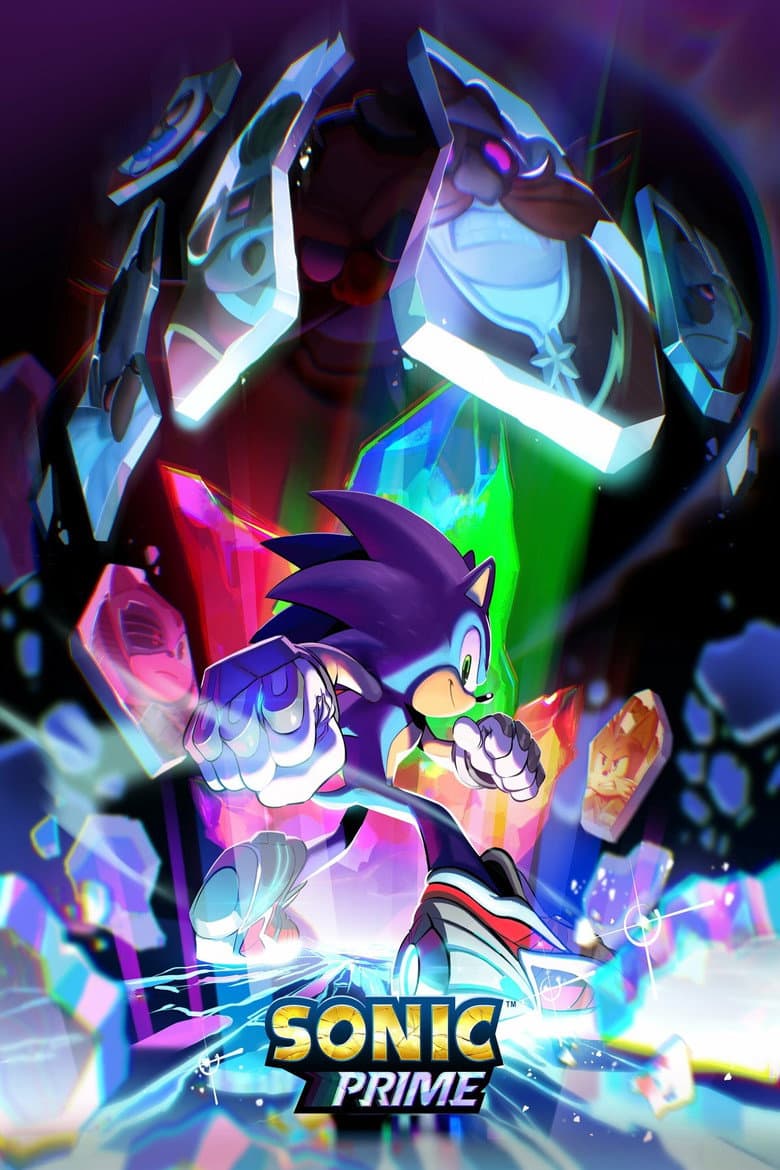
TV Show · 2022
When an explosive battle with Dr. Eggman shatters the universe, Sonic races through parallel dimensions to reconnect with his friends and save the world.
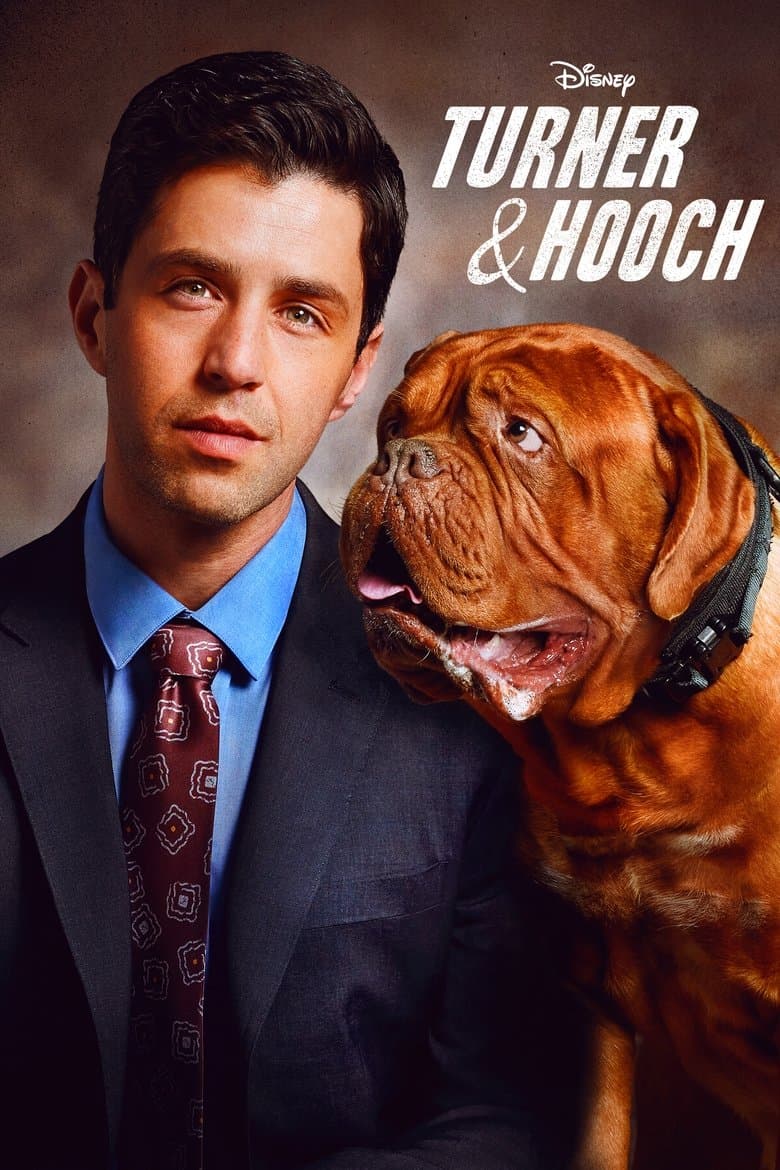
TV Show · 2021
A Deputy Marshal inherits an unruly dog who helps him solve crimes and investigate a family mystery.
