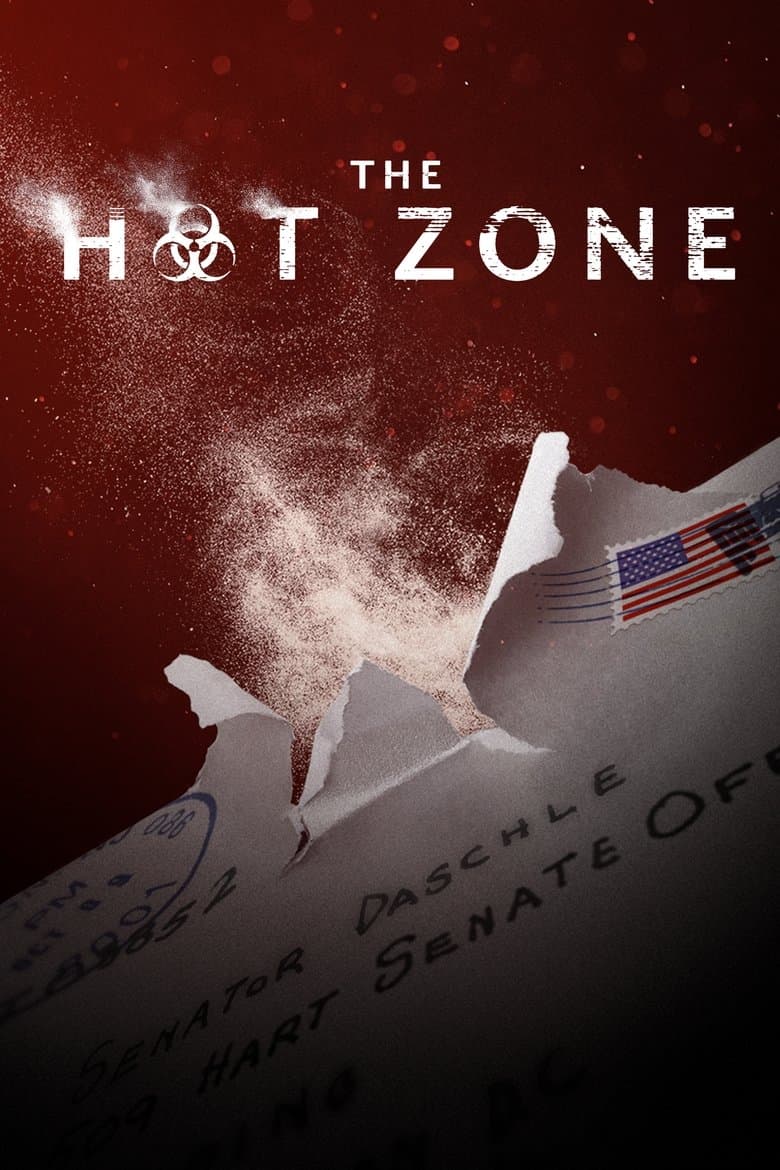
Started May 27, 2019 · Ended · Based on 2 seasons, 12 episodes through November 30, 2021 · TV-14 · 50 min
Season 1 follows Army scientist Nancy Jaax as she studies Ebola in a monkey lab near Washington, D.C., in 1989. She and her team race to stop the virus before it reaches people. Season 2 moves to the weeks after September 11, 2001, when FBI agent Matthew Ryker investigates letters filled with anthrax. The show has a tense, grim tone and focuses on science, fear, duty, and the cost of stopping a public disaster.
The clearest identity element is the second season's Asian American lead, an invented FBI hero whose background affects how he works and feels inside the bureau. Season 1 also presents a highly capable woman as the lead and shows the strain of working in a male-heavy military world. One scene attacks the poor response to AIDS among gay men and people with hemophilia. These points are clear but limited because the main plots remain outbreak science, government action, panic, and criminal investigation.
Community feedback
Was our 49% Woke rating accurate?
Breakdown
These are the editorial factors and ratings behind our score for The Hot Zone.
Woke representation / casting
Season 1 uses Julianna Margulies as the real Army scientist Nancy Jaax, so the lead's gender fits the real subject. Season 2 makes the invented composite FBI agent Matthew Ryker an Asian American hero and gives his ethnicity a place in his work life. Daniel Dae Kim and the producers openly framed the choice as expanding who can be seen as an American hero and as meaningful diversity. The pattern is clear in the second season, but the anthology is not built mainly around representation.
38%
Woke political dialogue
Season 1 includes a direct speech about officials leaving gay men and people with hemophilia to face the first AIDS crisis alone. Another scene says some politicians wanted to brand people with HIV. A later Season 1 scene links new outbreaks to people pushing into untouched places and says humans can act like a destructive germ to the planet. Season 2 adds talk about the Patriot Act and pressure to name a suspect, but most dialogue explains science or the case.
28%
Identity-driven story themes
Season 1 repeatedly makes Nancy's work and family conflict part of the drama, and it shows male coworkers doubting her warnings. Season 2 gives the invented Asian American agent Matthew Ryker an outsider story that affects his work inside the FBI. Both leads are shown as highly capable, but the show spends most of its time on viruses, fear, and case work. Identity themes matter to the leads, but they do not control every episode.
33%
Western institutional / cultural critique
Season 1 criticizes the CDC's weak response to AIDS and shows a male-heavy Army culture that doubts Nancy before accepting her warning. Season 2 shows FBI leaders and news pressure pushing agents toward a quick suspect after 9/11. These points create a limited Western institutional / cultural critique. The series does not attack family, religion, capitalism, or America as a whole.
27%
Woke character or canon changes
Season 2 uses Matthew Ryker, an invented composite of several FBI agents from the anthrax investigation. The show makes him Asian American and gives his background a place in the story of working inside the 2001 FBI. That identity-based change is visible and important to Season 2, but it affects one historical case rather than the entire anthology.
30%
Anti-woke backlash and complaints
One small X account called the NatGeo show a set of “woke-era tropes” and complained about a girlboss, male characters, black men, and LGBT beats. The post had no likes and about 146 views, and no large right-leaning outlet, boycott, or review-bombing effort appeared. The complaint is fringe and cannot prove that the show contains all of those elements.
12%
Creator track record context
Brian Peterson has a clear past link to queer-centered storytelling through But I'm a Cheerleader. Kelly Souders wrote a short film about an elderly lesbian couple. James V. Hart has supported stronger female characters and a Black Long John Silver, while other key people have mostly mild or neutral public records. This gives the show some identity-focused context, but its current story is about disease outbreaks rather than queer life.
35%
Production
TV Show · 2019
The true story of one of the worst man-made catastrophes in history: the catastrophic nuclear accident at Chernobyl.
TV Show · 2016
The love story of young Countess Natasha Rostova and Count Pierre Bezukhov is interwoven with the Great Patriotic War of 1812 against Napoleon's invading army.
TV Show · 2021
Follow the Dutton family as they embark on a journey west through the Great Plains toward the last bastion of untamed America.
TV Show · 2019
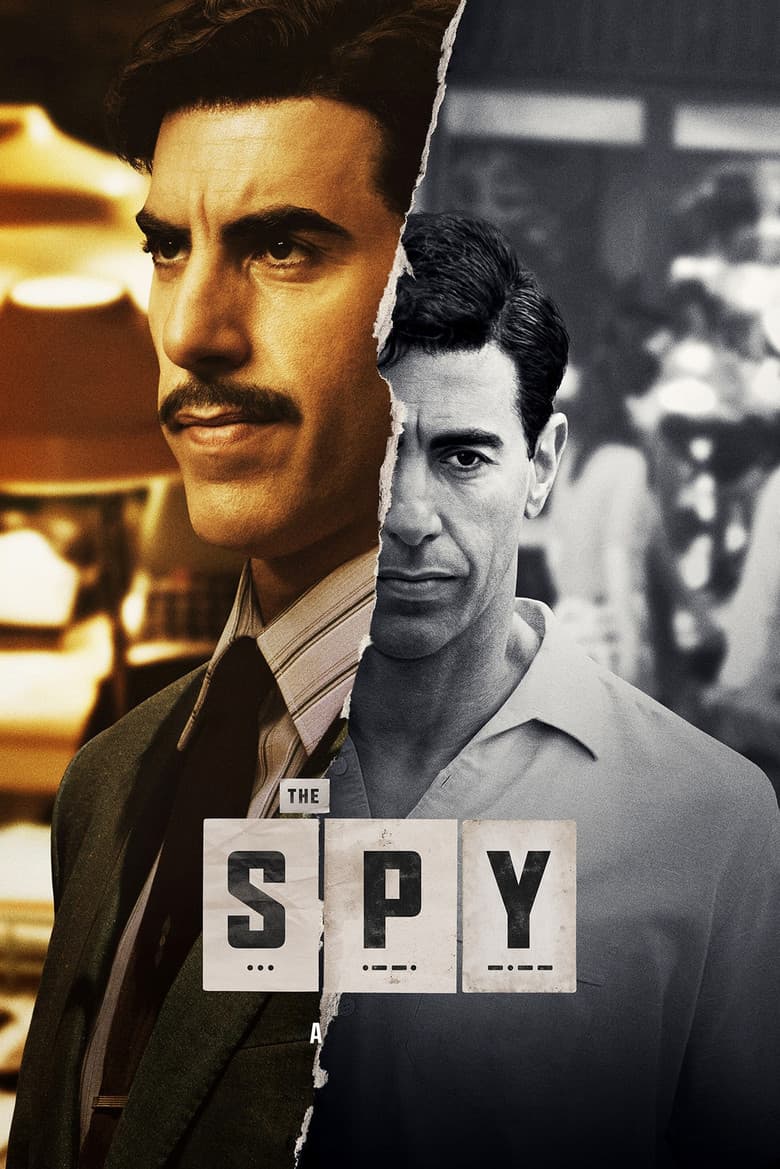
In the 1960s, Israeli clerk-turned-secret agent Eli Cohen goes deep undercover inside Syria on a perilous, years-long mission to spy for Mossad.
TV Show · 2025
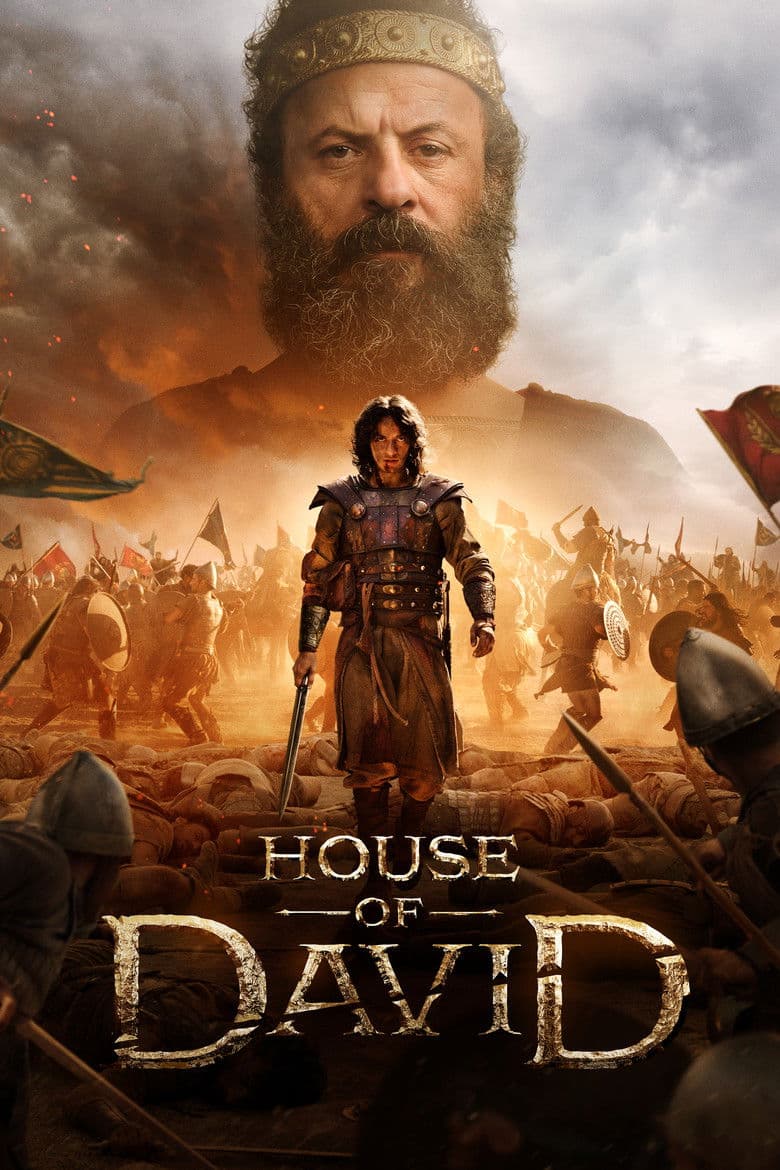
Tells the story of the ascent of the biblical figure, David, who becomes the most celebrated king of Israel. The series follows the once-mighty King Saul as he falls victim to his…

TV Show · 2026
The Clyburns uproot their comfortable New York City lives to the wild, untamed beauty of Montana's Madison River Valley on a search for connection.
TV Show · 2023
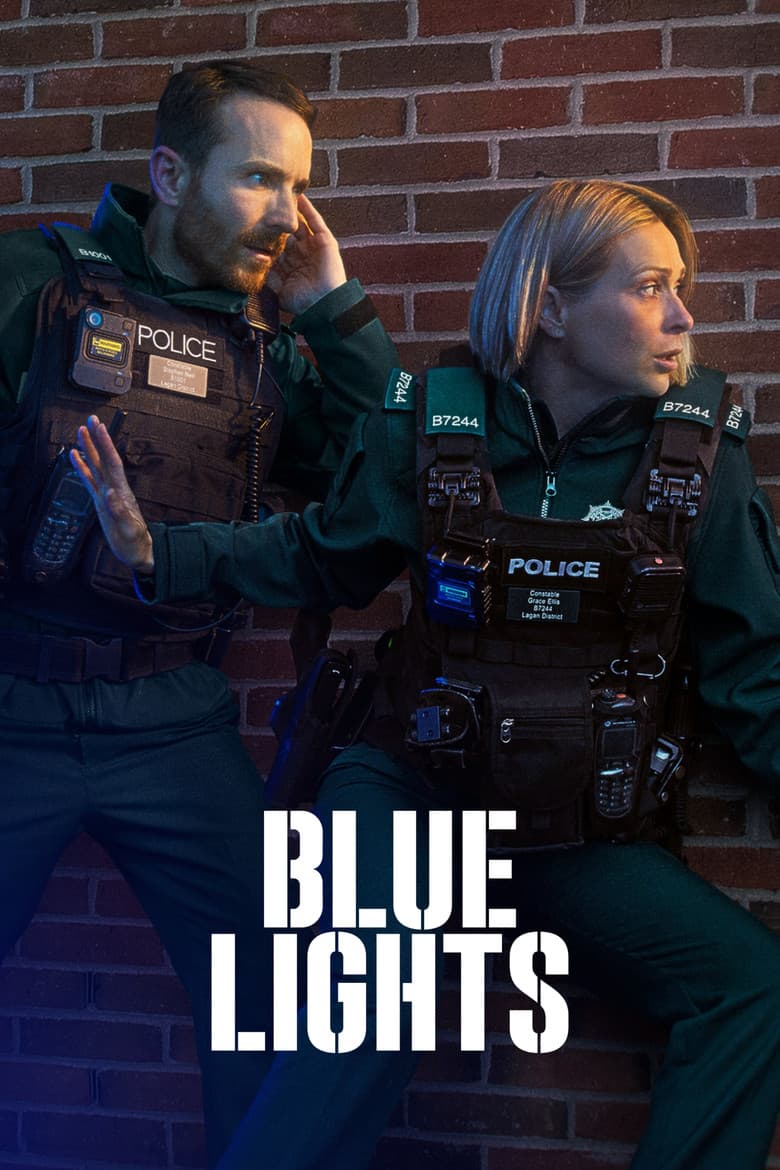
Follows rookie police officers working in Belfast, a city in which being a frontline response cop comes with unique pressures and dangers.

TV Show · 2022
This sweeping saga chronicles the hopes and dreams of a Korean immigrant family across four generations as they leave their homeland in an indomitable quest to survive and thrive.
