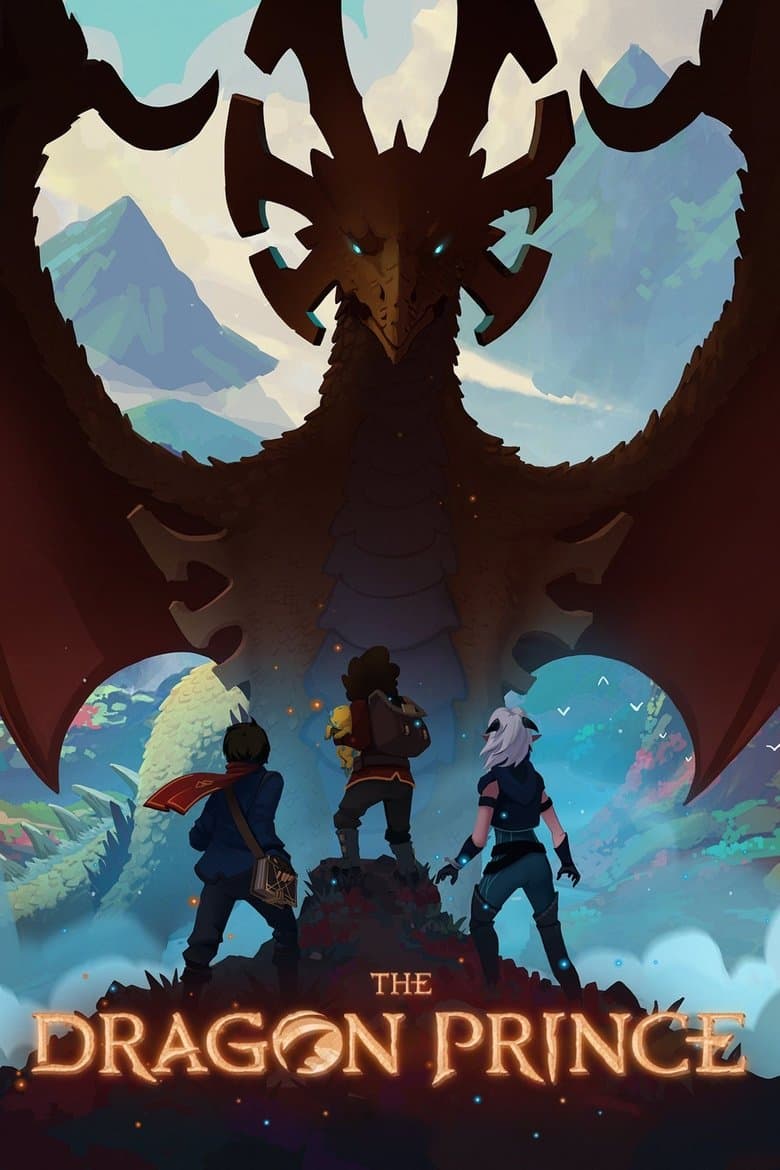
Started September 14, 2018 · Ended · Based on 7 seasons, 63 episodes through December 19, 2024 · TV-PG · 26 min
The Dragon Prince follows Callum and his younger brother Ezran, two human princes in the kingdom of Katolis. They join Rayla, an elf assassin, after they find a dragon egg that could end a long war between humans, elves, and dragons. The group travels through Xadia while they face dark magic, rival rulers, revenge, and the powerful elf Aaravos. The show mixes battles and danger with jokes, family drama, and a steady message about peace and forgiveness.
The show gives major roles to women who lead armies or kingdoms, including Rayla, Amaya, Janai, Aanya, and Zubeia. Amaya is deaf, and the story presents her as a skilled general who uses sign language. Later seasons show Amaya and Janai fall in love and marry. The show also includes Runaan and Ethari as a gay elf couple, and Terry as a trans elf who dates Claudia before their relationship ends. The series often treats these identities as normal and links its human and magical conflicts to acceptance, friendship across groups, and breaking old hatred.
Community feedback
Was our 66% Woke rating accurate?
Breakdown
These are the editorial factors and ratings behind our score for The Dragon Prince.
Woke representation / casting
The animated series places a deaf woman, Amaya, in a major role as a skilled general. Women also lead several armies and kingdoms, including Rayla, Janai, Aanya, and Zubeia. A trans elf character has a coming out scene and romance. A deaf lesbian general marries an elf queen in a highlighted wedding. The creators have said they wanted a modern, global fantasy that helps more viewers see themselves on screen.
75%
Woke political dialogue
Ezran repeatedly speaks about ending the cycle of hatred between humans and magical peoples. The heroes debate whether old injuries justify revenge or whether former enemies can live together. The show uses these talks across many seasons, especially as Ezran rules Katolis and the groups plan peace. The language stays inside the fantasy war and rarely sounds like a modern political lecture.
30%
Identity-driven story themes
The story repeatedly treats acceptance between different peoples as a path to peace. Amaya and Janai develop a lesbian romance and marry, while Terry explains that he was seen as a girl but always knew he was a boy. Runaan and Ethari are also a male couple, and Terry’s relationship with Claudia receives a continuing plot before it ends in season seven. These elements are important later, but the main story remains a fantasy quest against Aaravos.
49%
Western institutional / cultural critique
Not present. The show criticizes war, revenge, dark magic, and abusive rulers in its fantasy world, but it does not build a modern critique of capitalism, patriarchy, Christianity, or Western institutions.
0%
Woke character or canon changes
Not relevant. The show is an original fantasy series, so it does not change established characters, canon, or real history.
0%
Anti-woke backlash and complaints
Small online accounts called the show “woke slop” or objected to LGBT couples, queer side plots, progressive casting, and alleged DEI hiring. A few fan posts said diversity made the story feel forced or agenda-driven. No large right-leaning outlet, influencer campaign, boycott, or review-bombing was found. The available backlash is fringe and has very low engagement. These posts are claims about the show, not proof that every complaint is fair.
14%
Creator track record context
Aaron Ehasz and Justin Richmond have said they wanted a modern, global fantasy with diverse characters. Devon Giehl confirmed lesbian story plans and said GLAAD helped review Terry’s story. Villads Spangsberg and Giancarlo Volpe also have cached records of support for inclusion. Most of the other listed writers and the producer have little public activist history. The key team therefore shows a moderate identity and inclusion track record.
44%
Production
TV Show · 2022
When an explosive battle with Dr. Eggman shatters the universe, Sonic races through parallel dimensions to reconnect with his friends and save the world.
TV Show · 2024
A journey into the fearsome Galactic Empire through the eyes of two warriors on divergent paths.
TV Show · 2018
The Boss Baby brings his big brother Tim to the office to teach him the art of business in this animated series sprung from the hit film.
TV Show · 2016
After uncovering a mysterious amulet, an average teen assumes an unlikely destiny and sets out to save two worlds.
TV Show · 2020
Merlin’s apprentice joins Arcadia’s heroes on a time-bending adventure in Camelot, where conflict is brewing between the human, troll and magical worlds.
TV Show · 2022
Journey into the lives of two distinctly different Jedi from the prequel era – Ahsoka Tano and Count Dooku. Each will be put to the test as they make choices that will define…
TV Show · 2021
The 'Bad Batch' of elite and experimental clones make their way through an ever-changing galaxy in the immediate aftermath of the Clone Wars.
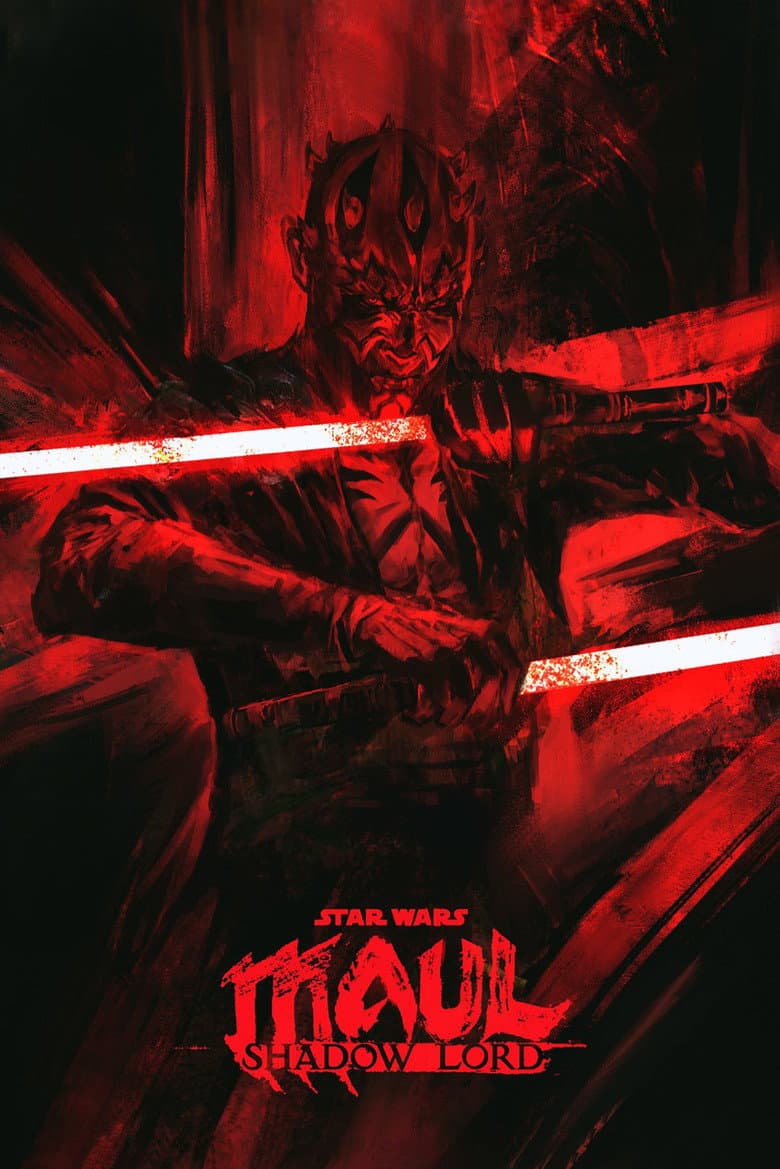
TV Show · 2026
After the Clone Wars, Maul plots to rebuild his criminal syndicate on a planet untouched by the Empire.
