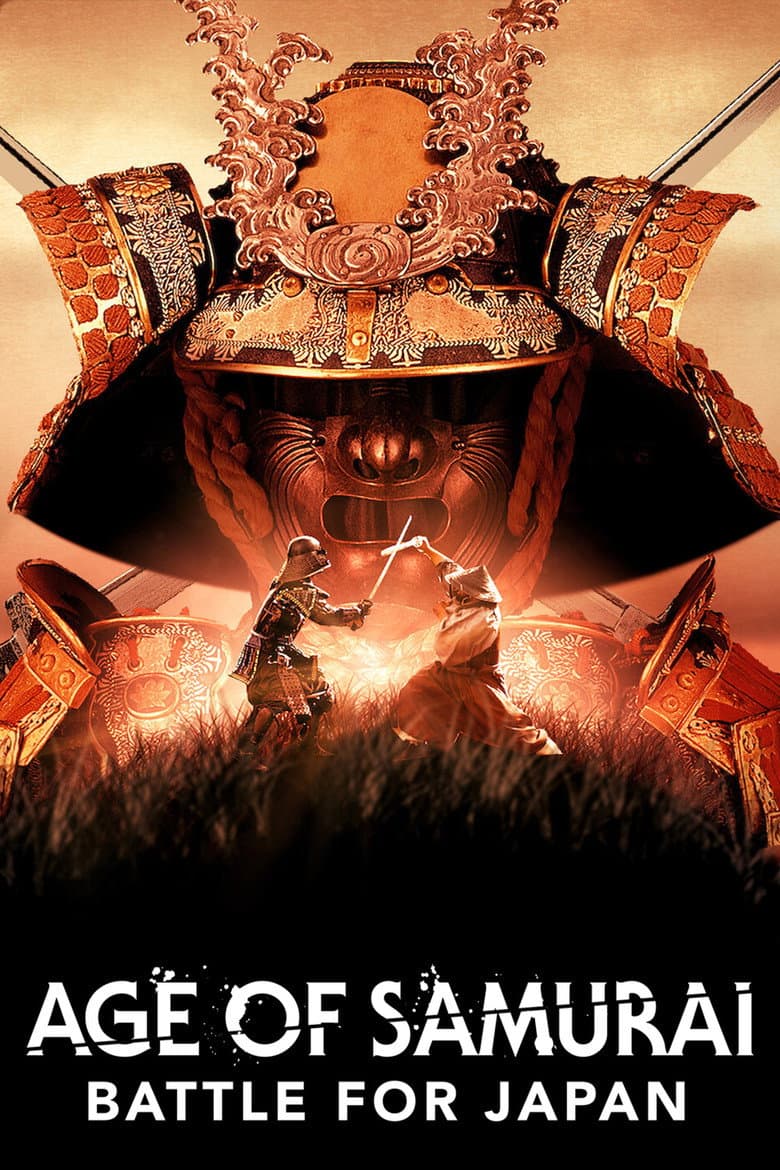
Started February 24, 2021 · Ended · Based on 1 season, 6 episodes through February 24, 2021 · TV-MA · 45 min
Age of Samurai: Battle for Japan is a six-episode documentary about the wars that tore Japan apart in the late 1500s. The main story follows Oda Nobunaga, Toyotomi Hideyoshi, and Tokugawa Ieyasu as each tries to control more land and bring the country under one ruler. The series moves from Nobunaga’s rise through Hideyoshi’s rule and failed invasion of Korea to Ieyasu’s final victory and the start of the Tokugawa shogunate. Reenactments, maps, expert talks, and a dark stream of blood give the show a fast, grim, and dramatic tone.
The show presents power, war, loyalty, betrayal, honor, and the cost of ambition as its main ideas. It shows feudal leaders using marriage, family ties, religion, firearms, and mass killing to strengthen their rule. Women appear mainly in family and court roles, with Lady Chacha receiving more attention than most women in the series. The story keeps returning to the same question: whether peace built by conquest can survive after the conqueror dies.
Community feedback
Was our 1% Woke rating accurate?
Breakdown
These are the editorial factors and ratings behind our score for Age of Samurai: Battle for Japan.
Woke representation / casting
Not present. The reenactments cast Japanese actors as the main Japanese historical figures, and the expert group is international. The show does not frame the cast as a diversity goal or make identity part of the story.
0%
Woke political dialogue
Not present. The dialogue explains clan wars, alliances, military tactics, honor, and control of Japan. It does not use modern activist or identity-politics language.
0%
Identity-driven story themes
Not present. The season follows warlords and military campaigns from 1551 to 1616. Women appear mainly in family and court roles, but the story does not build a modern identity or empowerment message around them.
0%
Western institutional / cultural critique
Not present. The show depicts feudal violence, rival clans, religious conflict, and rulers seeking power. It does not attack modern Western institutions, family life, masculinity, or Christianity through present-day activist themes.
0%
Woke character or canon changes
Not relevant. The series dramatizes real events and shortens the history for television. No clear identity-driven change to a known figure or historical event is shown.
0%
Anti-woke backlash and complaints
Not present. No clear title-specific anti-woke complaint is established. Audience and history-fan posts mainly debate accuracy, costumes, weapons, pacing, and gore. A few later culture-war comments mention the title beside broader Netflix complaints, but they do not make a clear claim that this season pushes DEI or identity politics.
0%
Creator track record context
The cached records assign Stephen Scott, Patrick Cameron, and Simon George 0/100, and David Brady and Kate Harrison Karman 3/100. Environmental documentary programming is the only mild social issue signal in those notes, with no clear DEI or identity-politics record. The title-related showrunner interview focuses on history, violence, honor, and power, not activist or identity messaging.
3%
Production

TV Show · 2019
Drivers, managers and team owners live life in the fast lane — both on and off the track — during each cutthroat season of Formula 1 racing.
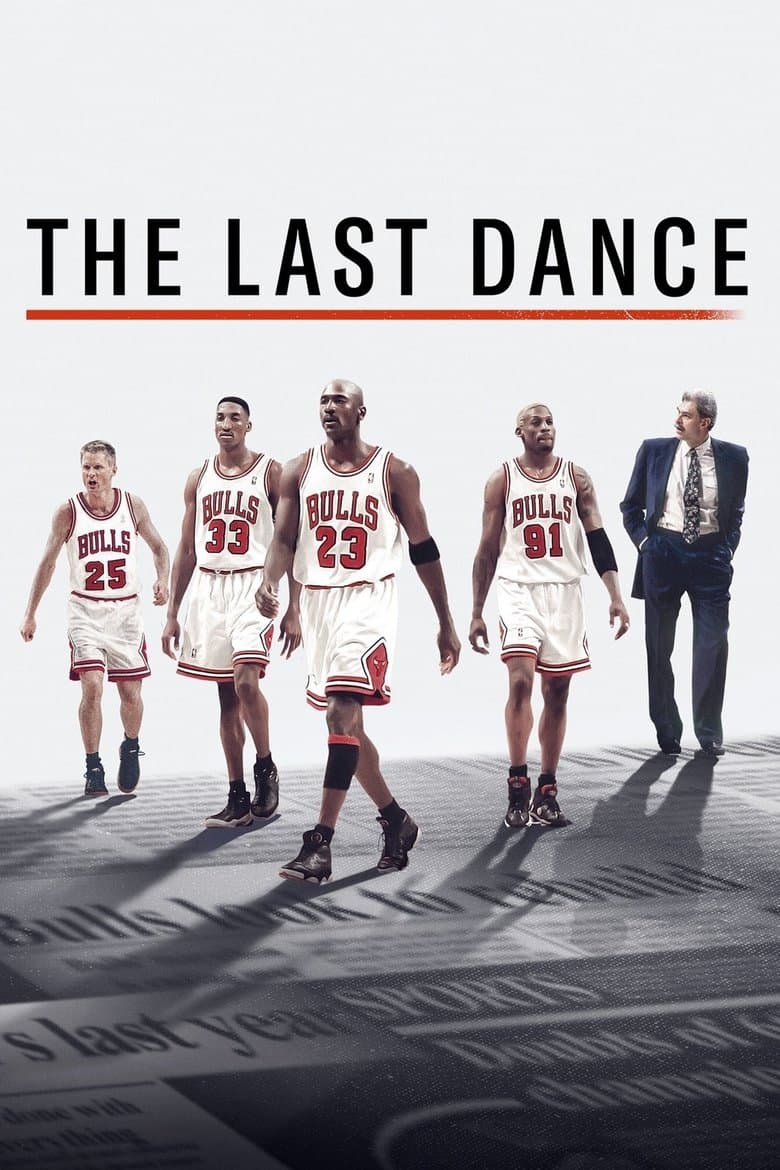
TV Show · 2020
A 10-part documentary chronicling the untold story of Michael Jordan and the Chicago Bulls dynasty with rare, never-before-seen footage and sound from the 1997-98 championship…

TV Show · 2019
These blockbusters brought us together and gave us the time of our lives. Meet the actors, directors and industry insiders who made them happen.

TV Show · 2021
The three-part documentary series, compiled from over 60 hours of unseen footage, captures the warmth, camaraderie, and creative genius that defined the legacy of music's most…

TV Show · 2019
Using highly advanced colourisation techniques, critical moments from World War II, from Stalingrad to The Battle of Britain, are shown in a whole new light.
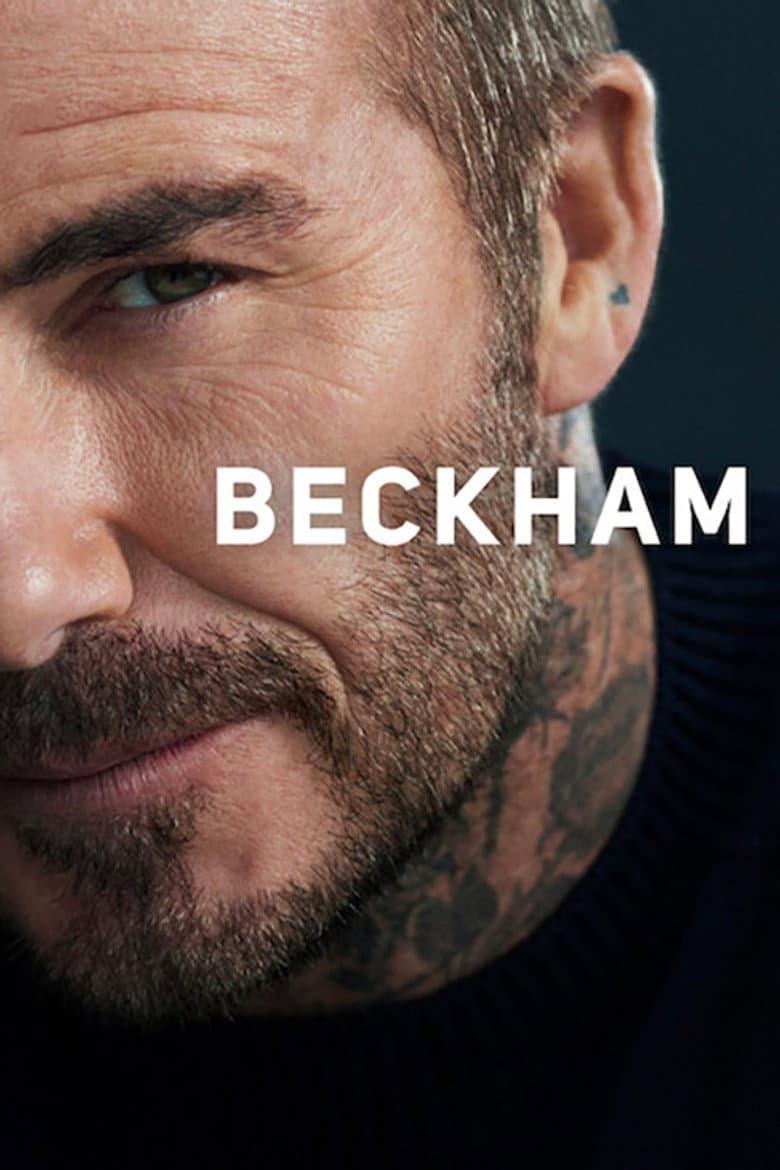
TV Show · 2023
With never-before-seen footage, this docuseries follows David Beckham's meteoric rise from humble beginnings to global football stardom.
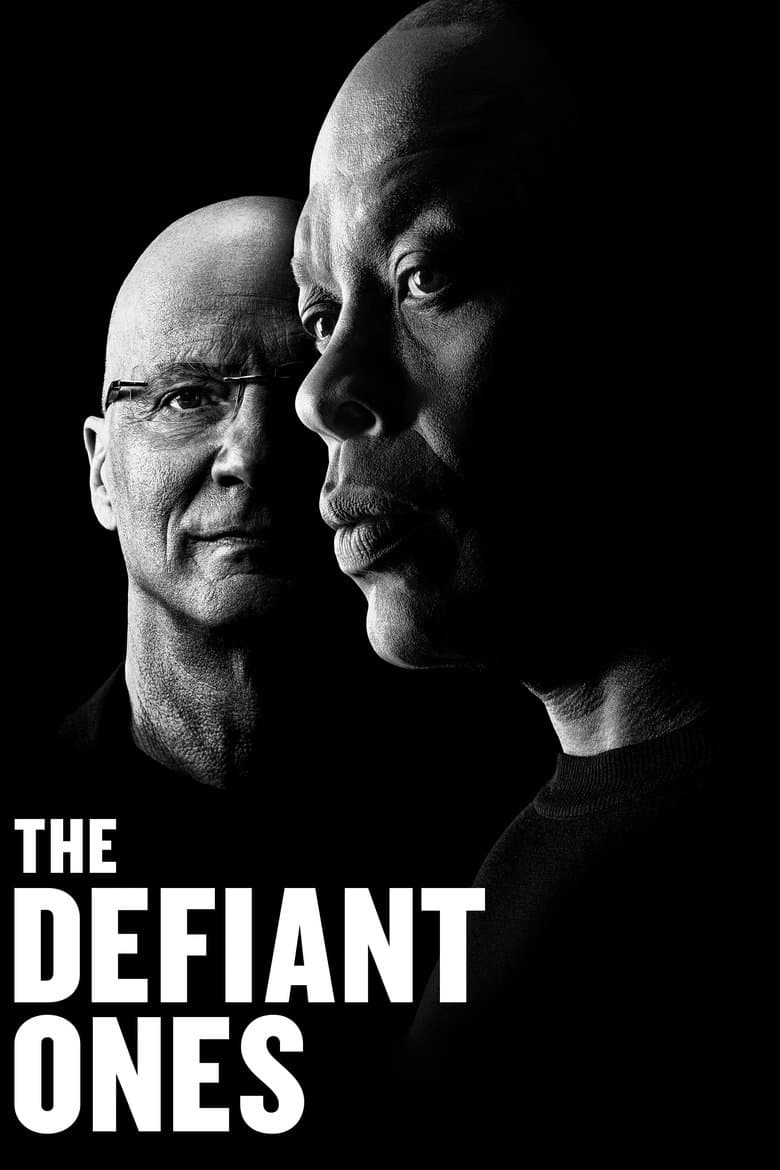
TV Show · 2017
A four-part documentary series that tells the stories of Jimmy Iovine and Dr. Dre -- one the son of a Brooklyn longshoreman, the other straight out of Compton - -- and their…
TV Show · 2023
Follow the bruised bodies, soul-crushing fumbles, agonizing losses, and pure joy of three NFL quarterbacks during one season.
