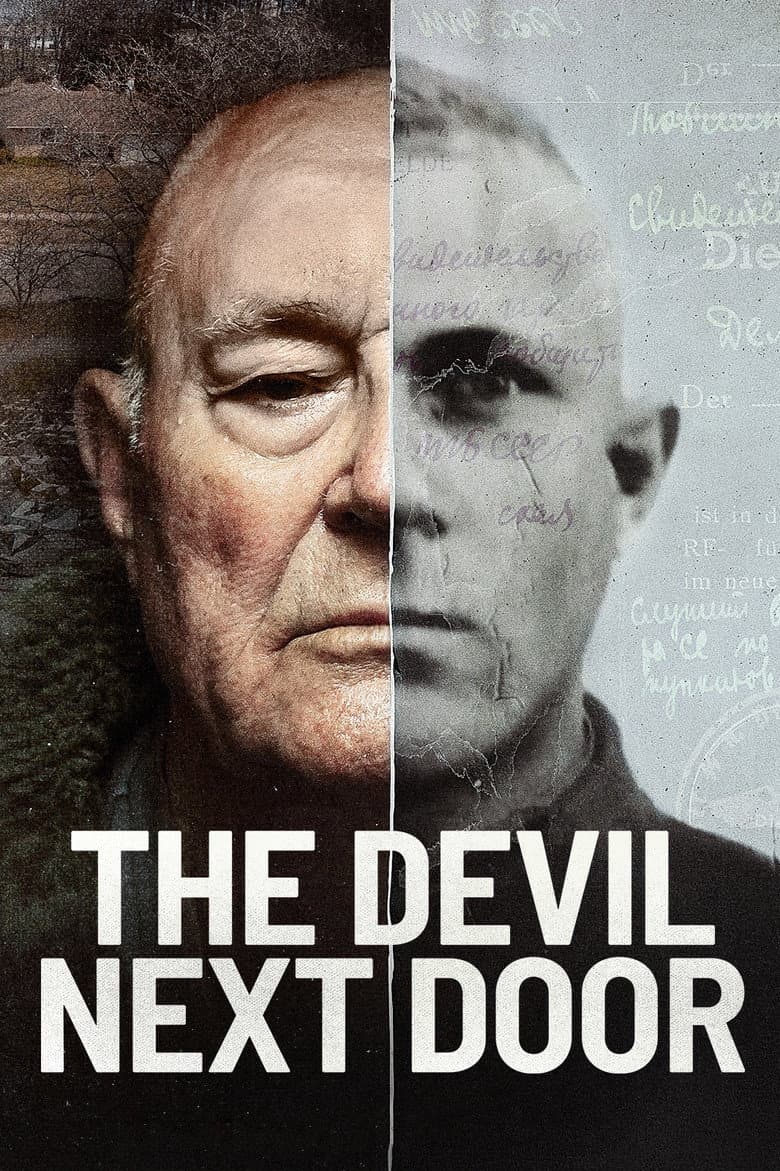
Started November 4, 2019 · Ended · Based on 1 season, 5 episodes through November 4, 2019 · TV-MA · 44 min
John Demjanjuk is a quiet Ukrainian-American grandfather who lives near Cleveland and works at a car plant. In the 1980s, Holocaust survivors identify him as Ivan the Terrible, a cruel guard at the Treblinka death camp. Israel brings him to Jerusalem for a major war-crimes trial after the United States takes away his citizenship. The five-part documentary uses old court footage, news reports, family interviews, and witness accounts to tell a tense and painful story.
The series follows the survivors, prosecutors, defense lawyers, and Demjanjuk’s family as they argue over memory, documents, and identity. It shows the horror of the camps without turning the case into a simple hero and villain story. The first trial ends with a death sentence, but new Soviet records raise doubt about whether Demjanjuk was Ivan the Terrible. The later evidence also points to his work as a guard at other camps, leaving the full truth unsettled.
Community feedback
Was our 4% Woke rating accurate?
Breakdown
These are the editorial factors and ratings behind our score for The Devil Next Door.
Woke representation / casting
Not present. The documentary follows real people from the case and uses archival footage. It does not present casting as a diversity or identity message.
0%
Woke political dialogue
Not present. The speakers discuss Nazi crimes, the trial, evidence, and witness memory. They do not use modern DEI, gender, or activist language as a recurring part of the show.
0%
Identity-driven story themes
Not present. The show centers Holocaust survivors and a disputed wartime identity. It treats these points as part of a criminal case and family history, not as a modern identity-politics campaign.
0%
Western institutional / cultural critique
Not present. The show questions past government choices and court decisions. It presents those points as part of a historical war-crimes case, not as a modern attack on Western culture or family life.
0%
Woke character or canon changes
Not relevant. The show is a nonfiction account of real people and real court cases. It does not rewrite an established character or change a real person’s identity for a fictional plot.
0%
Anti-woke backlash and complaints
Not present. Online complaints focused on evidence, balance, and map wording in Poland. No reviewed source shows an anti-woke or anti-DEI complaint about the title.
0%
Creator track record context
Daniel Sivan has made documentaries about peace efforts, military history, and political extremism. Yossi Bloch has focused on investigative, fact-based documentaries about testimony and national trauma. The producers have worked on social and cultural subjects, but the group has no strong public record of DEI campaigning or identity-politics advocacy. Sivan’s interview adds mild political context by linking the case to anti-Semitism and Holocaust denial.
20%
Production
TV Show · 2021
The Son of Sam case grew into a lifelong obsession for journalist Maury Terry, who became convinced that the murders were linked to a Satanic cult.

TV Show · 2025
What happened in the final days of Gabby Petito's life? In this gripping true-crime series, her loved ones reveal the untold story of her tragic murder.
TV Show · 2022
This harrowing docuseries explores, a cruel conman masquerading as a British spy manipulates and steals from his victims, leaving ruined families in his wake.

TV Show · 2021
Dynamic reenactments and expert commentaries bring to life the tumultuous history and power struggles of a warring 16th-century feudal Japan.
TV Show · 2020
New York City in the 1970s was ruled with a bloody fist by five mafia families, until a group of federal agents tried the unthinkable: taking them down.

TV Show · 2019
Drivers, managers and team owners live life in the fast lane — both on and off the track — during each cutthroat season of Formula 1 racing.

TV Show · 2023
Follow the bruised bodies, soul-crushing fumbles, agonizing losses, and pure joy of three NFL quarterbacks during one season.
TV Show · 2019
Henry Lee Lucas rose to infamy when he confessed to hundreds of unsolved murders. This docuseries examines the truth -- and horrifying consequences.
