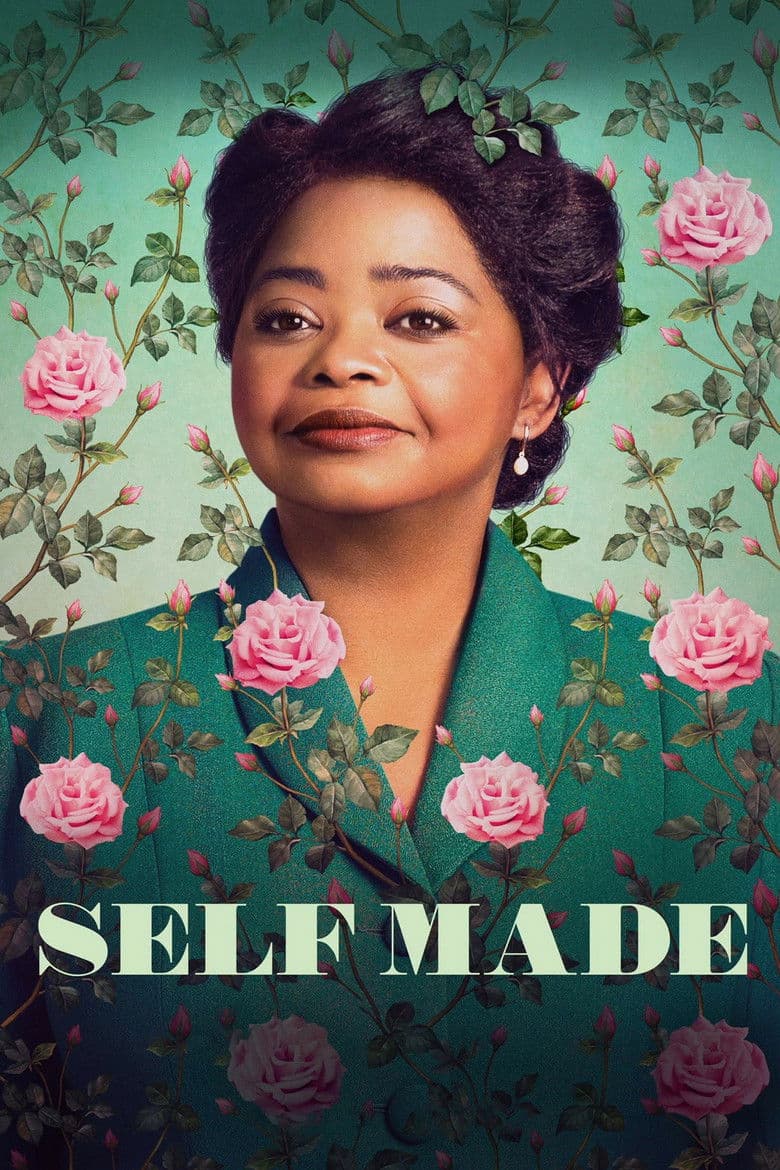
Started March 20, 2020 · Ended · Based on 1 season, 4 episodes through March 20, 2020 · TV-MA
Sarah Breedlove starts as a poor washerwoman in St. Louis after the end of slavery. Hair loss leads her to a new product, and she builds a business that takes her family to Indianapolis and then New York. Her marriage, rivals, health, and fear of failure threaten the company she creates. The four episodes use bright colors, modern music, dream scenes, and soap-style drama.
The story strongly centers black women's work, beauty, and economic freedom. Sarah faces racism, sexism, and bias against darker skin, then trains other black women to sell products and support their families. Her daughter Lelia has a secret relationship with a woman, and the show treats her freedom as part of the family story. The show also presents divorce, female independence, and support for black women as important steps toward a better life.
Community feedback
Was our 78% Woke rating accurate?
Breakdown
These are the editorial factors and ratings behind our score for Self Made: Inspired by the Life of Madam C.J. Walker.
Woke representation / casting
Not present. The principal cast reflects the black community and the real people in this story. The female leaders come from the true subject and her historical circle, so the show does not add an unrelated identity mix.
0%
Woke political dialogue
Sarah says black women deserve work, choice, and a chance to build wealth. Male investors and Booker T. Washington reject or question her because she is a woman and sells hair care. Sarah also speaks about helping black women, while the last episode shows a lynching and its effect on her team. The dialogue repeats race and gender barriers, but it stays tied to the period and the business plot.
32%
Identity-driven story themes
The series makes black women's success, beauty, and economic freedom its main subject. Sarah fights bias against darker skin and teaches other black women to earn money through her company. The story treats female independence and support between black women as major goals. Lelia's relationship with Esther adds a queer identity thread in the last half.
68%
Western institutional / cultural critique
The series shows male investors and public leaders treating female business work as less important. C.J. feels threatened by Sarah's success and answers with jealousy and an affair. Sarah's marriage and other gender roles are shown as limits that she must leave behind. This criticism recurs across the business, marriage, and family plots.
42%
Woke character or canon changes
The series turns real rival Annie Turnbo Malone into fictional Addie Monroe. Addie becomes a light-skinned rival, and bias against darker skin drives the conflict between the two women. The series also gives the real A'Lelia Walker a secret love affair with Esther, another woman. Historical reports say A'Lelia supported queer artists but was not known to identify as lesbian or bisexual.
73%
Anti-woke backlash and complaints
A Catholic review objected to the show's treatment of independence from men, marriage, and sexual norms as heroic causes. A British GQ review called the historical retelling a liberal rewrite. Most public complaints focused on made-up drama, skin-color bias, and historical accuracy rather than woke or DEI messaging. The anti-woke reaction appears small and mixed.
10%
Creator track record context
The two directors have strong records of centering black women and their experiences. Janine Sherman Barrois has publicly focused on black representation and women of color in television. A'Lelia Bundles has spent her career preserving black women's history, while LeBron James supports racial-justice causes. Other writers and producers have mixed or limited activist records.
61%
Production

TV Show · 2022
This sweeping saga chronicles the hopes and dreams of a Korean immigrant family across four generations as they leave their homeland in an indomitable quest to survive and thrive.
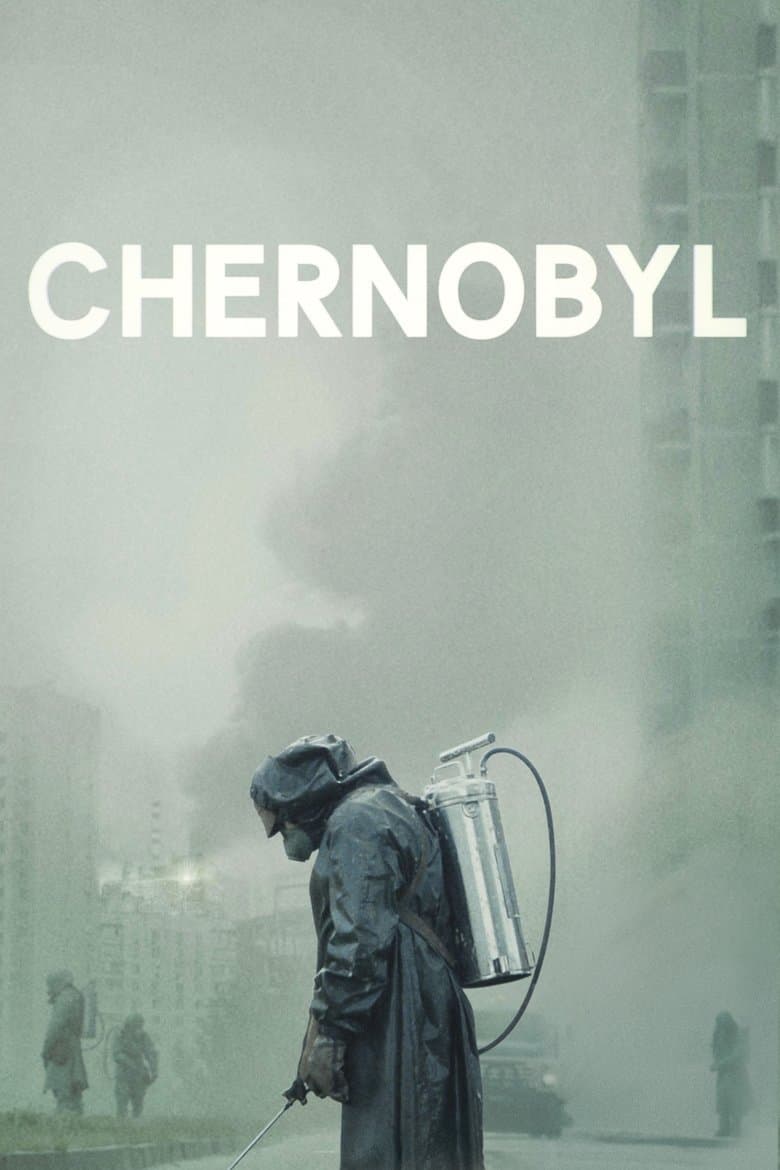
TV Show · 2019
The true story of one of the worst man-made catastrophes in history: the catastrophic nuclear accident at Chernobyl.

TV Show · 2024
Fascinated by cars since childhood, Brazilian racer Ayrton Senna became a sports legend — until tragedy struck, changing Formula 1 forever.
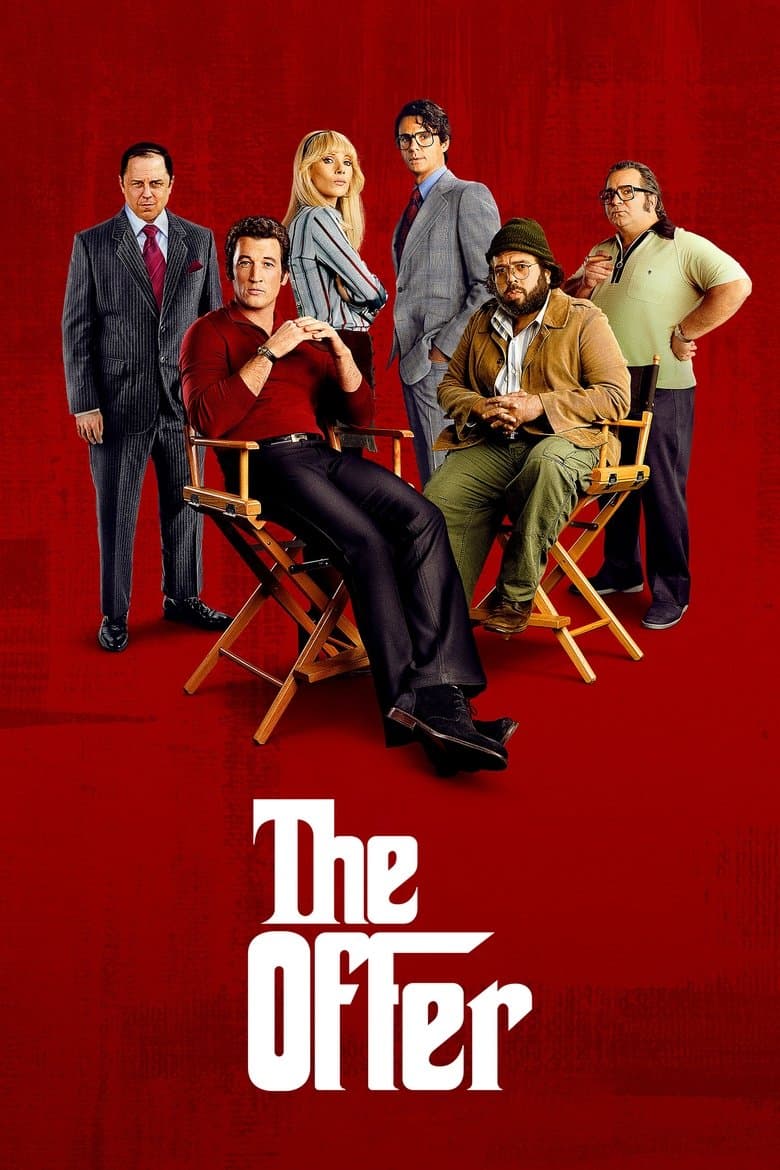
TV Show · 2022
Oscar-winning producer Al Ruddy’s never before revealed experiences of making the iconic 1972 film The Godfather that Francis Ford Coppola directed and adapted with Mario Puzo.
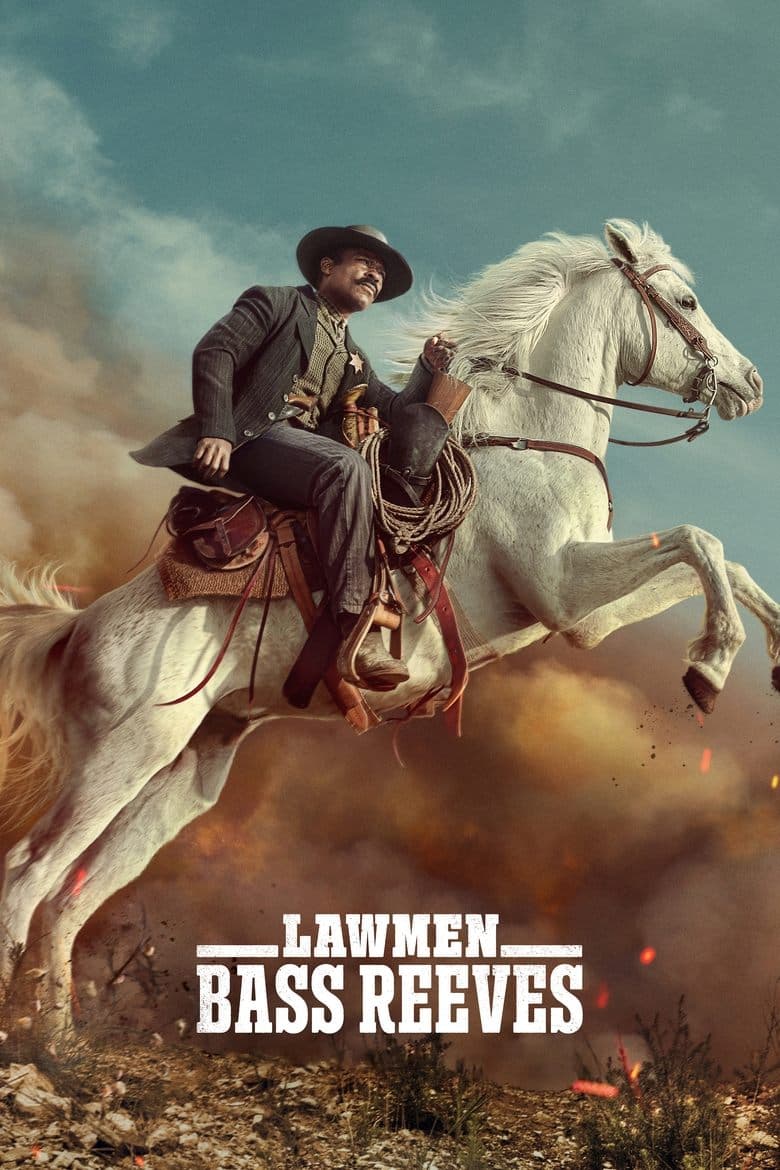
TV Show · 2023
The story of Bass Reeves, the legendary lawman of the wild West, is brought to life. Reeves worked in the post-Reconstruction era as a federal peace officer in the Indian…
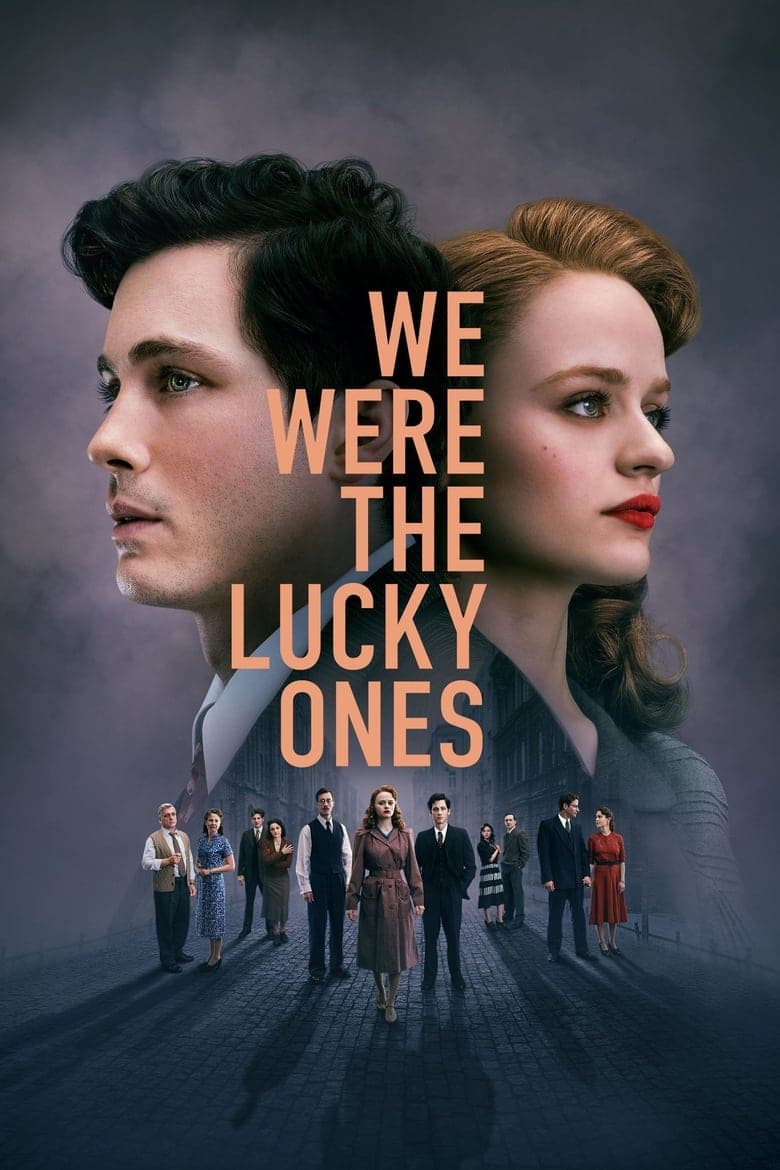
TV Show · 2024
The true story of one Jewish family separated at the start of World War II, determined to survive—and to reunite.
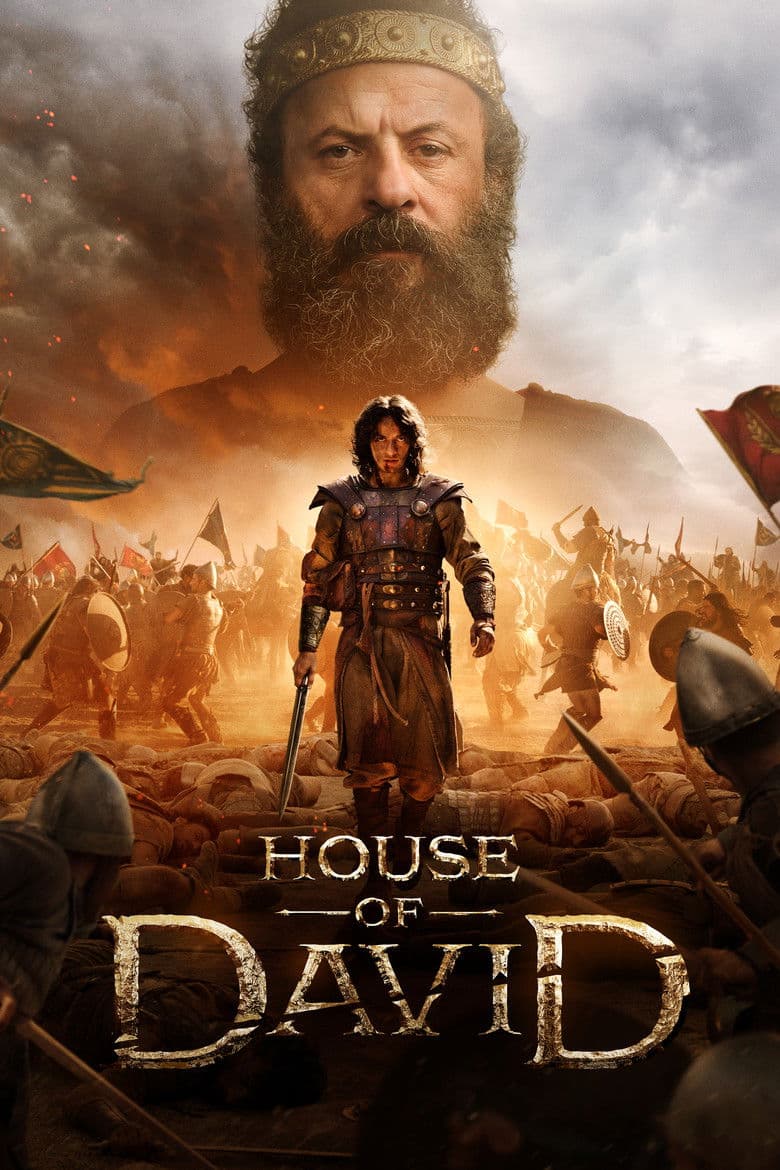
TV Show · 2025
Tells the story of the ascent of the biblical figure, David, who becomes the most celebrated king of Israel. The series follows the once-mighty King Saul as he falls victim to his…

TV Show · 2026
The Clyburns uproot their comfortable New York City lives to the wild, untamed beauty of Montana's Madison River Valley on a search for connection.
