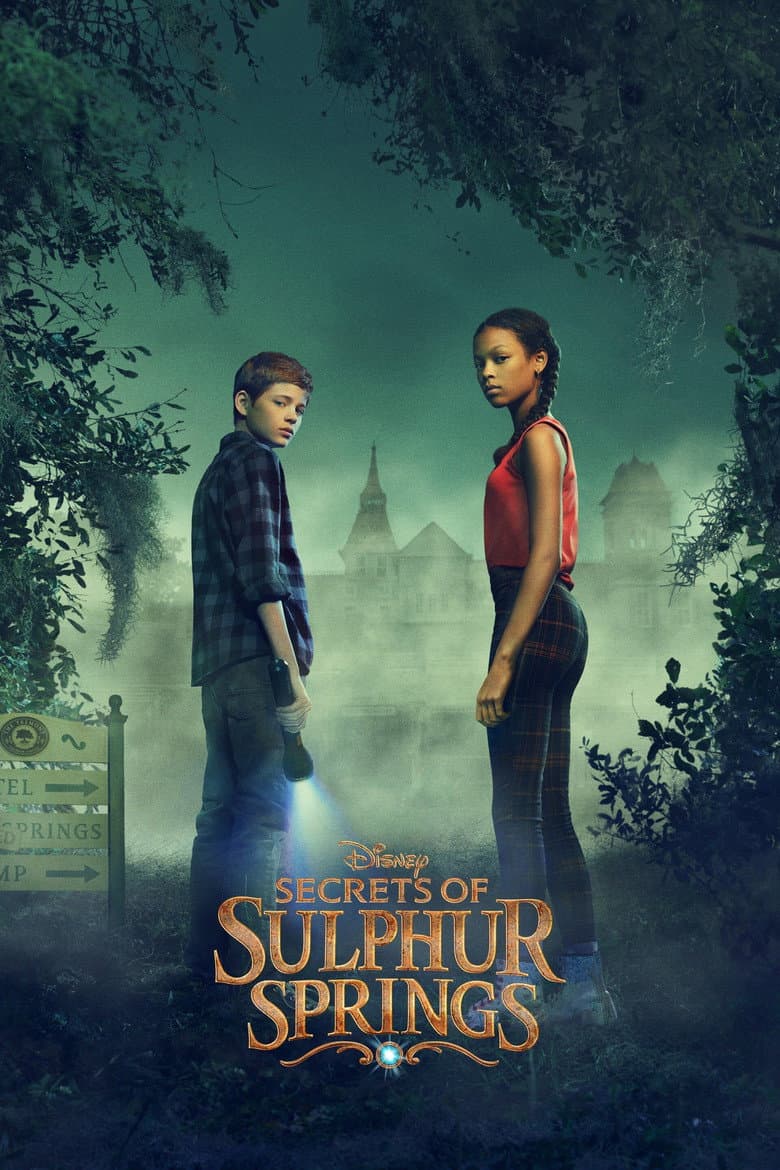
Started January 15, 2021 · Canceled · Based on 3 seasons, 27 episodes through March 25, 2023 · TV-PG · 25 min
Griffin Campbell moves from Chicago to the small Louisiana town of Sulphur Springs when his father buys the run-down Tremont Hotel. The hotel is said to be haunted by Savannah, a girl who vanished decades earlier. Griffin and his new friend Harper find a hidden portal and use it to visit the past, where they meet younger versions of their families and uncover painful secrets. The show mixes spooky ghost scenes with family drama, school life, friendship, and a slow young romance.
Harper faces open racism when she travels to the 1960s, and season two sends her into the 1930s, where her family loses its land through a judge’s false papers. The show makes her family history a major part of the mystery and shows people of color being denied equal treatment. The children recover the original papers and arrange shared ownership of the hotel, so the story favors repair through truth, family teamwork, and equal treatment. Season three returns mainly to ghosts, time travel, and the danger facing both families, so the identity material is strongest in the first two seasons.
Community feedback
Was our 35% Woke rating accurate?
Breakdown
These are the editorial factors and ratings behind our score for Secrets of Sulphur Springs.
Woke representation / casting
Harper is a black girl who shares the lead mystery-solving role with Griffin and often pushes the search forward. Her mother, brother, and several ancestors are also Black, so the pattern is visible across the series. The Louisiana setting and the family’s time-travel history make these choices story-connected, and the show does not present them as a diversity slogan.
18%
Woke political dialogue
Season 1 includes a clear scene in which Harper is stopped from entering a 1960s hotel because she is black. Harper and Griffin talk about what they see, and the show treats the treatment as wrong. Season 2 returns to racism in the 1930s and 1960s, but most dialogue concerns ghosts, time travel, and family secrets.
30%
Identity-driven story themes
Season 1 uses Harper’s trip to 1962 to make racism part of the mystery. Season 2 makes Harper’s family history a main plot, including the loss of the Tremont land through false papers. The children recover the papers and create shared ownership of the hotel, which gives the story an equal-treatment and repair message. Season 3 focuses mainly on a dangerous ghost and the future, so the identity material is strongest in the first two seasons.
46%
Western institutional / cultural critique
The show presents a judge using his legal power to take the Tremont family’s land and links that past abuse to Harper’s present family. The 1960s hotel scene also shows a local business enforcing racial separation. These moments give a small amount of Western institutional / cultural critique, but the series does not attack modern law, capitalism, family life, religion, or men as a group.
16%
Woke character or canon changes
Not relevant. The series is an original time-travel mystery and is not based on an established book, comic, franchise, or real historical figure.
0%
Anti-woke backlash and complaints
Not present. The supplied X research found no anti-woke complaints or named backlash. Broader searches found discussion of the show’s racism scenes and cancellation, but no meaningful claim that the series pushes woke or DEI politics.
0%
Creator track record context
Not present. Cached context gives Tracey Thomson a 0/100 woke score and reports no public activist or DEI profile. Her title interviews explain the show’s historical race themes, but they do not show a broader woke track record.
0%
Production
TV Show · 2025
Two outlaws must navigate the galaxy's dangerous underworld as they chart their destinies.
TV Show · 2019
The life of Christ through the eyes of those who encountered him.
TV Show · 2016
When they were twelve years old, Mark, Pru, Danny and Slade were out together in the park. Mark’s five-year-old brother, Jesse, was annoying them.
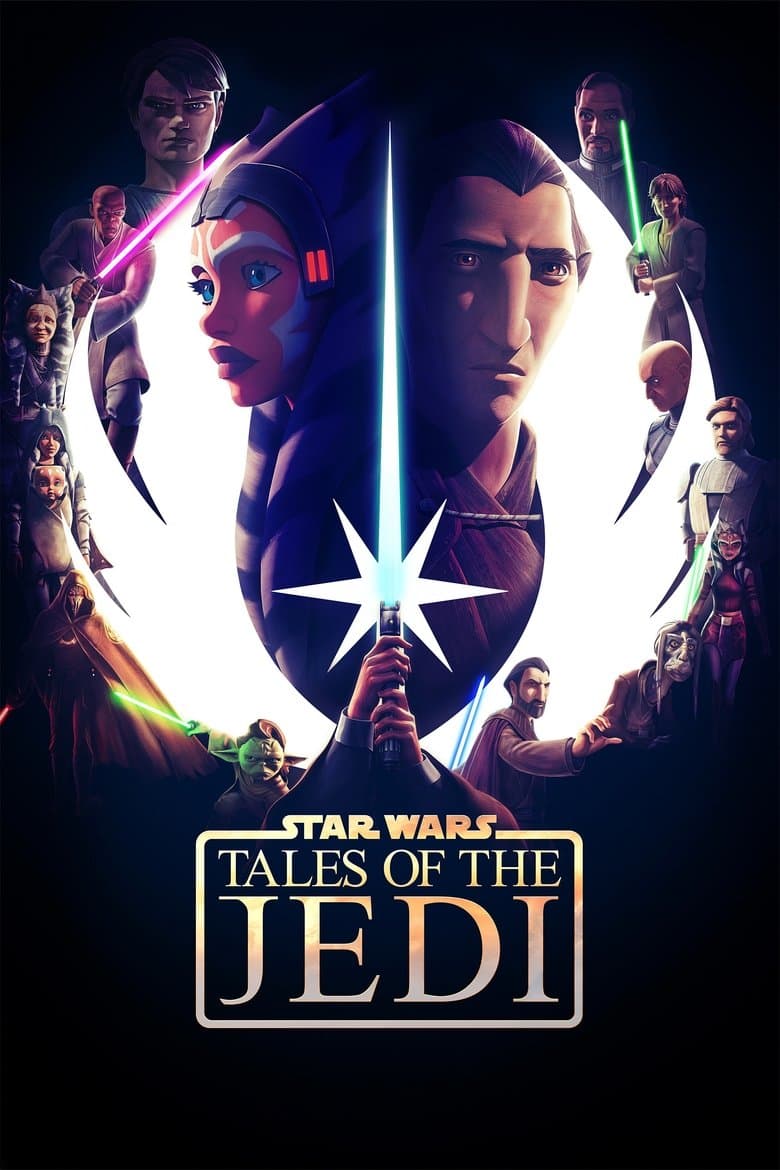
TV Show · 2022
Journey into the lives of two distinctly different Jedi from the prequel era – Ahsoka Tano and Count Dooku. Each will be put to the test as they make choices that will define…

TV Show · 2021
Frozen’s beloved snowman retelling several classic Disney tales as only he can.
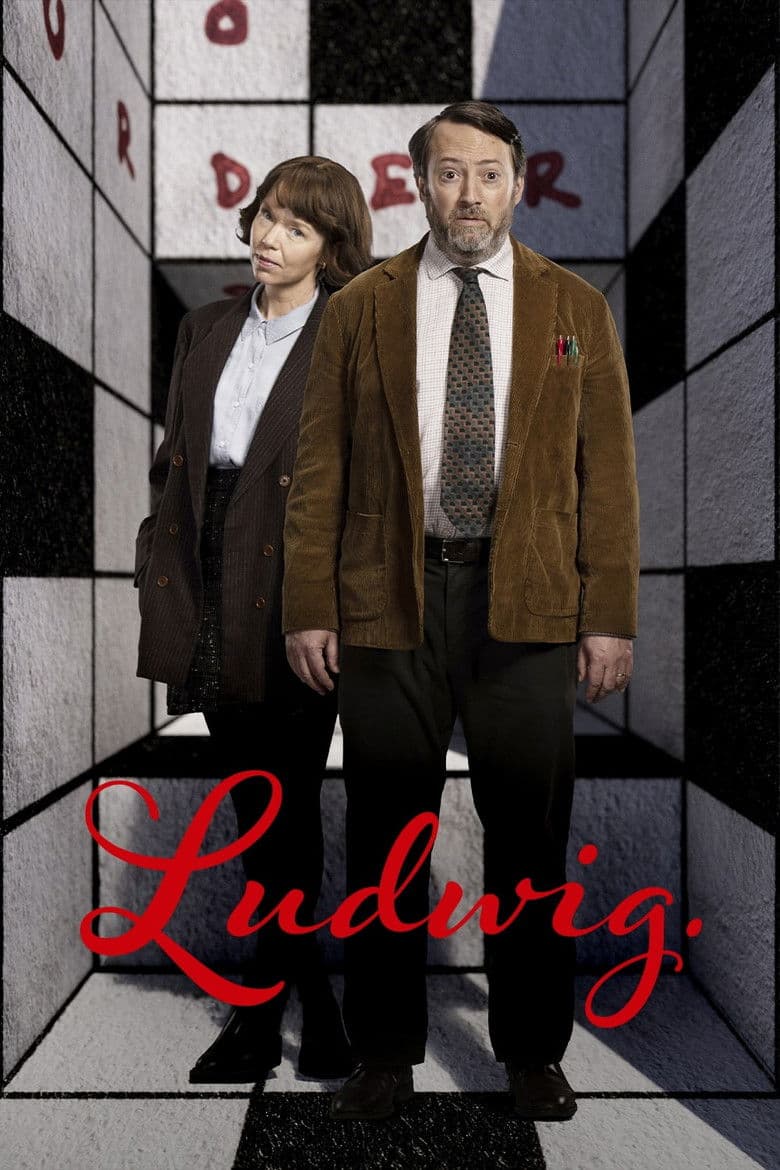
TV Show · 2024
John Taylor lives in quiet solitude, designing puzzles for a living, under the nom-de-plume of 'Ludwig'. When his identical twin, James, disappears off the face of the earth, John…
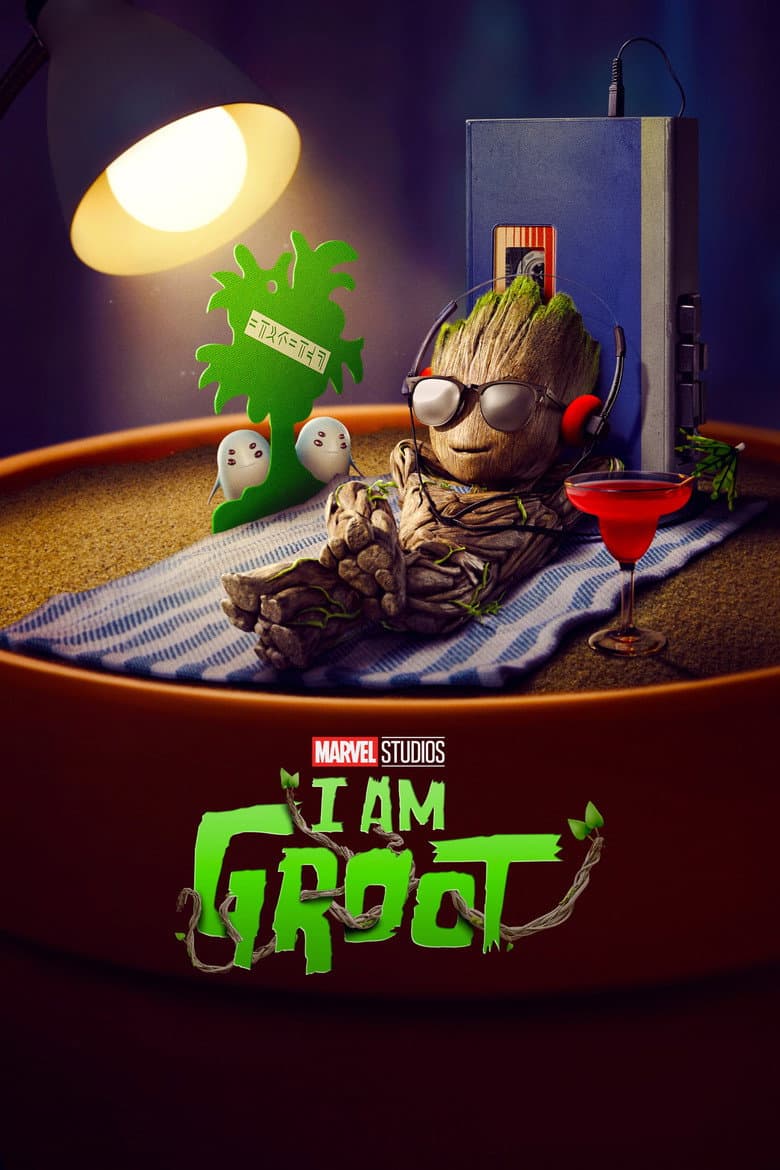
TV Show · 2022
There's no guarding the galaxy from this mischievous toddler! Get ready as Baby Groot takes center stage in his very own collection of shorts, exploring his glory days growing up…
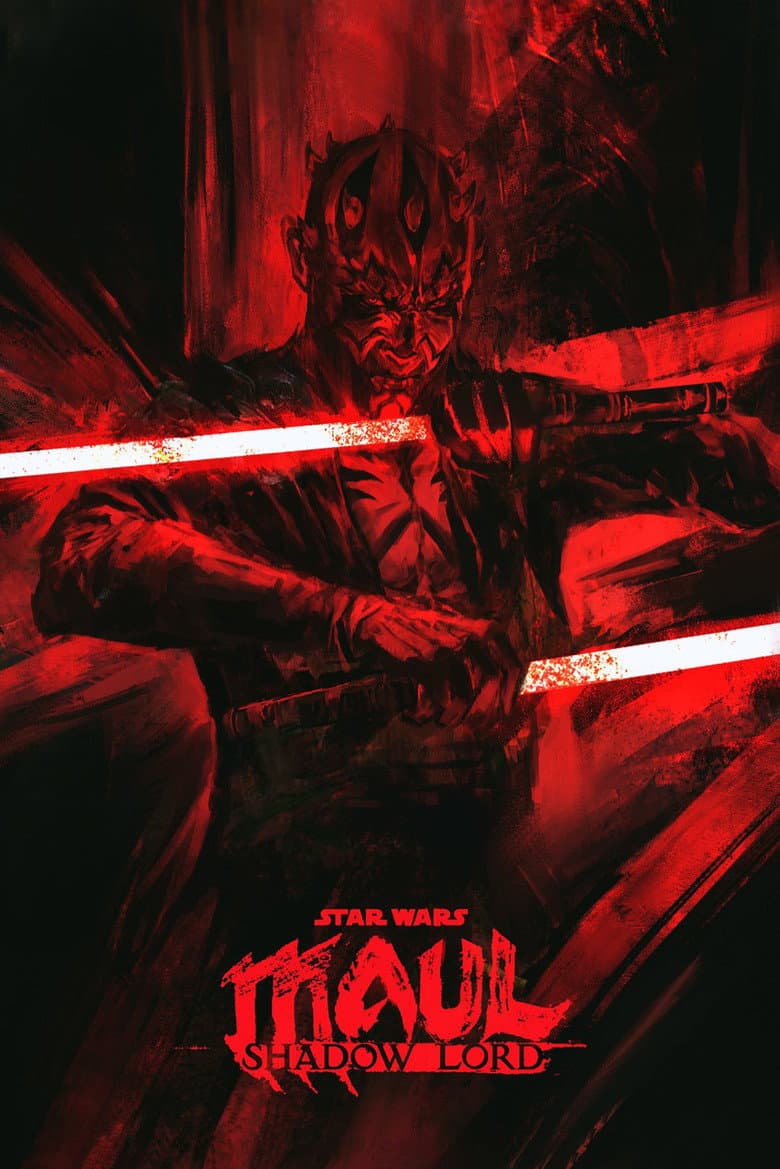
TV Show · 2026
After the Clone Wars, Maul plots to rebuild his criminal syndicate on a planet untouched by the Empire.
