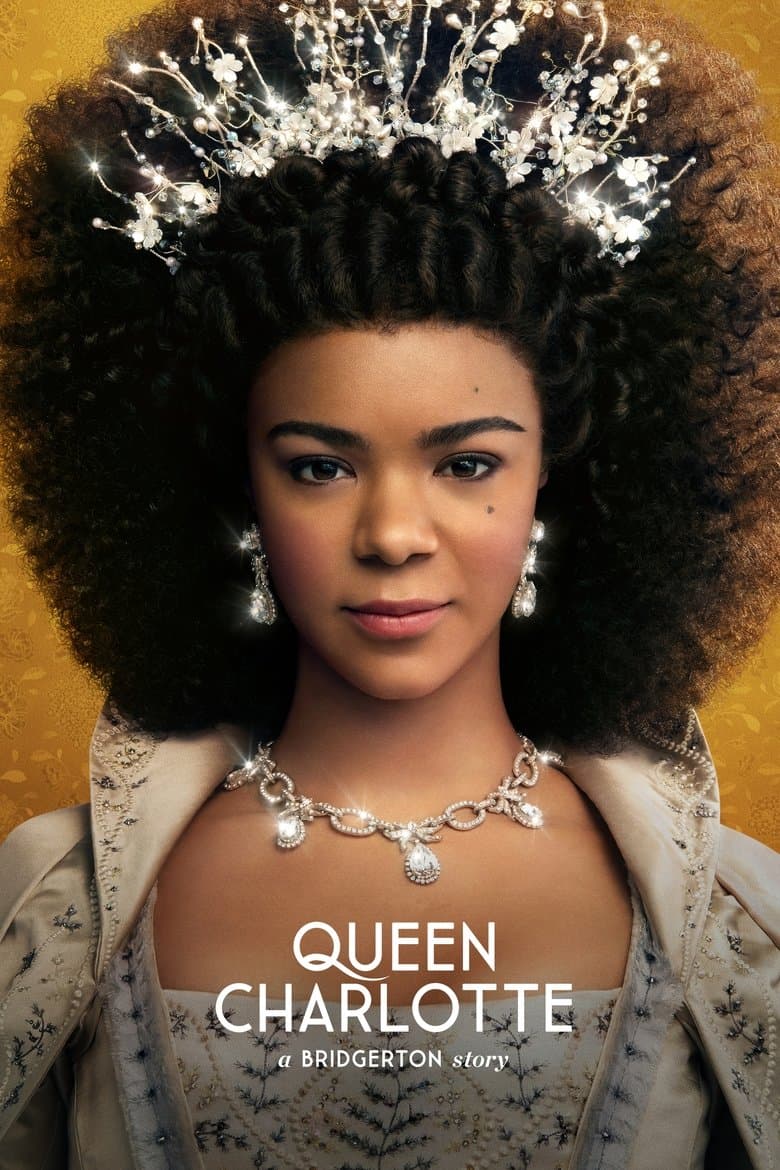
Started May 4, 2023 · Ended · Based on 1 season, 6 episodes through May 4, 2023 · TV-MA
This historical drama is a spin-off from the popular Bridgerton universe. It follows young Queen Charlotte in the 1760s as she travels to England to marry King George III. The young couple must navigate a royal marriage while dealing with the King's hidden mental illness. As the new queen adjusts to her lonely palace life, she fights to secure her place in a strict royal court. Viewers will easily notice strong modern identity themes throughout the story. The series shows a fictional historical England where racial integration is forced by royal decree in a project called 'The Great Experiment'. Female characters like Lady Danbury struggle against systemic oppression and demand feminist independence. The show also places a major spotlight on a gay romance between the personal secretaries of the King and Queen. These modern diversity, equity, and inclusion themes are impossible to miss.
Community feedback
Was our 97% Woke rating accurate?
Breakdown
These are the editorial factors and ratings behind our score for Queen Charlotte: A Bridgerton Story.
Woke representation / casting
The casting is highly political and deliberate. It reimagines Queen Charlotte as black, which drives a fictional plotline about integrating the British aristocracy. It also features the franchise's first prominent gay couple, Brimsley and Reynolds, which receives significant screen time. The show's casting choices are designed to prioritize diversity, equity, and inclusion over historical accuracy.
85%
Woke political dialogue
Characters frequently discuss power dynamics, race, and female autonomy. The dialogue is filled with modern political rhetoric about overcoming systemic barriers and fighting for equality. Lady Danbury and Princess Augusta debate the social standing of people of color and women in terms that closely mimic modern social-justice advocacy.
72%
Identity-driven story themes
The main plot is centered on identity politics. The "Great Experiment" focuses entirely on racial integration and social struggle in the royal court. The female characters fight against patriarchal rules to secure their own power. Additionally, the show heavily features a sympathetic gay romance, making identity struggle the primary theme of the series.
88%
Western institutional / cultural critique
The show critiques traditional British institutions as cold, patriarchal, and oppressive. The royal court is initially presented as a rigid system that only accepts people of color for political convenience. Traditional marriages are portrayed as transactional and oppressive, while female characters are shown struggling to find freedom outside of male control.
75%
Woke character or canon changes
The series heavily alters real history by portraying Queen Charlotte as black and rewriting the British nobility to be racially integrated. It uses a highly contested historical theory to justify this change. This revisionist history is used as the foundational lore to explain the diverse, post-racial society seen in the main Bridgerton series.
90%
Anti-woke backlash and complaints
The show faced strong online backlash from viewers and conservative commentators who accused Netflix of pushing historical revisionism. Critics argued that turning real historical figures black and inventing a diverse 18th-century court was a form of political propaganda. Many reviews criticized the series for injecting modern race and gender debates into a period drama.
80%
Creator track record context
Writer Shonda Rhimes (score 67) and casting director Kelly Valentine Hendry (score 68) have well-documented histories of prioritizing color-conscious casting and diverse representation in media. Director Tom Verica (score 54) also has experience with inclusive storytelling, while the producing team has a more moderate profile.
59%
Production
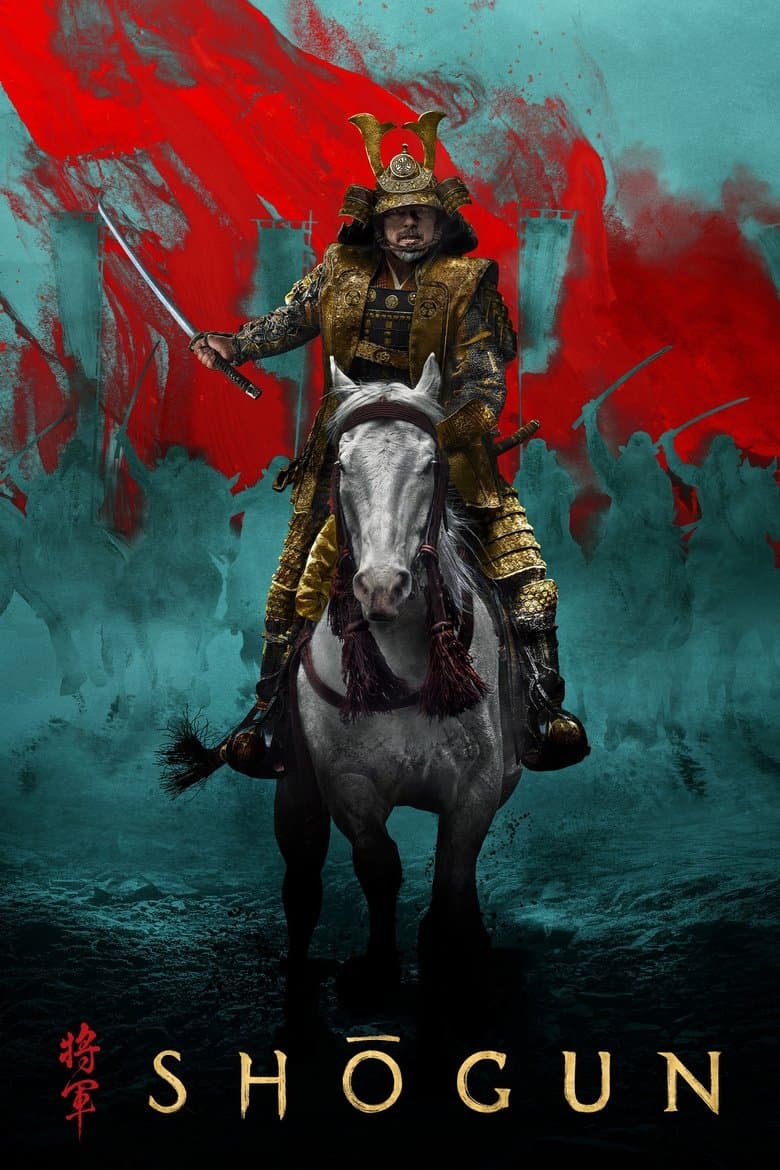
TV Show · 2024
In Japan in the year 1600, at the dawn of a century-defining civil war, Lord Yoshii Toranaga is fighting for his life as his enemies on the Council of Regents unite against him…
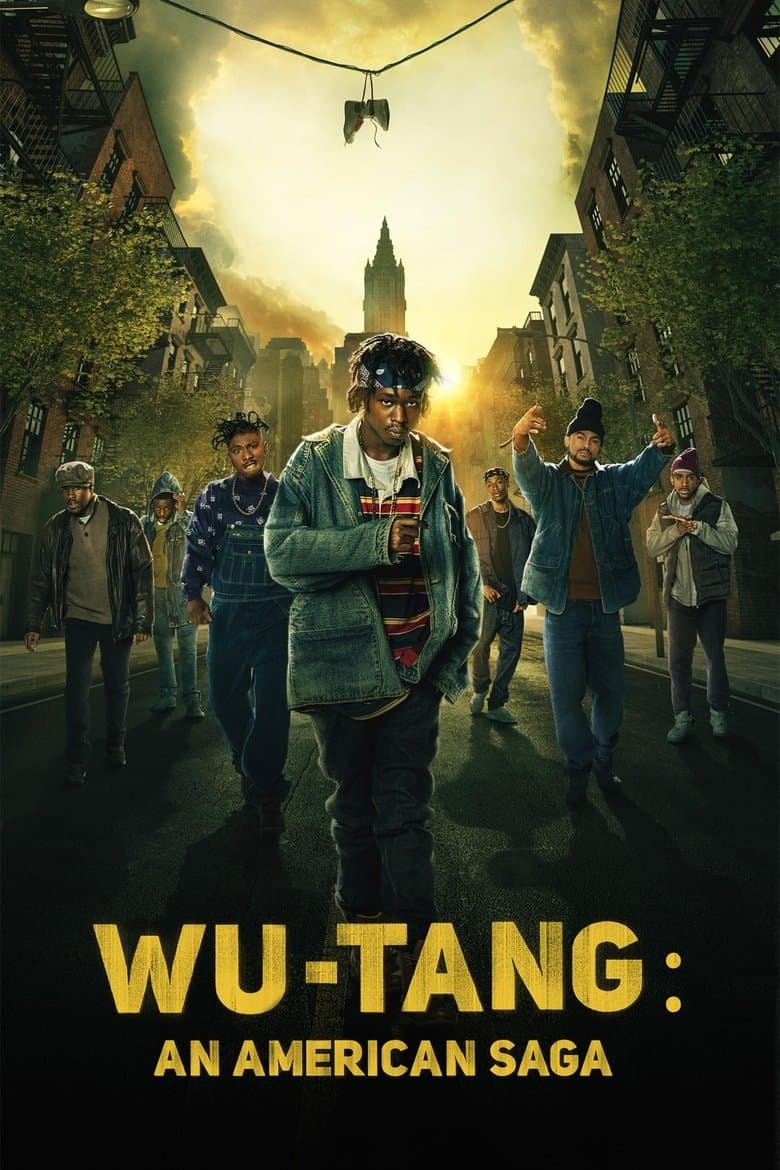
TV Show · 2019
In the early 1990s in New York, during the height of the crack cocaine epidemic, a visionary musician named Bobby Diggs aka The RZA begins to form a super group of a dozen young…
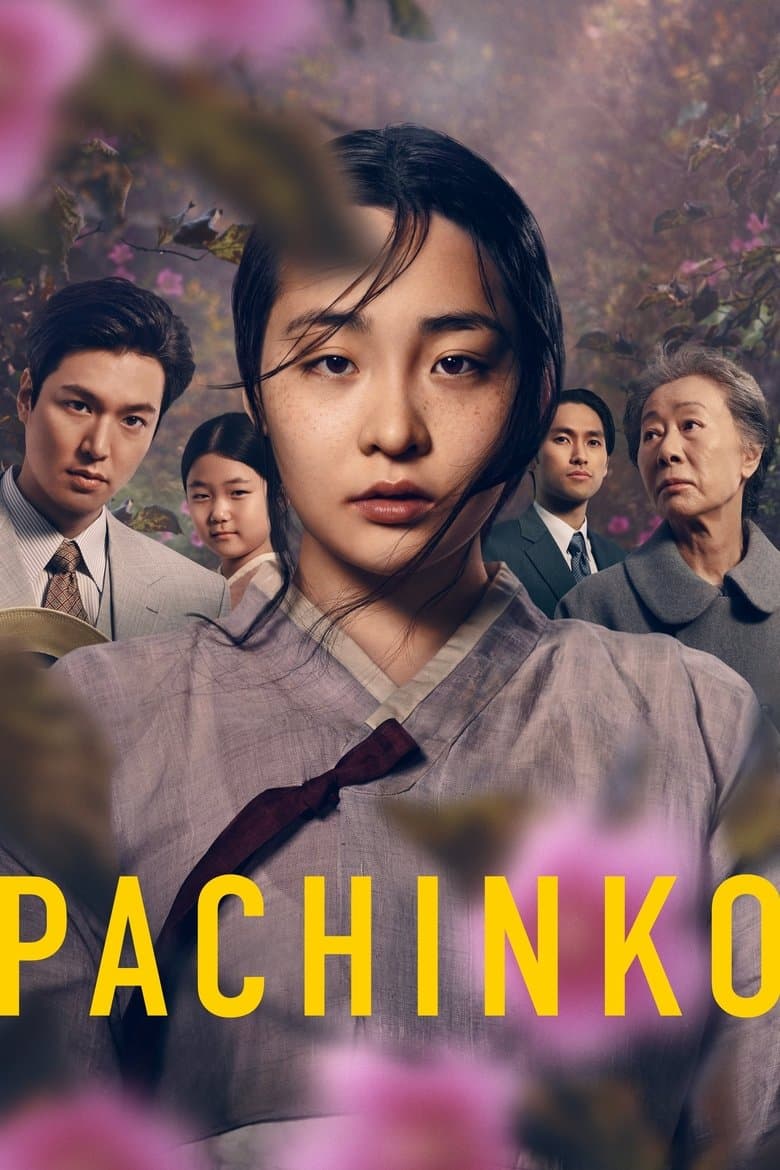
TV Show · 2022
This sweeping saga chronicles the hopes and dreams of a Korean immigrant family across four generations as they leave their homeland in an indomitable quest to survive and thrive.

TV Show · 2024
Fascinated by cars since childhood, Brazilian racer Ayrton Senna became a sports legend — until tragedy struck, changing Formula 1 forever.
TV Show · 2024
The true story of one Jewish family separated at the start of World War II, determined to survive—and to reunite.
TV Show · 2026
Rip Wheeler and Beth Dutton gamble everything on a new life in South Texas, but the promise of building a future far from the ghosts of Yellowstone quickly collides with brutal…
TV Show · 2022
Oscar-winning producer Al Ruddy’s never before revealed experiences of making the iconic 1972 film The Godfather that Francis Ford Coppola directed and adapted with Mario Puzo.

TV Show · 2026
The Clyburns uproot their comfortable New York City lives to the wild, untamed beauty of Montana's Madison River Valley on a search for connection.
