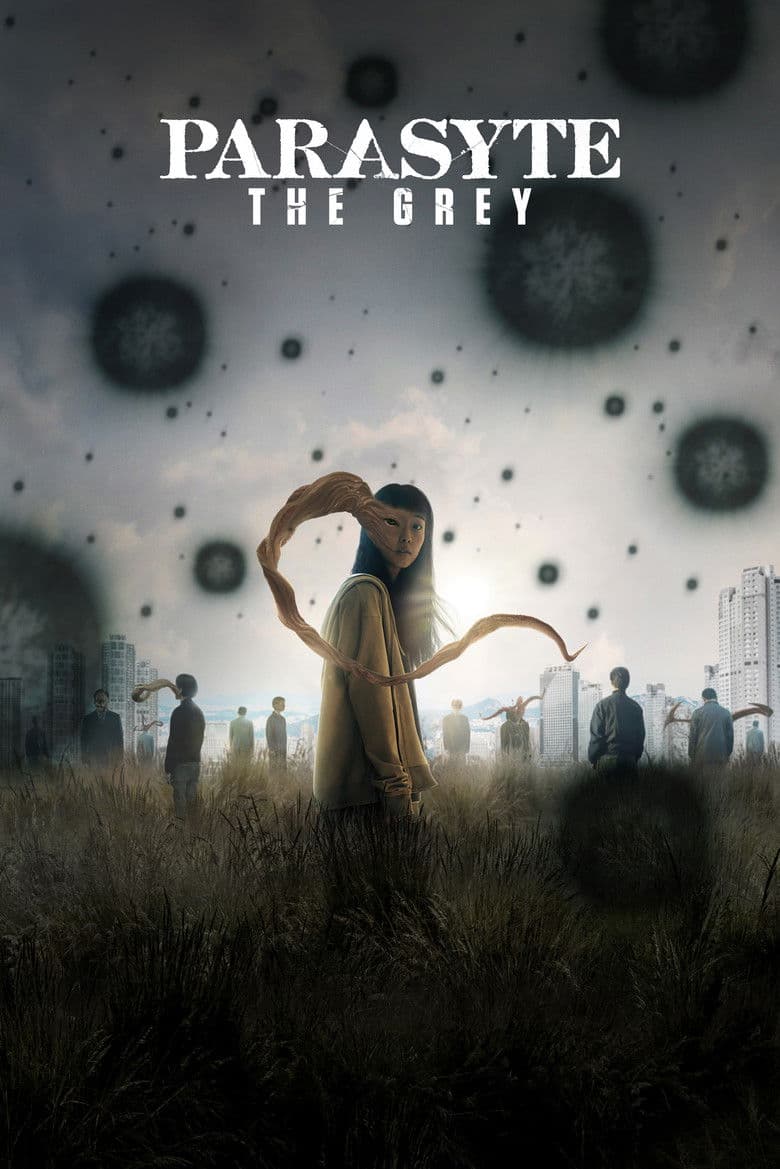
Started April 5, 2024 · Ended · Based on 1 season, 6 episodes through April 5, 2024 · TV-MA · 50 min · Korean
Parasyte: The Grey follows Jeong Su-in, a quiet supermarket worker in the South Korean city of Namil. After a killer stabs her, an alien parasite enters her body but cannot take her brain because she is badly hurt. The parasite, which Su-in calls Heidi, saves her life, while a government team called the Grey hunts every infected person. Su-in joins a small group that includes Seol Kang-woo, a gangster searching for his missing sister, and the show stays dark, bloody, and tense.
The clearest identity-driven element is the story's focus on a woman who must share one body with a different kind of life. Su-in and Heidi slowly learn to work together, and the ending favors coexistence over killing every outsider. Choi Jun-kyung, a woman who leads the anti-parasite team, makes harsh choices after losing her husband, while Su-in's past abuse shapes her fear of being alone. The season mostly explores trauma, loneliness, trust, family loss, cult control, and the question of what makes someone human.
Community feedback
Was our 33% Woke rating accurate?
Breakdown
These are the editorial factors and ratings behind our score for Parasyte: The Grey.
Woke representation / casting
Not present. The story has a female lead and female task-force chief, but their roles are part of the plot and are not presented as a diversity message.
0%
Woke political dialogue
Not present. Characters talk about survival, trust, coexistence, and parasite control. No clear modern identity, DEI, or activist line drives the dialogue.
0%
Identity-driven story themes
Su-in spends all six episodes caught between being human and being a parasite. The story treats her shared identity with Heidi as a reason to question simple ideas about who belongs. The finale favors coexistence and trust between different kinds of beings over killing every outsider. The theme stays tied to the monster plot rather than becoming a modern identity-politics campaign.
28%
Western institutional / cultural critique
Not present. The show has a parasite-controlled pastor, police moles, and an aggressive government team. Those failures come from the survival plot and are not framed as a modern critique of Western culture, capitalism, patriarchy, or Christianity.
0%
Woke character or canon changes
The series replaces the manga's Japanese teenage hero, Shinichi Izumi, with Jeong Su-in, an adult Korean woman. The story moves the main action from Japan to South Korea, which changes the lead's national identity and social world. This female lead is central to all six episodes, so the change is easy for viewers to see. The show presents itself as a new story in the same universe, and the finale brings Shinichi back as a separate character.
50%
Anti-woke backlash and complaints
A small Filmweb discussion called the female lead and the changed story a triumph of political correctness. Another post called the change indoctrination and said communism was advancing in another form. Other users said the series was a separate side story, so the discussion was mixed. The supplied X check found no wider anti-woke campaign.
5%
Creator track record context
Yeon Sang-ho has a moderate record of stories about class pressure, weak institutions, and people pushed aside. His title-related interviews stress coexistence, dependence, and the way groups are formed. Hitoshi Iwaaki mainly writes about nature, survival, and moral questions, while the listed producers have low to mild social-theme records. The creative context adds some social criticism, but it does not show a strong activist or DEI pattern.
42%
Production

TV Show · 2023
After the party of heroes defeated the Demon King, they restored peace to the land and returned to lives of solitude.
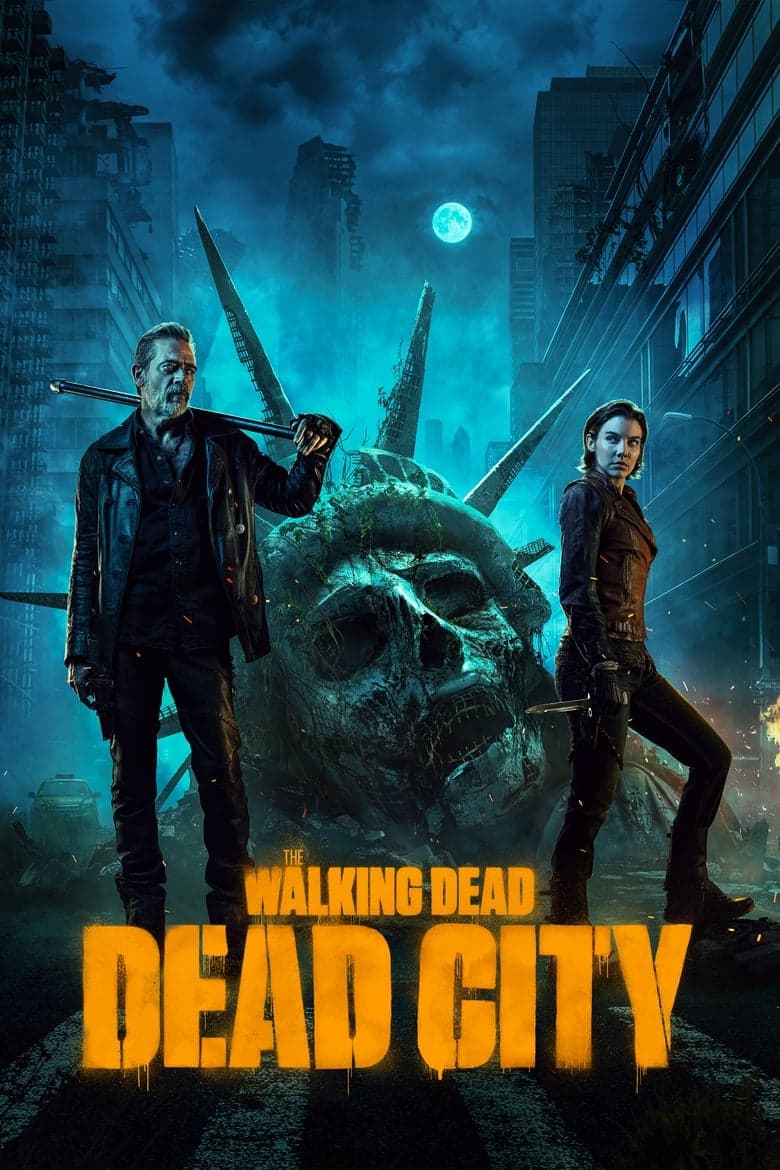
TV Show · 2023
Maggie and Negan travel to post-apocalyptic Manhattan - long ago cut off from the mainland. The crumbling city is filled with the dead and denizens who have made it a world full…

TV Show · 2020
Daimon and Ana Helstrom are the son and daughter of a mysterious and powerful serial killer. The siblings have a complicated dynamic as they track down the terrorizing worst of…

TV Show · 2023
After washing ashore in France, Daryl struggles to piece together how he got there and why, as he navigates a fractured, walker-infested landscape to find his way home.
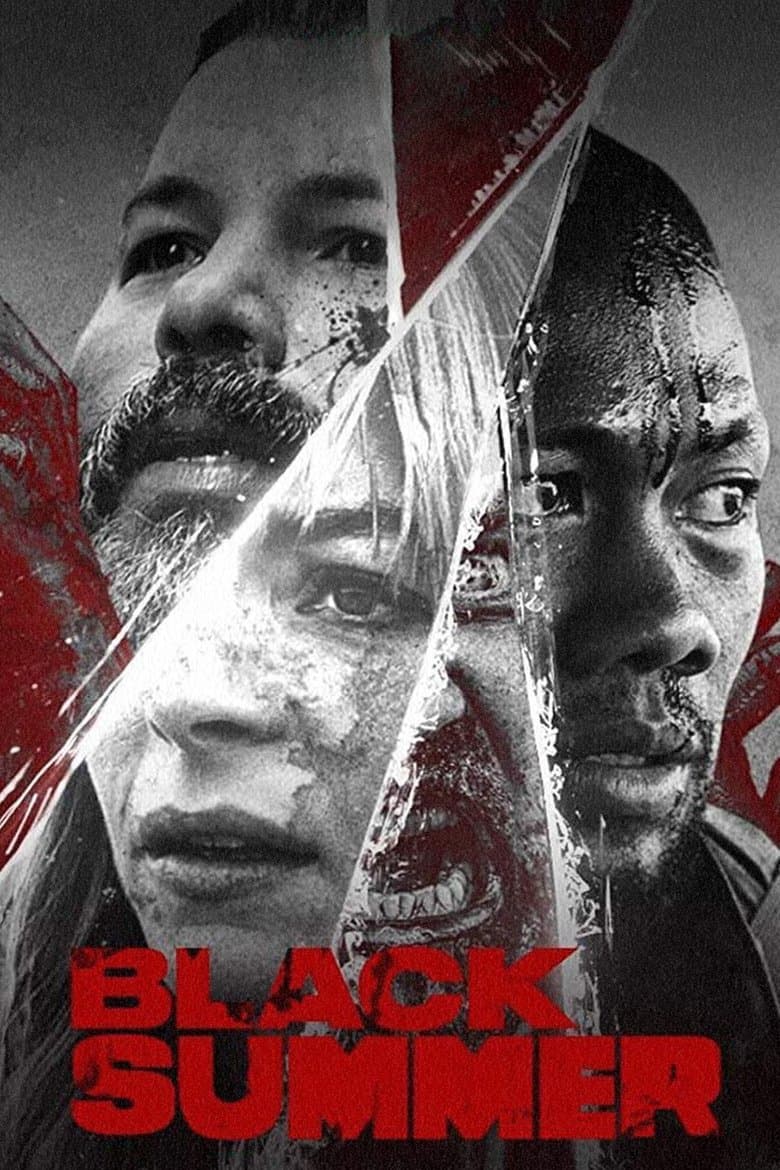
TV Show · 2019
In the dark, early days of a zombie apocalypse, complete strangers band together to find the strength they need to survive and get back to loved ones.
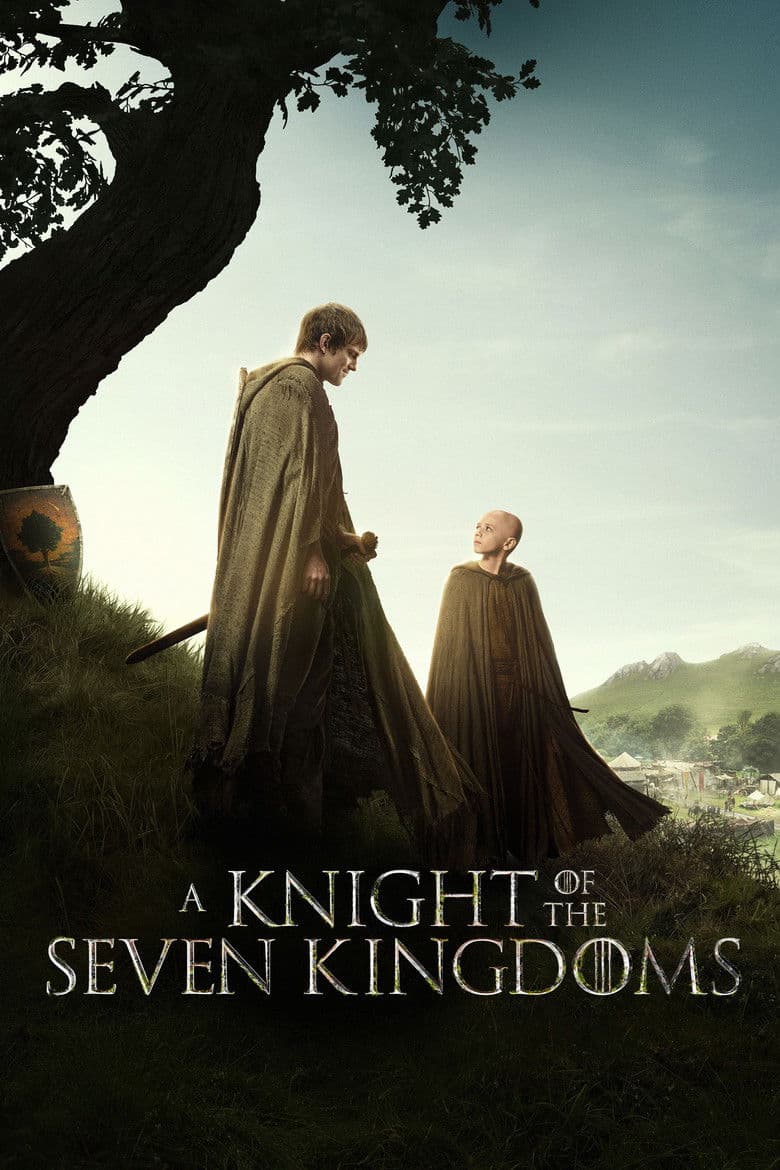
TV Show · 2026
A century before the events of Game of Thrones, two unlikely heroes wandered Westeros: a young, naive but courageous knight, Ser Duncan the Tall, and his diminutive squire, Egg.

TV Show · 2019
After a demon attack leaves his family slain and his sister cursed, Tanjiro embarks upon a perilous journey to find a cure and avenge those he's lost.

TV Show · 2022
A powerful sorceress in a blind woman's body encounters a man from a prestigious family, who wants her help to change his destiny.
