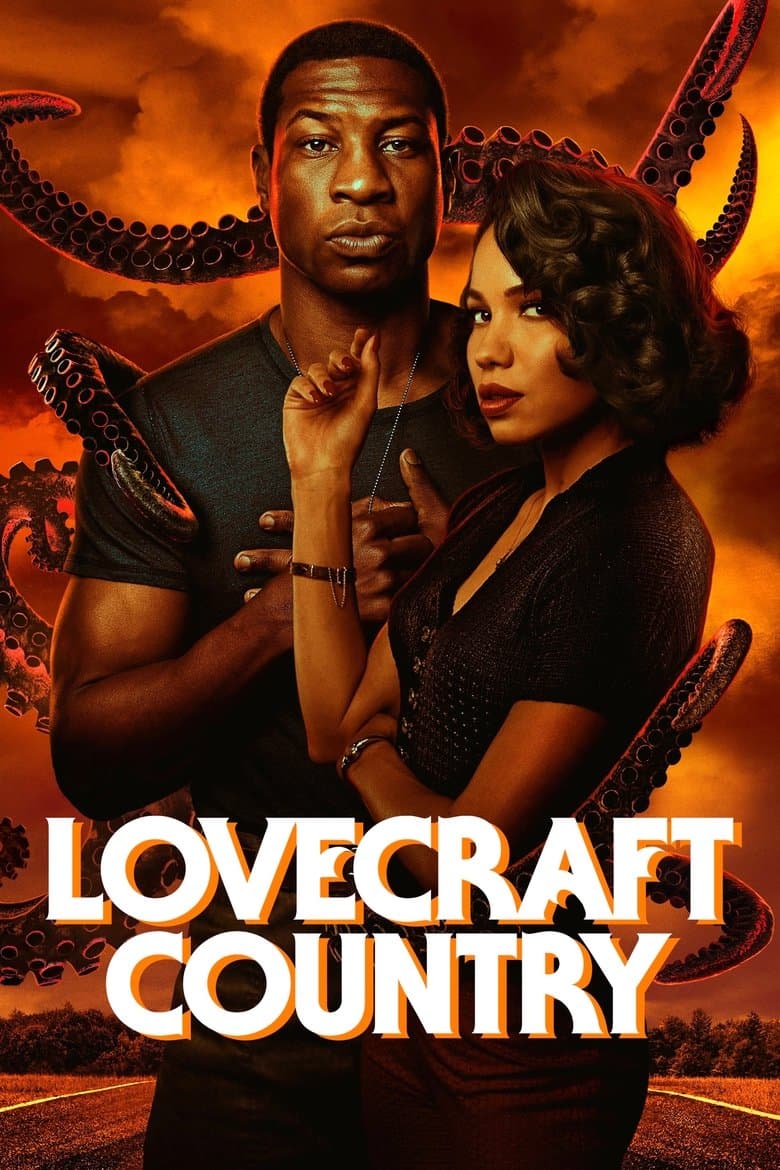
Started August 16, 2020 · Canceled · Based on 1 season, 10 episodes through October 18, 2020 · TV-MA · 60 min
Atticus Freeman is a young Black Korean War veteran living in 1950s America. He travels with Leti and his Uncle George to search for his missing father. The journey takes them through racist towns, secret magic groups, and deadly monsters. The show combines horror, science fiction, family drama, sex, and strong violence.
The show makes race and Black life central to its story. It connects racism, slavery, police violence, segregation, and white power to the supernatural events. Black women often lead the action, while queer characters and relationships appear in major subplots. The show also presents magic as a power held by white people until black characters take it away.
Community feedback
Was our 89% Woke rating accurate?
Breakdown
These are the editorial factors and ratings behind our score for Lovecraft Country.
Woke representation / casting
The main cast is mostly Black because the story follows a black family and their friends in 1950s America. The show gives repeated heroic and powerful roles to black women such as Leti, Ruby, Hippolyta, and Diana. The cast also includes queer characters and a major Korean character, which adds to the show’s clear focus on identity. The setting and story explain much of the casting, but the pattern is stronger than ordinary background diversity.
34%
Woke political dialogue
The characters often discuss racism, white supremacy, segregation, police violence, and the lasting effects of slavery. The show connects these subjects to modern ideas about race through songs, speeches, and repeated comparisons between the past and present. The dialogue appears across many episodes and is not limited to one historical event. The message forms a major part of the story.
48%
Identity-driven story themes
The show makes black identity and the history of racism central to nearly every major plot. The story shows how slavery, family trauma, colorism, sexism, and segregation shape the characters. Queer identity appears through Montrose, Yahima, Sammy, and Ruby’s relationship with Christina. The show also presents black women gaining power over magic, history, and their own bodies.
78%
Western institutional / cultural critique
The show presents white supremacy as a force built into police work, housing, science, family wealth, and secret societies. The story often links traditional male power with violence, control, and fear. White institutions usually protect the people who already hold power. The finale removes magic from every white person and gives the ending a direct group-based political message.
65%
Woke character or canon changes
The television version expands the roles of black women and gives them more control over the main story than the novel. The series also adds or greatly expands queer relationships and identity conflicts. These changes push the adaptation toward stronger themes about race, gender, and sexuality. The score stays moderate because the show remains a loose adaptation rather than a simple rewrite of a famous existing canon.
26%
Anti-woke backlash and complaints
Some viewers called the show “woke,” “anti-white,” or a “pandering” political story. Some horror fans complained that racism and identity politics took over the Lovecraft material. Some posts also objected to the ending, where white people lose access to magic. The complaints were visible online but were mixed with strong praise and were not the main public response.
38%
Creator track record context
Misha Green has a strong record of stories about black history, racial justice, and Black main characters. Several writers and directors have worked on projects about race, LGBTQ representation, and social justice. Jordan Peele also has a repeated history of using genre stories to discuss black identity and racism. This background matches the show’s content and raises the context score.
80%
Production
TV Show · 2024
Jason Dessen is abducted into an alternate version of his life. To get back to his true family, he embarks on a harrowing journey to save them from the most terrifying foe…
TV Show · 2020
A unique story told over two distinct halves, "Summer" follows Sam, a man drawn to a mysterious island off the British coast where he encounters a group of islanders set on…
TV Show · 2024
When a fatal accident occurs on board the International Space Station, a lone astronaut makes the heroic journey back to Earth, only to discover key pieces of her life—including…
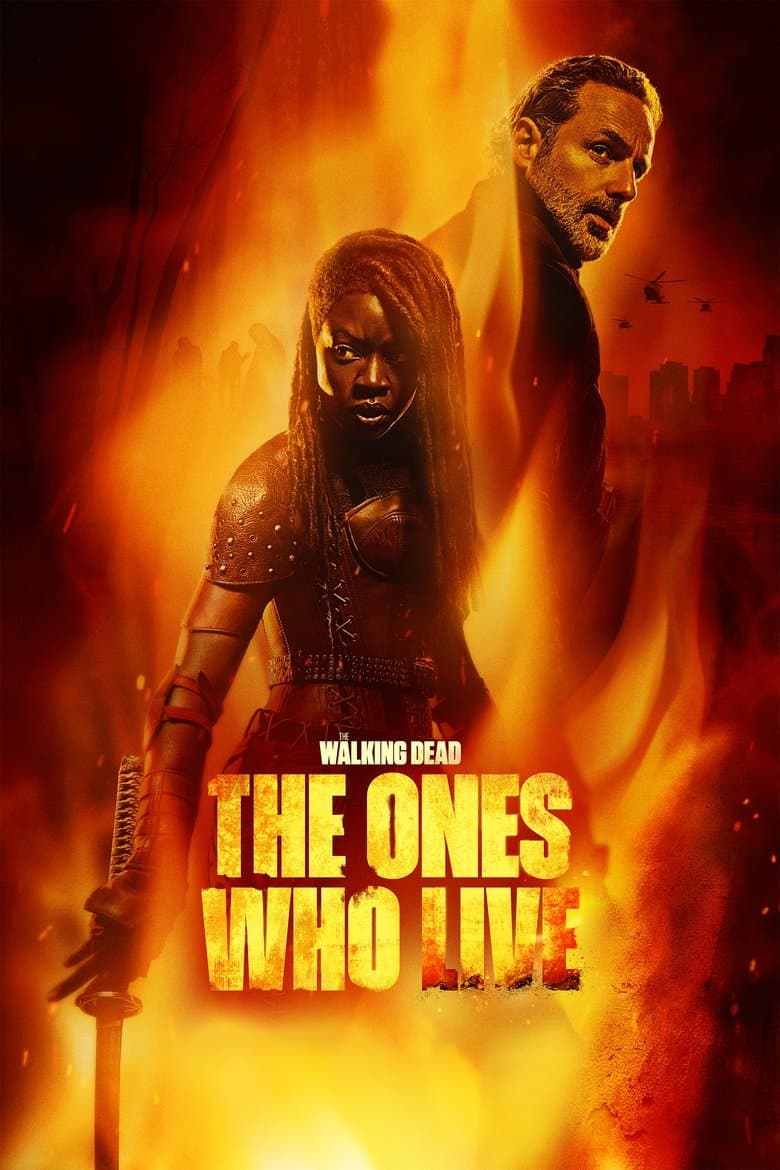
TV Show · 2024
Rick and Michonne are thrown into another world, built on a war against the dead... And ultimately, a war against the living.
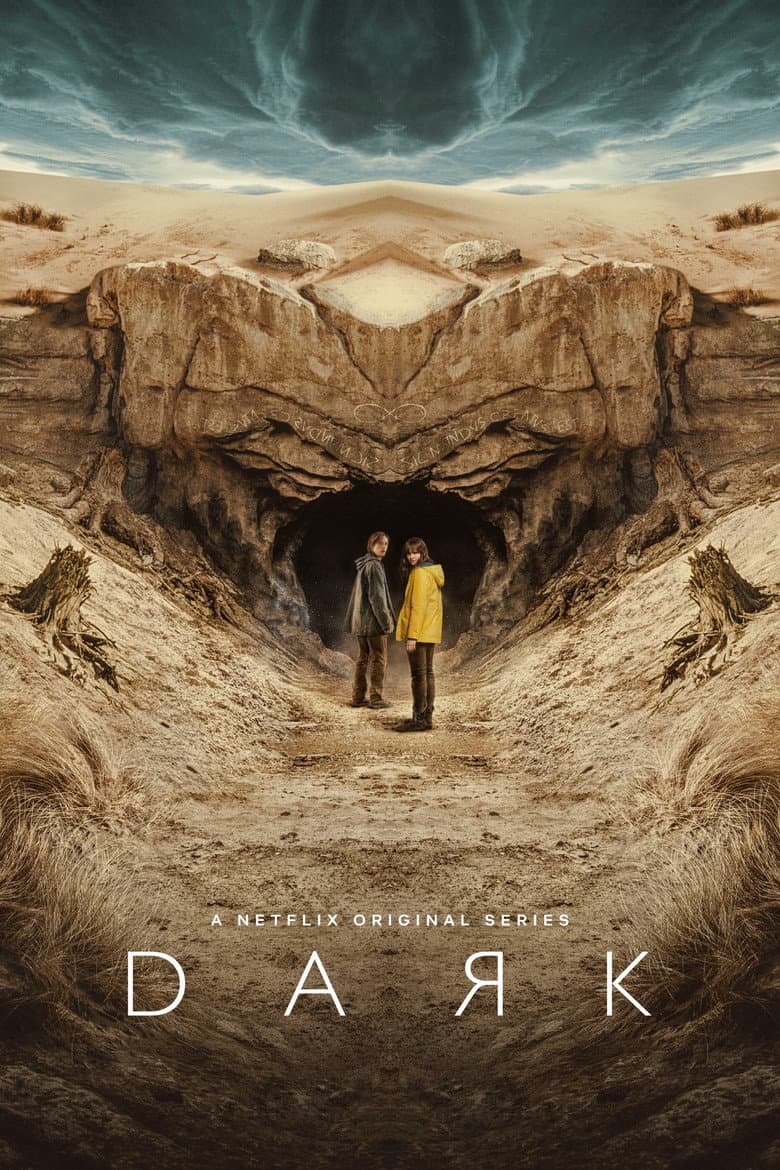
TV Show · 2017
A missing child sets four families on a frantic hunt for answers as they unearth a mind-bending mystery that spans three generations.
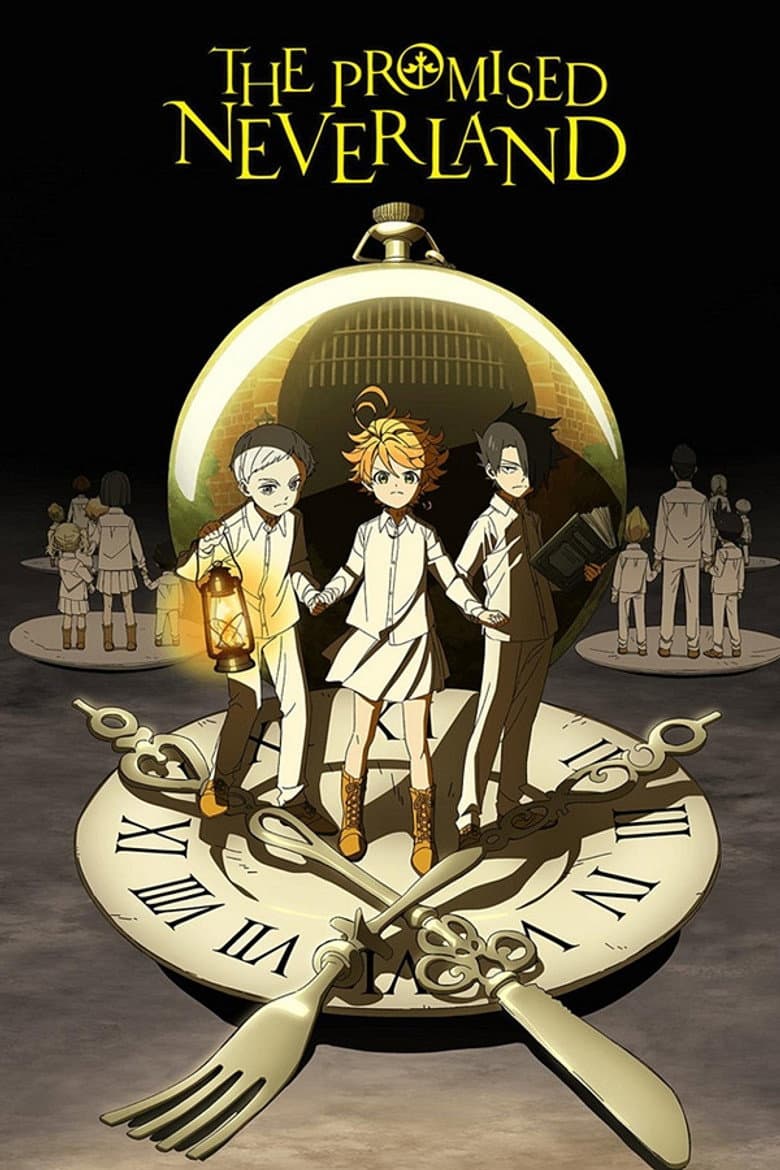
TV Show · 2019
Emma, Norman and Ray are the brightest kids at the Grace Field House orphanage. And under the care of the woman they refer to as “Mom,” all the kids have enjoyed a comfortable…
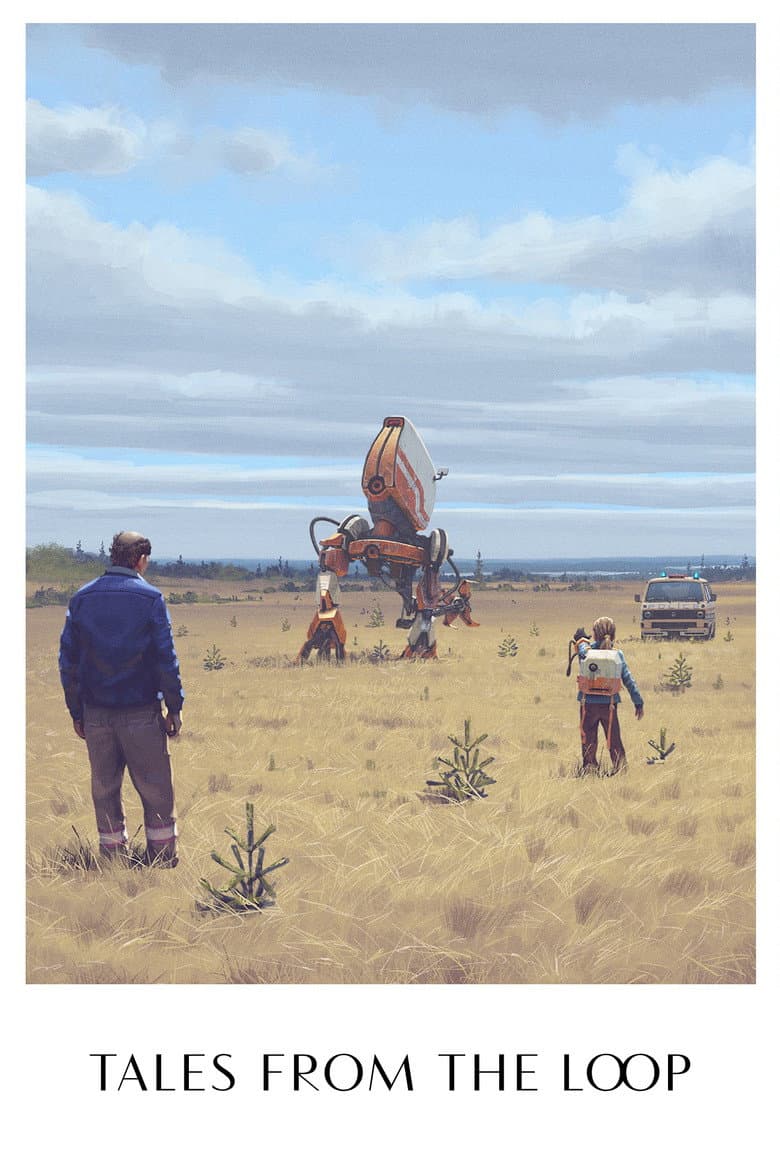
TV Show · 2020
The story of the town and people who live above “The Loop,” a machine built to unlock and explore the mysteries of the universe – making things possible that were previously…
TV Show · 2024
A mysterious event traps people on a rural Georgia farm, forcing them to unite against an unknown, deadly force. A young boy named Arlo becomes central to uncovering the truth.
