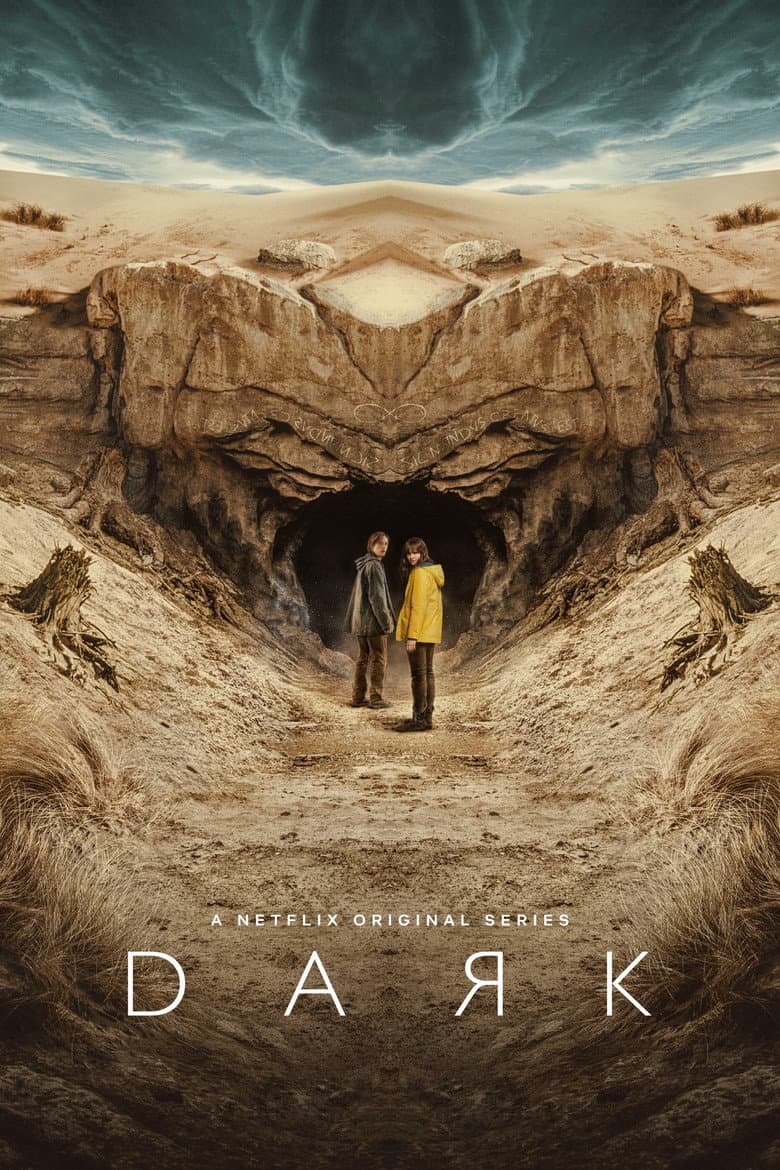
Started December 1, 2017 · Ended · Based on 3 seasons, 26 episodes through June 27, 2020 · TV-MA · German
Dark follows Jonas Kahnwald after his father dies and a boy disappears in the small German town of Winden. Jonas searches caves, homes, and broken family records while time travel links the town to 1953, 1986, 2019, and a ruined future. The story grows from a missing-child case into a fight against a repeating cycle that controls births, deaths, and family ties. The tone is cold, grim, and tense, with grief, secrets, murder, and strange science in nearly every episode.
Most of the story is about fate, free will, family love, guilt, and the damage people cause while trying to save someone. The show includes a secret 1950s affair between Agnes and Doris, plus Peter’s relationship with Bernadette, a trans woman who remains part of the story in several versions of Winden. Women such as Claudia and Charlotte hold major jobs and make key decisions, while Martha becomes a central player beside Jonas in the final season. These identity elements sit inside the larger time-loop mystery, which stays focused on family tragedy, sacrifice, and the search for a way out.
Community feedback
Was our 23% Woke rating accurate?
Breakdown
These are the editorial factors and ratings behind our score for Dark.
Woke representation / casting
Claudia is the first woman to run the nuclear plant, and Charlotte is the local police chief. The story also includes Bernadette, a recurring trans woman, although she is a side character. The rest of the cast is mostly white and German, which fits the small-town setting. These choices create a mild visible representation signal, but the show does not present them as a diversity campaign.
20%
Woke political dialogue
Not present. The show uses speeches about time, fate, death, and choice. It has no recurring dialogue about DEI, gender politics, or activist causes.
0%
Identity-driven story themes
The show gives a clear side story to Agnes and Doris, who begin a secret relationship in the 1950s. The show also follows Peter’s affair with Bernadette, a trans woman, and places them together in the final origin-world dinner. Martha becomes a key force in the last season, while Claudia and Charlotte often lead investigations or make major choices. These identity and gender elements recur across the series, but the main story remains about time, family, fate, and grief.
28%
Western institutional / cultural critique
Not present. The nuclear plant and police sometimes hide facts, but that drives the mystery instead of a modern activist attack on Western institutions. The show does not make capitalism, traditional family life, Christianity, or male power the target of its main message.
0%
Woke character or canon changes
Not relevant. Dark is an original story rather than a remake or adaptation. Its alternate worlds change relationships and family lines as part of the time-travel plot, not as an identity rewrite of an existing character.
0%
Anti-woke backlash and complaints
Not present. Coverage and online discussion focus on the show's complexity, ending, and fan theories. No major anti-woke campaign or reported complaint about DEI, race, gender politics, or queer messaging appears.
0%
Creator track record context
The key creators are mostly known for dark genre stories about family, fear, time, and identity rather than activism. Martin Behnke has a stronger record of stories about migration and race. Producers Kelly Luegenbiehl, Amanda Krentzman, and Erik Barmack have worked in representation-focused parts of Netflix and international television. Their wider records add a mild context signal, but interviews about Dark focus on its story and German setting, not on a social campaign.
18%
Production
TV Show · 2020
A unique story told over two distinct halves, "Summer" follows Sam, a man drawn to a mysterious island off the British coast where he encounters a group of islanders set on…
TV Show · 2021
A year after a subglacial volcano erupts, mysterious elements from prehistoric times emerge from the melting ice, bringing unforeseen consequences.
TV Show · 2024
A young boy growing up in the suburbs of 1980s Brisbane faces the harsh realities of life — and the looming dangers that threaten his family.
TV Show · 2021
Interconnected phone conversations chronicle the mysterious story of a group of strangers whose lives are thrown into disarray in the lead-up to an apocalyptic event.
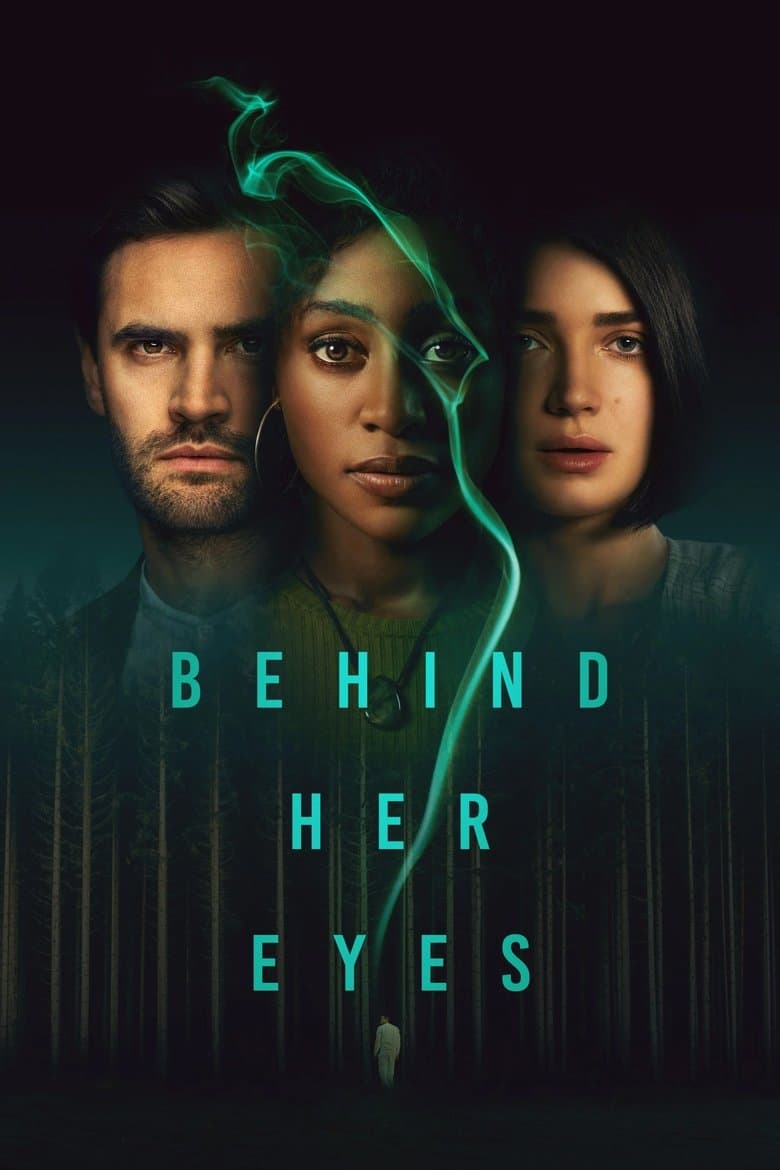
TV Show · 2021
A single mother enters a world of twisted mind games when she begins an affair with her psychiatrist boss while secretly befriending his mysterious wife.
TV Show · 2017
A demented serial killer taunts a retired police detective with a series of lurid letters and emails, forcing the ex-cop to undertake a private, and potentially felonious, crusade…
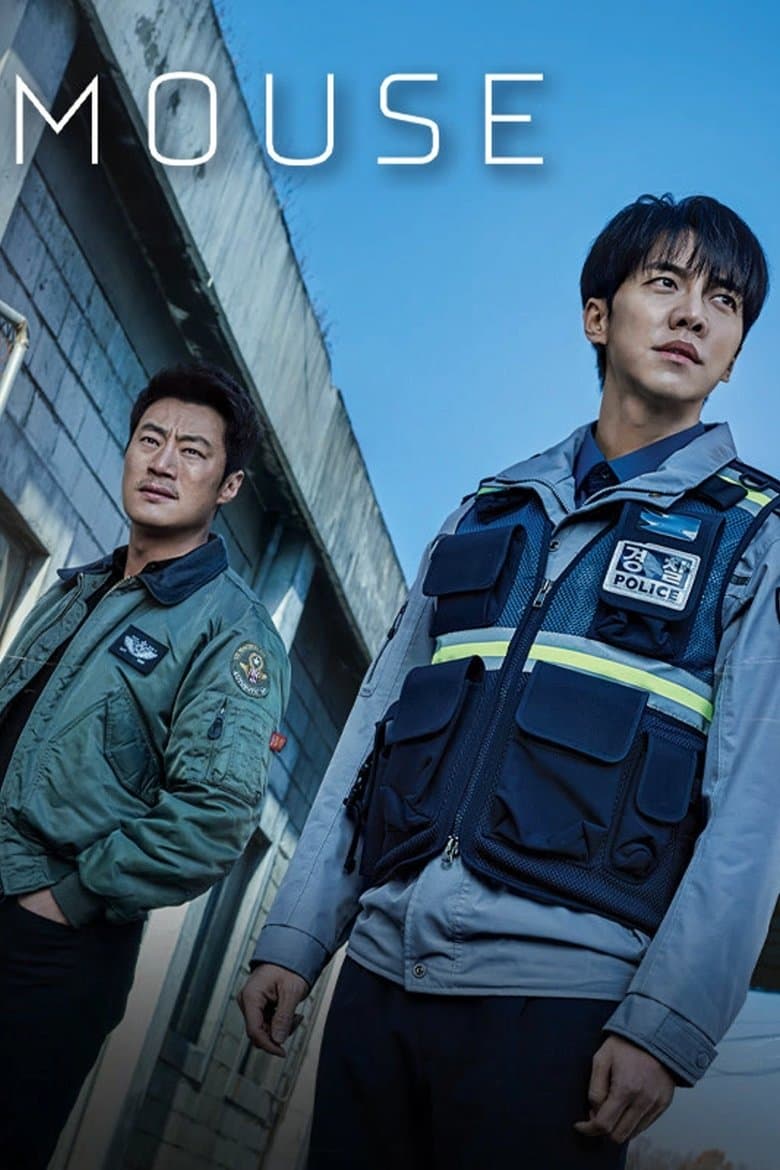
TV Show · 2021
A psychopath's ruthless serial murders have left the entire nation gripped by fear and chaos. An honest, justice-seeking rookie police officer and a veteran detective with a…
TV Show · 2022
An archivist takes a job restoring damaged videotapes and gets pulled into the vortex of a mystery involving the missing director and a demonic cult.
