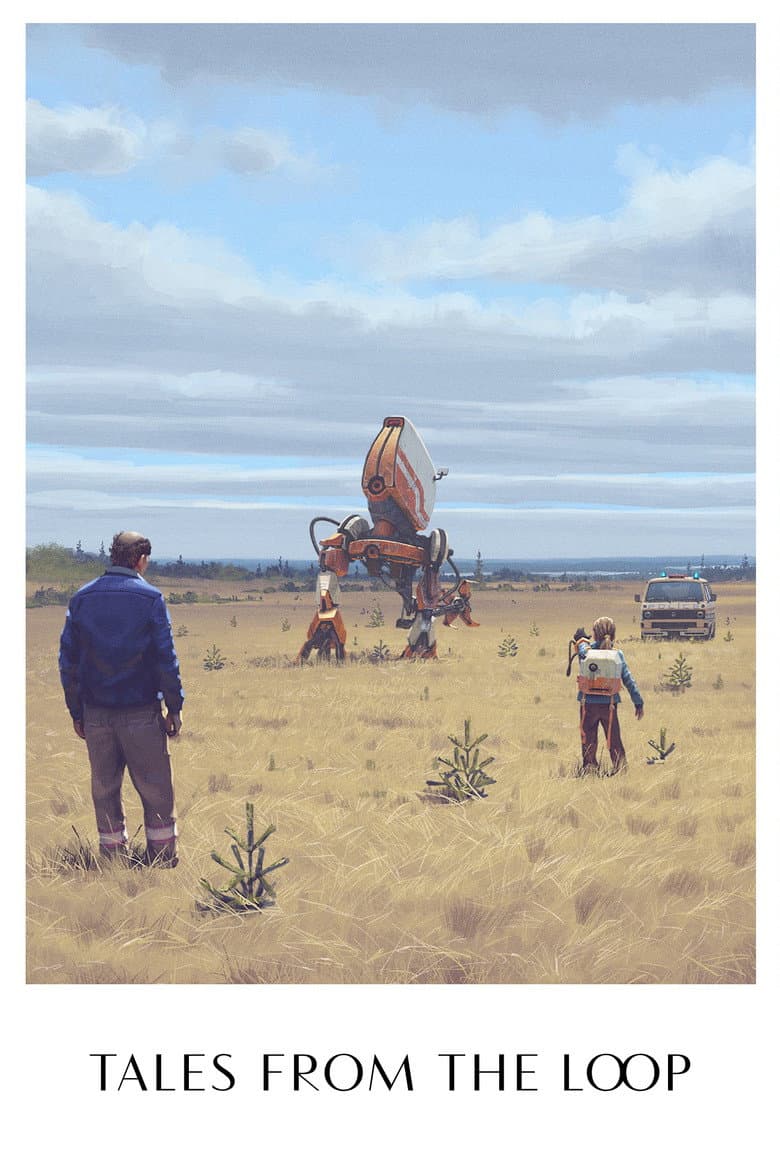
Started April 3, 2020 · Ended · Based on 1 season, 8 episodes through April 3, 2020 · TV-MA
Tales from the Loop follows the people of Mercer, Ohio, a small town built above a secret science center called the Loop. The center's experiments bend time, space, bodies, and machines, but each episode stays close to one person's problem. Young Cole tries to understand his family's strange history while Loretta, his mother, faces the cost of her work and the passing of time. The tone is quiet, sad, and hopeful, with family love, loss, loneliness, and growing up at its center.
The clearest identity-focused story comes in “Parallel,” which follows Gaddis, a black gay security guard, as he meets a version of himself who lives with a man named Alex. The episode treats the same-sex relationship as a normal love story and ends with Gaddis becoming more open to love. The show also gives major roles to a Chinese-American teen who repairs machines and to women who work as physicists. These choices are visible, but the season does not turn them into political speeches or a larger campaign about identity.
Community feedback
Was our 29% Woke rating accurate?
Breakdown
These are the editorial factors and ratings behind our score for Tales from the Loop.
Woke representation / casting
The main family is white, but the season gives key episodes to Gaddis, a black gay guard, and to May and Ethan, two Asian teens. Loretta and Alma are also important physicists, and May is skilled at repairing machines. These choices create a repeated pattern of visible diversity and female competence in the cast. The show does not frame the casting as a public diversity campaign, so the signal is clear but limited.
28%
Woke political dialogue
Not present. The season has no recurring speeches about elections, activism, DEI, or left-wing politics. Characters talk about science, love, family, death, and loneliness instead.
0%
Identity-driven story themes
Gaddis's story in “Parallel” makes his gay identity and search for love with men the main conflict. The alternate world gives him a male partner named Alex and shows a same-sex relationship as normal and worth taking seriously. The episode ends with Gaddis opening himself to a possible relationship with Kent. This is a substantial identity-driven story, but it is mainly one episode rather than the season's main subject.
32%
Western institutional / cultural critique
Not present. The Loop causes strange events, but the story does not present it as a symbol of capitalism, patriarchy, or Western institutions. Family conflicts do not attack men, religion, or traditional family life through a modern activist message.
0%
Woke character or canon changes
Not relevant. The series expands Simon Stålenhag's paintings and game setting into original stories in Mercer, Ohio. It does not change a known character or real historical figure to make an identity point.
0%
Anti-woke backlash and complaints
Not present. The supplied X pass found no anti-woke complaints, and launch coverage did not report a backlash about diversity or identity politics. Available audience discussion focused on the slow pace, confusing plot, and mood.
0%
Creator track record context
Nathaniel Halpern and Simon Stålenhag have low cached scores and no clear identity-activist record. Most listed directors and producers have low or moderate cached scores. So Yong Kim has a stronger queer and women's-rights film record, while Jodie Foster and Dearbhla Walsh have progressive or LGBTQ-cinema links. This gives the project some background signal, but the title is not publicly framed as an activist work.
30%
Production
TV Show · 2016
Kyle Barnes has been plagued by possession since he was a child. Now an adult, he embarks on a spiritual journey to find answers, but what he uncovers could mean the end of life…
TV Show · 2017
A demented serial killer taunts a retired police detective with a series of lurid letters and emails, forcing the ex-cop to undertake a private, and potentially felonious, crusade…
TV Show · 2022
An archivist takes a job restoring damaged videotapes and gets pulled into the vortex of a mystery involving the missing director and a demonic cult.
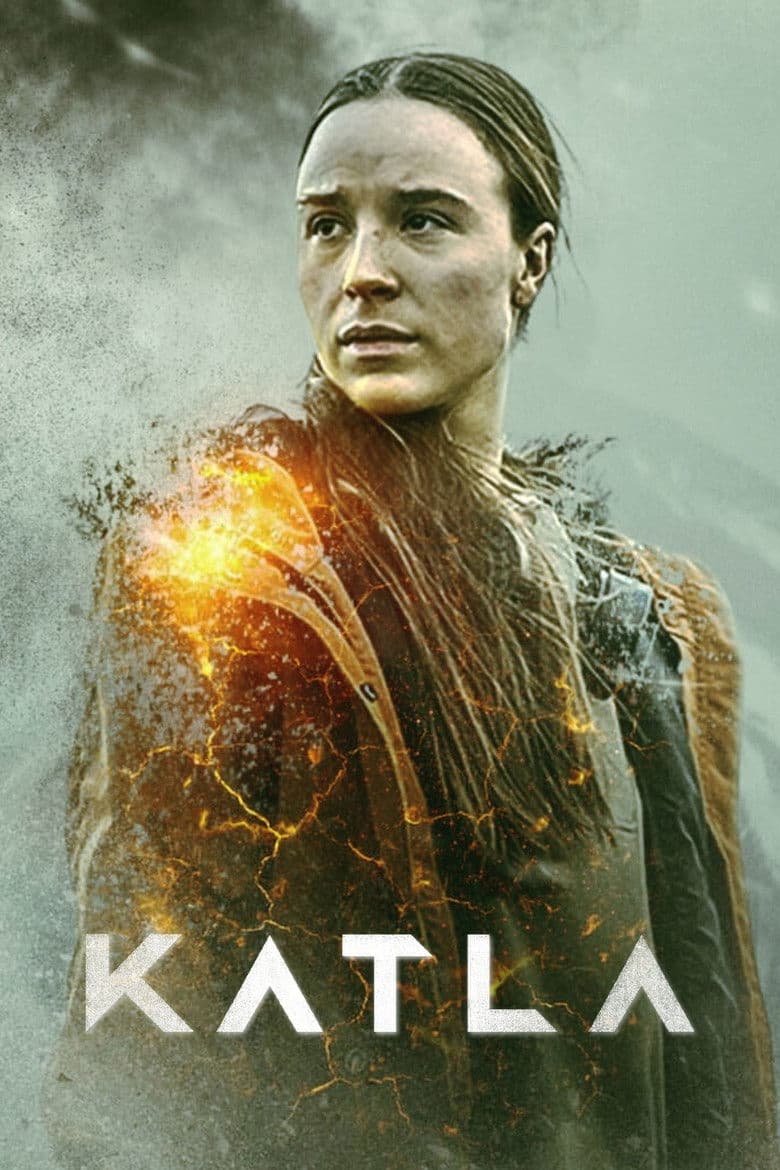
TV Show · 2021
A year after a subglacial volcano erupts, mysterious elements from prehistoric times emerge from the melting ice, bringing unforeseen consequences.
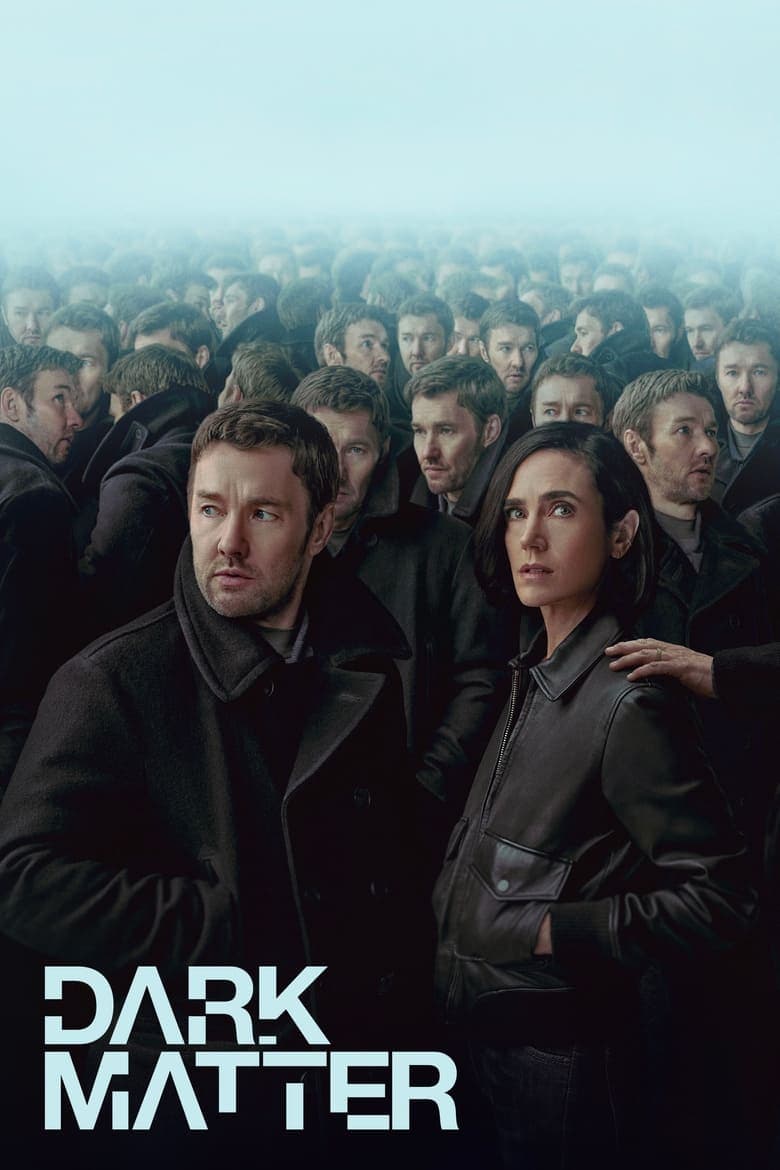
TV Show · 2024
Jason Dessen is abducted into an alternate version of his life. To get back to his true family, he embarks on a harrowing journey to save them from the most terrifying foe…

TV Show · 2023
At the brink of going to hell, Yee-jae must cycle through twelve separate lives and twelve separate deaths in this reincarnation drama.
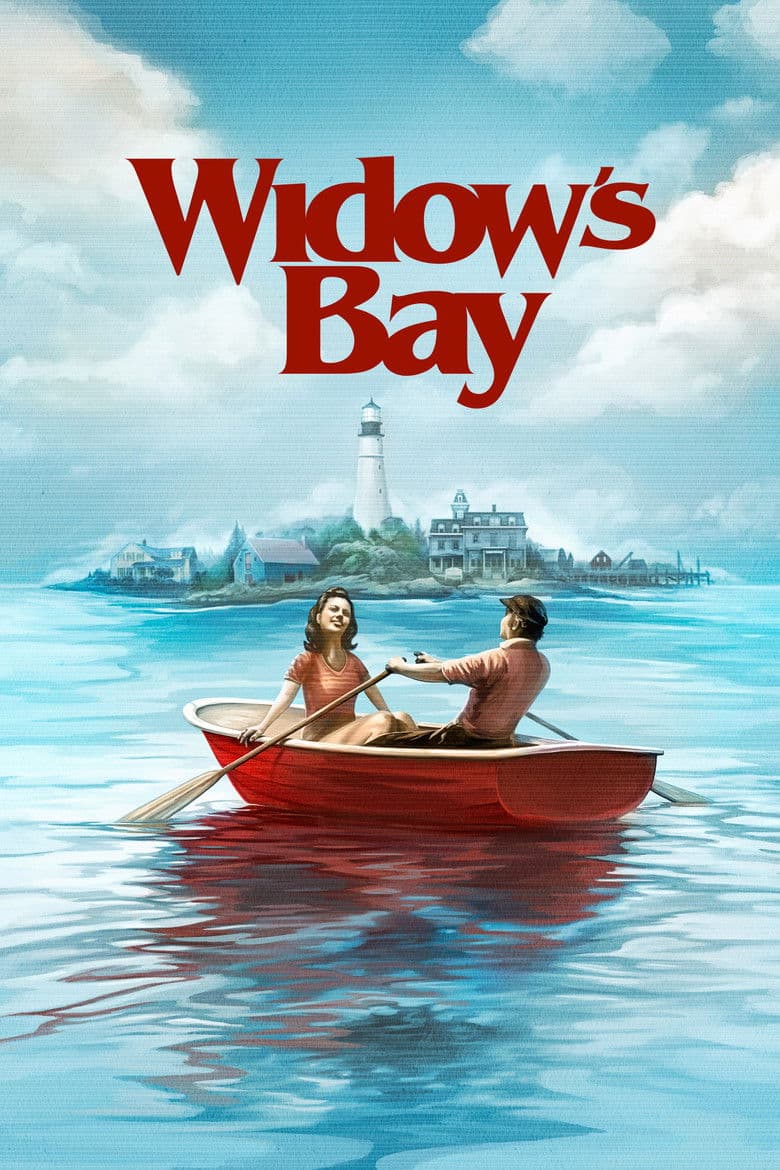
TV Show · 2026
The mayor of a New England town resolves to turn it into the next tourist hot spot, despite local warnings that it's cursed.
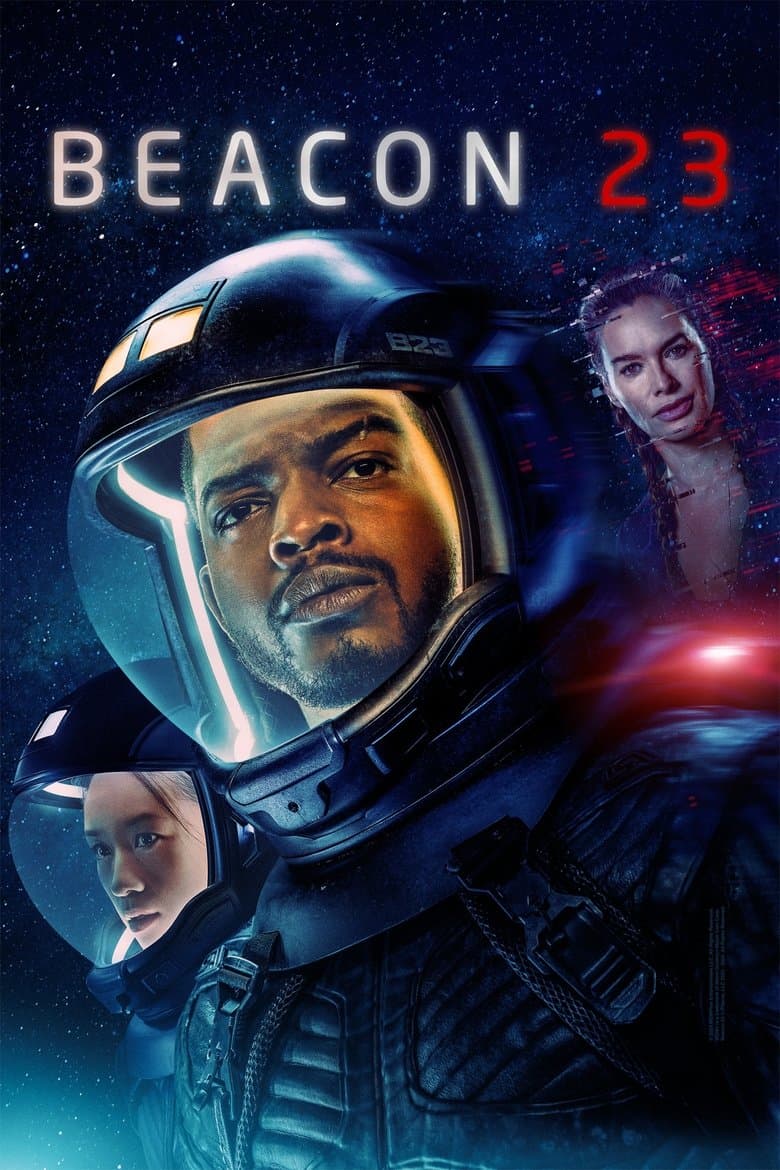
TV Show · 2023
Aster Calyx and Halan Kai Nielsen are inextricably drawn to Beacon 23. Navigating one threat after another, they unravel the beacon’s mysteries, just in time to face their most…
