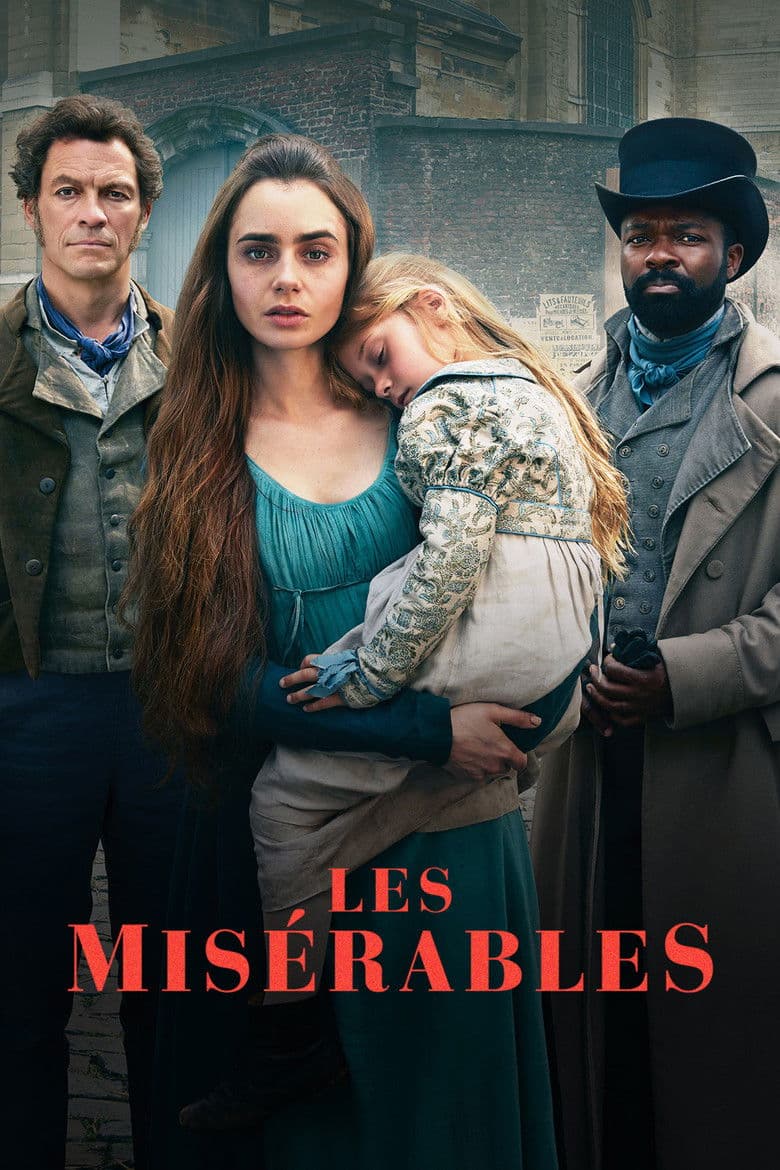
Started December 30, 2018 · Ended · Based on 1 season, 6 episodes through February 3, 2019 · TV-14 · 60 min
Set in France from 1815 to 1832, this six-part drama follows Jean Valjean after 19 years in prison for stealing bread. A bishop’s mercy helps Valjean change, but Inspector Javert spends years chasing him because he believes the law can never be broken. Valjean builds a new life, protects Fantine’s daughter Cosette, and faces a final test when Paris rises in revolt. The tone is grim and emotional, with prison cruelty, poverty, abuse, war, romance, and brief dark humor.
The show makes poverty and harsh laws central to the story. Fantine loses her job after her hidden child is discovered, and men leave her to face hunger, shame, and selling sex alone. The students and workers who join the 1832 uprising speak about rich and poor people, unfair power, and the need for change. The diverse cast is most visible in David Oyelowo’s Black Javert and other prominent roles, while the story stays focused on mercy, justice, sacrifice, love, and redemption.
Community feedback
Was our 50% Woke rating accurate?
Breakdown
These are the editorial factors and ratings behind our score for Les Misérables.
Woke representation / casting
The series puts black British actor David Oyelowo in the major role of French police inspector Javert. The show also uses other visibly non-white actors in prominent roles, including Adeel Akhtar as Thenardier and Archie Madekwe as Courfeyrac. The BBC and cast describe the approach as inclusive, color-blind casting meant to reflect a more mixed modern audience. The story gives no race-based reason for these choices, so the pattern is audience-visible even though race does not drive the plot.
44%
Woke political dialogue
The young rebels and working people repeatedly talk about the gap between rich and poor. Characters also speak about harsh laws, prison labor, and poverty as signs of an unfair social order. Those ideas return from Valjean’s prison years through the Paris uprising, so they are more than one short speech. The language stays tied to Hugo’s 19th-century revolution and does not often use modern identity or party politics.
25%
Identity-driven story themes
Fantine’s story repeatedly shows how a poor woman is punished for sex, motherhood, and having no safe work. The show treats her fall into selling sex as a failure of the society around her, not simply as a personal choice. Cosette and Eponine also face abuse, control, and limited choices because they are young women. These themes come from Hugo’s older story and are not framed through modern identity language.
22%
Western institutional / cultural critique
The series presents the prison system and police law as harsh institutions that can crush poor people. The factory workplace and police also fail Fantine when they value respectability and order over her child or poverty. The young rebels attack the ruling order and call for a fairer society. These ideas recur across the season, but the show keeps them in the 1830s and does not directly attack present-day Western culture.
28%
Woke character or canon changes
The series gives the important French police inspector Javert to David Oyelowo, a black British actor. The BBC openly described the casting as a non-literal, inclusive choice that would help a modern audience see itself in the story. The show does not make Javert’s race part of his plot, and it does not rewrite the main events around identity. This is a clear identity-based change to a famous character, but it is mostly a casting change.
35%
Anti-woke backlash and complaints
A Spectator Australia column called the casting a BBC “woke quota” example. Small X accounts also complained that a Black Javert and an interracial Thénardier family rewrote French history. The separate X pass found no clear boycott, review-bombing drive, or large organized campaign, and some viewers later praised Oyelowo.
15%
Creator track record context
David Oyelowo provides the strongest supporting context because he is known for civil-rights stories and public comments about race and diversity. Victor Hugo’s reform-minded history includes opposition to the death penalty, support for abolition, and concern for the poor, but it predates modern identity politics. Andrew Davies and Tom Shankland have little activist history, and the other listed producers also have little activist record. This context supports the casting and social themes, but it is not the main source of the show’s message.
27%
Production
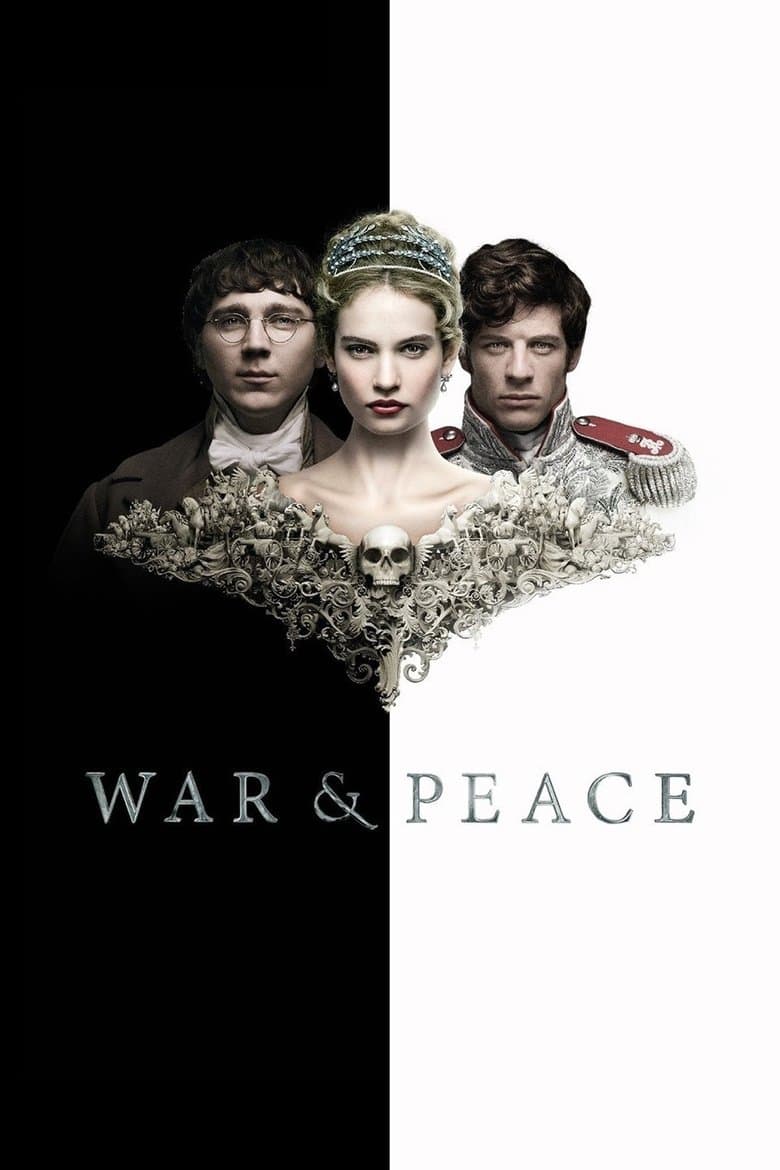
TV Show · 2016
The love story of young Countess Natasha Rostova and Count Pierre Bezukhov is interwoven with the Great Patriotic War of 1812 against Napoleon's invading army.
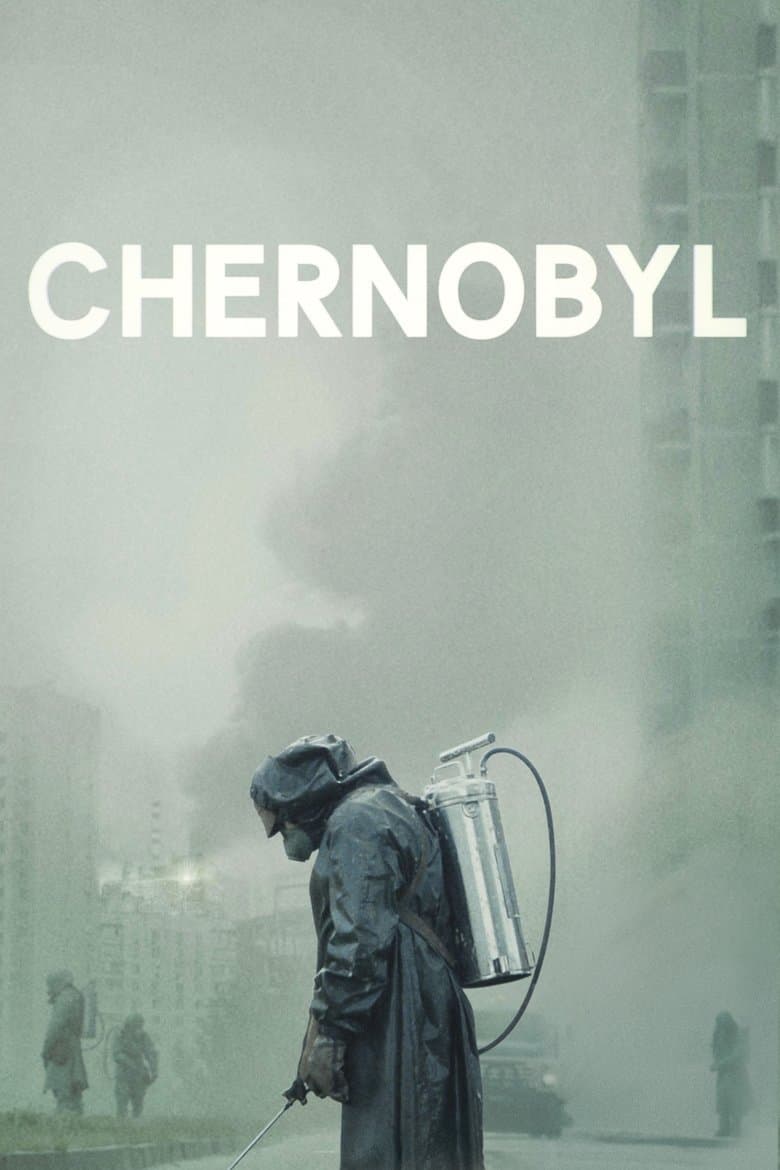
TV Show · 2019
The true story of one of the worst man-made catastrophes in history: the catastrophic nuclear accident at Chernobyl.
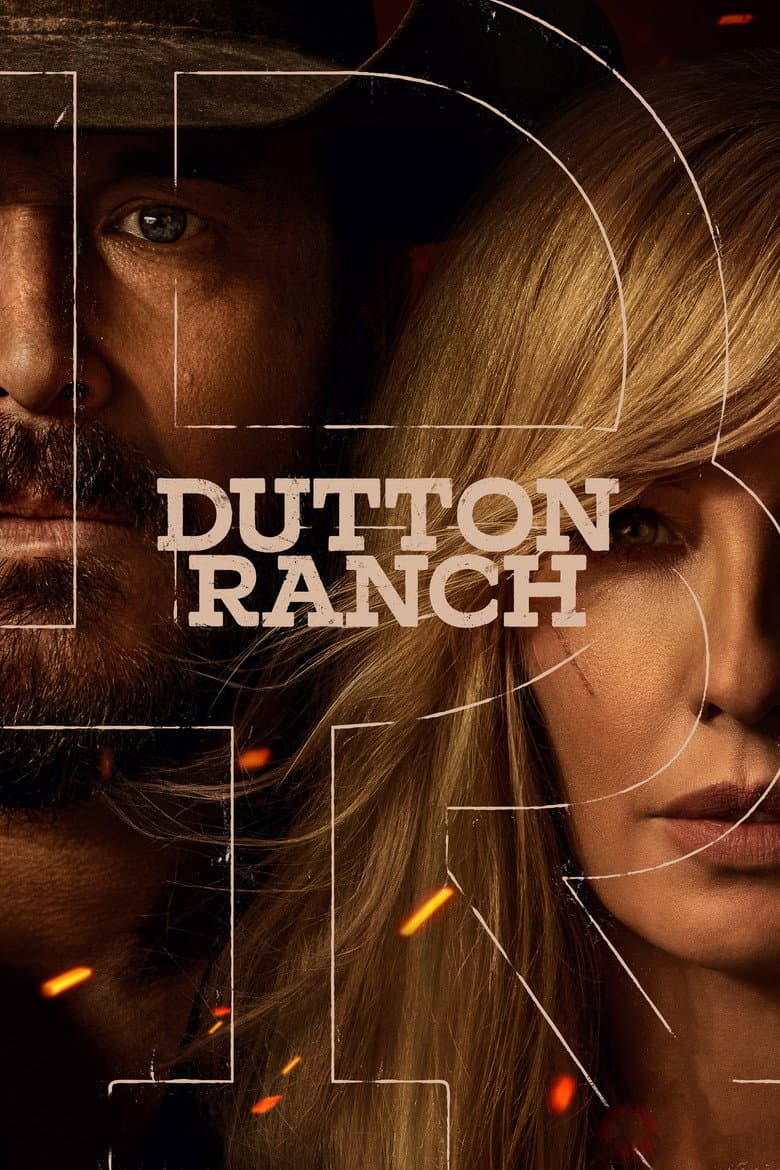
TV Show · 2026
Rip Wheeler and Beth Dutton gamble everything on a new life in South Texas, but the promise of building a future far from the ghosts of Yellowstone quickly collides with brutal…
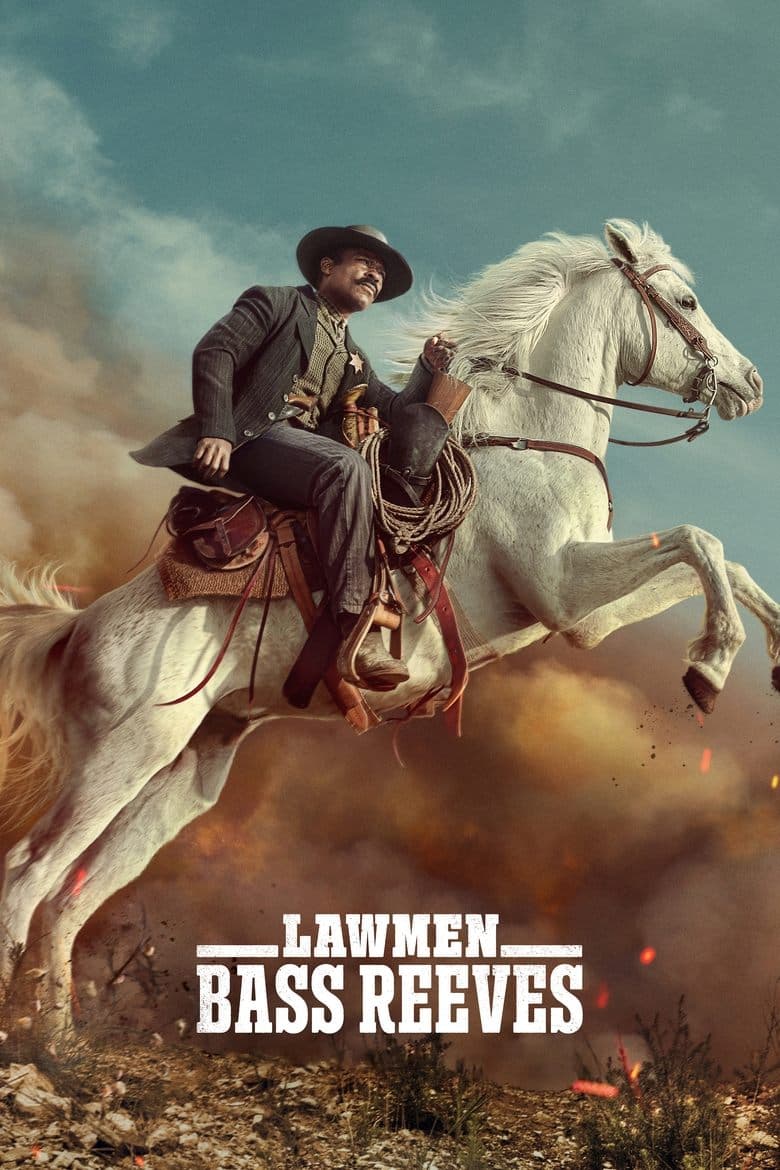
TV Show · 2023
The story of Bass Reeves, the legendary lawman of the wild West, is brought to life. Reeves worked in the post-Reconstruction era as a federal peace officer in the Indian…
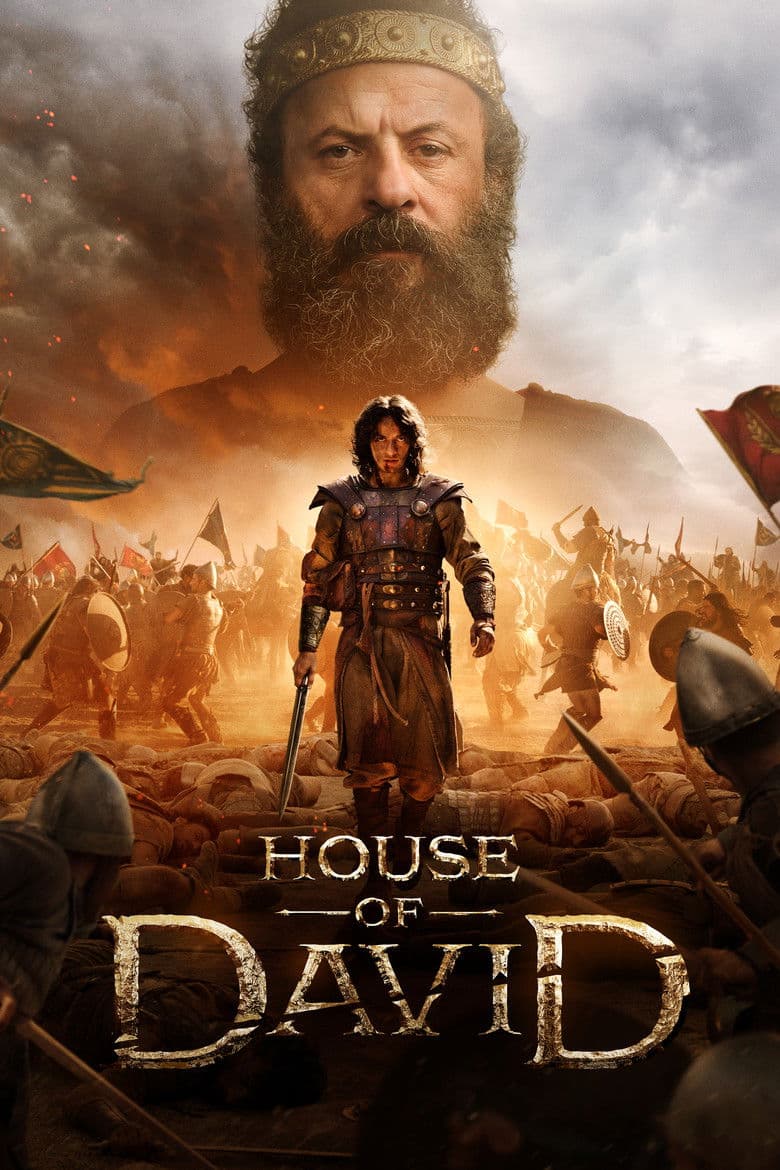
TV Show · 2025
Tells the story of the ascent of the biblical figure, David, who becomes the most celebrated king of Israel. The series follows the once-mighty King Saul as he falls victim to his…
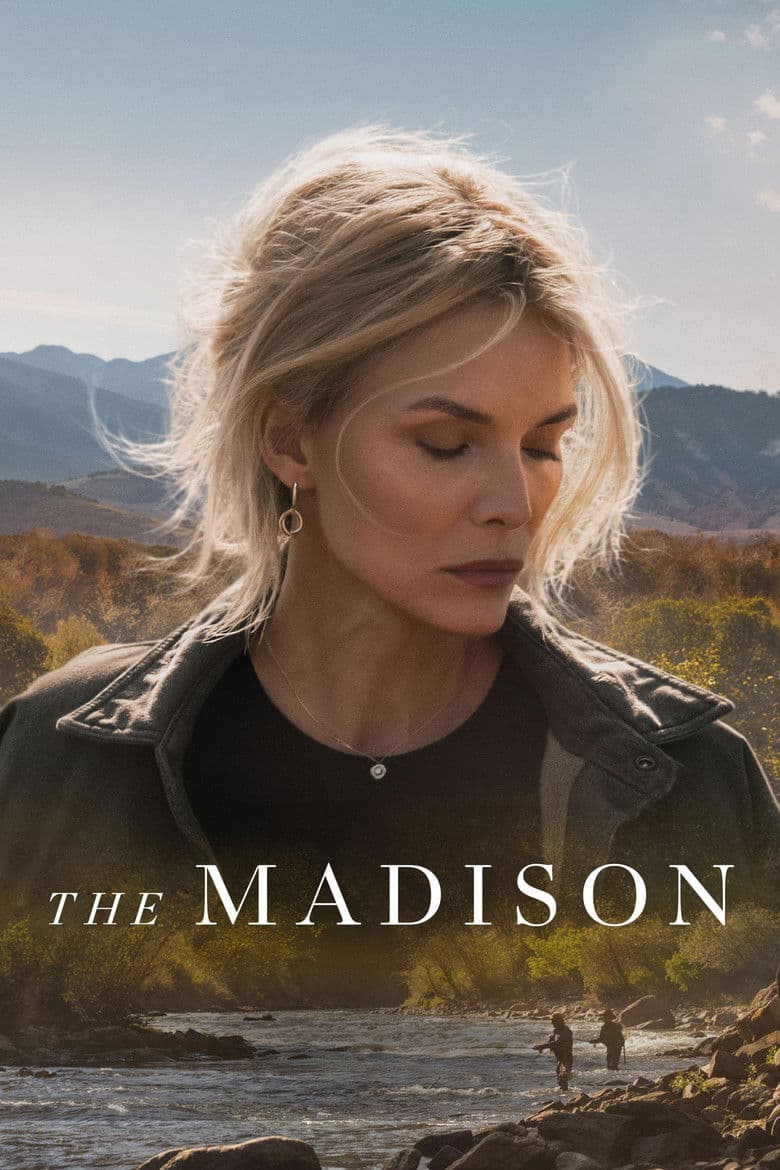
TV Show · 2026
The Clyburns uproot their comfortable New York City lives to the wild, untamed beauty of Montana's Madison River Valley on a search for connection.
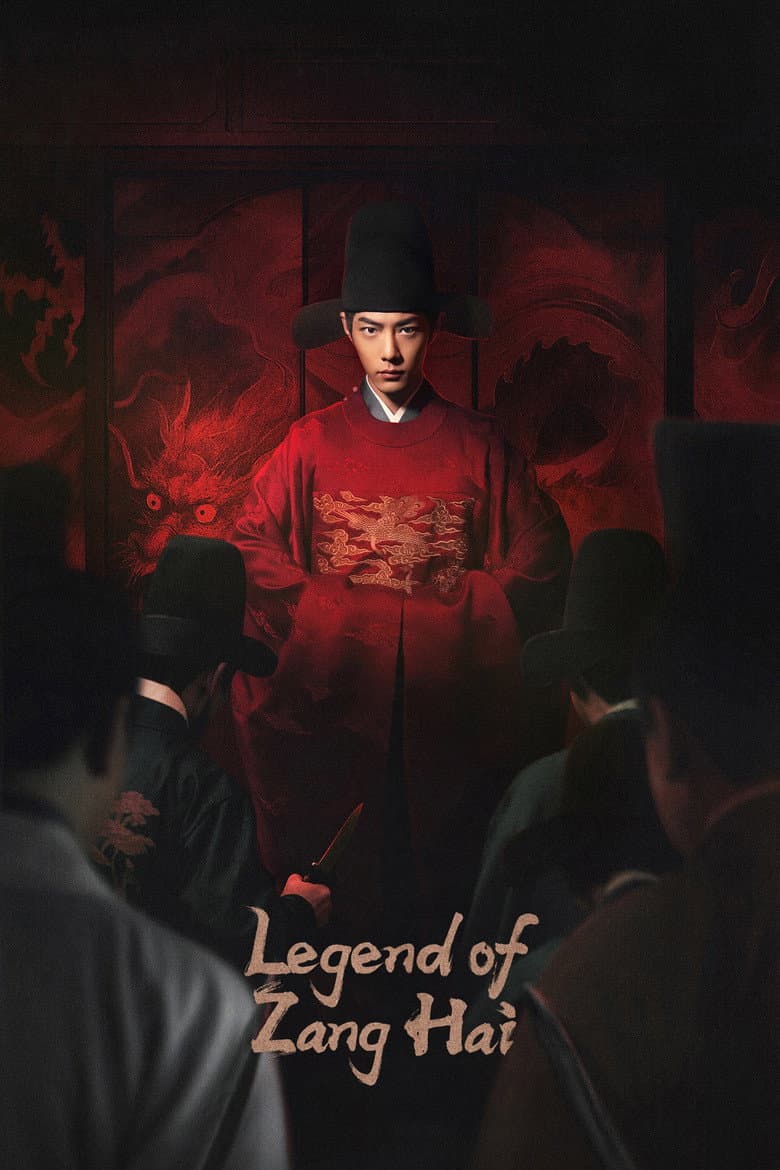
TV Show · 2025
"Legend of Zang Hai" follows the son of Imperial Astronomer Kuai Duo. Consumed by vengeance, he spends a decade honing his skills.

TV Show · 2024
Fascinated by cars since childhood, Brazilian racer Ayrton Senna became a sports legend — until tragedy struck, changing Formula 1 forever.
