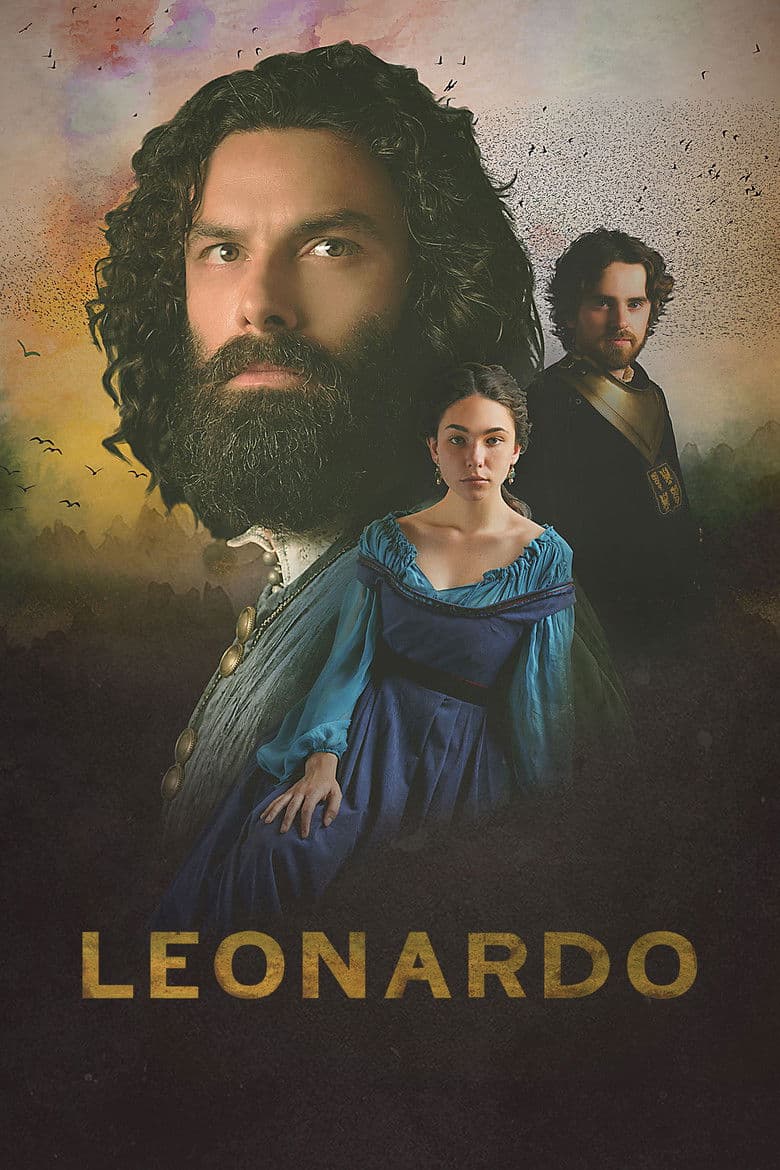
Started March 23, 2021 · Ended · Based on 1 season, 8 episodes through April 13, 2021 · TV-14 · 50 min
Leonardo follows Leonardo da Vinci from his early work in Florence to his years in Milan and back to Florence. In 1506, an officer questions him after Caterina da Cremona appears to have been poisoned, and the case frames the whole season. Leonardo tells the story of his life through paintings, inventions, rivalries, powerful rulers, and dangerous choices. He is a gifted but troubled artist who wants perfect work and often hurts people while chasing it. The show has a serious, tense tone, with a murder mystery wrapped around a period drama.
The clearest woke element is the show's strong focus on Leonardo as a gay man. His arrest for a same-sex charge, his feelings for Jacopo Saltarelli, and his later relationship with Salaì return across the season. The story also treats Caterina as an important friend and creative force, while showing how male power limits her and church-linked rules punish Leonardo. These ideas matter to the main character and appear in several episodes, but the season still spends much of its time on art, crime, court politics, war, and family.
Community feedback
Was our 67% Woke rating accurate?
Breakdown
These are the editorial factors and ratings behind our score for Leonardo.
Woke representation / casting
Not present. The lead and main supporting roles use European actors for Renaissance Italian figures. The show does not make diversity-first casting or identity-based casting part of the story.
0%
Woke political dialogue
Not present. No characters give modern speeches about race, gender, sexuality rights, or current politics. Dialogue focuses on art, crime, power, religion, and Leonardo's work.
0%
Identity-driven story themes
Leonardo is shown as a gay man. The season includes his sodomy case, his feelings for Jacopo, and his bond with Salaì. His need to hide this part of himself shapes his work and his relationship with Caterina. The theme returns across the season, but the show also spends much time on art, rulers, war, and murder.
78%
Western institutional / cultural critique
The show presents period laws and church-linked power as threats to Leonardo's sexuality. The show also gives Caterina an independent voice while men treat women as property or tools. These ideas recur around Leonardo's arrest, workshop, and court life. The story does not use modern activist speeches or broadly attack Christianity or Western institutions.
16%
Woke character or canon changes
The show presents the real Leonardo as gay, even though the historical evidence is limited and debated. It turns the old sodomy charge into a major part of his life story and adds male romances with Jacopo and Salaì. It invents Caterina da Cremona as a key friend and muse, then builds a false murder case around her. These changes control the season's opening, ending, and view of Leonardo.
70%
Anti-woke backlash and complaints
A few Italian conservative users said the show used gay and straight stereotypes and pushed an LGBTQ agenda. One small post said political correctness had gone too far. Vittorio Sgarbi attacked the gay kiss and said the show made Leonardo's sexuality into a banner, though he also focused on historical errors. No large English-language boycott, review-bombing campaign, or major right-wing backlash was reported.
17%
Creator track record context
Steve Thompson has publicly discussed racism, the Windrush scandal, and racial justice. Gabbie Asher often writes dramas about women's lives. Frank Spotnitz has a lower activist profile, and his identity-related comments mainly concern Jewish history and Nazi persecution. The directors and most producers have little documented activist or DEI-focused work.
34%
Production
TV Show · 2018
The harrowing true story of the 1993 standoff between the FBI, ATF and the Branch Davidians, a spiritual sect led by David Koresh in Waco, TX that resulted in a deadly shootout…
TV Show · 2018
Alex Godman, the English-raised son of Russian mafia exiles, has spent his life trying to escape the shadow of their past, building his own legitimate business and forging a life…
TV Show · 2017
The State's Attorney's dedicated team of prosecutors and investigators navigates heated city politics and controversy head-on, while fearlessly pursuing justice.

TV Show · 2024
Lone-wolf survivalist Colter Shaw roams the country as a “reward seeker,” using his expert tracking skills to help private citizens and law enforcement solve all manner of…
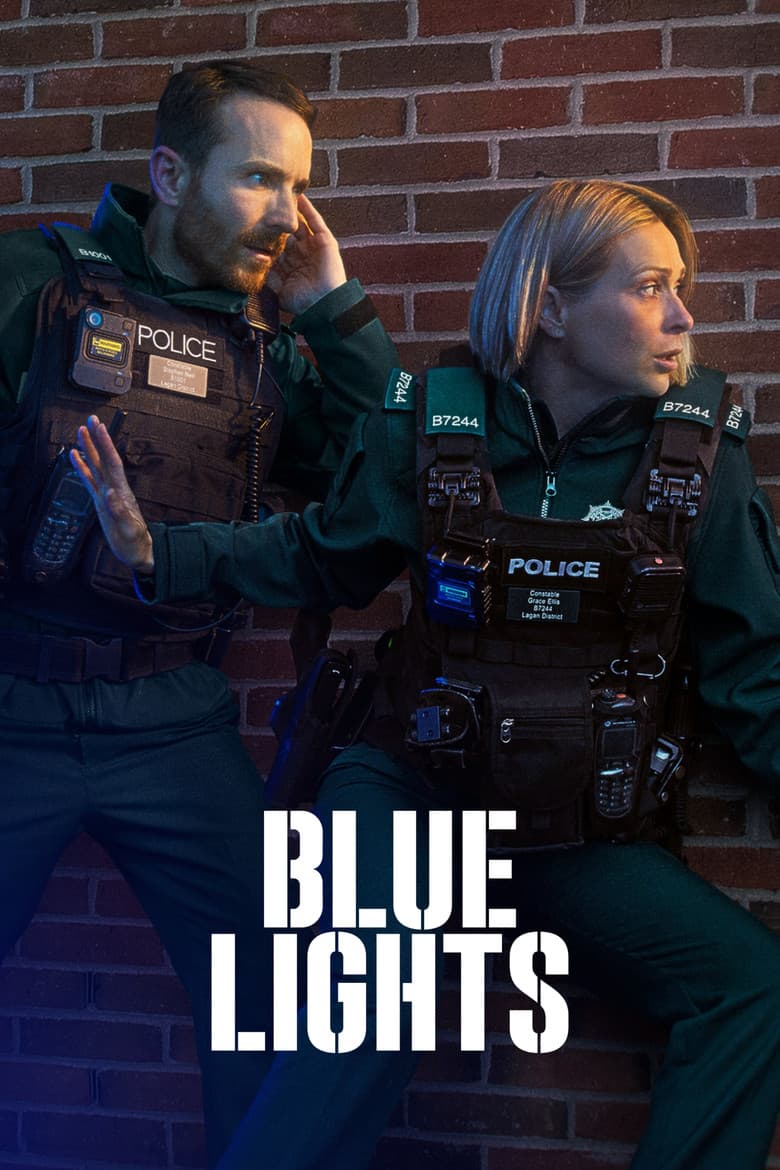
TV Show · 2023
Follows rookie police officers working in Belfast, a city in which being a frontline response cop comes with unique pressures and dangers.
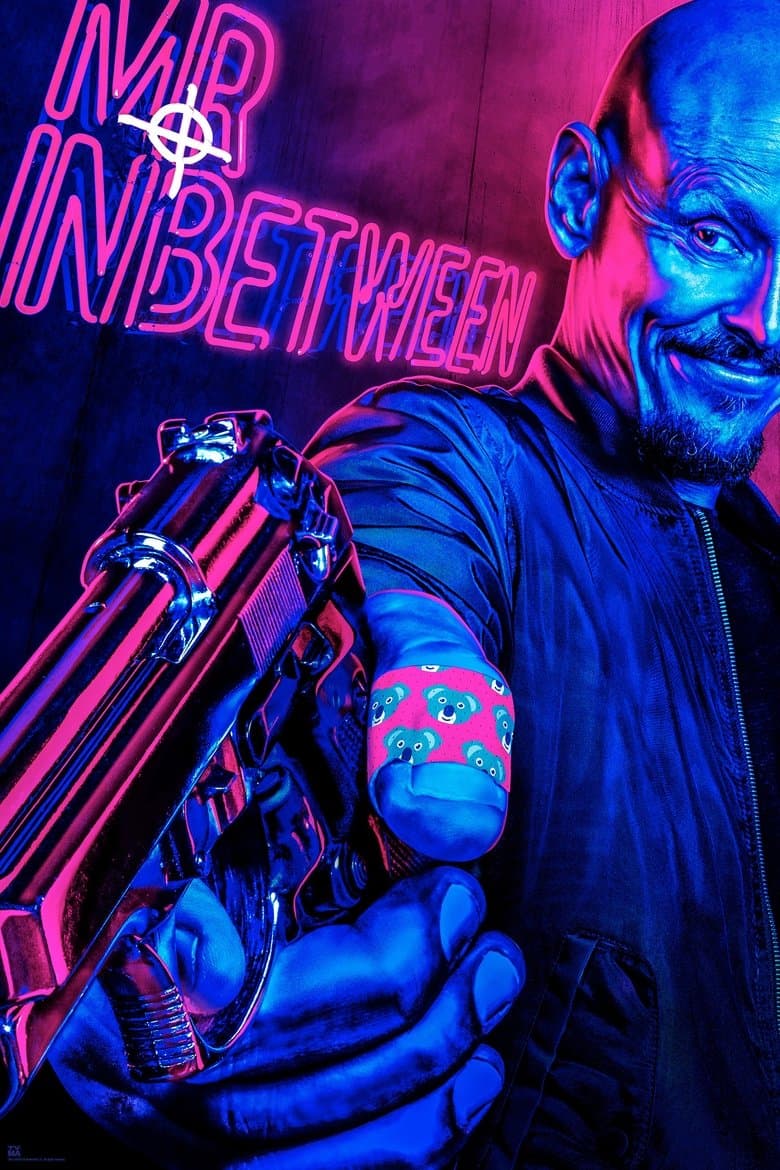
TV Show · 2018
Ray Shoesmith is a father, ex-husband, boyfriend and best friend: tough roles to juggle in the modern age. Even harder when you’re a criminal for hire.
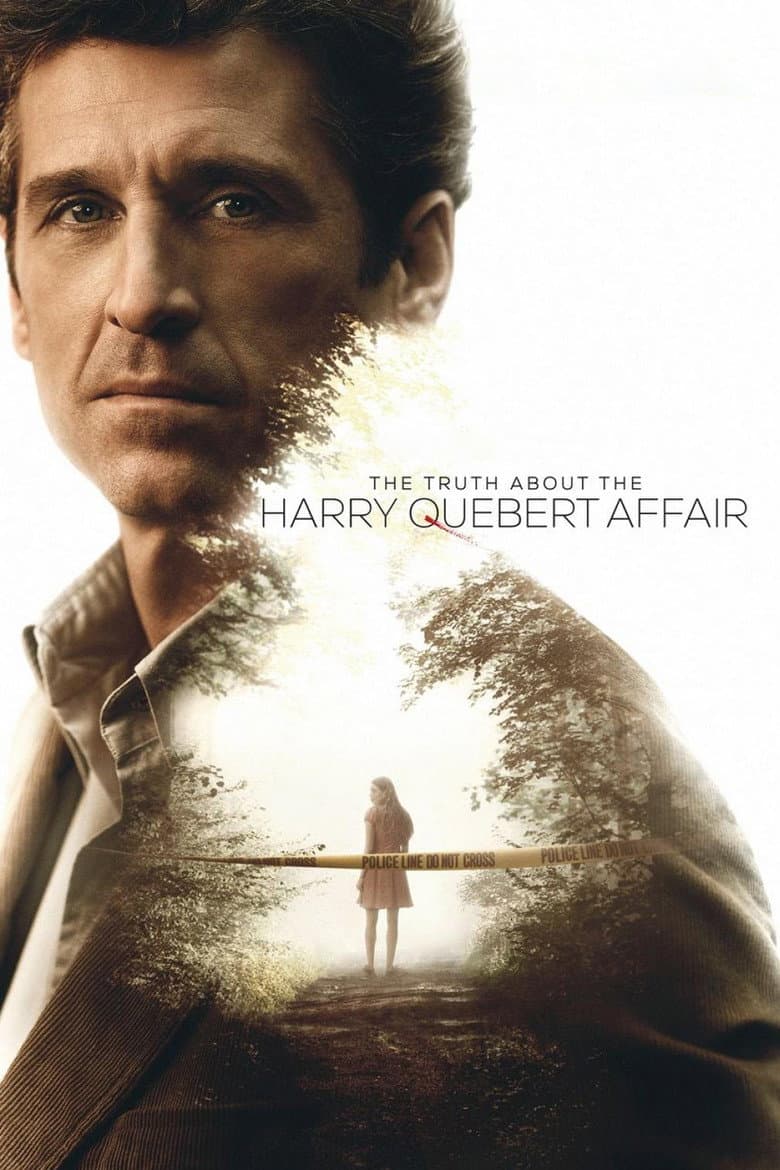
TV Show · 2018
A writer gets caught up in a murder investigation involving his mentor, an esteemed American author. Based on the book of the same name, by Joël Dicker.
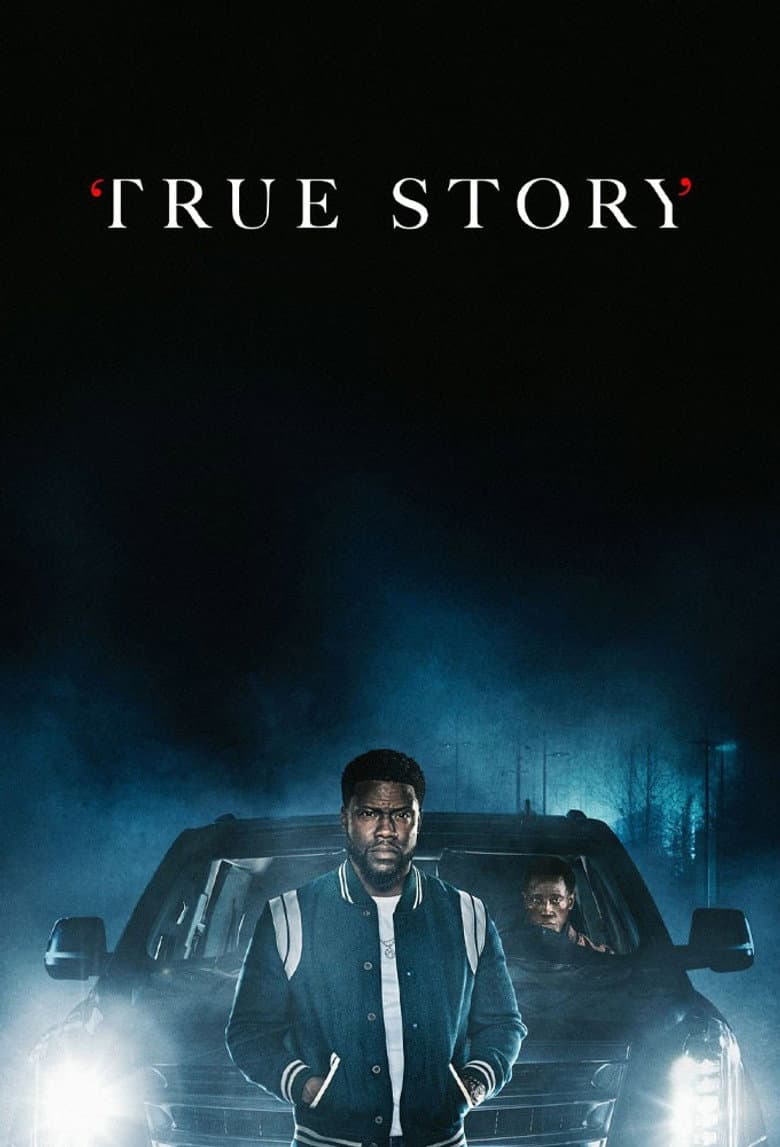
TV Show · 2021
A world-famous comedian desperately searches for a way out after a night in Philadelphia with his brother threatens to sabotage more than his success.
