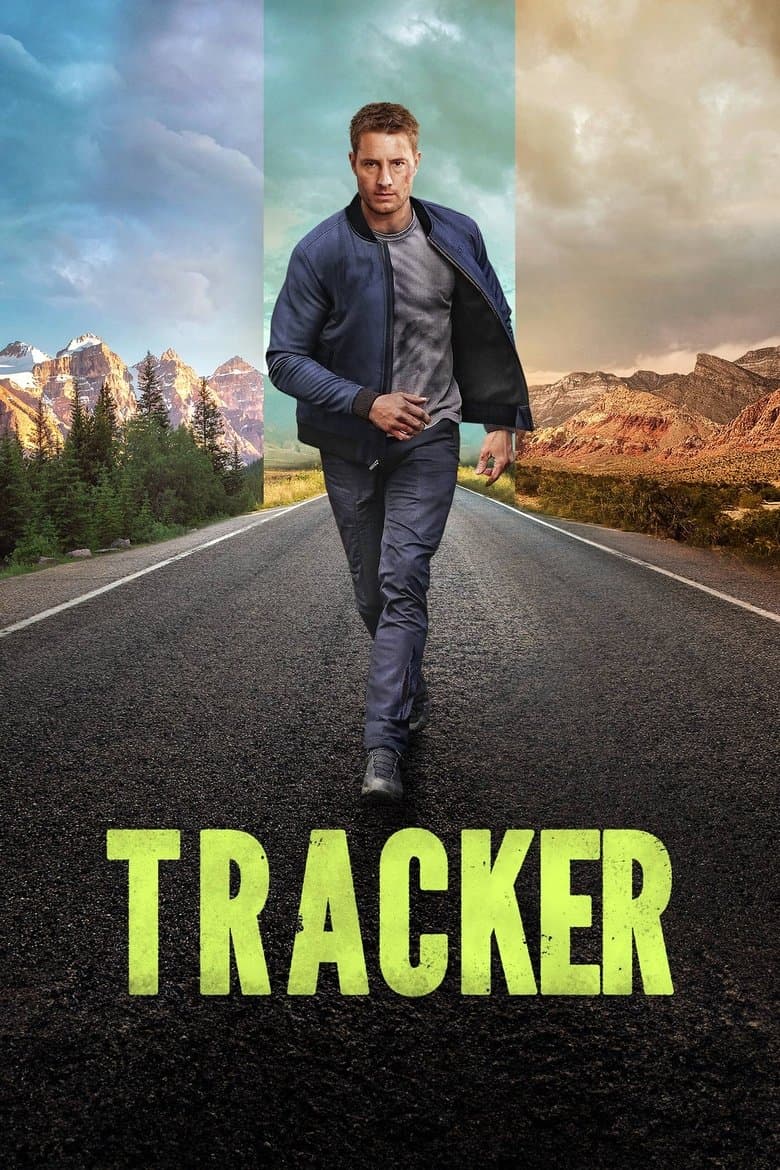
Started February 11, 2024 · Returning Series · Based on 3 seasons, 55 episodes through May 24, 2026 · TV-14
Tracker follows Colter Shaw, a skilled survivalist who travels across the United States in a truck and trailer. He takes reward jobs from families, private clients, and police when someone disappears or a dangerous mystery needs an answer. Colter uses tracking, fighting, and careful reading of people while his team helps with research, computers, and legal problems. The show mixes weekly crime cases with the long mystery of his father’s death and the damage it caused inside the Shaw family. Its tone is a fast, sometimes dark network action drama with a strong lone-wolf hero.
The clearest audience-visible identity content comes from Colter’s support team. Velma and Teddi are a married lesbian couple who handle cases in the first two seasons, while Bobby is a disabled hacker and Reenie is a prominent female lawyer played by Chinese-American actress Fiona Rene. One early case follows a Vietnamese fighter and her mother’s visa trouble, but the episode treats the problem as part of a crime plot rather than a speech about immigration. These elements recur around the cases, yet they do not replace the show’s main focus on a white male tracker, missing-person mysteries, family secrets, and violence. Season 3 gives more time to the family conspiracy and removes the couple and Bobby from the regular team.
Community feedback
Was our 28% Woke rating accurate?
Breakdown
These are the editorial factors and ratings behind our score for Tracker.
Woke representation / casting
Velma and Teddi are a married lesbian couple who handle Colter’s jobs in Seasons 1 and 2. Bobby is shown with a disability and works as a hacker who gives the team useful computer help. Reenie is a prominent woman lawyer who stays part of the main support group. These choices make representation visible, but the roles stay beside the white male hero and do not control most cases.
24%
Woke political dialogue
One Season 1 case follows Vietnamese fighter Sun Mai and her mother as they face visa trouble and possible immigration action. The episode also has a line about a healthy distrust of government intrusion. The story turns into an immigration scam and rescue case, not a repeated activist lesson. The rest of the series stays focused on crime cases and family secrets.
12%
Identity-driven story themes
Velma and Teddi’s marriage is a confirmed lesbian relationship, with the couple shown together in Season 1 and discussed in Season 2. The show treats the couple as a normal part of Colter’s team instead of making the relationship the main case. Season 1 also includes an immigration story about a Vietnamese family, but the plot centers on fraud and rescue. Season 3 shifts toward the Shaw family mystery and removes Velma and Bobby from the regular team.
22%
Western institutional / cultural critique
Not present in this title.
0%
Woke character or canon changes
Not relevant. The series adapts Jeffery Deaver's original novels with standard television expansions such as an added support team and serialized family mystery. No legacy characters, source canon, or historical figures receive identity-driven, DEI, or activist reinterpretations or swaps. Deviations serve procedural format needs.
0%
Anti-woke backlash and complaints
A few user reviews on Metacritic call the show woke, complain about box-checking, or object to woke topics. A right-leaning Federalist article places Tracker beside complaints about CBS becoming woke, but praises the show for avoiding political lectures. Reddit discussions also show some viewers calling the lesbian couple a quota choice, while other viewers liked the support team. The complaints remain small and mixed, with no sustained news fight.
16%
Creator track record context
Ben H. Winters is the clearest higher signal because his earlier books deal with racial history, weak institutions, and political conflict. Elwood Reid has publicly said he dislikes bringing current political agendas into historical stories. Most of the writers, directors, producers, and lead actor have mainstream television backgrounds with little activist history. Casting offices led by Bernard Telsey and Josh Einsohn use strong inclusion language, but that background does not dominate Tracker’s story.
28%
Production
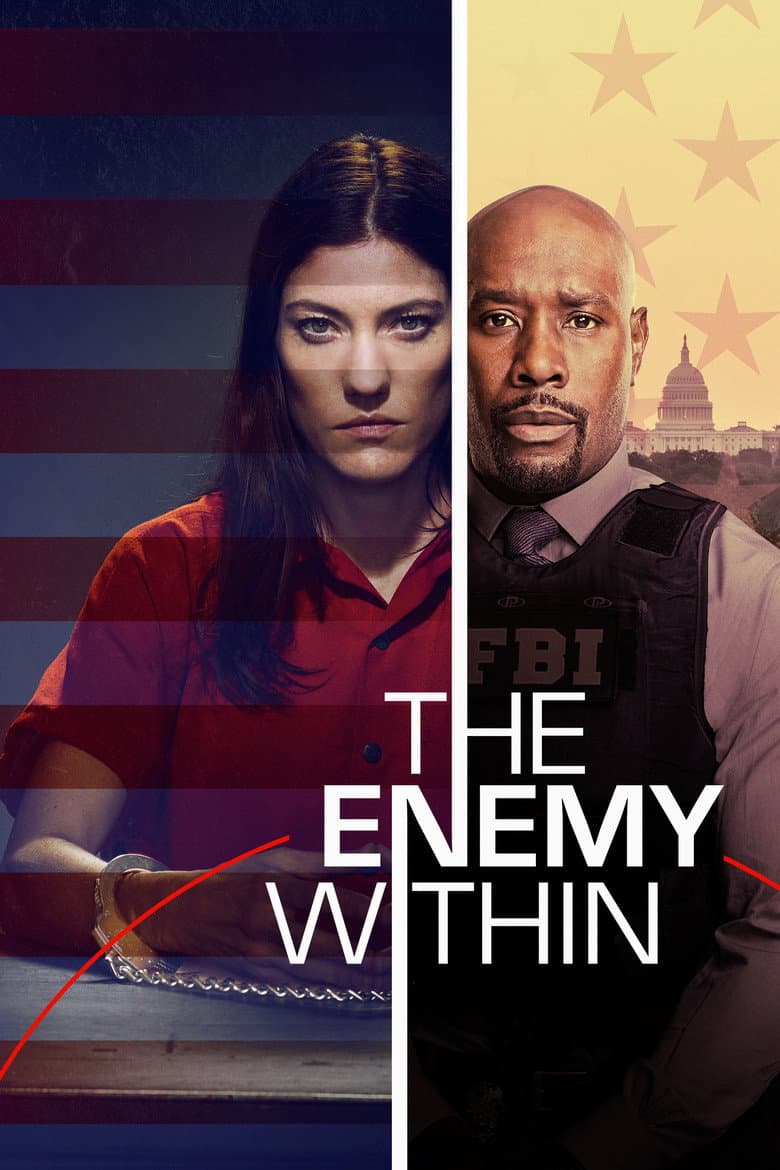
TV Show · 2019
Erica Shepherd is a brilliant former CIA operative, now known as the most notorious traitor in American history serving life in a Supermax prison.

TV Show · 2023
Follows rookie police officers working in Belfast, a city in which being a frontline response cop comes with unique pressures and dangers.

TV Show · 2025
When a prison transport plane crashes in the remote Alaskan wilderness—freeing dozens of violent inmates—the region's lone marshal must protect the town he's vowed to keep safe.

TV Show · 2020
A detailed account of the McDonald's Monopoly game scam during the 1990s as told by the participants in the case, including the prizewinners and the FBI agents who caught the…
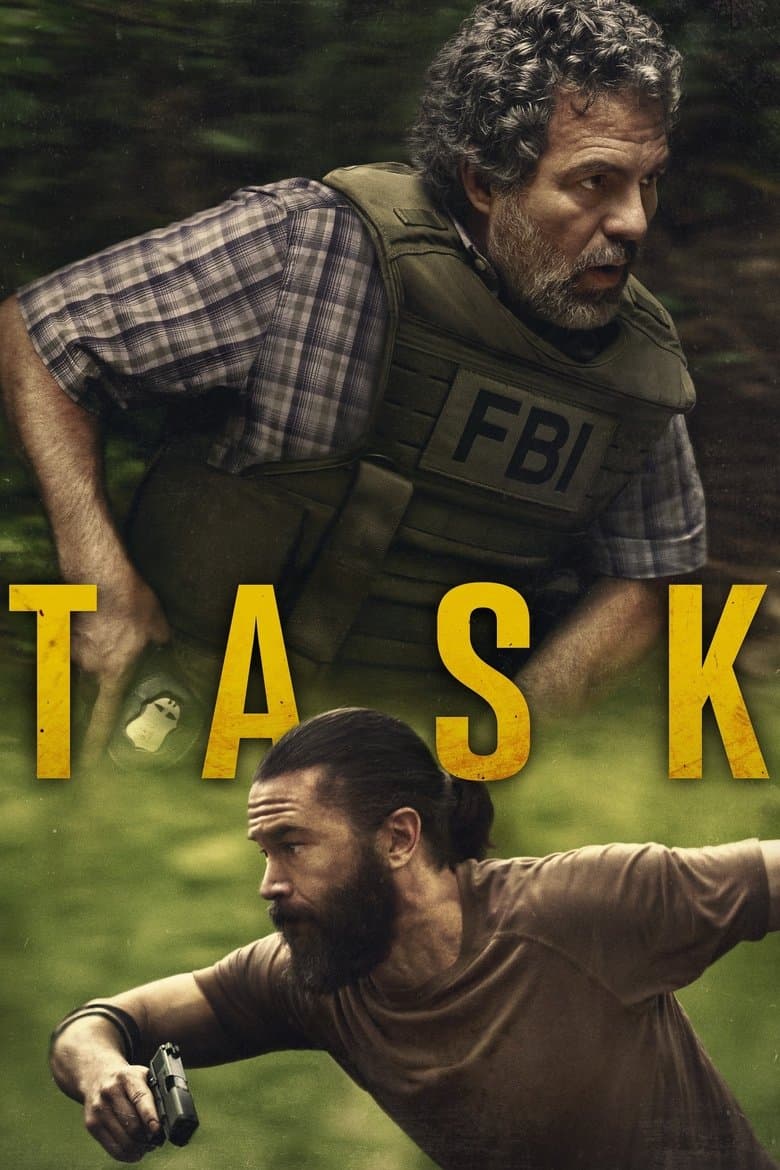
TV Show · 2025
In the working-class suburbs of Philadelphia, an FBI agent heads a task force assembled to put an end to a string of violent robberies led by an unsuspecting family man.
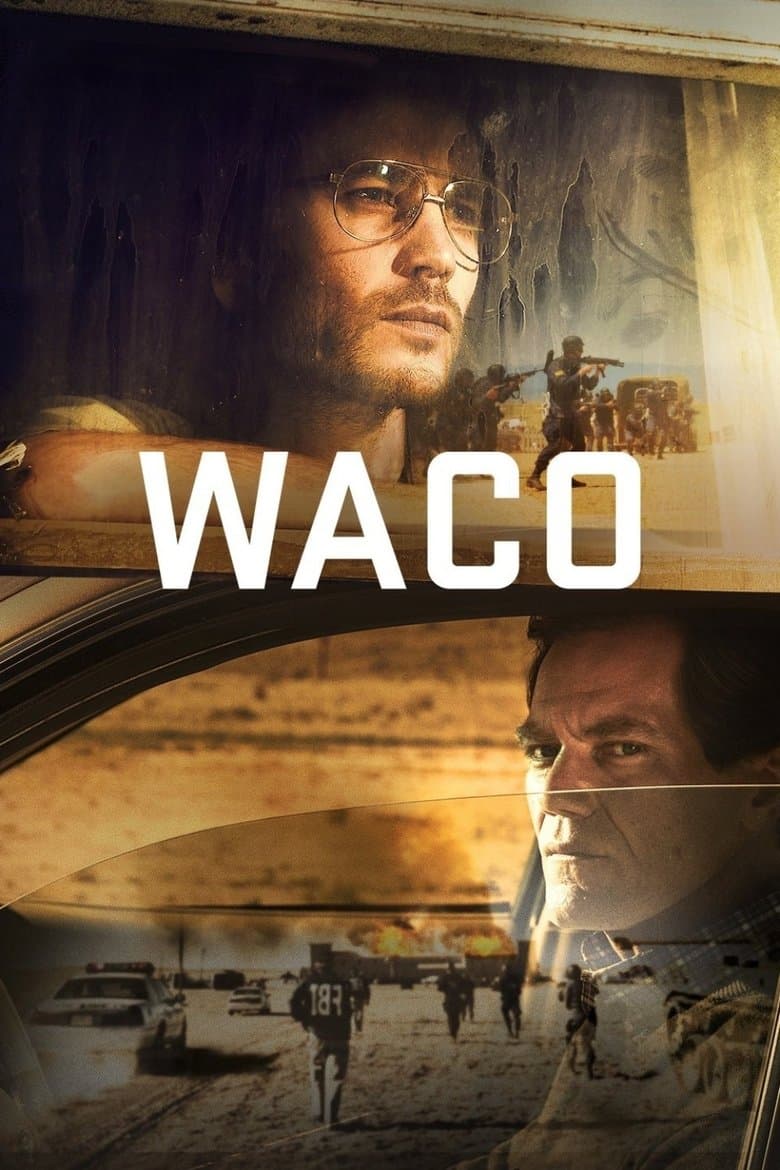
TV Show · 2018
The harrowing true story of the 1993 standoff between the FBI, ATF and the Branch Davidians, a spiritual sect led by David Koresh in Waco, TX that resulted in a deadly shootout…
TV Show · 2025
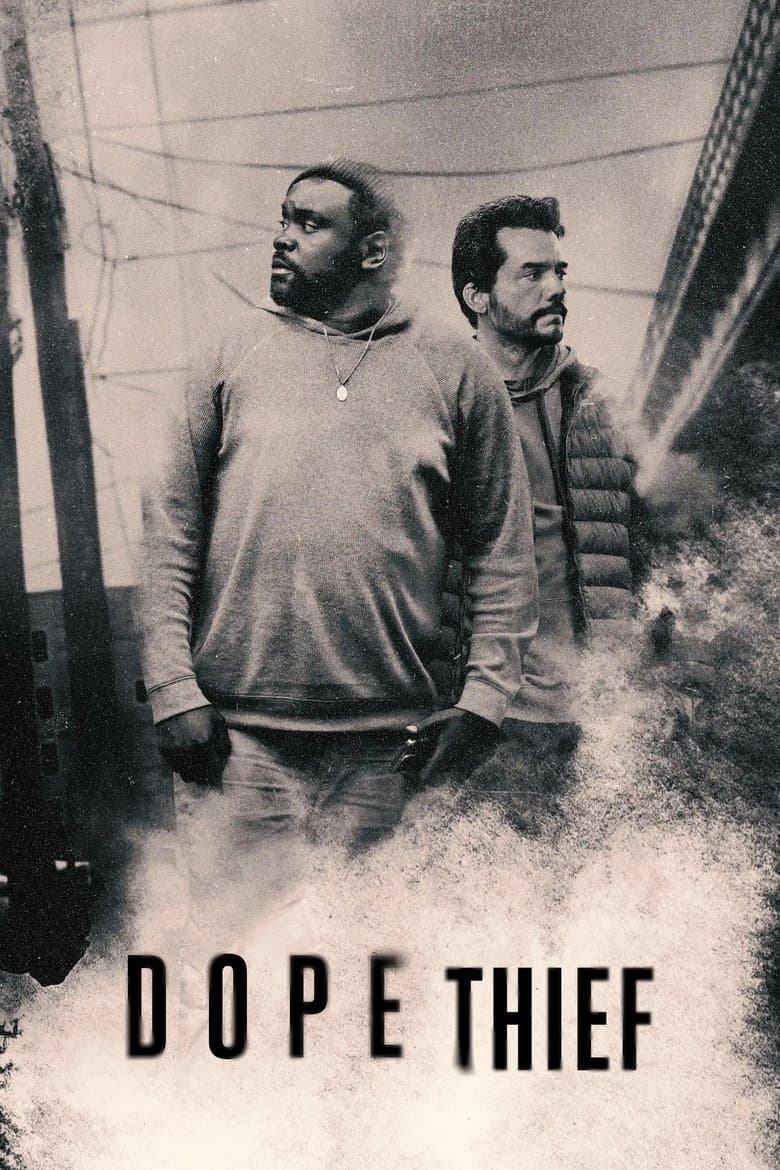
Two lifelong friends in Philadelphia pose as DEA agents to rob small-time drug dealers. It's a perfect grift—until they choose the wrong mark and become targets of a massive…

TV Show · 2021
The remarkable story of how murderer Charles Sobhraj was captured. As the chief suspect in unsolved murders of young Western travellers across India, Thailand and Nepal’s ‘Hippie…
