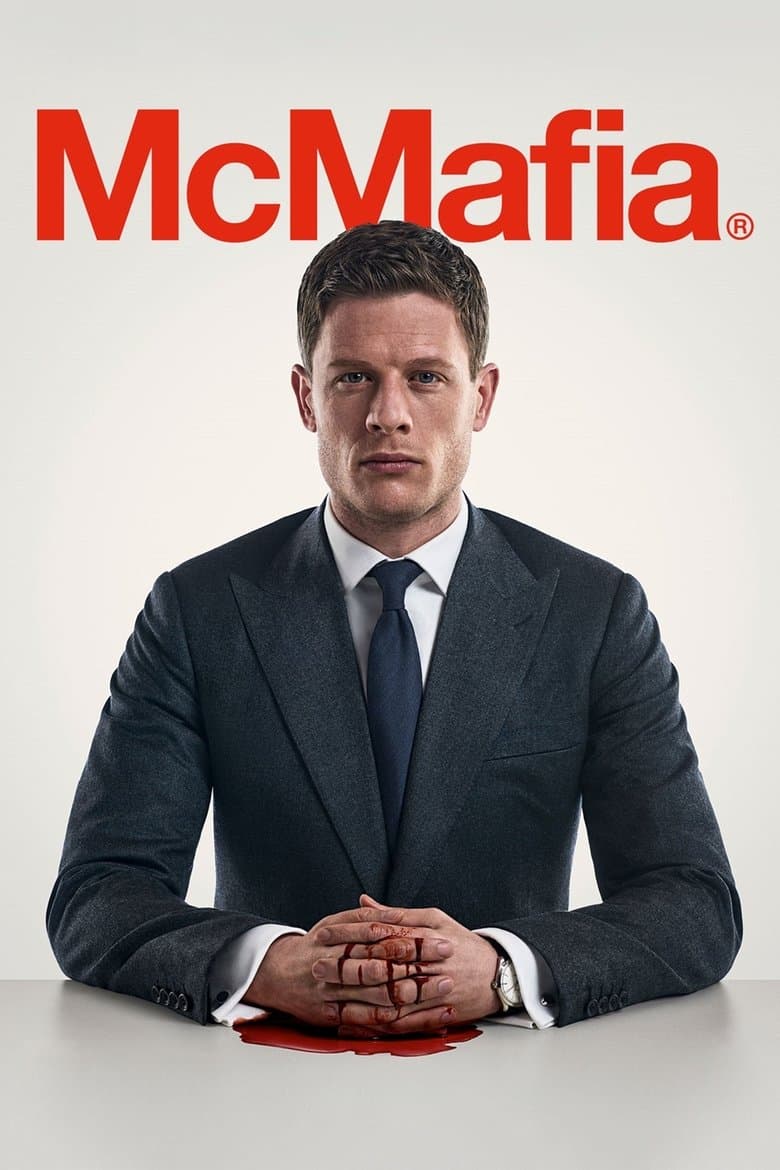
Started January 1, 2018 · Ended · Based on 1 season, 8 episodes through February 11, 2018 · TV-14 · 55 min
Alex Godman is an English-raised banker whose Russian family fled a criminal past. He wants a clean life with his girlfriend Rebecca, but an attack on his uncle pulls him back toward the people his family tried to leave behind. Alex uses money, computers, and careful deals to protect his family while he builds a new crime network across London, Moscow, Israel, Prague, Mumbai, and Egypt. The show has a cold, serious tone, with family drama, threats, sex trafficking, murder, and high finance.
The show gives most of its attention to organized crime, money laundering, corrupt politicians, human trafficking, and the way banks and law firms can hide dirty money. Alex's British and Russian identities shape his fear that he can never escape his family, but the story treats this as a personal family problem rather than a call for modern identity politics. One brief subplot involves two men who are intimate, a gay rights reference, and a false rape charge used in a criminal power struggle. The main message is that crime can look like respectable business and that Alex's search for power destroys his moral life.
Community feedback
Was our 26% Woke rating accurate?
Breakdown
These are the editorial factors and ratings behind our score for McMafia.
Woke representation / casting
Not present. The story uses a multinational cast because its crime network crosses many countries. The prominent roles fit those places, and no character is presented as a diversity symbol.
0%
Woke political dialogue
Alex explains how corrupt politicians hide money through offshore companies. Characters also discuss ethical finance, dirty money, and the banks, lawyers, and business deals that help crime. This is a small political message about corruption, not a repeated argument about modern identity politics.
15%
Identity-driven story themes
Alex is caught between his English life and his Russian family identity. The show links his outsider feeling to fear that others will judge him through his family's crimes. His identity conflict drives his choice to hide his past and later accept it. The story treats this as a personal family and crime problem rather than a modern activist message.
18%
Western institutional / cultural critique
The show presents London's ethical finance world as a clean cover for dirty money. Alex's fund, banks, lawyers, tax havens, and corrupt politicians help criminals gain respectability. The same idea returns through the people-smuggling, drug, shipping, and hacking plots. The criticism targets corruption inside global business and government, not family, religion, or traditional gender roles.
30%
Woke character or canon changes
Not relevant. The show is a new fictional crime story adapted from a non-fiction book. It does not visibly change an established character or real historical figure to make an identity point.
0%
Anti-woke backlash and complaints
Not present. Reviews criticized the slow pace and the treatment of Russian and Jewish characters, but those complaints did not say the show pushed woke or DEI politics. The supplied X research found no anti-woke reaction.
0%
Creator track record context
Most cached scores for the creators, writers, director, and casting director are low. David Farr has the highest cached score at 38 and spoke of the adaptation's political anger about Western exploitation and Britain's colonial past. That context matches the show's anti-corruption and global crime material, but the creative team has no strong cached pattern of identity-politics work.
18%
Production
TV Show · 2023
Follows rookie police officers working in Belfast, a city in which being a frontline response cop comes with unique pressures and dangers.
TV Show · 2019
Gypsy Blanchard struggles to deal with the toxic relationship with her overprotective mother, but her attempts to free herself lead to murder.
TV Show · 2022
New York mafia capo Dwight "The General" Manfredi is released from prison after 25 years and exiled by his boss to set up shop in Tulsa, Oklahoma.
TV Show · 2021
A seemingly ordinary British couple become the focus of an extraordinary investigation when two dead bodies are discovered in the back garden of a house in Nottingham.
TV Show · 2025
Two lifelong friends in Philadelphia pose as DEA agents to rob small-time drug dealers. It's a perfect grift—until they choose the wrong mark and become targets of a massive…
TV Show · 2018
The harrowing true story of the 1993 standoff between the FBI, ATF and the Branch Davidians, a spiritual sect led by David Koresh in Waco, TX that resulted in a deadly shootout…
TV Show · 2016
A 26-year-old woman learns to live again after 13 years in captivity.
TV Show · 2024
A young boy growing up in the suburbs of 1980s Brisbane faces the harsh realities of life — and the looming dangers that threaten his family.
