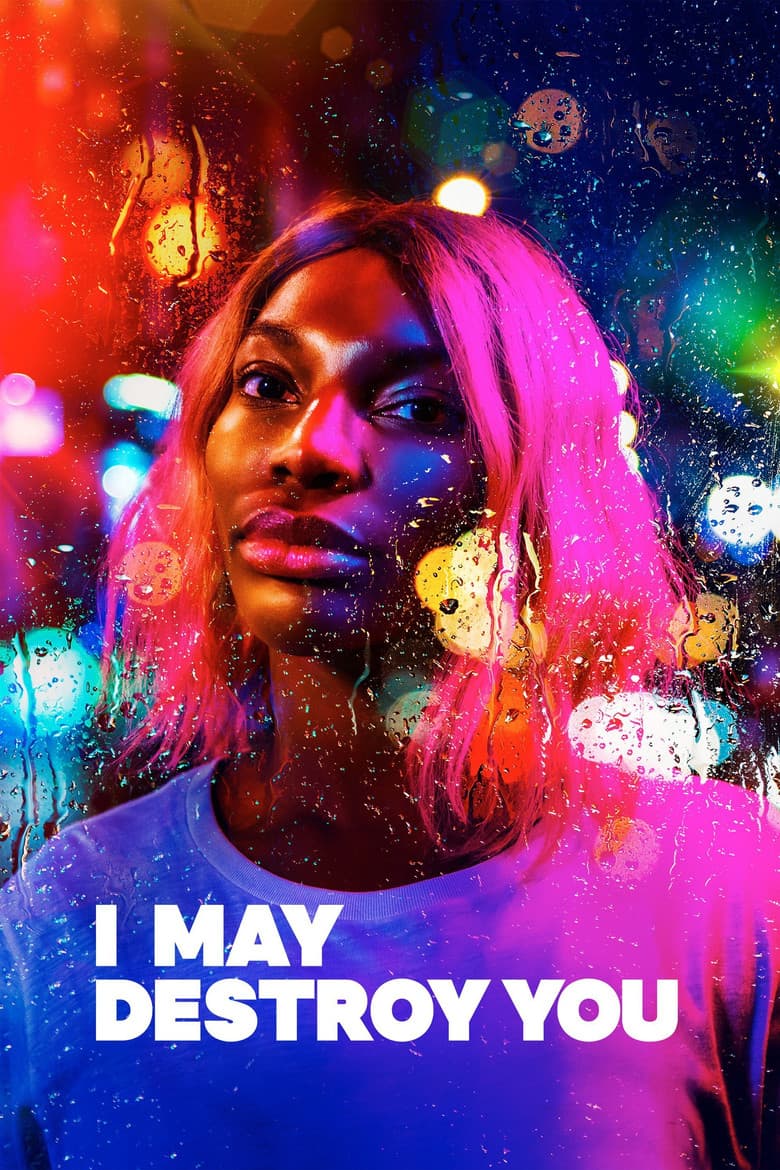
Started June 7, 2020 · Ended · Based on 1 season, 12 episodes through July 14, 2020 · TV-MA
I May Destroy You follows Arabella, a young black British writer living and partying in London. After a man drugs and rapes her in a bar, she tries to rebuild her memory, her work, and her trust in her friends. Terry and Kwame stay close to her while they face their own painful problems with sex, love, and friendship. The show mixes dark jokes, raw sex scenes, mystery, and sudden shifts in time.
Consent drives the whole season, not just the opening attack. Arabella faces a second assault after a man secretly removes a condom, while Kwame deals with a sexual assault and the police response. The story also shows racism, social media activism, and the way race and sexuality affect who gets believed. Its identity-driven themes are central, but the show also questions revenge, acting morally superior, and easy answers.
Community feedback
Was our 79% Woke rating accurate?
Breakdown
These are the editorial factors and ratings behind our score for I May Destroy You.
Woke representation / casting
The show makes a black British woman, her black female friend, and a gay black man the central trio. It also gives black police and publishing figures visible roles. Their shared London background and Arabella's personal story make the choices fit the world, so there is no obvious mismatch. The repeated focus is still an audience-visible representation choice.
25%
Woke political dialogue
Arabella calls out a man for secretly removing a condom and later uses her online fame to speak about assault. The story shows a police officer dismissing Kwame and a school system nearly punishing a black boy after a white girl's false rape claim. The characters repeatedly discuss consent, racism, victim blaming, and who gets believed. The show also questions Arabella's public anger and does not present every speech as a simple answer.
45%
Identity-driven story themes
The story makes sexual consent, sexual assault, and the treatment of women and gay men central across the season. Arabella survives a drugging and rape, then faces stealthing, while Kwame survives an assault and Theo's history joins the same debate. The plot keeps asking how race, gender, and sexuality change who gets believed or protected. The finale centers Arabella's choice to stop letting the attack control her, so identity and survivor agency are not side plots.
72%
Western institutional / cultural critique
The police, school, publishing, media, and casting systems often fail or pressure the main characters. The story shows a police officer doubting Kwame and a white woman's claim putting a black boy at risk. The show also mocks male entitlement, secret filming, condom removal, and workplace demands about Terry's hair and body. The story criticizes these patterns but also shows flawed friends, bad choices, and some caring people.
54%
Woke character or canon changes
Not relevant. The show is an original story about Arabella and her friends. It does not change a known character, canon, or historical event.
0%
Anti-woke backlash and complaints
A few online commenters called the show woke, feminist, or LGBTQI+ and objected to its gay material. One forum post said the series pushed an agenda and another said it stopped watching after what it called excessive gay material. Mainstream reviews and news reports were largely positive and did not show a large anti-woke campaign. The located complaints were scattered and fringe.
18%
Creator track record context
Michaela Coel's cached creator score is 92/100 and reflects work about black female subjectivity, sexual autonomy, queer identity, race, class, and consent. Coel has also described this series as a creative response to her own sexual assault and as a way to turn pain into hope and humor. That record closely matches the show's themes. Sam Miller's cached score is 19/100, and the producer scores range from 0 to 38, so Coel is the clear creator-context signal.
84%
Production
TV Show · 2022
Oscar-winning producer Al Ruddy’s never before revealed experiences of making the iconic 1972 film The Godfather that Francis Ford Coppola directed and adapted with Mario Puzo.
TV Show · 2019
In the early 1990s in New York, during the height of the crack cocaine epidemic, a visionary musician named Bobby Diggs aka The RZA begins to form a super group of a dozen young…
TV Show · 2021
Inspired by the true story of Marty and the therapist who turned his life around...then took it over. When he first meets Dr. Ike, Marty just wants to get better at boundaries.
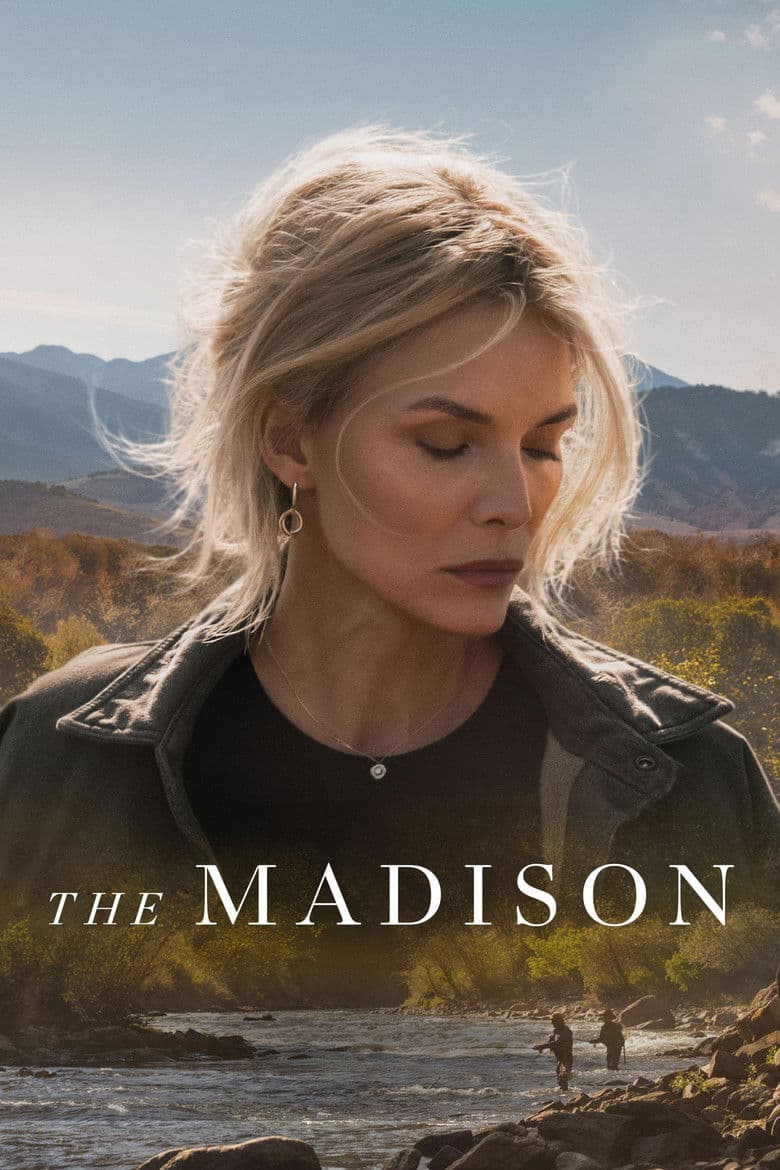
TV Show · 2026
The Clyburns uproot their comfortable New York City lives to the wild, untamed beauty of Montana's Madison River Valley on a search for connection.
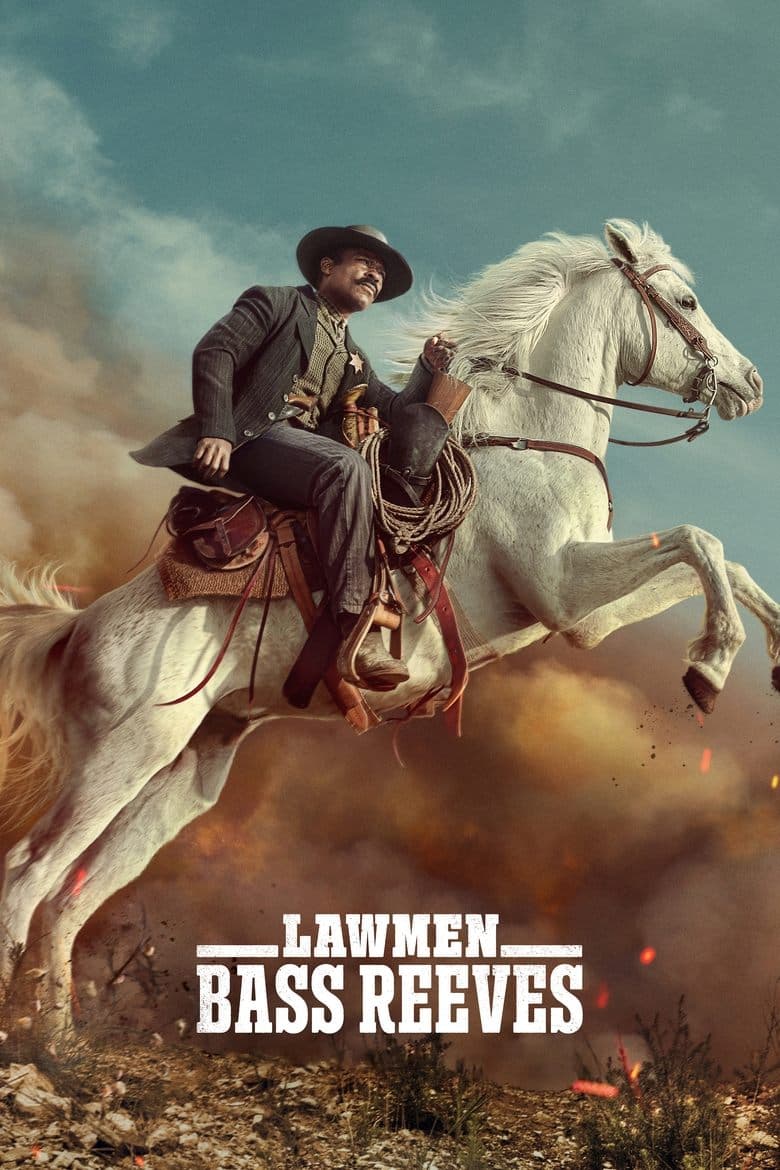
TV Show · 2023
The story of Bass Reeves, the legendary lawman of the wild West, is brought to life. Reeves worked in the post-Reconstruction era as a federal peace officer in the Indian…
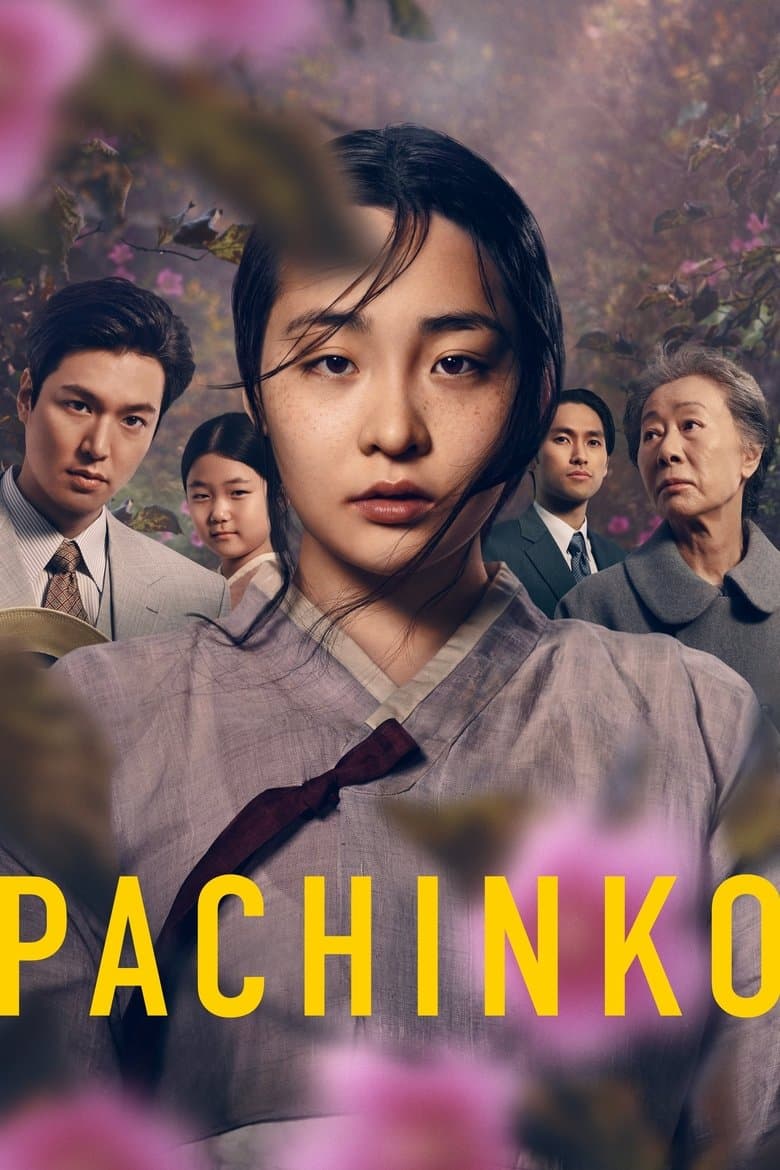
TV Show · 2022
This sweeping saga chronicles the hopes and dreams of a Korean immigrant family across four generations as they leave their homeland in an indomitable quest to survive and thrive.
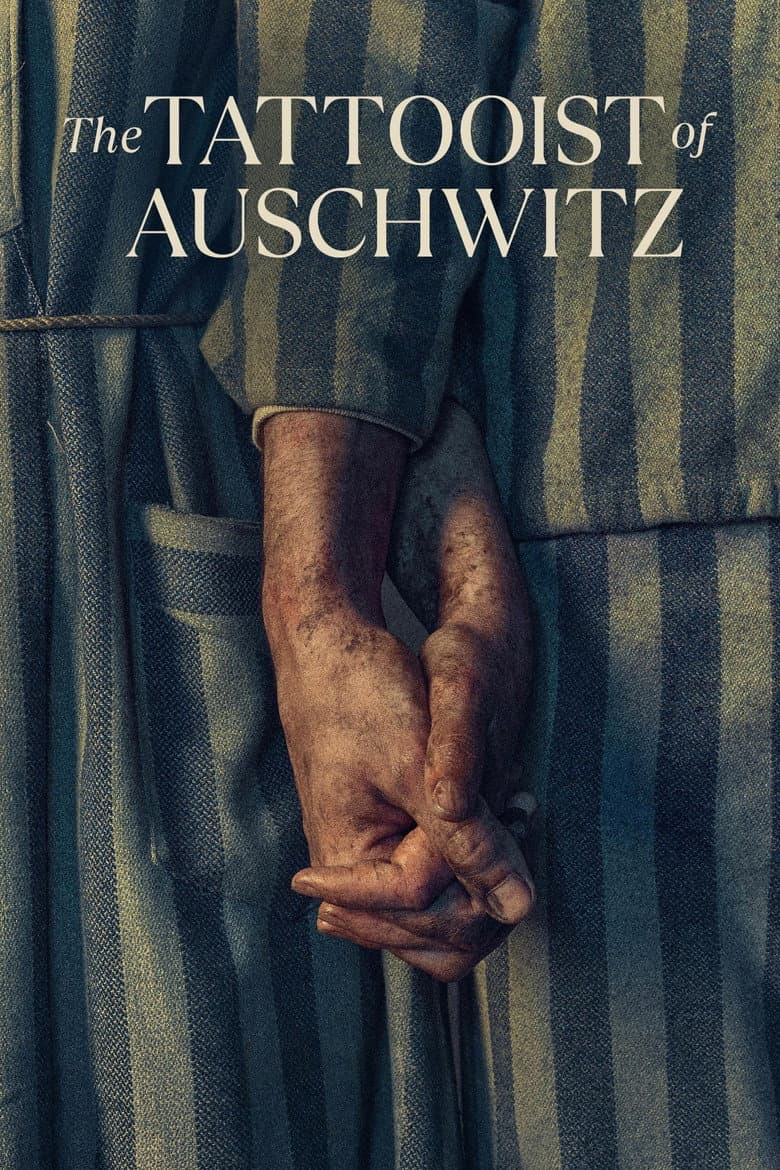
TV Show · 2024
The powerful real-life story of Lali Sokolov, a Jewish prisoner who was tasked with tattooing ID numbers on prisoners' arms in the Auschwitz-Birkenau concentration camp during…
TV Show · 2019
The true story of one of the worst man-made catastrophes in history: the catastrophic nuclear accident at Chernobyl.
