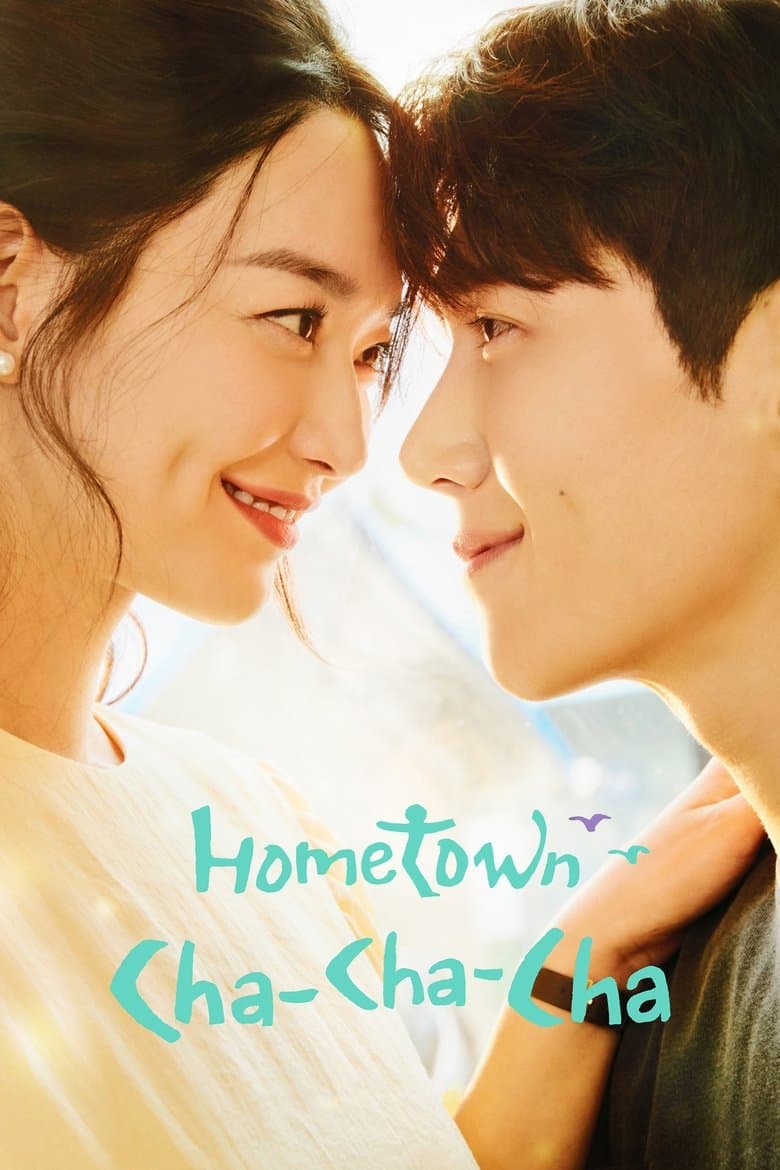
Started August 28, 2021 · Ended · Based on 1 season, 16 episodes through October 17, 2021 · TV-14 · 78 min · Korean
Hometown Cha-Cha-Cha follows Yoon Hye-jin, a dentist who leaves Seoul after a work problem and opens a clinic in the seaside village of Gongjin. She clashes with Hong Du-sik, a clever local who takes many small jobs and knows everyone in town. Their arguments slowly turn into love while the villagers face work, family trouble, grief, and old secrets. The show mixes gentle comedy with romance and sad stories about healing.
Across the 16 episodes, the clearest woke elements are a late side story about Yoo Cho-hui, a woman who loves another woman, and scenes that reject shame about same-sex love. The show also favors families built through friendship, women who speak for themselves, and a softer male lead who cares for others instead of acting tough. These ideas return in the village stories, but they support the main romance rather than replace it. The story does not center on elections, activist politics, race conflict, or a modern Western culture-war debate.
Community feedback
Was our 37% Woke rating accurate?
Breakdown
These are the editorial factors and ratings behind our score for Hometown Cha-Cha-Cha.
Woke representation / casting
Not present. The main cast is Korean, matching the show's present-day South Korean setting. The roles are not presented as a diversity campaign, and the female dentist and village women fit the story.
0%
Woke political dialogue
Cho-hui says that loving someone is not a sin after her family attacks her feelings for a woman. Her mother and brother treat her sexuality as a problem before she speaks up for herself. The message stays in the late side story and does not turn the rest of the season into a political debate.
24%
Identity-driven story themes
Hye-jin leads a career and chooses her own life while the story compares city status with village values. The women of Gongjin run businesses, make family decisions, and speak openly about love and loss. Cho-hui's same-sex love and the show's families built through friendship give identity and family themes a meaningful place. The season still gives equal weight to romance, grief, work, and everyday community life.
46%
Western institutional / cultural critique
Not present. The show does not attack Christianity, Western institutions, or modern political systems. Its city-versus-village conflict stays focused on personal values, work, and community life.
0%
Woke character or canon changes
Not relevant. The show remakes the 2004 film Mr. Hong, but it keeps the dentist and handyman pairing. It adds village residents and side stories without a race, gender, or sexuality swap.
0%
Anti-woke backlash and complaints
Not present. No clear report shows viewers accusing the series of pushing woke, DEI, or identity politics. Public complaints focused on pacing, old romance tropes, a late lesbian subplot, filming-site visits, and an actor's private-life scandal.
0%
Creator track record context
Writer Shin Ha-eun has a repeated focus on gender roles, families built through friendship, and stories that treat queer characters with care. Director Yu Je-won has a mainstream record in romance and family dramas with no strong activist profile. The mixed record gives this factor a moderate score, with the writer carrying most of the signal.
38%
Production

TV Show · 2022
In disguise as her friend, Ha-ri shows up to a blind date to scare him away. But plans go awry when he turns out to be her CEO — and makes a proposal.

TV Show · 2020
After being bullied and discriminated because of her ugly looks, a high school girl transforms herself into a gorgeous "goddess" and quickly rises to fame after mastering the art…

TV Show · 2018
When his secretary unexpectedly quits, an arrogant executive will do anything to bring her back.
TV Show · 2019
Tony had a perfect life. But after his wife Lisa suddenly dies, Tony changes. After contemplating taking his own life, he decides instead to live long enough to punish the world…
TV Show · 2019
In a city of coaching centers known to train India’s finest collegiate minds, an earnest but unexceptional student and his friends navigate campus life.

TV Show · 2016
Rebellious Mickey and good-natured Gus navigate the thrills and agonies of modern relationships.

TV Show · 2020
The heartwarming and humorous adventures of a young country vet in the Yorkshire Dales in the 1930s. A remake of the 1978 series.
TV Show · 2021
A secret life is the one thing they have in common. At school, Hori is a prim and perfect social butterfly, but the truth is she's a brash homebody.
