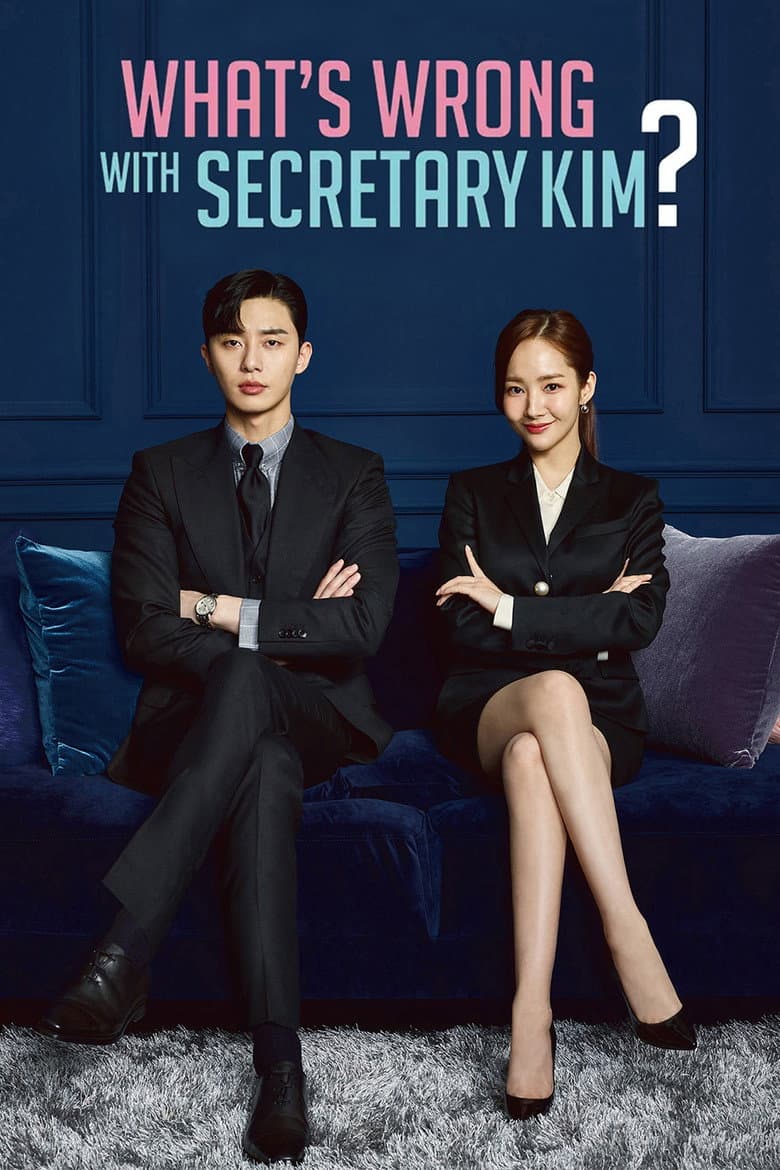
Started June 6, 2018 · Ended · Based on 1 season, 16 episodes through July 26, 2018 · TV-14 · 70 min · Korean
Kim Mi-so has worked for nine years as the personal secretary of Lee Young-joon, a rich and proud vice chairman in Seoul. She quits because she wants time for her own life, dating, and family plans. Young-joon cannot accept losing the one person who keeps his work and daily life under control, so he tries to make her stay. The light office romance follows their teasing, jealousy, family trouble, and a painful secret from childhood.
Mi-so is shown as very skilled and calm while Young-joon is often childish, vain, and helpless with normal feelings. Her wish to live as Kim Mi-so instead of only as a secretary or family provider gives the story a small theme about a woman choosing her own life. The show returns to work, marriage, and the question of whether a woman should give up her job for love. Mi-so finally marries Young-joon and remains his secretary, so the story blends personal choice with a traditional boss-and-wife romance instead of making a wider political argument.
Community feedback
Was our 18% Woke rating accurate?
Breakdown
These are the editorial factors and ratings behind our score for What's Wrong with Secretary Kim.
Woke representation / casting
Not present. The Korean cast matches the modern South Korean office setting. The interviews and marketing focus on character fit and romance, not diversity or identity.
0%
Woke political dialogue
Not present. The characters do not give political or activist speeches about gender, race, sexuality, DEI, or institutions. Work and relationship talk stays personal and comedic.
0%
Identity-driven story themes
Mi-so says she wants a life of her own instead of being only a secretary or family provider. The show follows that wish through her plan to quit, date, and choose her future. The story treats this as a personal romance problem, not a broad campaign about women. Mi-so later marries Young-joon and keeps her secretary job, which makes the message traditional and mixed.
24%
Western institutional / cultural critique
Young-joon expects Mi-so to work around the clock and serve his personal needs, and the show makes his entitlement a comic flaw. Mi-so pushes back against the way his job has taken over her life. The story keeps this conflict inside a romance and does not attack capitalism, religion, or other Western institutions. Its ending makes the critique mild because Mi-so marries him and stays his secretary.
18%
Woke character or canon changes
Not relevant. The show adapts a Korean novel and webtoon without a reported race, gender, sexuality, or historical character change.
0%
Anti-woke backlash and complaints
Not present. The complaints located concerned the boss’s behavior, pacing, actor fit, and a copied poster. No meaningful complaints described the show as pushing woke, DEI, or identity politics.
0%
Creator track record context
The cached profiles describe the directors, writers, and producer as mainstream Korean drama creators without clear activist or DEI records. Choi Bo-rim has a modest women-centered thread in later work, but not a public activist persona. The combined record supports a very low score.
3%
Production

TV Show · 2016
Rebellious Mickey and good-natured Gus navigate the thrills and agonies of modern relationships.
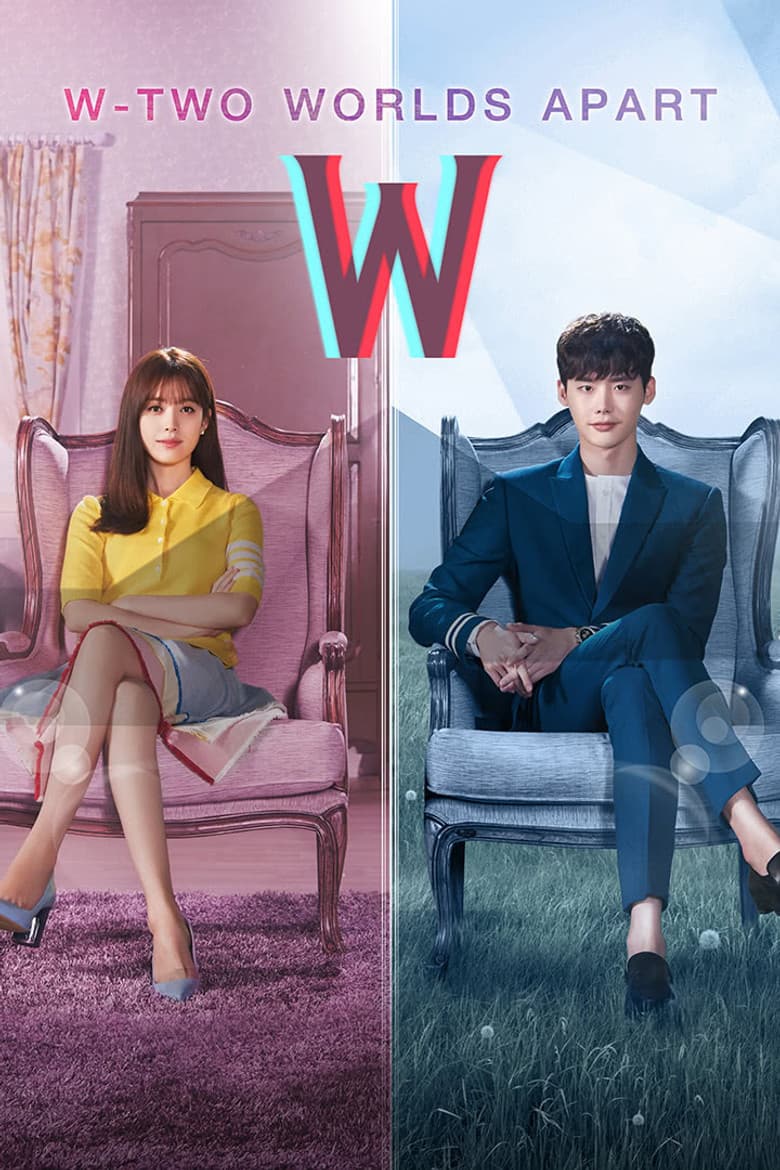
TV Show · 2016
After being pulled into the webtoon world created by her father, a surgical resident gets entangled in a murder mystery involving the story's hero.

TV Show · 2019
Tony had a perfect life. But after his wife Lisa suddenly dies, Tony changes. After contemplating taking his own life, he decides instead to live long enough to punish the world…
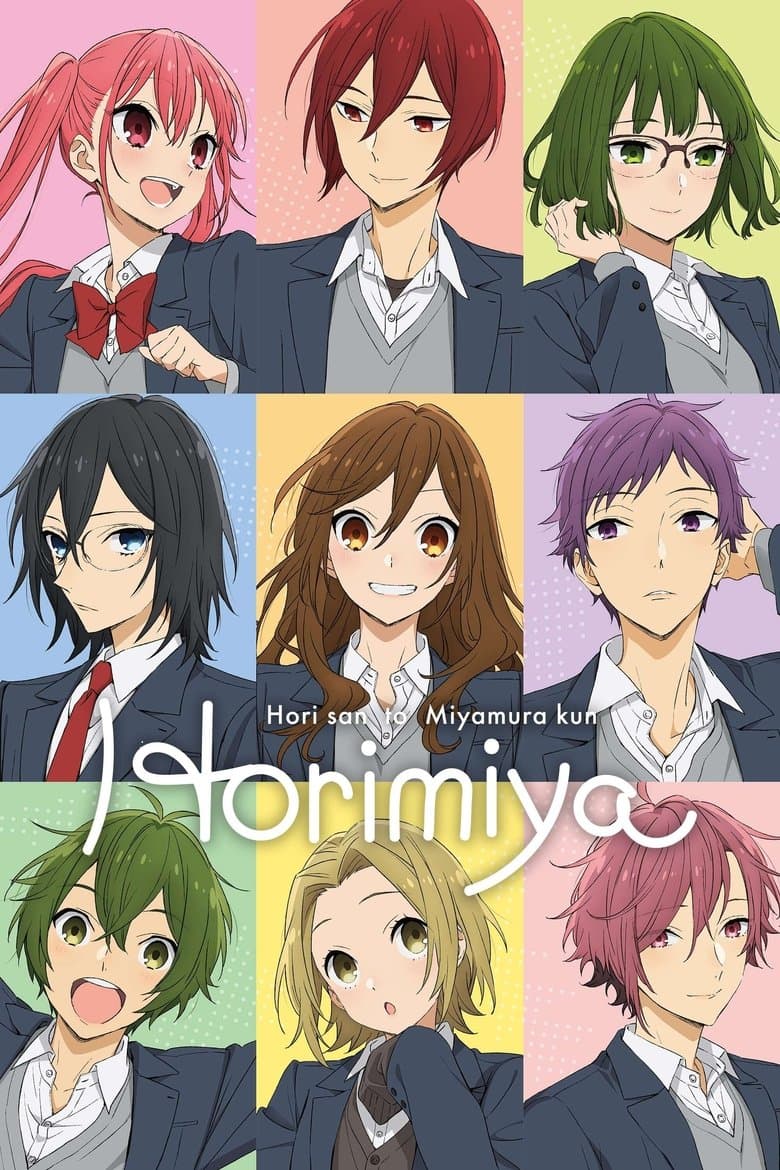
TV Show · 2021
A secret life is the one thing they have in common. At school, Hori is a prim and perfect social butterfly, but the truth is she's a brash homebody.

TV Show · 2022
In disguise as her friend, Ha-ri shows up to a blind date to scare him away. But plans go awry when he turns out to be her CEO — and makes a proposal.
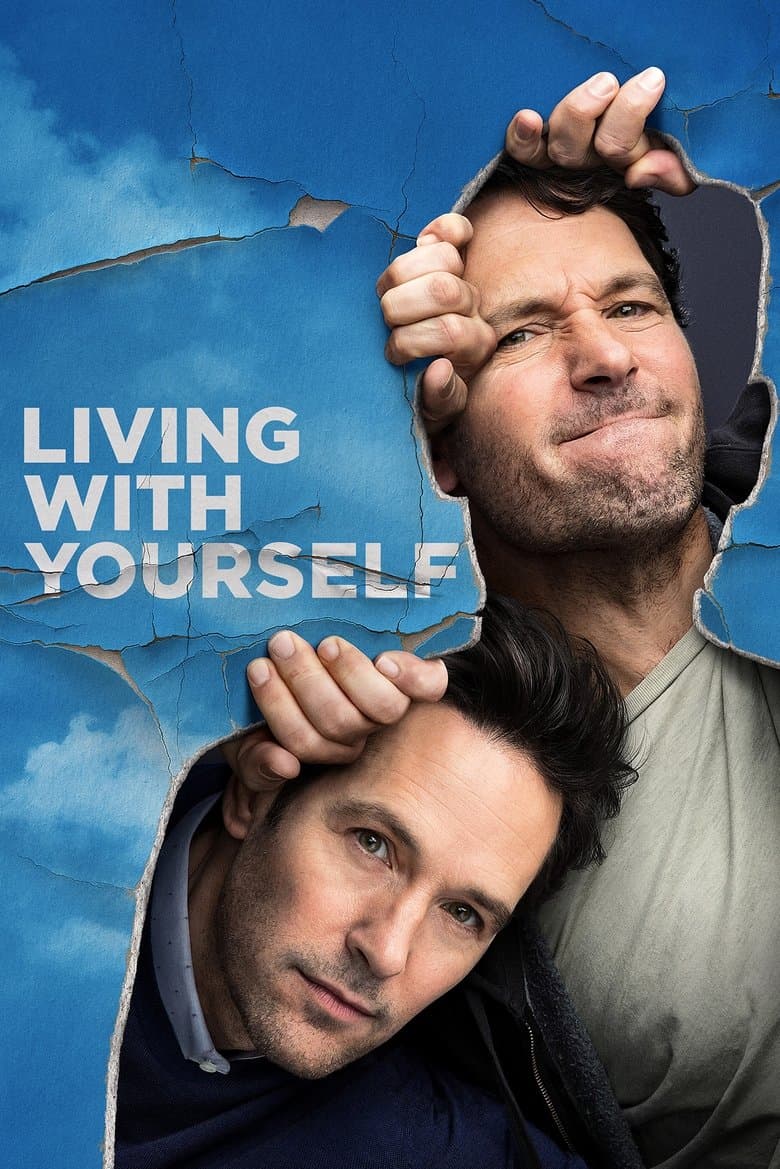
TV Show · 2019
Burned out on life, Miles undergoes a strange procedure at a strip mall spa -- and wakes to find he's been replaced by a better version of himself.
TV Show · 2020
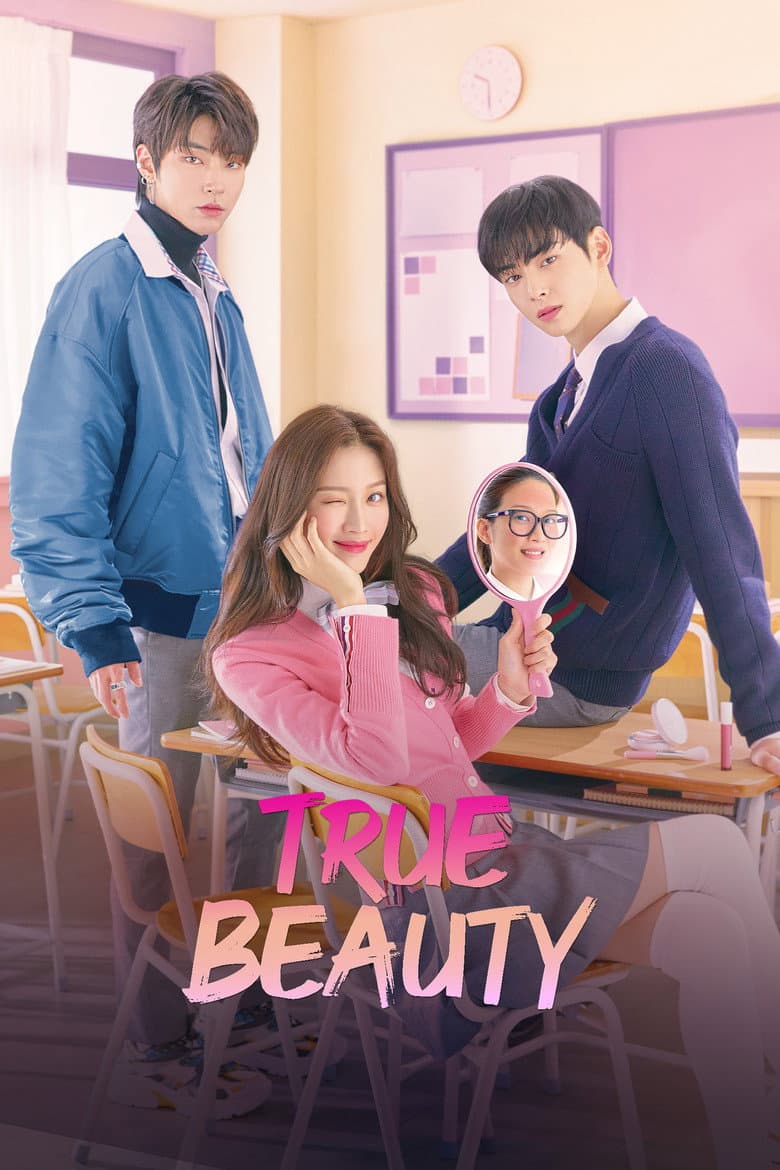
After being bullied and discriminated because of her ugly looks, a high school girl transforms herself into a gorgeous "goddess" and quickly rises to fame after mastering the art…

TV Show · 2016
In his funky California beach enclave, Chip's the go-to guy for personal insights. But he isn't quite as enlightened when it comes to his own baggage.
