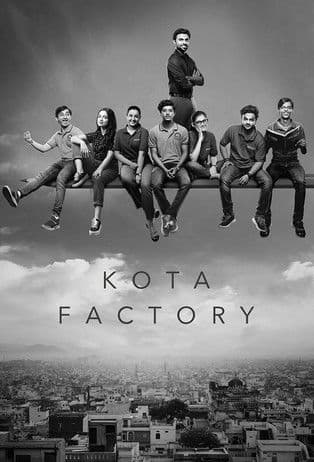
Started April 16, 2019 · Returning Series · Based on 3 seasons, 15 episodes through June 20, 2024 · TV-14 · 40 min · Hindi
Kota Factory follows Vaibhav Pandey, an ordinary teenage student who moves to Kota, Rajasthan, to prepare for the IIT entrance exam. He shares a small, tiring life with Meena, Uday, Vartika, Shivangi, and Meenal while Jeetu Bhaiya guides them through classes, friendships, romance, and fear of failure. The first two seasons show the students joining stronger coaching classes and trying to keep their lives together as the exam gets closer. Season 3 brings the final push and shows how a student's death by suicide leaves Jeetu depressed and in therapy as the group faces hard choices. The show mixes dry jokes with serious stories about pressure, ambition, friendship, and growing up.
The clearest identity-related material concerns gender in the coaching world. Season 2 points out that the classes are built around boys and presents a woman chemistry teacher as a way to help female students feel more confident. Season 3 keeps Pooja Didi as a capable teacher and voice against turning students into products, but the show gives her less time than Jeetu Bhaiya. These ideas add a mild representation and gender-equality layer, yet the story remains about exams, mental health, friendship, family duty, and the cost of treating education like a business.
Community feedback
Was our 24% Woke rating accurate?
Breakdown
These are the editorial factors and ratings behind our score for Kota Factory.
Woke representation / casting
Kota Factory has a mixed group of boys and girls in a present-day Indian coaching town. The show gives Vartika, Shivangi, and Meenal continuing roles, and Season 2 adds Sarika Mittal, a woman teacher, while Season 3 adds Pooja Didi. The story links the woman teacher choice to helping girls feel less out of place in a male-heavy coaching world. The pattern is visible, but it fits the setting and is not a broad diversity-first cast design.
24%
Woke political dialogue
Season 2 has a short gender-focused thread in its spoken lines. Jeetu explains that girls may feel out of place when they see only male teachers and male IITians. The show answers that problem by bringing in a woman teacher, while Maheshwari's speech about unsuccessful people not being men exposes the older view. These lines are clear but brief, and the show has no repeated activist speeches.
18%
Identity-driven story themes
Gender is a small but recurring theme in the story. Season 2 shows girls feeling outnumbered in IIT coaching and uses Sarika's arrival to make that problem visible. Season 3 keeps Pooja Didi as a skilled chemistry teacher who questions the mass-production model of Kota. The main plot still follows Vaibhav and his friends through exams, pressure, mental health, and romance, so identity does not control the series.
24%
Western institutional / cultural critique
The show gives a modest critique of male-centered success talk and the lack of women in coaching spaces. Season 2 challenges the idea that a man's worth comes from rank, money, a house, or a wife. Seasons 2 and 3 also question profit-driven coaching and family pressure, but those conflicts are local education problems rather than a broad attack on Western culture or Christianity. The critique is occasional, not the show's main message.
12%
Woke character or canon changes
Not relevant. Kota Factory is an original series, so it has no established character or source canon to change. It does not recast a known figure or rewrite a real event.
0%
Anti-woke backlash and complaints
Not present. Public discussion centered on exam pressure, student suicide, coaching quality, and mixed views of Season 3. One small X account blamed the season on a cast member's anti-CAA protest appearance, but the claim had no pickup, and other boycott posts were not about woke content. Right-leaning praise that the show was not woke was approval, not backlash.
0%
Creator track record context
The cached creator profiles show low scores for Saurabh Khanna, Raghav Subbu, Pratish Mehta, the listed writers, and most producers. Arunabh Kumar has a mild 27 score tied to TVF's satire and public role, not a clear DEI campaign. Title interviews stress ordinary life, growing up, loneliness, and care for students. The group adds mild context, not a strong activist pattern.
8%
Production
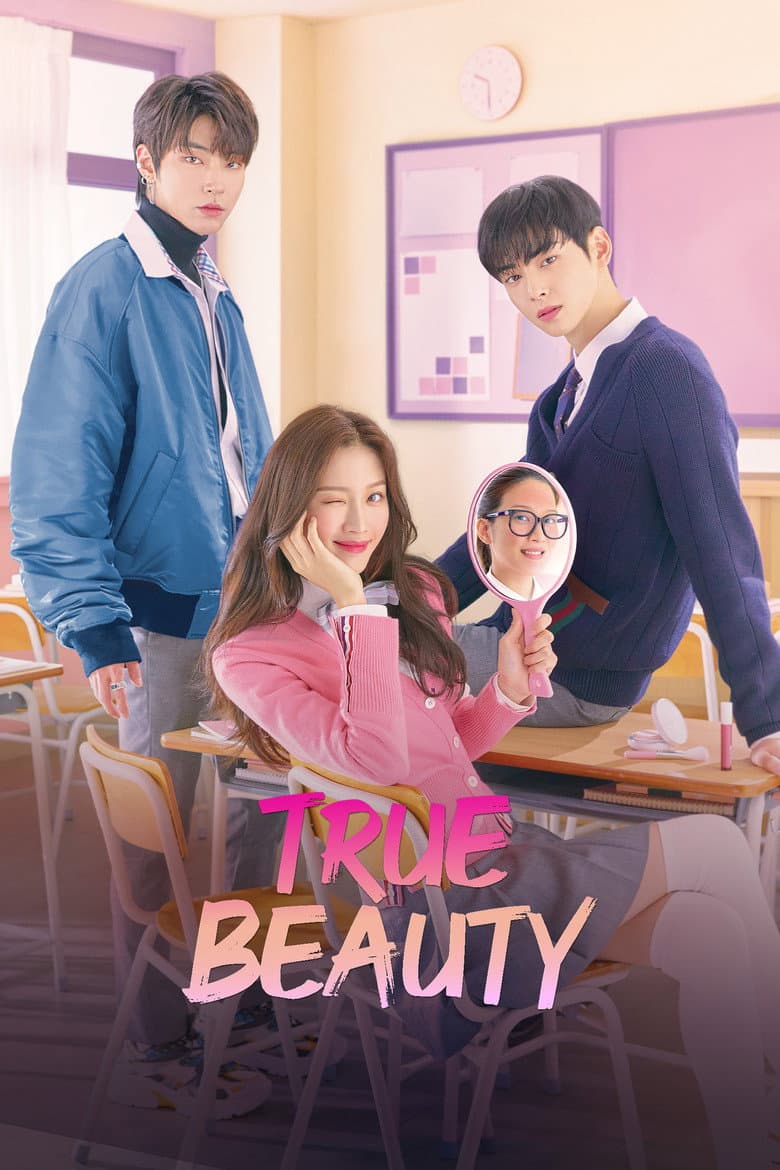
TV Show · 2020
After being bullied and discriminated because of her ugly looks, a high school girl transforms herself into a gorgeous "goddess" and quickly rises to fame after mastering the art…

TV Show · 2022
In disguise as her friend, Ha-ri shows up to a blind date to scare him away. But plans go awry when he turns out to be her CEO — and makes a proposal.

TV Show · 2018
When his secretary unexpectedly quits, an arrogant executive will do anything to bring her back.

TV Show · 2016
Rebellious Mickey and good-natured Gus navigate the thrills and agonies of modern relationships.

TV Show · 2019
Tony had a perfect life. But after his wife Lisa suddenly dies, Tony changes. After contemplating taking his own life, he decides instead to live long enough to punish the world…

TV Show · 2018
Puberty Syndrome—a rumored, mysterious syndrome that only affects those in their puberty. For example, a bunny girl suddenly appeared in front of Sakuta Azusagawa.
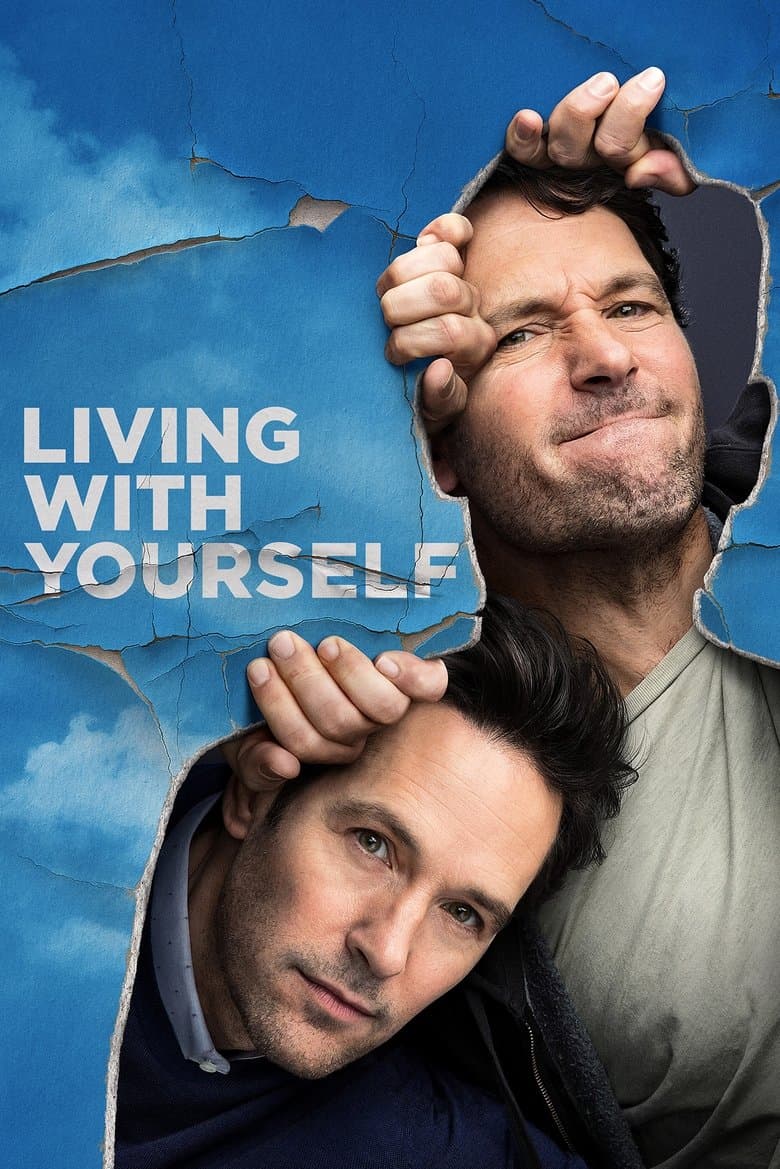
TV Show · 2019
Burned out on life, Miles undergoes a strange procedure at a strip mall spa -- and wakes to find he's been replaced by a better version of himself.
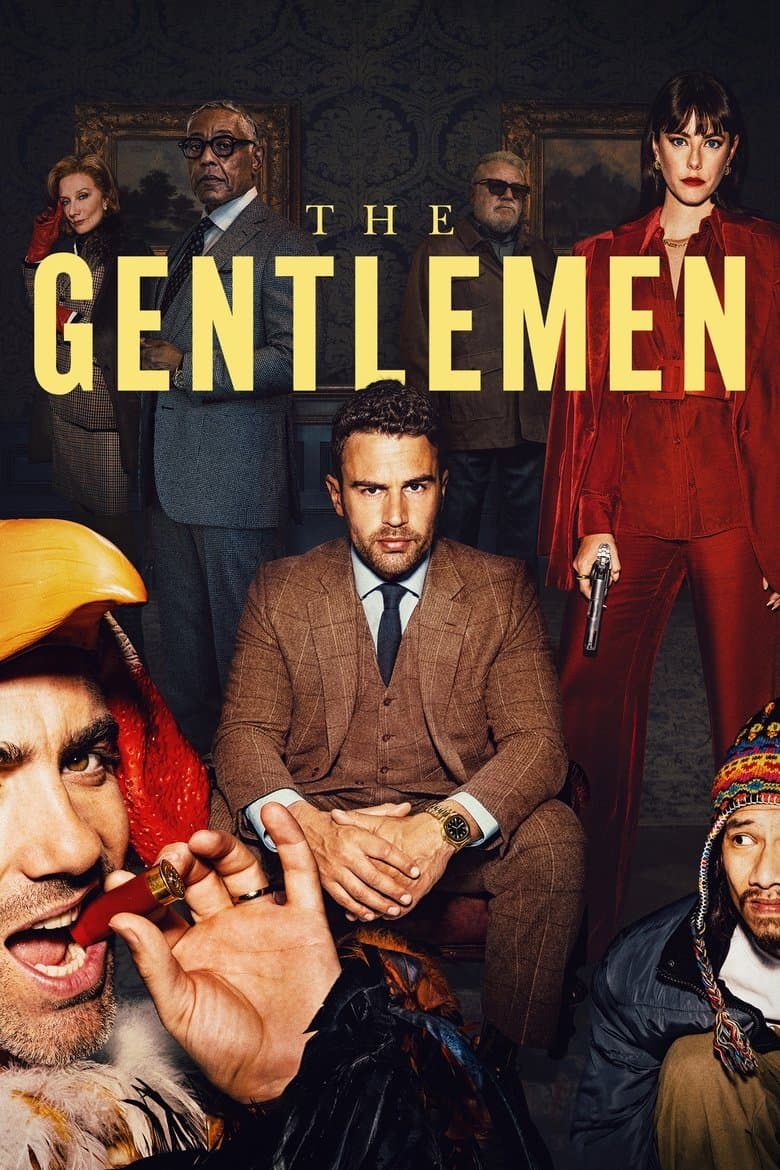
TV Show · 2024
When aristocratic Eddie inherits the family estate, he discovers that it's home to an enormous weed empire — and its proprietors aren't going anywhere.
