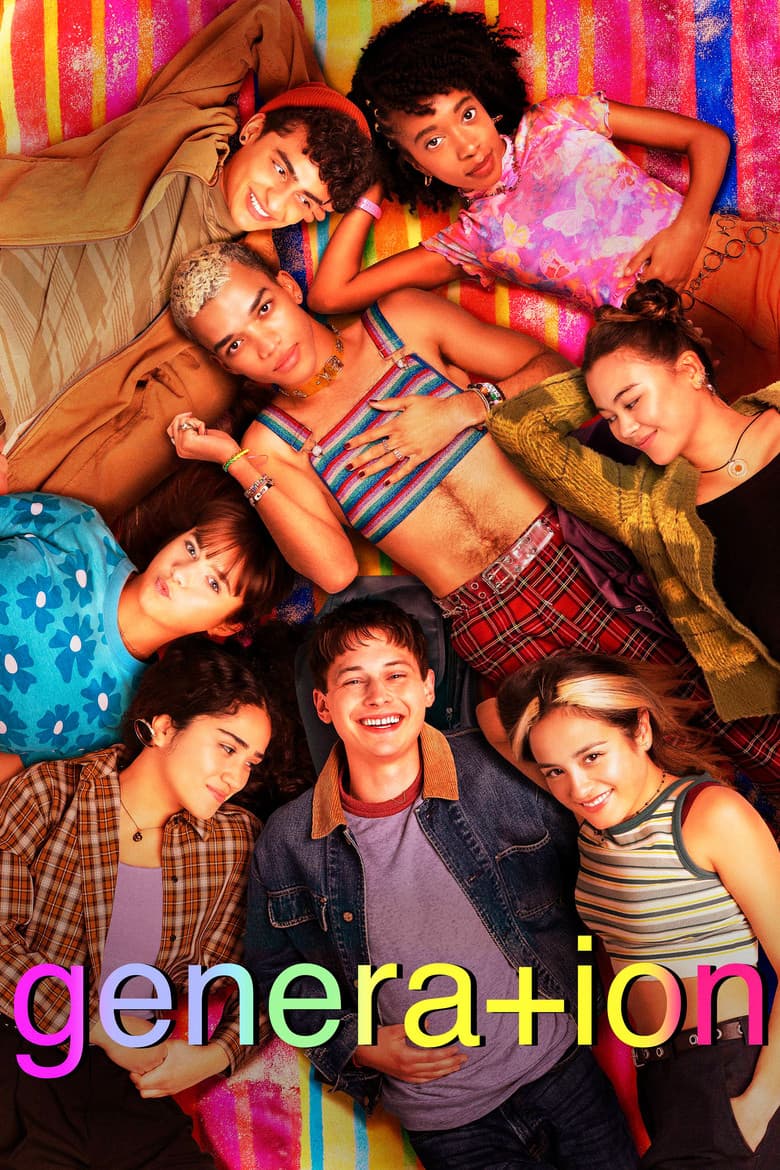
Started March 11, 2021 · Canceled · Based on 1 season, 16 episodes through July 8, 2021 · TV-MA
Genera+ion follows Chester, a bold black high school water polo player, and a circle of classmates in Orange County, California. The students deal with sex, dating, secrecy, family pressure, school rules, and the sudden birth of Delilah’s baby in a mall bathroom. Chester wants a real bond with Sam, his older guidance counselor, while Nathan hides his bisexuality and Greta tries to hold on to Riley. The tone is raunchy, playful, messy, and often serious.
Queer identity is the show’s main subject, not a side plot. Chester is openly gay, Nathan comes out as bisexual, Greta and Riley explore a relationship, Delilah faces pregnancy and adoption, and Ana is a supportive trans aunt. The students form a Gay-Straight Alliance, attend a queer-youth fundraiser at a drag bar, and challenge Megan’s religious view that homosexuality is sinful. The show treats self-discovery, same-sex love, fluid labels, and chosen family as normal and often more honest than older rules.
Community feedback
Was our 87% Woke rating accurate?
Breakdown
These are the editorial factors and ratings behind our score for Genera+ion.
Woke representation / casting
The main student group includes black characters, a Latina lesbian, a bisexual boy from a Christian family, and a trans Latina aunt. The setting is modern Orange County, so the ethnic mix alone is not a strong mismatch. The creators publicly stressed a diverse cast, and actor coverage said nearly every main character has some queer link. The repeated identity mix and the public diversity framing make casting a clear part of the show’s design.
40%
Woke political dialogue
Delilah speaks in social-justice language and argues about what is offensive. The students discuss queer labels, bisexuality, pronouns, and the GSA across the season. Megan argues that homosexuality is sinful and treats Nathan’s bisexuality as a phase. The show repeats these moral and identity debates, but it does not focus on elections, political parties, or broad policy.
35%
Identity-driven story themes
Queer identity drives nearly every major student story. Chester is openly gay, Nathan comes out as bisexual, Greta and Riley pursue queer relationships, and Ana is a trans aunt. The GSA, queer-youth fundraiser, drag performance, and fluid romance plots return across the season. The show treats queer love, changing labels, and chosen family as positive answers to older rules.
92%
Western institutional / cultural critique
The show repeatedly places its students against Megan’s conservative Christian rules. Megan calls homosexuality sinful and treats Nathan’s bisexuality as a phase, while the story presents her judgment as harmful. The GSA and the queer-youth fundraiser are shown as safer spaces than the older family rules. The series questions fixed gender roles and family forms, but it does not attack capitalism or government institutions.
48%
Woke character or canon changes
Not relevant. The show is an original story with no earlier characters, canon, or real historical figures to change.
0%
Anti-woke backlash and complaints
A right-leaning site called the show LGBT propaganda and said it attacks conservative values and the traditional family. Comments on that article repeated claims about indoctrination and normalizing teen sex. The complaints were small and fringe, and no major boycott or broad news fight was reported.
28%
Creator track record context
Daniel Barnz has publicly supported queer representation, and Zelda Barnz has advocated for queer joy and identity-focused stories. Lena Dunham and Christina Nieves have strong feminist or LGBTQ-focused work histories. Andrew Ahn and Chioke Nassor also have repeated queer, race, and representation-focused work in their known histories. The key creative group therefore has a strong identity-driven track record that matches this show.
80%
Production
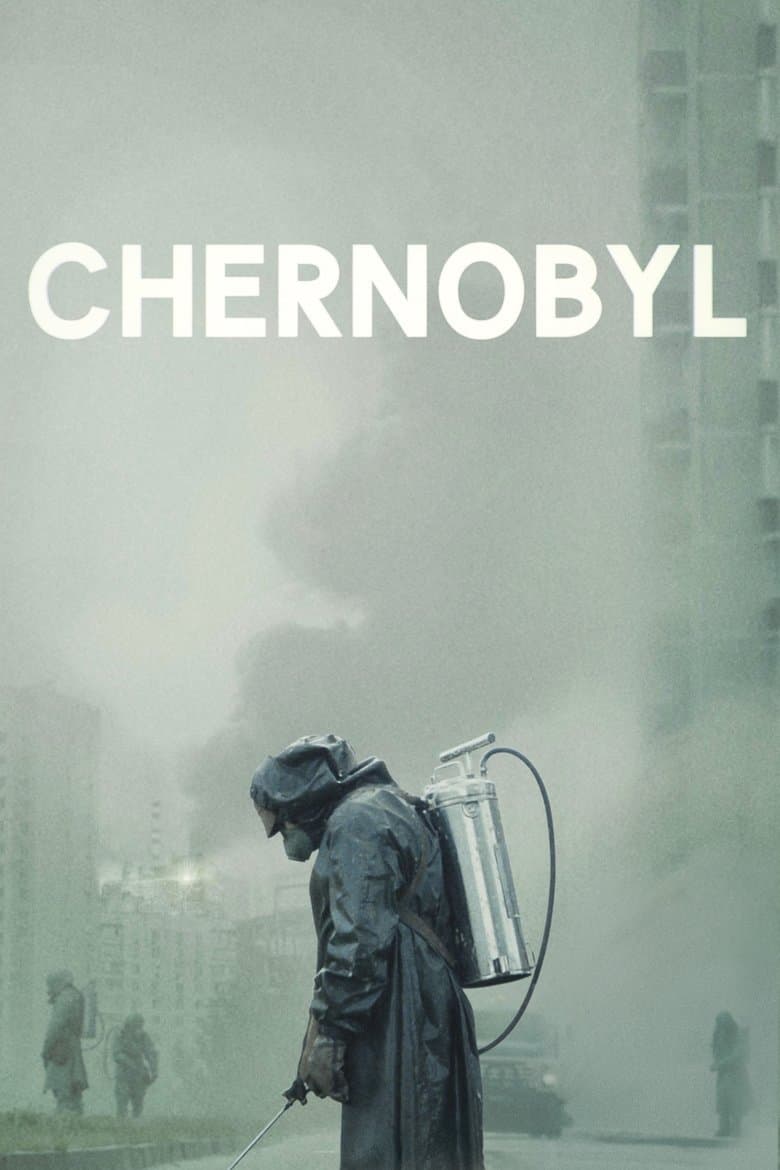
TV Show · 2019
The true story of one of the worst man-made catastrophes in history: the catastrophic nuclear accident at Chernobyl.
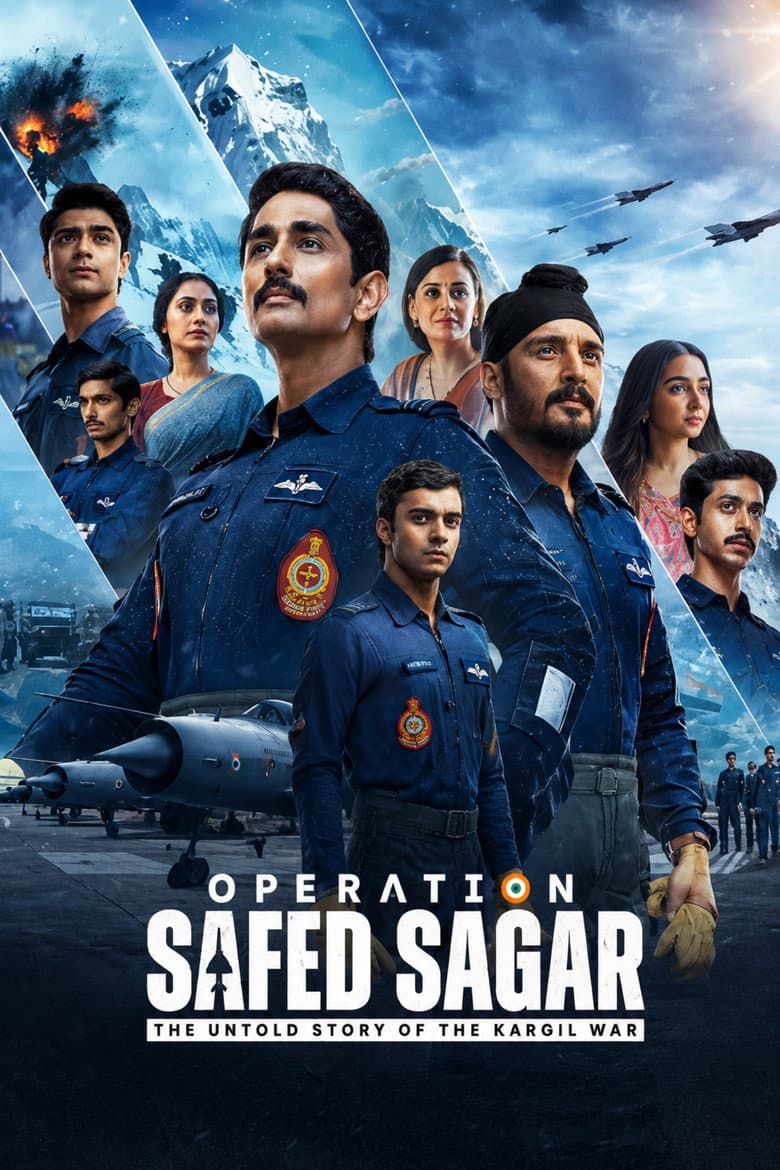
TV Show · 2026
As the Kargil War erupts between India and Pakistan, the Golden Arrows squadron of the Air Force takes flight on a dangerous mission behind enemy lines.
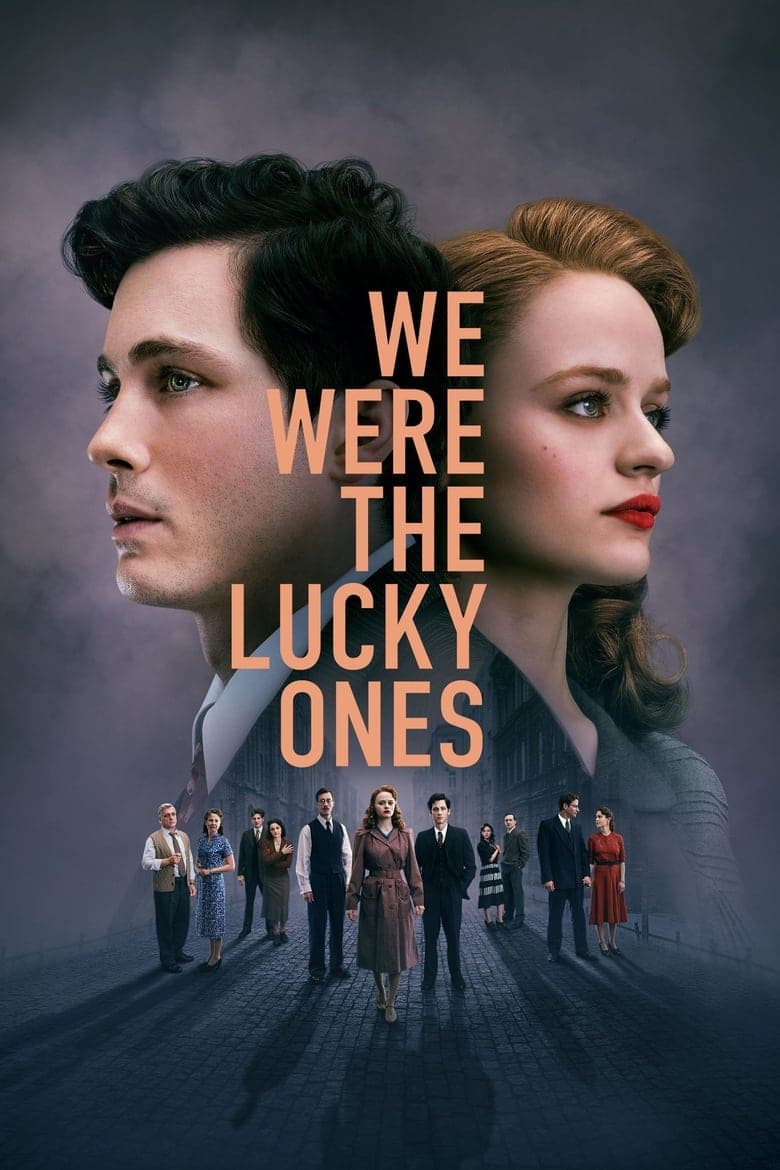
TV Show · 2024
The true story of one Jewish family separated at the start of World War II, determined to survive—and to reunite.
TV Show · 2019
In the 1960s, Israeli clerk-turned-secret agent Eli Cohen goes deep undercover inside Syria on a perilous, years-long mission to spy for Mossad.
TV Show · 2020
A wary CIA officer investigates a charismatic man who sparks a spiritual movement and stirs political unrest. Who exactly is he? And what does he want?
TV Show · 2026
Rip Wheeler and Beth Dutton gamble everything on a new life in South Texas, but the promise of building a future far from the ghosts of Yellowstone quickly collides with brutal…
TV Show · 2025
Tells the story of the ascent of the biblical figure, David, who becomes the most celebrated king of Israel. The series follows the once-mighty King Saul as he falls victim to his…
TV Show · 2026
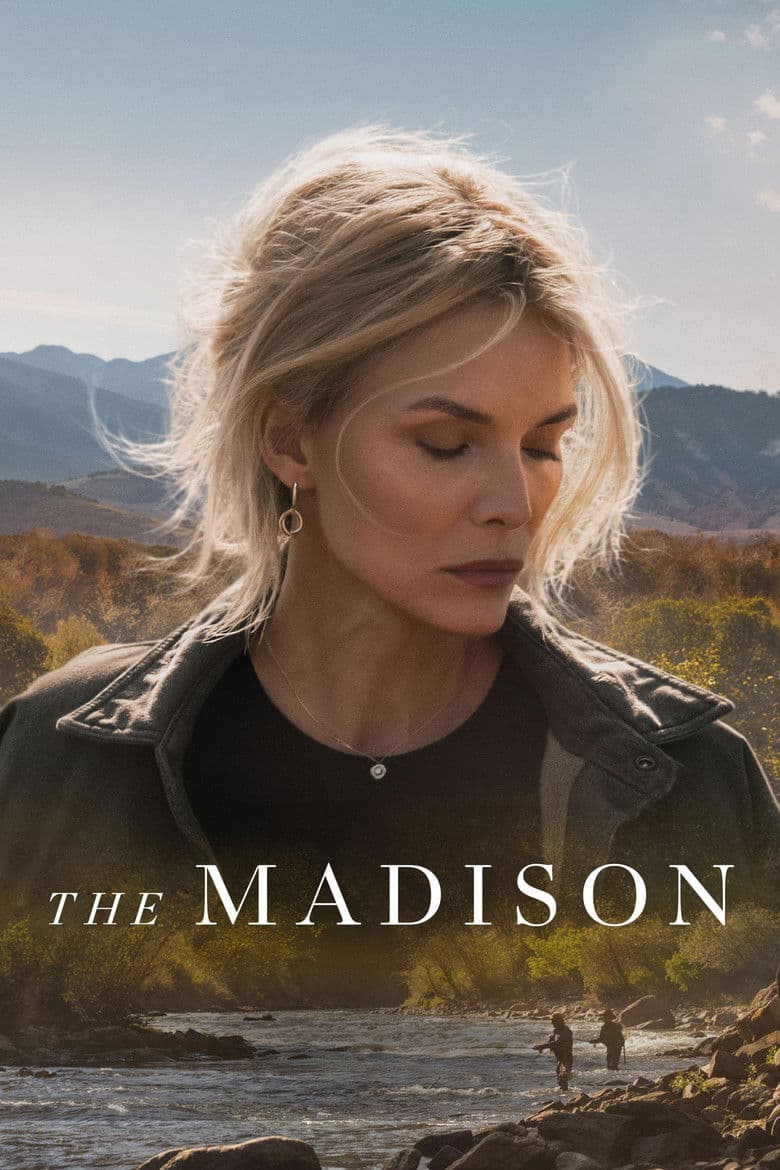
The Clyburns uproot their comfortable New York City lives to the wild, untamed beauty of Montana's Madison River Valley on a search for connection.
