
Started October 21, 2022 · Ended · Based on 1 season, 8 episodes through October 21, 2022 · TV-MA
Amahle “Amy” Wheeler is a black American art student from Texas who meets Sicilian chef Lino Ortolano while studying in Florence. The couple moves to Los Angeles, marries, builds careers, and adopts a daughter named Idalia. Lino’s cancer returns after years of hope, and Amy must care for him while keeping their family together. The show starts as a warm romance and becomes a very sad story about illness, death, and finding a way to live again.
Race and culture are visible parts of Amy and Lino’s marriage, especially when Amy enters Lino’s old-fashioned Sicilian family and learns his language and customs. Amy’s life as a black American woman in Italy and America shapes family scenes, career choices, and the couple’s struggle to be accepted. The show also treats Amy’s choice to pursue art and the couple’s adoption as important parts of their family life. These identity-driven themes recur across the season, but the story presents them through love, family, grief, and healing instead of political debate.
Community feedback
Was our 42% Woke rating accurate?
Breakdown
These are the editorial factors and ratings behind our score for From Scratch.
Woke representation / casting
Not present. Amy and Lino’s interracial casting matches the memoir and the characters’ American and Sicilian backgrounds. The family mix fits the story world, and no role is presented as a diversity-first casting change.
0%
Woke political dialogue
Amy says she does not seek the male gaze while discussing her work and clothes. The family jokes about Republicans and calls the NFL treatment of players racist. The family also uses Kwanzaa names and speaks about Black heritage. These lines stay brief and do not drive the plot.
18%
Identity-driven story themes
The show makes Amy’s life as a black American woman in Italy a continuing part of the story. The interracial marriage brings race, language, family custom, and belonging into several episodes. Amy rejects law school for art, and the couple treats adoption as a full form of parenthood. These identity-driven ideas shape family conflict and healing, while the main plot remains a personal love story.
45%
Western institutional / cultural critique
The show presents Giacomo’s demand that Lino follow the family farm and obey old family rules as harmful. The story shows Biagia regretting the choices that the male-led family order took from her. The show also includes a male-gaze joke and supports Amy and Zora when they choose their own work and family paths. This critique recurs, but it stays inside family drama instead of attacking Western institutions.
30%
Woke character or canon changes
Not relevant. The show changes names, ages, and some scenes from Tembi Locke’s memoir, but those are ordinary adaptation choices. No identity-driven change to an established character or real historical figure shapes the story.
0%
Anti-woke backlash and complaints
Not present. Public posts mainly praised the romance or discussed how sad it was. Reported complaints focused on Zoe Saldaña playing a character in her twenties and on the overly dramatic style, not woke or DEI politics.
0%
Creator track record context
Attica Locke’s earlier crime stories often explore racial prejudice, Black life, and system problems. Amy Wang has a milder record tied to racial assimilation, while the other listed writers and director show little public political work. Reese Witherspoon’s Hello Sunshine backs women-centered stories and wider representation. This gives the show a noticeable but mixed creator track record context.
43%
Production
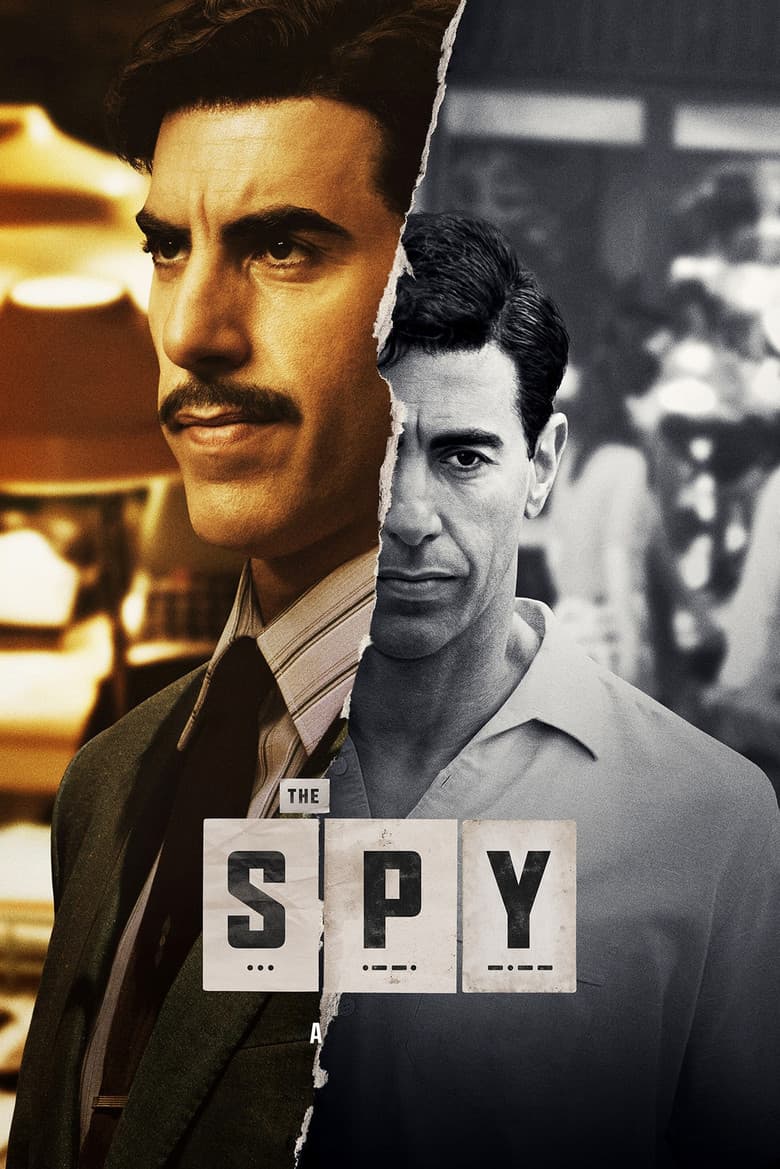
TV Show · 2019
In the 1960s, Israeli clerk-turned-secret agent Eli Cohen goes deep undercover inside Syria on a perilous, years-long mission to spy for Mossad.
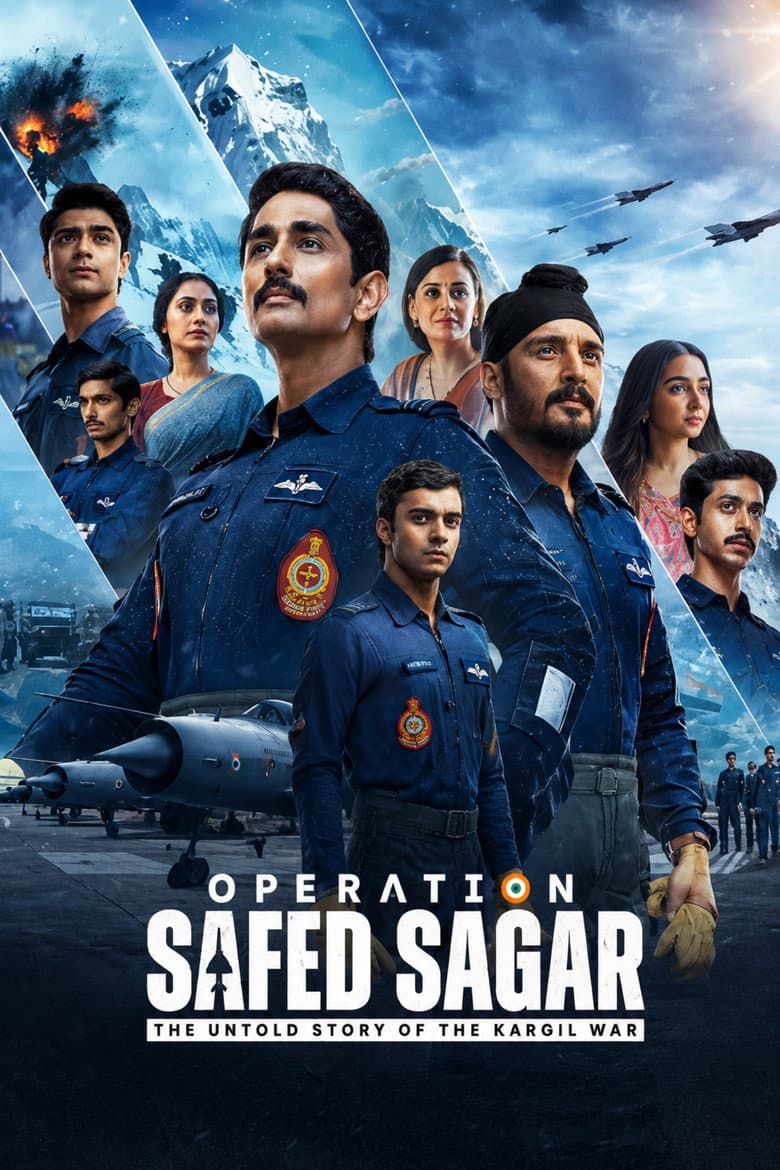
TV Show · 2026
As the Kargil War erupts between India and Pakistan, the Golden Arrows squadron of the Air Force takes flight on a dangerous mission behind enemy lines.
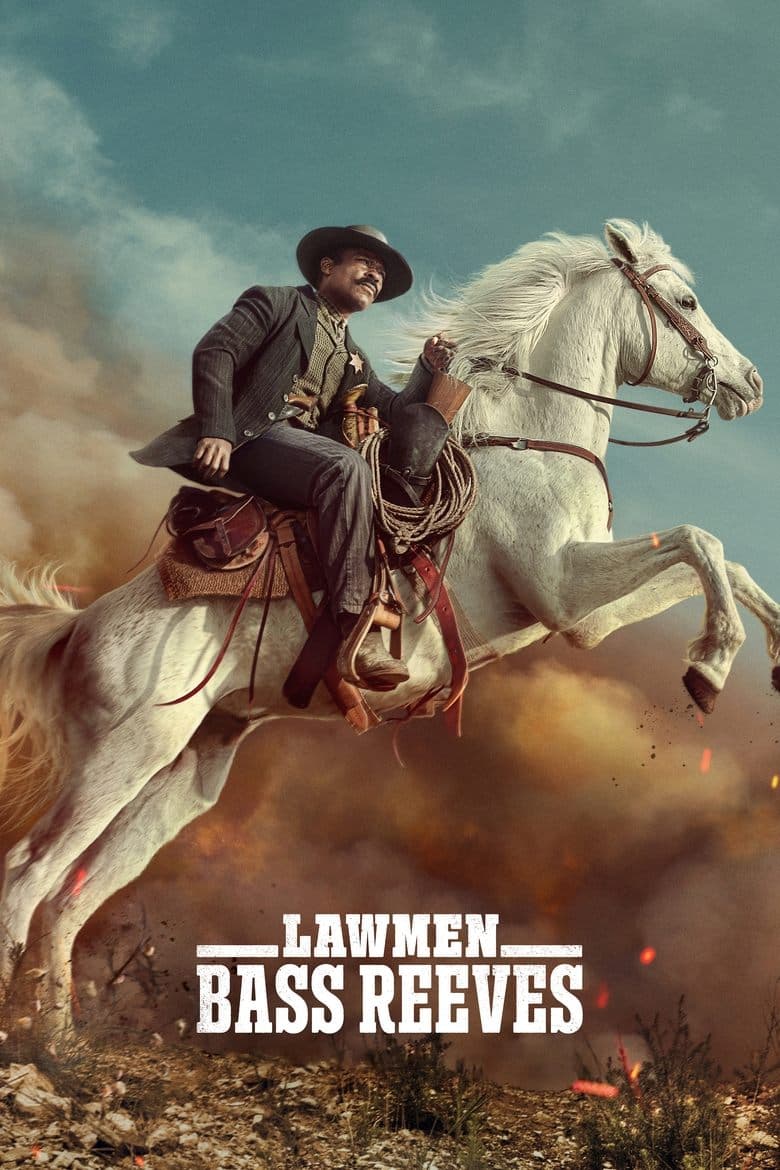
TV Show · 2023
The story of Bass Reeves, the legendary lawman of the wild West, is brought to life. Reeves worked in the post-Reconstruction era as a federal peace officer in the Indian…
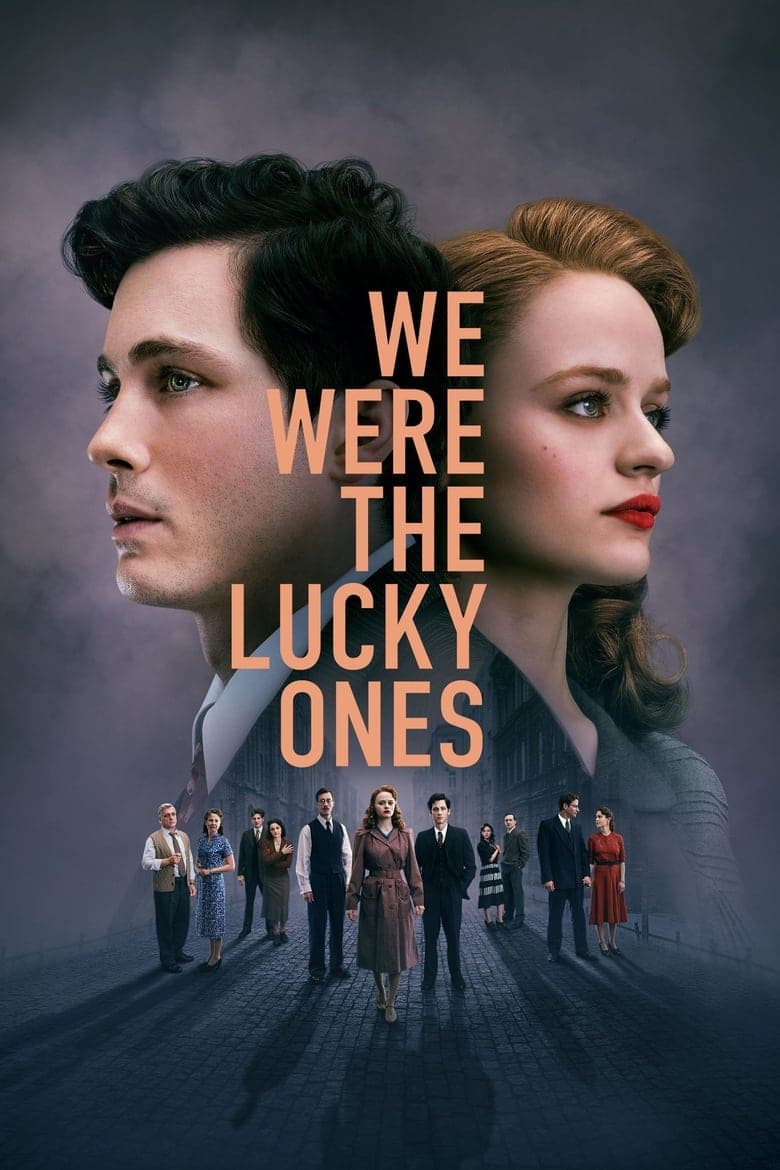
TV Show · 2024
The true story of one Jewish family separated at the start of World War II, determined to survive—and to reunite.

TV Show · 2024
Fascinated by cars since childhood, Brazilian racer Ayrton Senna became a sports legend — until tragedy struck, changing Formula 1 forever.
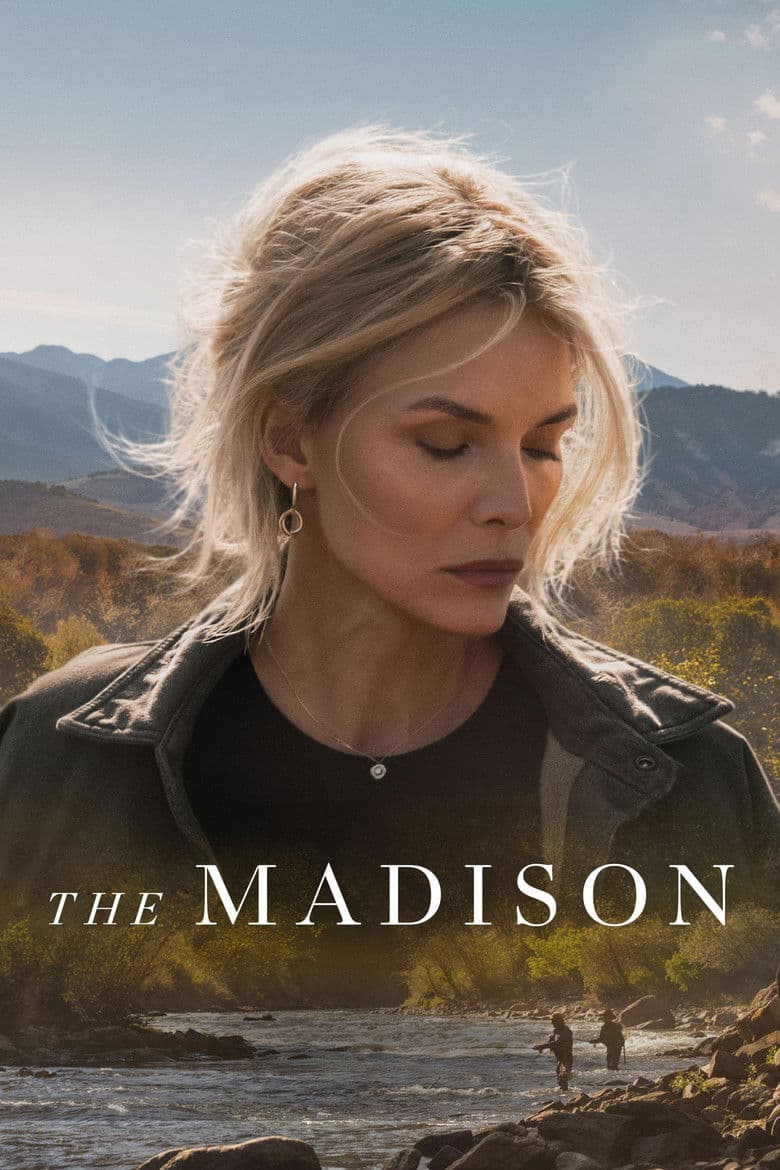
TV Show · 2026
The Clyburns uproot their comfortable New York City lives to the wild, untamed beauty of Montana's Madison River Valley on a search for connection.
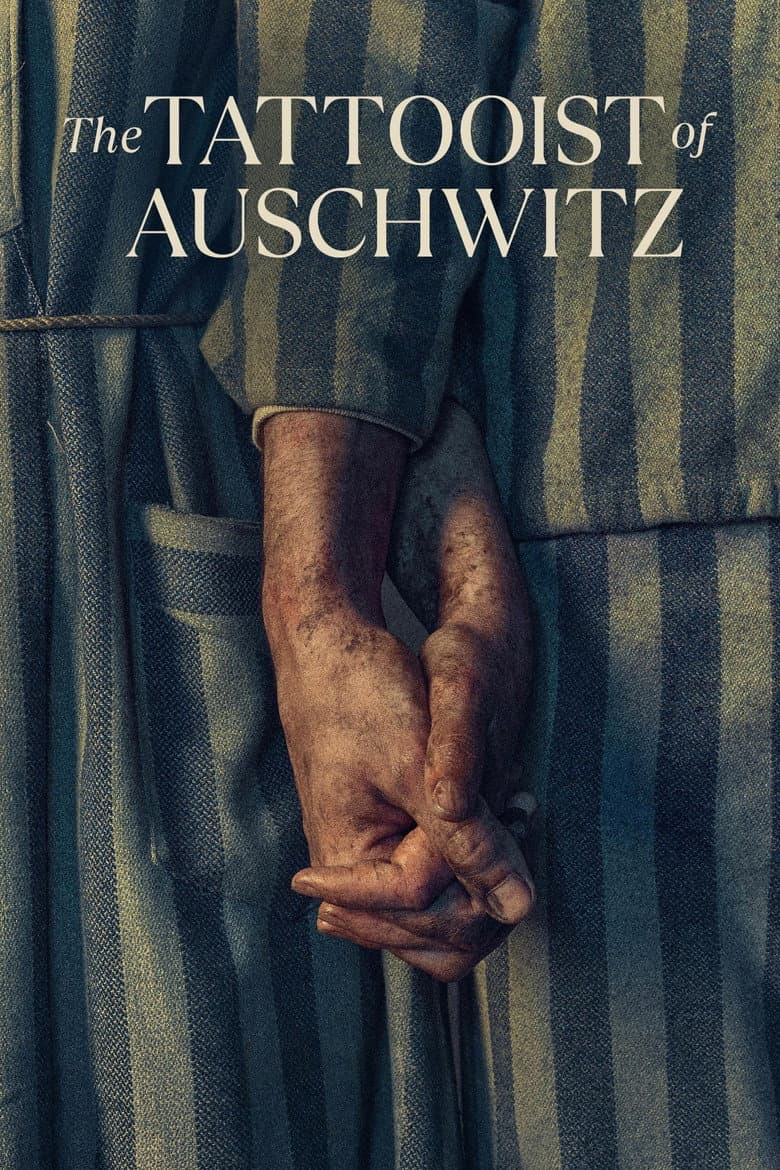
TV Show · 2024
The powerful real-life story of Lali Sokolov, a Jewish prisoner who was tasked with tattooing ID numbers on prisoners' arms in the Auschwitz-Birkenau concentration camp during…
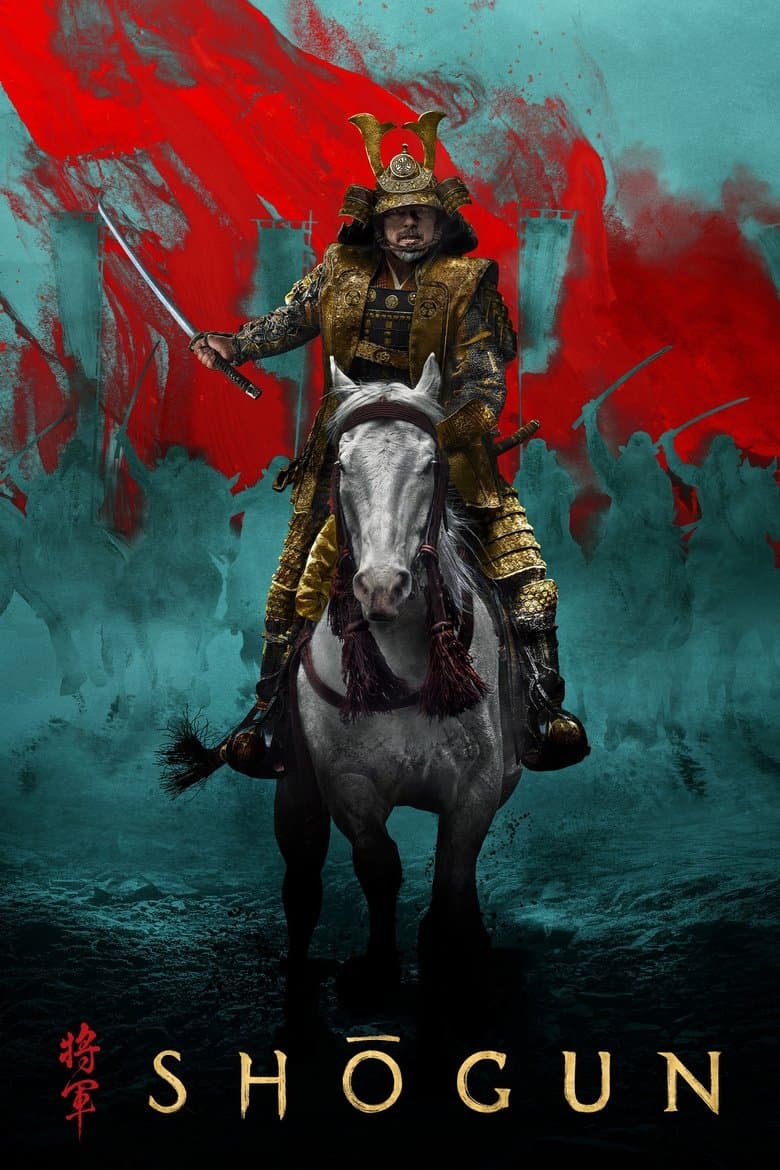
TV Show · 2024
In Japan in the year 1600, at the dawn of a century-defining civil war, Lord Yoshii Toranaga is fighting for his life as his enemies on the Council of Regents unite against him…
