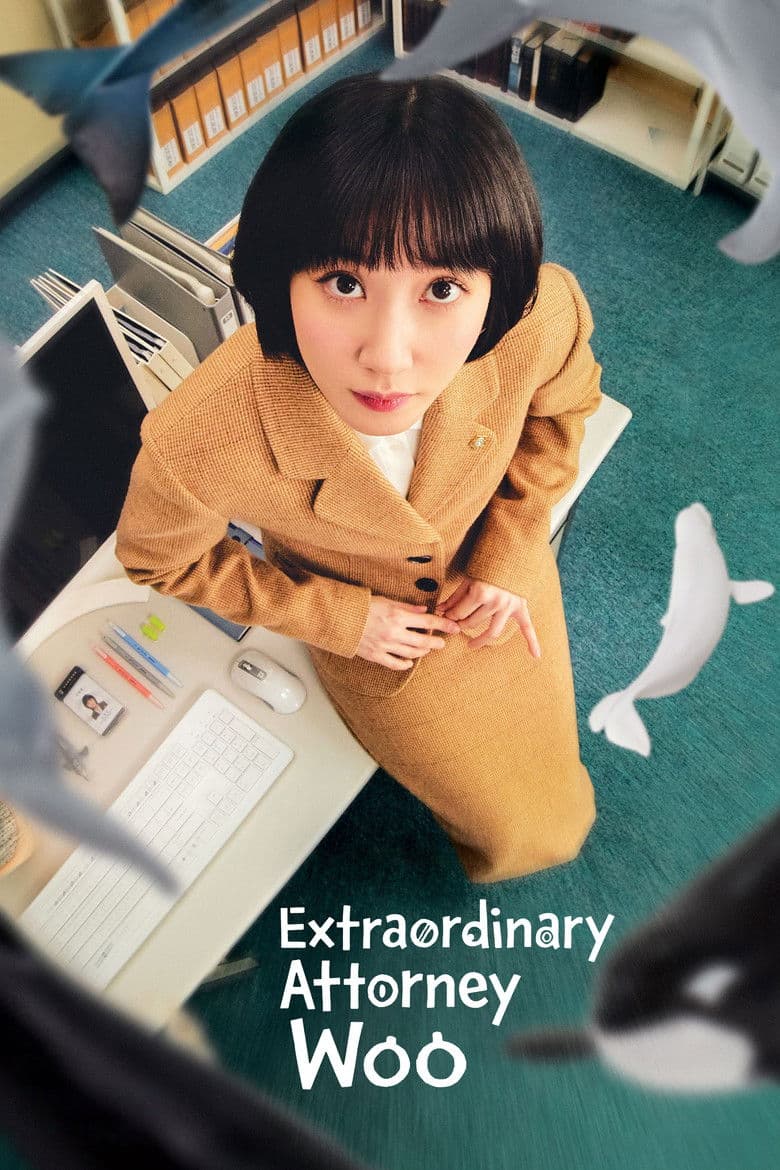
Started June 29, 2022 · Ended · Based on 1 season, 16 episodes through August 18, 2022 · TV-14 · 70 min · Korean
Woo Young-woo is a young lawyer with autism who joins Hanbada, a major law firm in Seoul. She graduated at the top of her class, but coworkers doubt her because she speaks, moves, and reacts in ways they do not expect. She handles a new court case in each episode while dealing with work rivals, family secrets, and a growing romance with Lee Jun-ho. The show uses a warm, funny tone, but it also includes abuse, sexual assault, disability bias, illness, and hard choices.
Autism is the show’s main identity theme, and Young-woo’s special interest in whales, sensory overload, need for routine, and problems with social cues shape both cases and private life. The story repeatedly asks viewers to reject low expectations and judge people by what they can do, while it shows coworkers learning to include her. Several cases also present a lesbian bride, a North Korean woman, a woman with an intellectual disability, unfair treatment of married women at work, and children pushed by a harsh study system. These themes are important across the season, but the show presents them through a gentle legal drama and romance instead of long political speeches.
Community feedback
Was our 72% Woke rating accurate?
Breakdown
These are the editorial factors and ratings behind our score for Extraordinary Attorney Woo.
Woke representation / casting
Woo Young-woo is an autistic woman in the lead role, and her disability is central to the show. The show also gives important roles to Jeong-hoon, another autistic client, and Shin Hye-yeong, a woman with an intellectual disability. Hanbada and Taesan are both led by women, and Choi Su-yeon is a capable young lawyer who often defends Woo. The show does not build its cast around racial or ethnic diversity.
48%
Woke political dialogue
Woo openly explains her autism and says that she is still like any other lawyer. The lawyers repeatedly discuss bias, fair treatment, the autism spectrum, consent, and the right of disabled adults to make choices. Attorney Ryu Jae-sook calls out a company that pressures husbands and wives over jobs, while Bang Gu-ppong calls his fight for children’s free time a political cause. These ideas return across several episodes, but the show uses case talk and personal scenes more often than speeches.
46%
Identity-driven story themes
Autism shapes Woo’s work, friendships, romance, family life, and sense of self across the full season. The story repeatedly shows prejudice, workplace barriers, sensory overload, and the struggle to treat disabled people as adults with their own choices. Several cases focus on a lesbian bride, a North Korean defector, a woman with an intellectual disability, unfair job cuts aimed at married women, and children pushed by an intense study system. The show usually presents inclusion, equal treatment, and personal freedom as the right answers.
75%
Western institutional / cultural critique
The show criticizes a law firm that treats Woo as a hiring problem and a company that pressures women to leave their jobs. The story presents male entitlement, family control, and old gender roles as harms in several cases. The children’s case also attacks a school culture that turns long study hours into a measure of worth. The show aims its criticism at Korean workplaces, families, and schools rather than Christianity or Western culture.
38%
Woke character or canon changes
Not relevant. The show creates its own fictional legal characters. No identity-based change to an established canon character or real historical figure appears.
0%
Anti-woke backlash and complaints
Some Korean male online communities accused the show of extreme feminism after episode 12 and objected to a disputed phrase that they said insulted men. Other reports described complaints that the activist lawyer and the women’s workplace case pushed a feminist agenda. A viral university post also called the show a reverse-discrimination story because Woo was shown as too perfect while critics were treated harshly. The complaints were limited and mixed with strong audience support, and the production team denied that the episode copied a specific real person.
30%
Creator track record context
Writer Moon Ji-won has repeatedly centered disability and social prejudice in her known work. Moon also said she wanted viewers to meet Woo through Woo’s own point of view. Director Yoo In-sik and producer Lee Sang-baek have mainly made commercial dramas and business-focused projects without a clear activist record. The creator context therefore gives a moderate representation signal but not a broad political one.
32%
Production

TV Show · 2024
Fascinated by cars since childhood, Brazilian racer Ayrton Senna became a sports legend — until tragedy struck, changing Formula 1 forever.
TV Show · 2026
The Clyburns uproot their comfortable New York City lives to the wild, untamed beauty of Montana's Madison River Valley on a search for connection.
TV Show · 2021
Inspired by the true story of Marty and the therapist who turned his life around...then took it over. When he first meets Dr. Ike, Marty just wants to get better at boundaries.
TV Show · 2024
The powerful real-life story of Lali Sokolov, a Jewish prisoner who was tasked with tattooing ID numbers on prisoners' arms in the Auschwitz-Birkenau concentration camp during…
TV Show · 2025
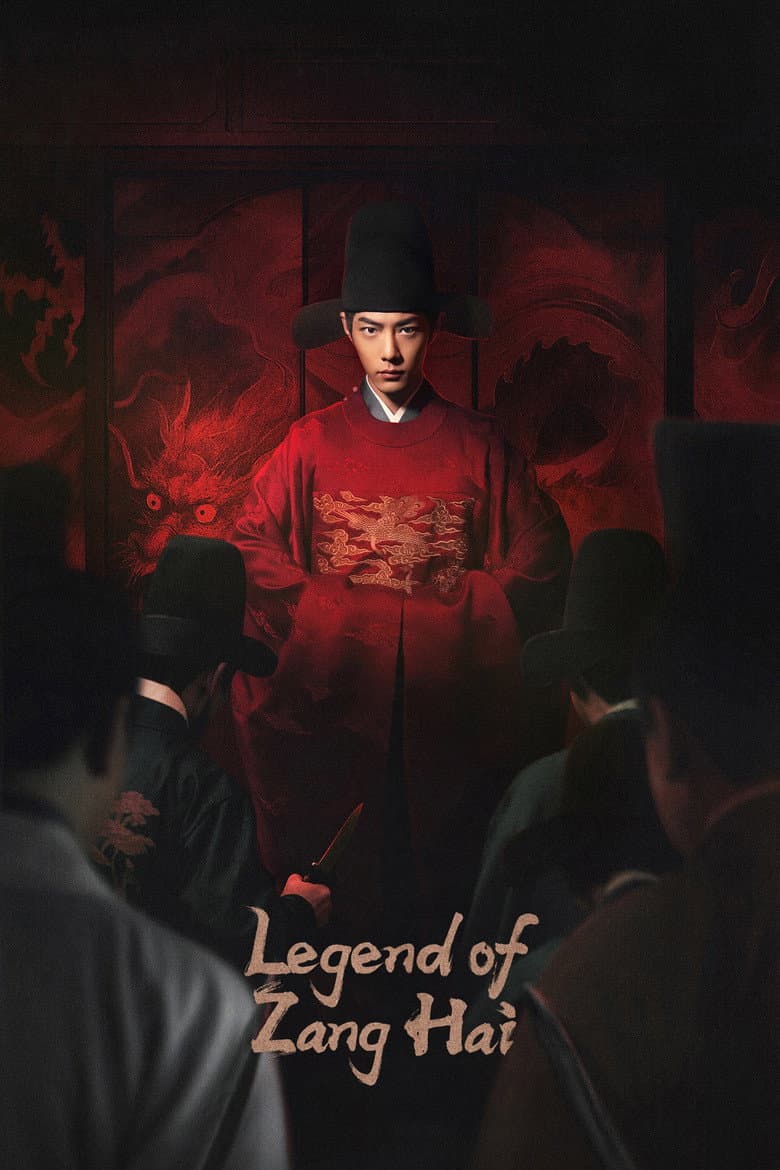
"Legend of Zang Hai" follows the son of Imperial Astronomer Kuai Duo. Consumed by vengeance, he spends a decade honing his skills.
TV Show · 2020
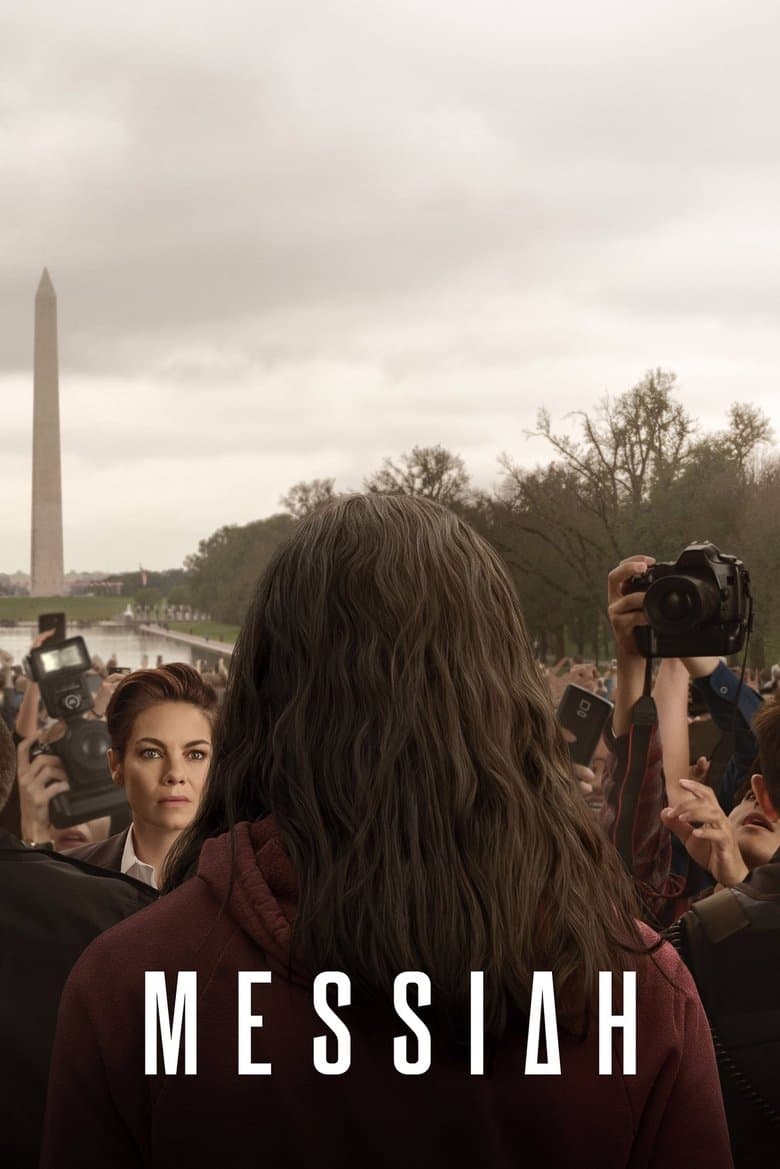
A wary CIA officer investigates a charismatic man who sparks a spiritual movement and stirs political unrest. Who exactly is he? And what does he want?
TV Show · 2019
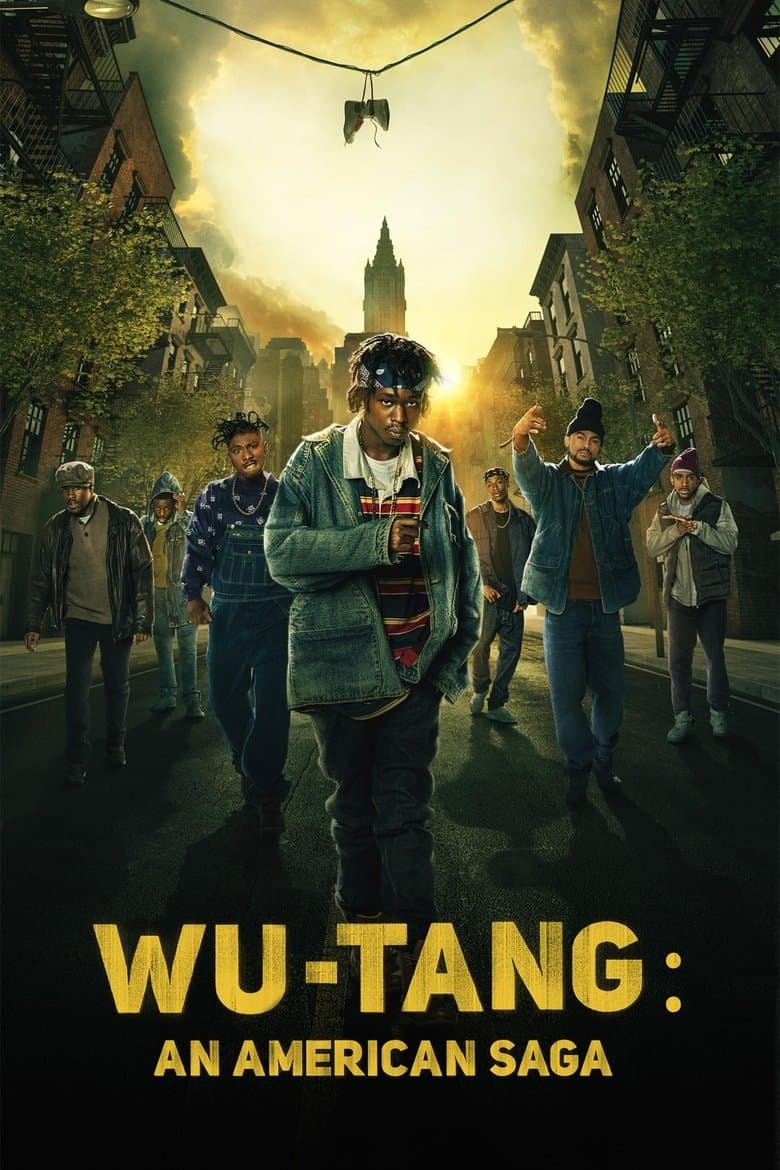
In the early 1990s in New York, during the height of the crack cocaine epidemic, a visionary musician named Bobby Diggs aka The RZA begins to form a super group of a dozen young…

TV Show · 2016
The love story of young Countess Natasha Rostova and Count Pierre Bezukhov is interwoven with the Great Patriotic War of 1812 against Napoleon's invading army.
