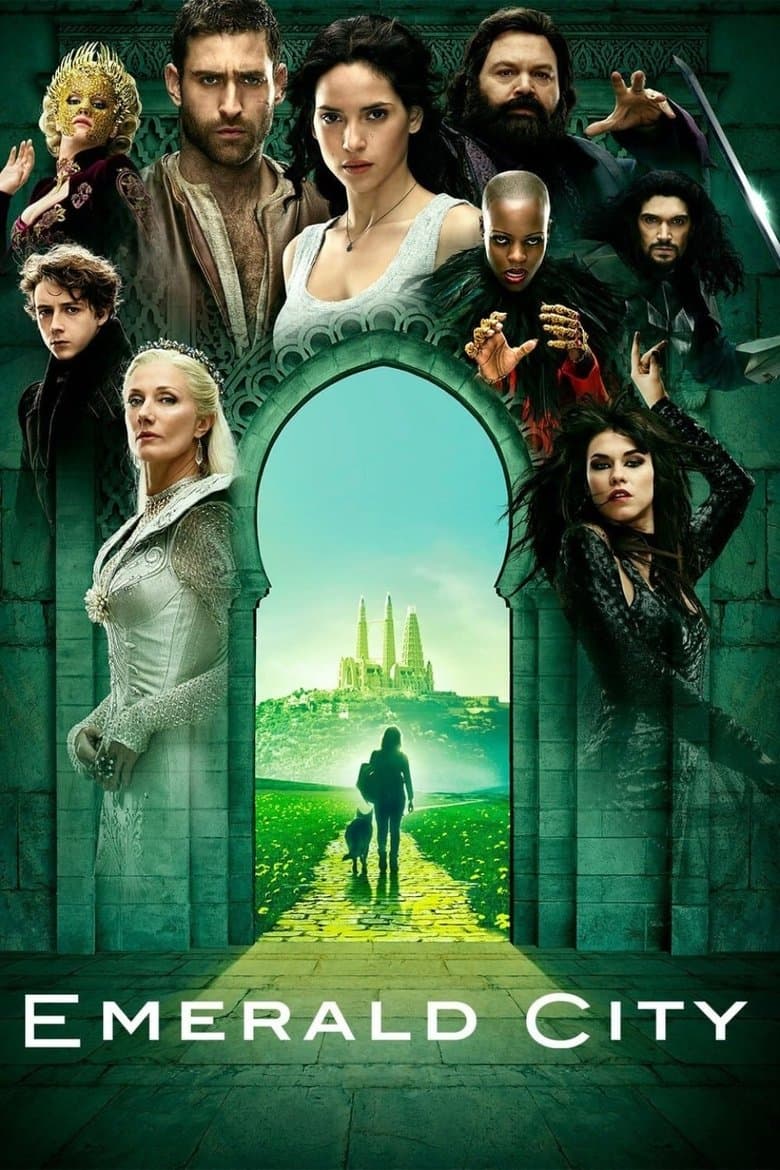
Started January 6, 2017 · Canceled · Based on 1 season, 10 episodes through March 3, 2017 · TV-14 · 42 min
Emerald City follows Dorothy Gale, a 20-year-old nurse in Kansas who is pulled into Oz by a tornado while driving with her police dog, Toto. She searches for a way home after her arrival puts her in the middle of a war between the Wizard, rival witches, and the coming Beast Forever. Dorothy travels with Lucas, an injured soldier with lost memories, and meets Tip, a youth held by a witch, as well as Jack, a man rebuilt with metal. The show uses dark fantasy, sex, torture, murder, guns, magic, and grim power struggles instead of the gentle tone of the famous film.
The show gives much of its story to gender and power. Tip's body changes from boy to girl when the medicine stops, and Tip spends most of the season trying to decide who Tip is while others try to decide for Tip. Dorothy becomes a strong fighter, while women such as Glinda, West, East, and Princess Ev rule lands, command armies, or control magic. The story presents the Wizard as an abusive ruler who suppresses magic, targets witches, and harms poor people, while it treats freedom, self-choice, and women's power as important answers. The show also includes a bisexual West and a broad international cast, but its identity themes sit inside a larger fight over magic, science, and control.
Community feedback
Was our 72% Woke rating accurate?
Breakdown
These are the editorial factors and ratings behind our score for Emerald City.
Woke representation / casting
Adria Arjona plays Dorothy as a Latina lead, and Florence Kasumba plays the Witch of the East as a major ruler. Ana Ularu's West and Joely Richardson's Glinda also hold power over large parts of Oz. Production coverage stresses that the actors came from many countries and presents this as part of the new version. The repeated use of actors from different ethnic backgrounds and powerful women makes representation a clear audience-visible feature.
44%
Woke political dialogue
The Wizard says magic must be outlawed and calls for a war on witches. Characters argue that science should defeat magic, while other characters defend magic as part of ordinary people's culture. Dorothy and Tip also speak about who controls a person's life and body. These ideas recur across the season, but the show rarely names modern political parties or real-world movements.
36%
Identity-driven story themes
Tip's body changes from boy to girl after the medicine stops working. Tip spends much of the season asking who gets to decide Tip's identity and whether Tip can become a boy again. The witches and the Wizard then use Tip's body and identity as part of their struggle for power. The story also makes women's control of magic and freedom from male rule a repeated part of the plot. This is one of the season's main story lines, not a brief side scene.
67%
Western institutional / cultural critique
The Wizard rules through guards, surveillance drones, prisons, guns, and public fear. The story links his control of magic to his control of witches, poor villages, and working people. Women who hold magic face threats, sexual control, imprisonment, and a witch hunt led by the state. The season treats freedom, women's power, and shared rule between science and magic as better than one man's rule.
47%
Woke character or canon changes
The show adds a clear sexual identity to West by making her bisexual, and it presents Dorothy as a Latina. The show turns Tip's source-book disguise into a season-long gender identity story, although Tip's character and basic reveal come from Baum. These changes affect well-known Oz figures and stay visible through the season. Other changes mainly alter the setting, tone, and plot instead of adding an identity message.
34%
Anti-woke backlash and complaints
NewsBusters called Tip's gender story a Hollywood social agenda and said the show pushed an LGBTQ message. The article objected to asking viewers to sympathize with Tip's wish to live as a boy. The supplied X pass found no anti-woke reaction, and no large boycott or wider complaint was reported.
12%
Creator track record context
Cached context rates Matthew Arnold and Tarsem Singh at 0, with most other writers and producers in the 0-31 range. Halley Wegryn Gross is cached at 80 for stories about queer women and relationships, and Kelly Sue DeConnick is cached at 90 for feminist stories about power. Those two writers are part of the credited team, but the main creator has no recorded activist track record. The crew context supports the show's identity themes without making them the only reason for the score.
41%
Production
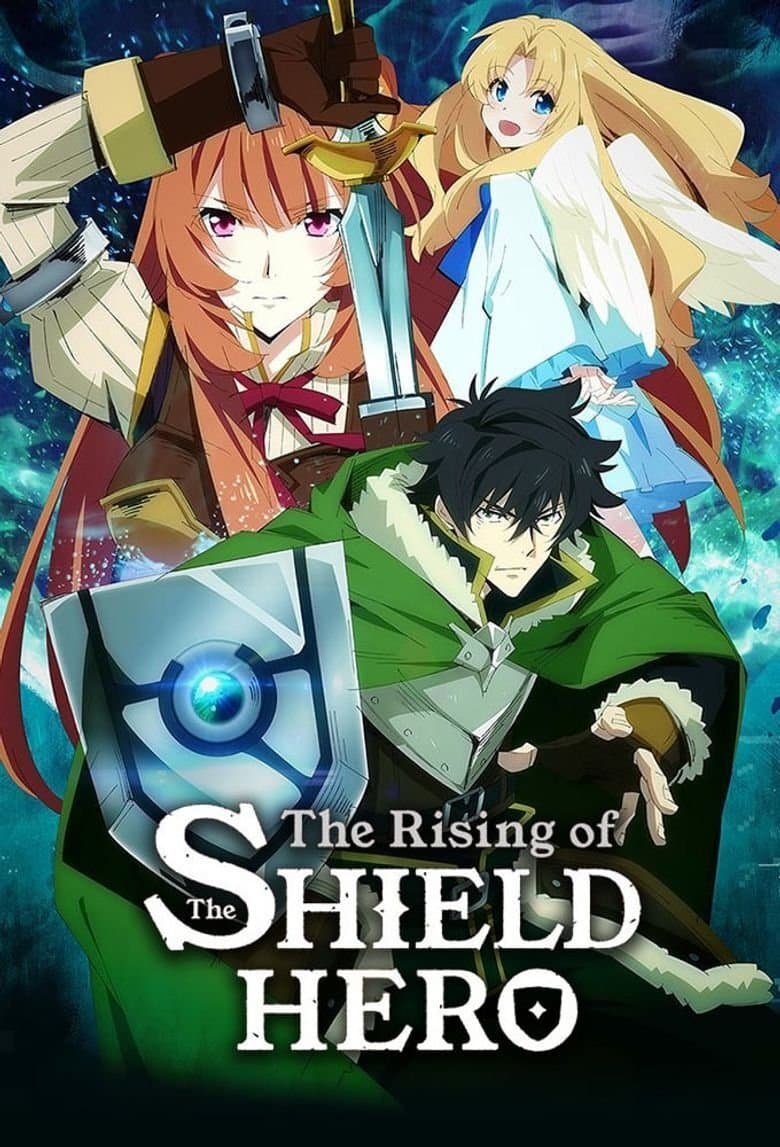
TV Show · 2019
Iwatani Naofumi, a run-of-the-mill otaku, finds a book in the library that summons him to another world. He is tasked with joining the sword, spear, and bow as one of the Four…
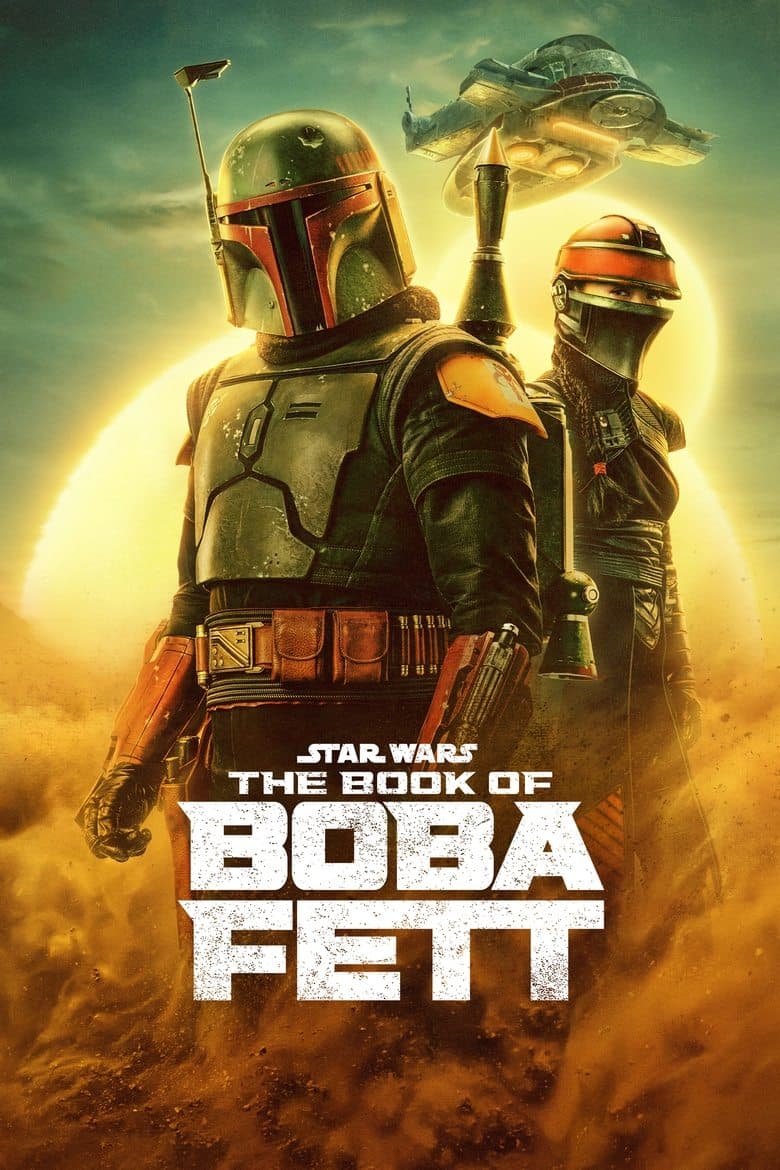
TV Show · 2021
Legendary bounty hunter Boba Fett and mercenary Fennec Shand must navigate the galaxy’s underworld when they return to the sands of Tatooine to stake their claim on the territory…
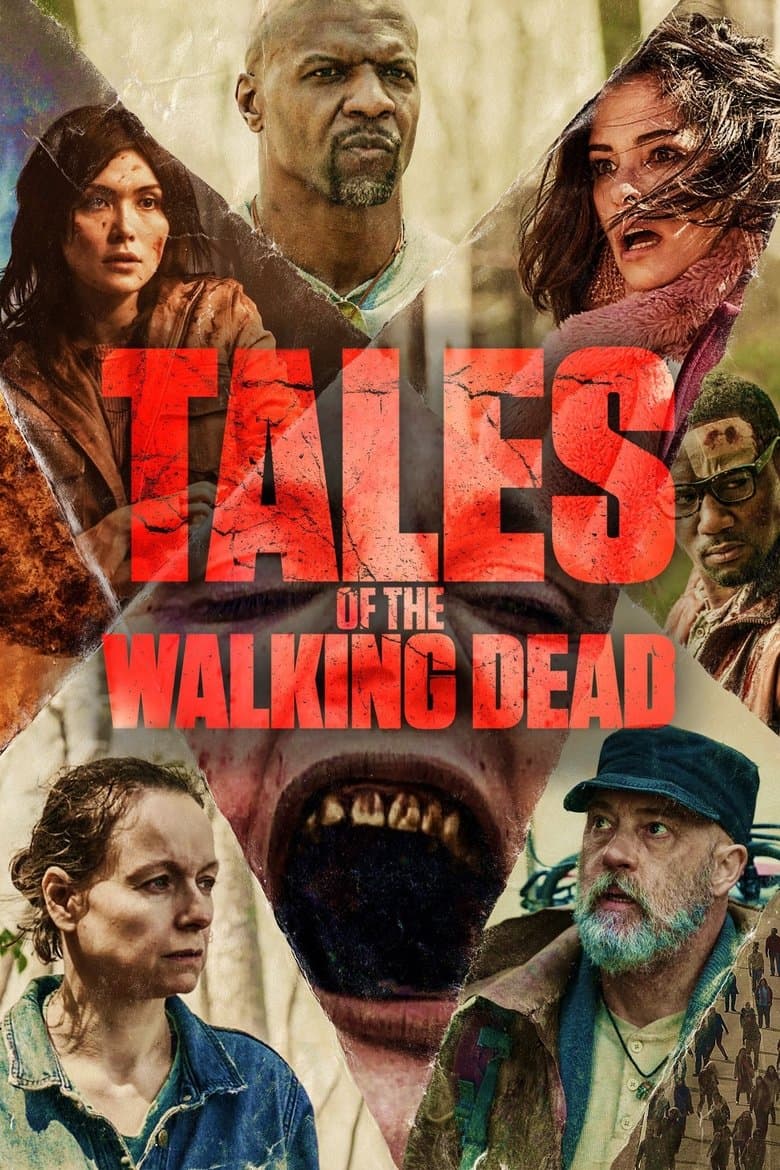
TV Show · 2022
An episodic anthology series focused on both new and established characters set in the world of "The Walking Dead."
TV Show · 2019
In the dark, early days of a zombie apocalypse, complete strangers band together to find the strength they need to survive and get back to loved ones.
TV Show · 2017
Holden wakes up from a coma after 12 years and discovers new abilities that propel him into the middle of a dangerous conspiracy.
TV Show · 2024
They say whatever doesn’t kill you makes you stronger, but that’s not the case for the world’s weakest hunter Sung Jinwoo.
TV Show · 2023
Maggie and Negan travel to post-apocalyptic Manhattan - long ago cut off from the mainland. The crumbling city is filled with the dead and denizens who have made it a world full…
TV Show · 2023
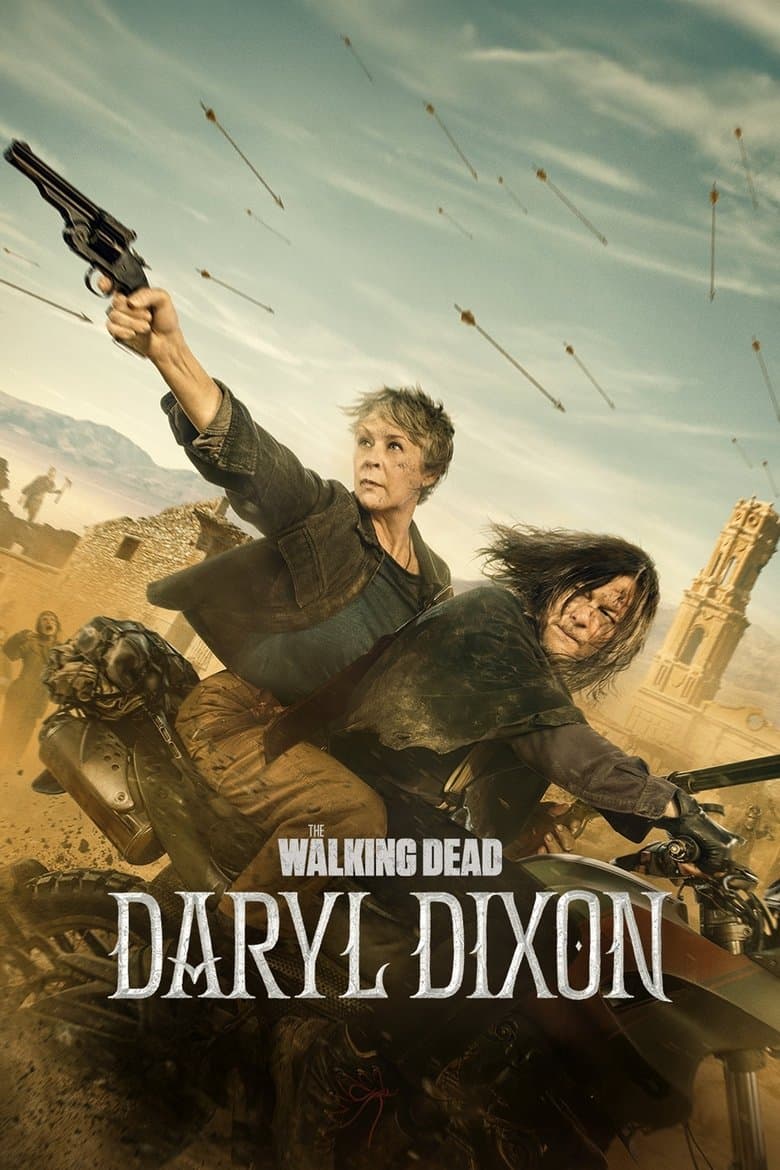
After washing ashore in France, Daryl struggles to piece together how he got there and why, as he navigates a fractured, walker-infested landscape to find his way home.
