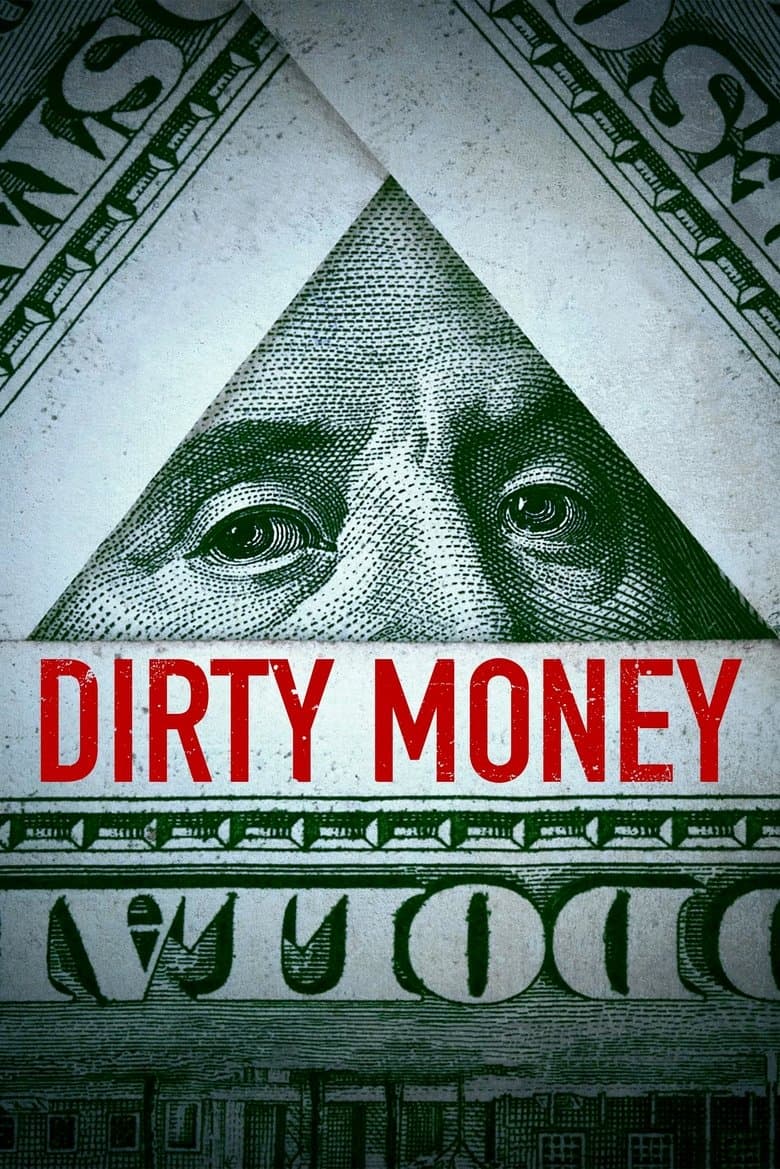
Started January 26, 2018 · Ended · Based on 2 seasons, 12 episodes through March 11, 2020 · TV-14 · 75 min
Dirty Money is an investigative documentary series with no single main character. Alex Gibney and other directors follow people caught in corporate scandals across the United States and other countries. Each episode sets victims, workers, reporters, and officials against companies, bankers, politicians, or wealthy owners accused of cheating or abuse. The tone is angry, serious, and designed to make viewers distrust unchecked power.
The series repeatedly attacks corporate greed, weak regulation, and the way money protects powerful people. Season 1 targets Volkswagen, payday lending, drug pricing, HSBC, maple syrup theft, and Donald Trump’s business record. Season 2 adds Wells Fargo, Malaysia’s 1MDB scandal, Jared Kushner’s apartments, illegal gold mining, elder guardianship, and pollution from a Texas plastics plant. These themes are important across both seasons, but they are economic and anti-corruption themes rather than identity politics.
Community feedback
Was our 35% Woke rating accurate?
Breakdown
These are the editorial factors and ratings behind our score for Dirty Money.
Woke representation / casting
Not present. The show uses real people, journalists, officials, workers, victims, and business figures chosen for each case. The broad mix follows the global subjects rather than a diversity message.
0%
Woke political dialogue
The interviews and archival clips discuss regulation, public corruption, lobbying, and the political power of companies. The Confidence Man repeatedly attacks Donald Trump’s business image and links it to his rise to office. Season 2 also examines Wells Fargo oversight, Malaysian political theft, and Jared Kushner’s link between business and the White House. These points recur across several episodes, but the show does not build a broad identity-politics program.
36%
Identity-driven story themes
Not present. The story centers money crimes, corporate abuse, and public harm. It does not make race, sex, gender, or sexual identity a central message.
0%
Western institutional / cultural critique
The show treats corporate and government systems as structures that let powerful people harm ordinary people. It follows weak oversight in Volkswagen, HSBC, Wells Fargo, guardianship courts, and a plastics plant. Season 2 gives more attention to wealth, housing, environmental harm, and the limits of public safeguards. Its criticism is more about corruption and regulation than toxic masculinity, traditional family roles, Christianity, or Western culture.
30%
Woke character or canon changes
Not relevant. The series is a documentary anthology about real cases. It does not adapt a fictional canon or recast established characters.
0%
Anti-woke backlash and complaints
One Reddit commenter called the show socialist propaganda and said it selected cases that supported a left-wing agenda. Other viewers in the same discussion praised the research or asked whether the cases were true. Wider reviews and season 2 coverage focused on corruption, not a culture-war campaign. The available complaint evidence is small and mixed.
15%
Creator track record context
Alex Gibney’s known work centers on corporate power, government abuse, and wealth. Fisher Stevens adds environmental activism, while Stephen T. Maing and Margaret Brown have stronger records tied to policing, labor, race, and historical equity. Jesse Moss, Erin Lee Carr, Kyoko Miyake, and several other listed directors show milder progressive themes, while some have no clear activist record. This gives the series a mixed but clearly progressive creator background.
32%
Production
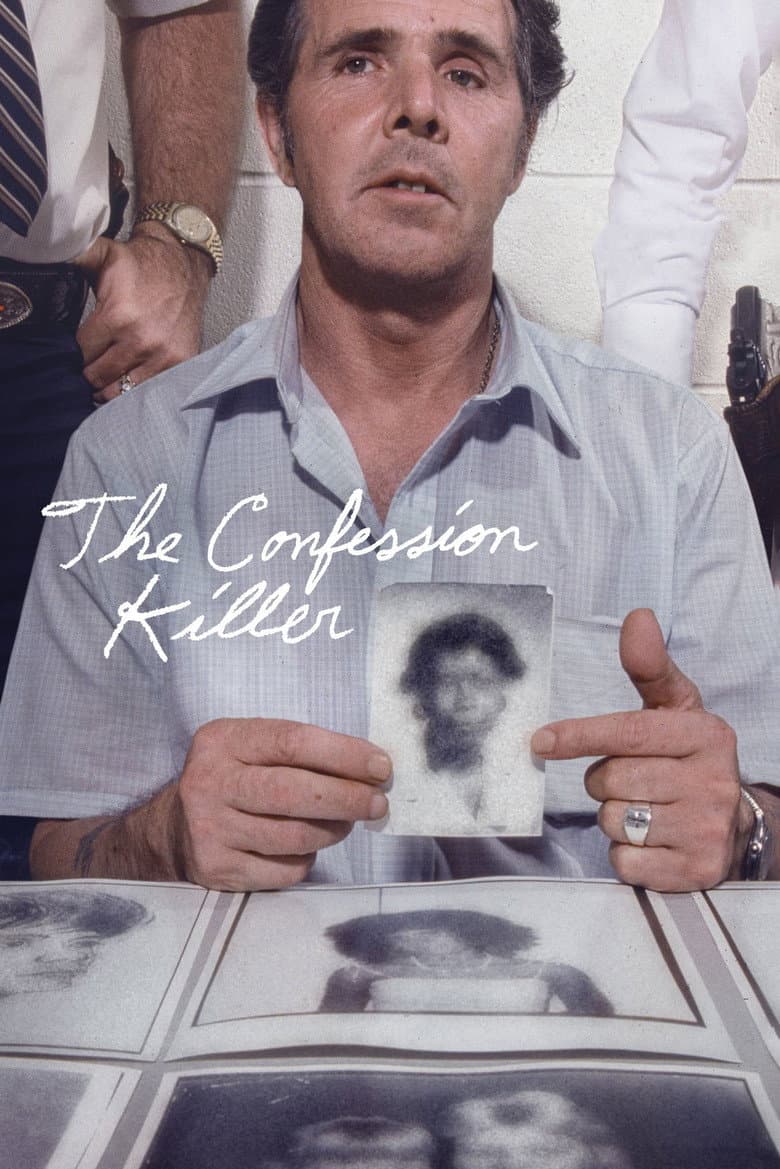
TV Show · 2019
Henry Lee Lucas rose to infamy when he confessed to hundreds of unsolved murders. This docuseries examines the truth -- and horrifying consequences.
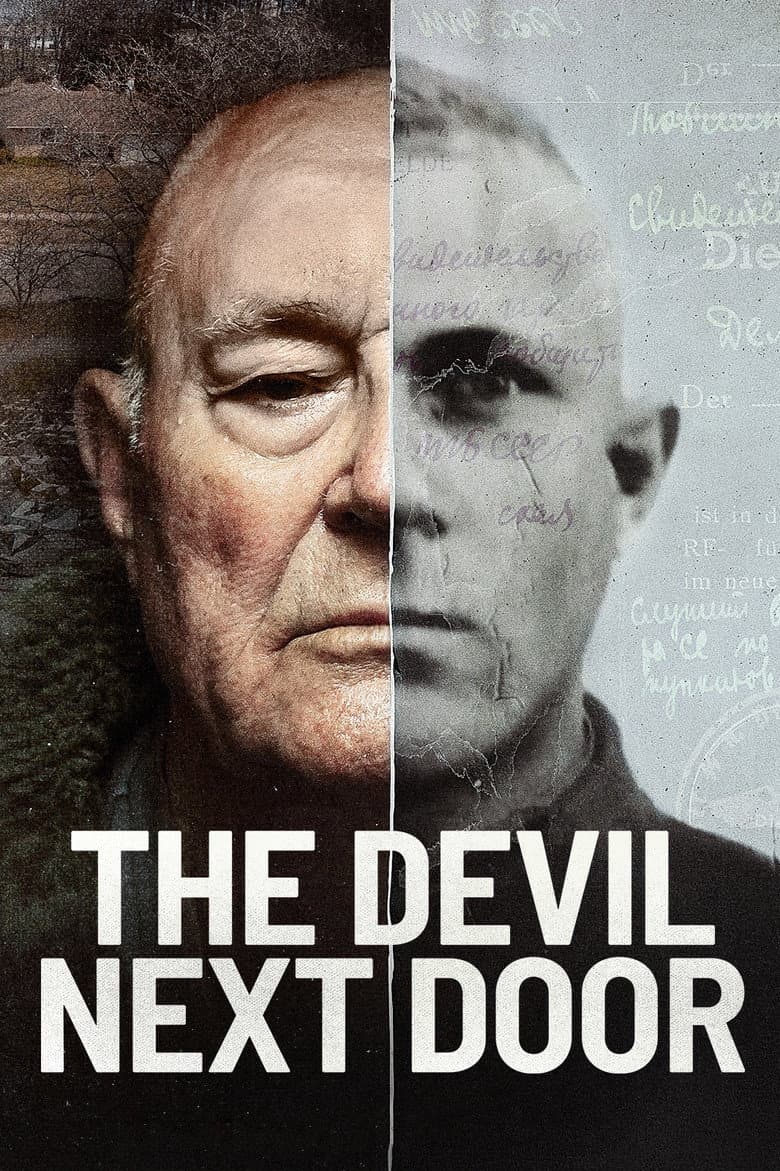
TV Show · 2019
A Cleveland grandfather is brought to trial in Israel, accused of being the infamous Nazi death camp guard known as Ivan the Terrible.
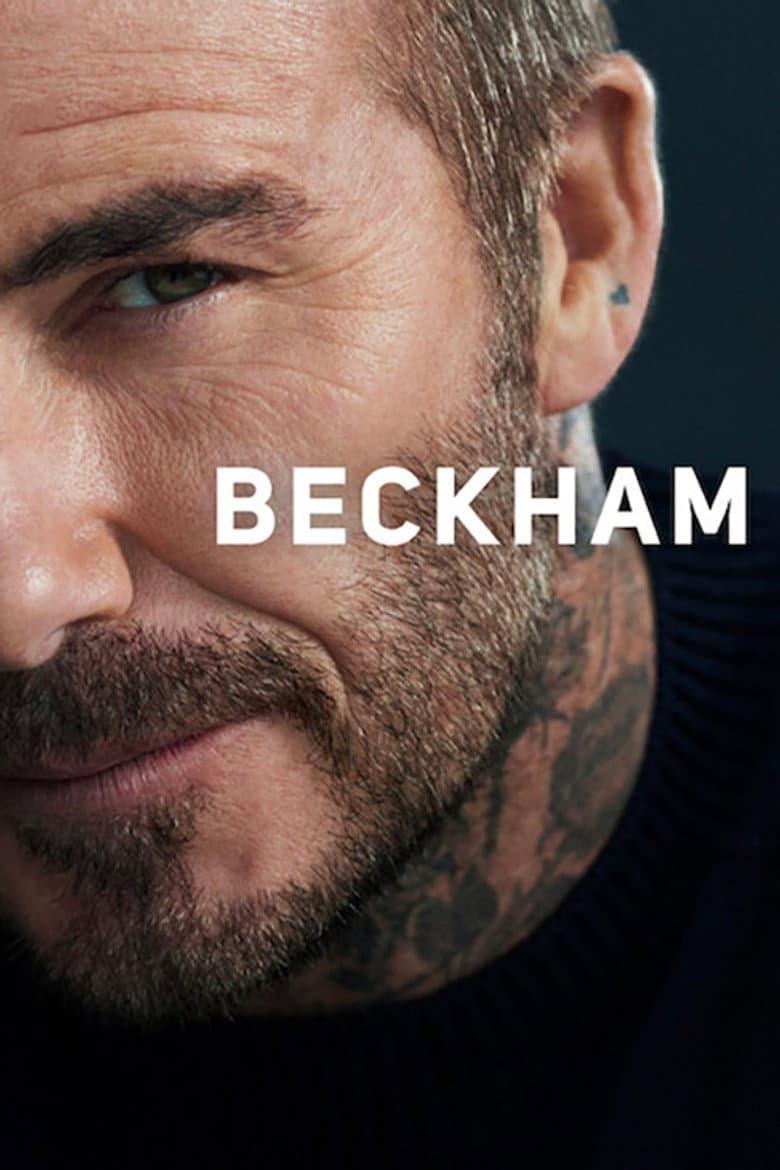
TV Show · 2023
With never-before-seen footage, this docuseries follows David Beckham's meteoric rise from humble beginnings to global football stardom.
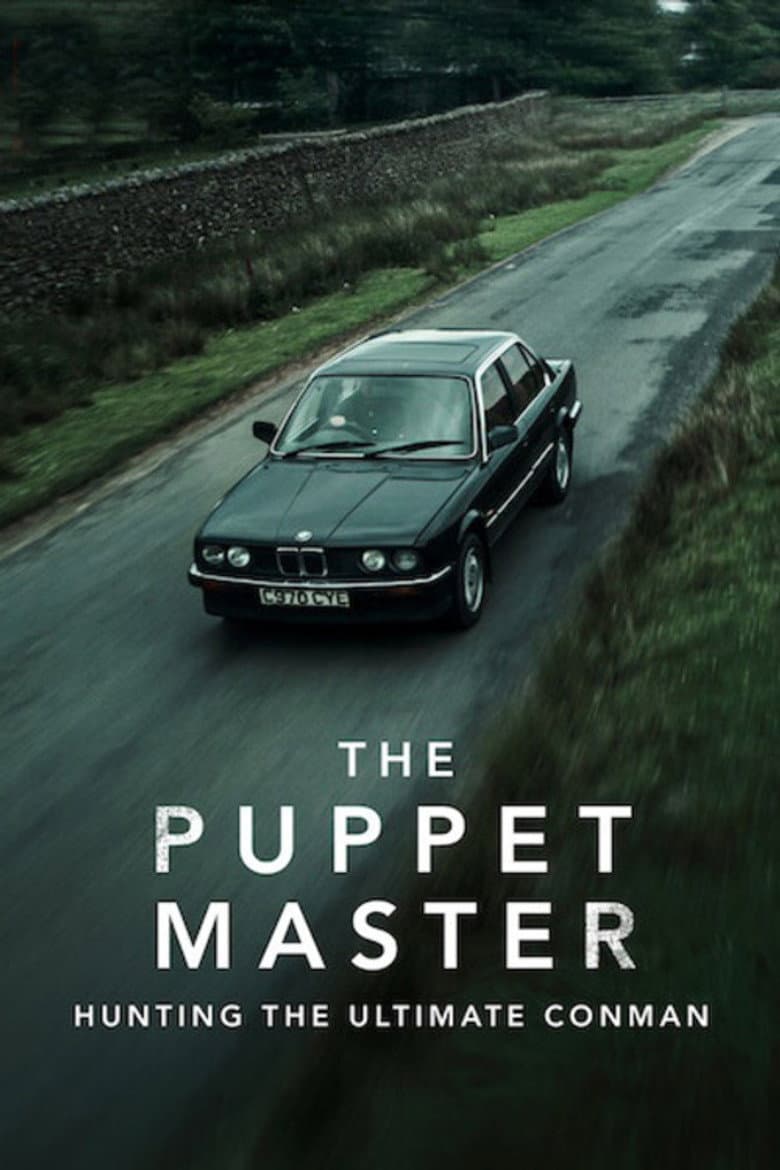
TV Show · 2022
This harrowing docuseries explores, a cruel conman masquerading as a British spy manipulates and steals from his victims, leaving ruined families in his wake.

TV Show · 2019
Using highly advanced colourisation techniques, critical moments from World War II, from Stalingrad to The Battle of Britain, are shown in a whole new light.
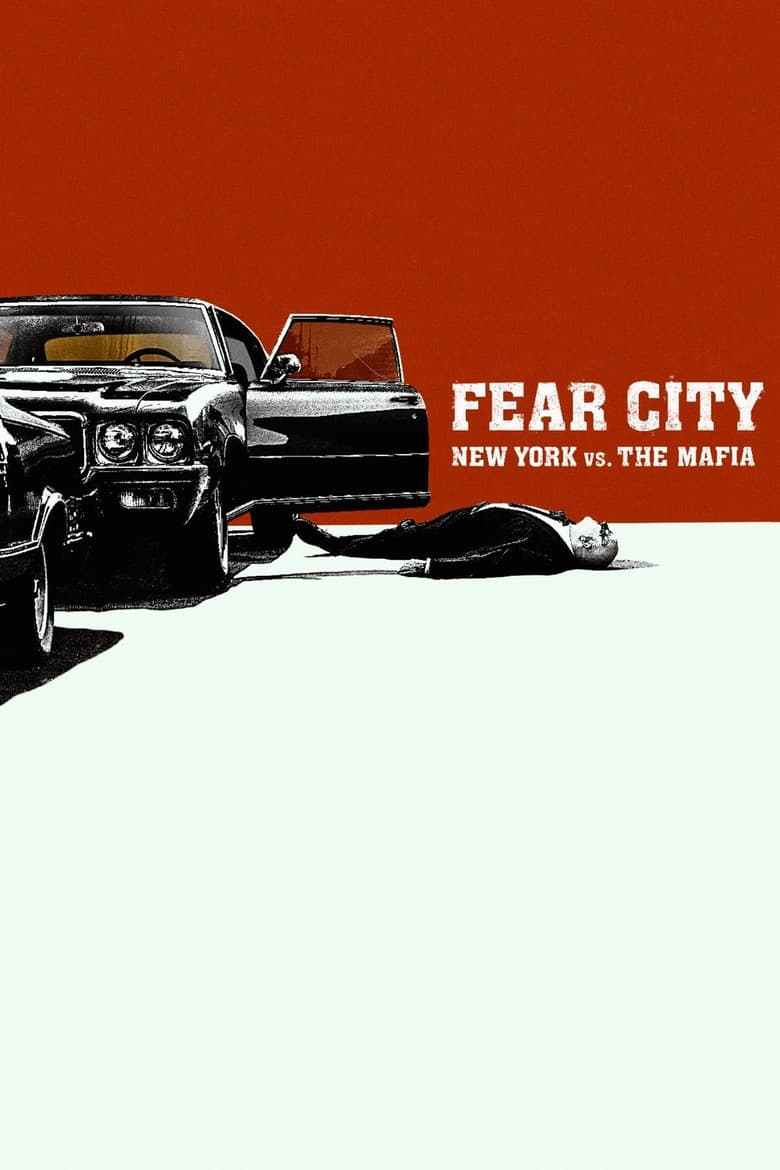
TV Show · 2020
New York City in the 1970s was ruled with a bloody fist by five mafia families, until a group of federal agents tried the unthinkable: taking them down.
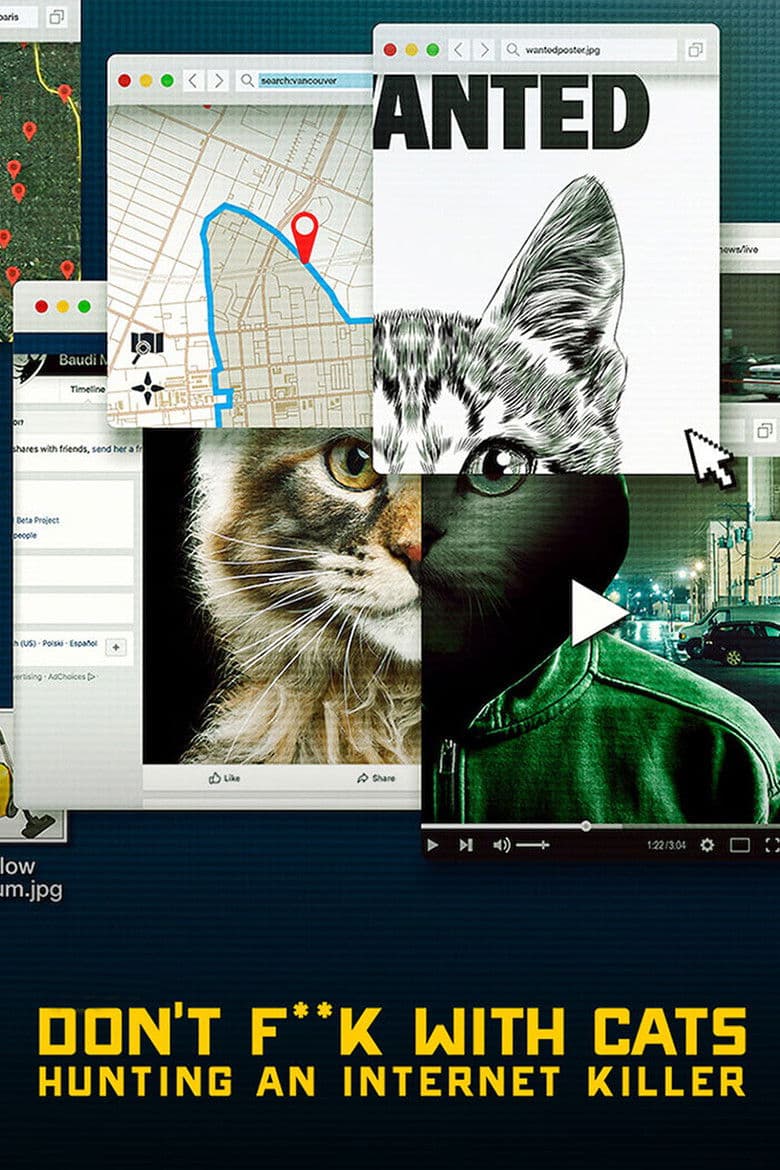
TV Show · 2019
A twisted criminal's gruesome videos drive a group of amateur online sleuths to launch a risky manhunt that pulls them into a dark underworld.

TV Show · 2023
Through vividly enhanced archival footage and voices from all sides of the conflict, this docuseries brings WWII to life like never before.
