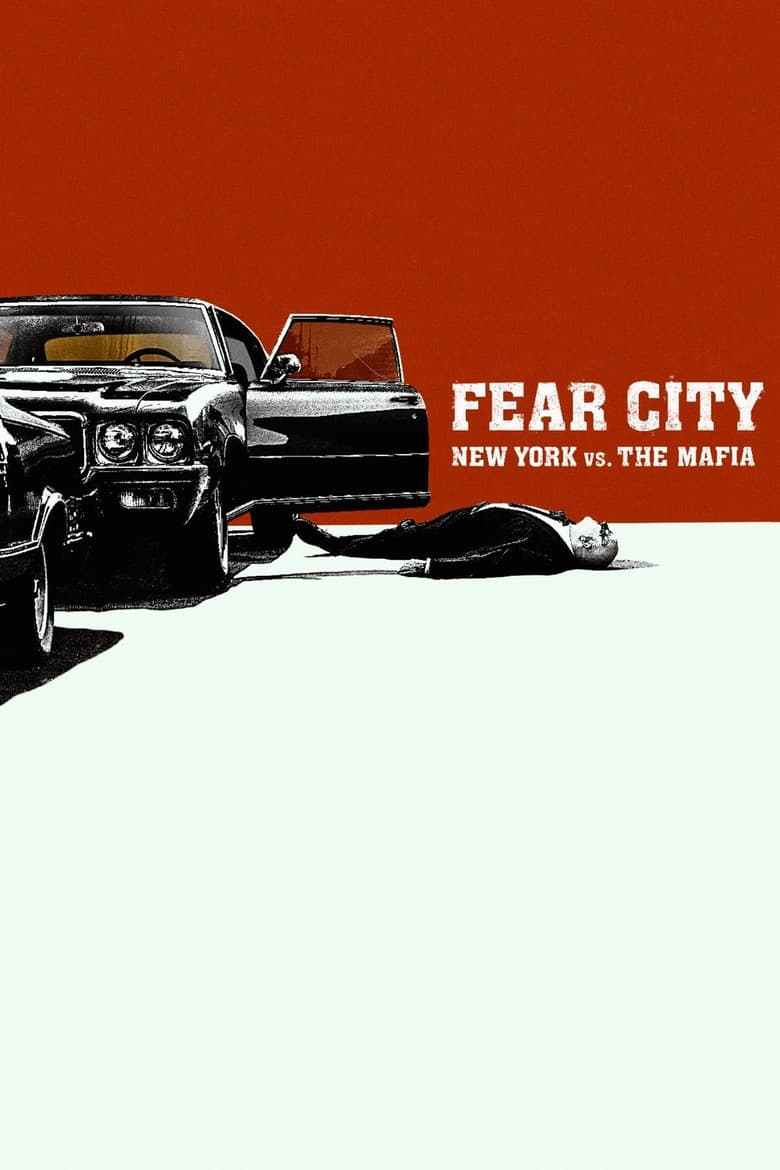
Started July 22, 2020 · Ended · Based on 1 season, 3 episodes through July 22, 2020 · TV-MA · 60 min
Fear City: New York vs The Mafia follows federal agents and lawyers who try to break the power of New York's five Mafia families. The story moves through the 1970s and 1980s, when the families used murder, threats, unions, construction, gambling, drugs, and other businesses to control the city. The main conflict comes from the agents' effort to connect the bosses to crimes through wiretaps, hidden microphones, informants, and the RICO law. The tone is dark, tense, and dramatic, with old recordings, news film, interviews, and filmed scenes.
One short part of the final episode follows FBI agent Charlotte Lang, who says her squad was 97 percent male and that a supervisor told her women could not work organized crime. The show then presents Lang as a skilled partner who helps prove that the Mafia ordered a murder. This gives the series a small gender equality and female competence message, but it does not shape the main story. The series mainly praises patient police work, legal teamwork, and the use of law against powerful criminal bosses.
Community feedback
Was our 18% Woke rating accurate?
Breakdown
These are the editorial factors and ratings behind our score for Fear City: New York vs The Mafia.
Woke representation / casting
Not present. The documentary mainly shows real agents, lawyers, former mobsters, and witnesses connected to the case. The visible mix follows the historical people and the case rather than a diversity message.
0%
Woke political dialogue
Charlotte Lang says the FBI squad was about 97 percent male. Lang quotes a supervisor saying that women could not work organized crime. The segment presents her as a capable partner who helps prove a murder case. The moment is brief and does not become a repeated political message.
22%
Identity-driven story themes
Charlotte Lang's account gives the final episode a small female competence theme. The episode shows her working with Pat Marshall after a supervisor doubts women can work organized crime. The story treats Lang as useful and skilled in a male-heavy squad. The theme lasts for one investigation and does not drive the series.
22%
Western institutional / cultural critique
Not present. The series criticizes the Mafia's control of unions, construction, and legitimate businesses as a historical crime problem. The series presents federal law and police work as the answer instead of attacking modern Western institutions.
0%
Woke character or canon changes
Not relevant. The documentary uses real people and real events from the 1970s and 1980s. The filmed scenes do not change anyone's race, sex, sexuality, or role.
0%
Anti-woke backlash and complaints
Not present. The supplied X research found no anti-woke reaction or specific complaint. Other coverage argued about Giuliani, pacing, law-and-order tone, and the amount of police criticism, not about woke or DEI messaging.
0%
Creator track record context
The supplied score for director Sam Hobkinson is 0/100. The supplied scores for the six producers range from 0/100 to 13/100. Their work centers on factual crime, history, and human-interest shows. The supplied creator context shows no strong DEI or activist pattern.
6%
Production
TV Show · 2022
This harrowing docuseries explores, a cruel conman masquerading as a British spy manipulates and steals from his victims, leaving ruined families in his wake.
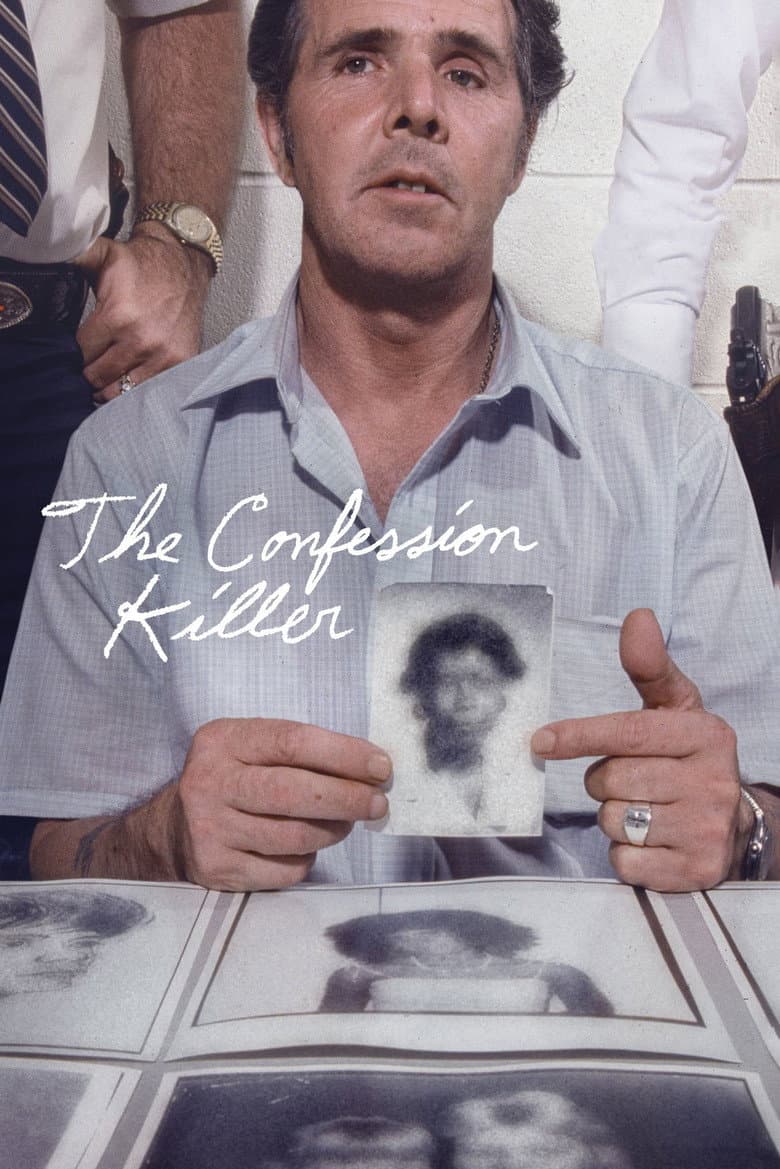
TV Show · 2019
Henry Lee Lucas rose to infamy when he confessed to hundreds of unsolved murders. This docuseries examines the truth -- and horrifying consequences.
TV Show · 2019
A Cleveland grandfather is brought to trial in Israel, accused of being the infamous Nazi death camp guard known as Ivan the Terrible.
TV Show · 2021
Beneath the sunlit glamour of 1985 L.A. lurks a relentlessly evil serial killer. In this true-crime story, two detectives won't rest until they catch him.
TV Show · 2021
The Son of Sam case grew into a lifelong obsession for journalist Maury Terry, who became convinced that the murders were linked to a Satanic cult.
TV Show · 2023
Through vividly enhanced archival footage and voices from all sides of the conflict, this docuseries brings WWII to life like never before.
TV Show · 2023
Follow the bruised bodies, soul-crushing fumbles, agonizing losses, and pure joy of three NFL quarterbacks during one season.
TV Show · 2019
These blockbusters brought us together and gave us the time of our lives. Meet the actors, directors and industry insiders who made them happen.
