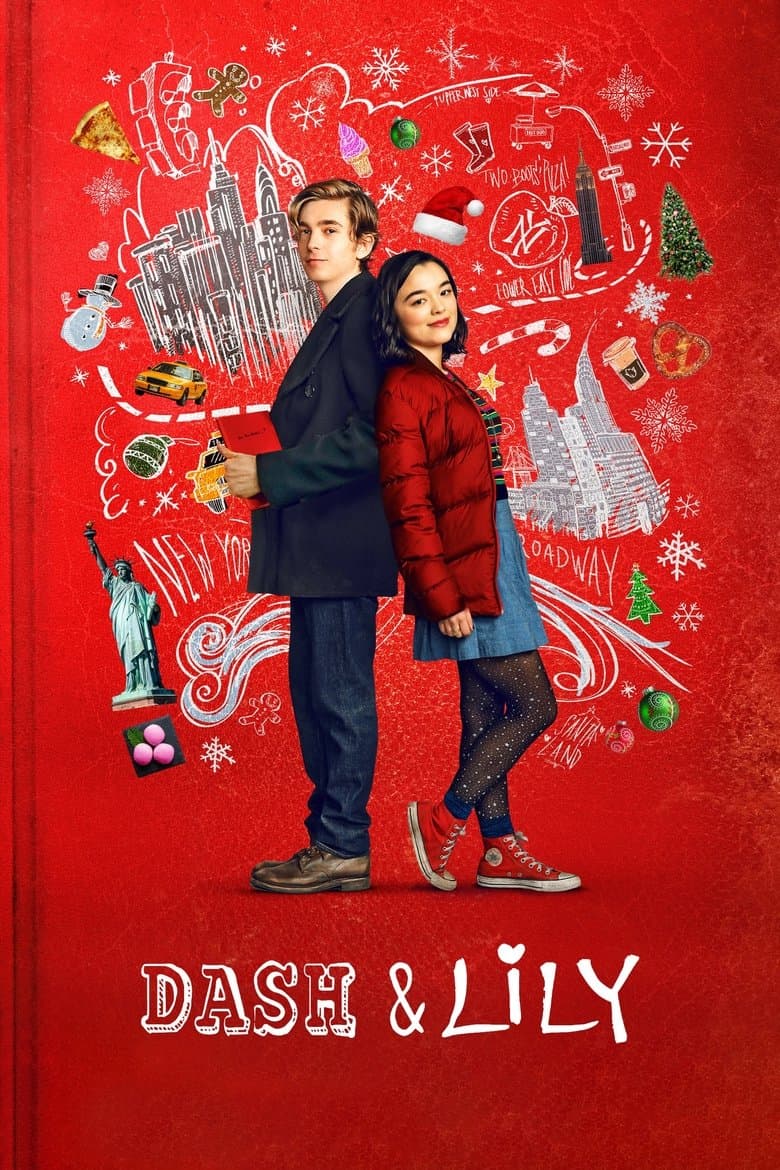
Started November 10, 2020 · Canceled · Based on 1 season, 8 episodes through November 10, 2020 · TV-14
Dash & Lily follows two New York high school students during the Christmas season. Dash is a smart, lonely boy who dislikes Christmas after a painful breakup. Lily is a cheerful, shy girl who lives with her older brother while her parents plan a move to Fiji. The two pass a red notebook through the Strand bookstore and use dares to learn about each other without meeting. The show has a bright, playful, and romantic tone, with family problems and old hurt under the holiday fun.
The show gives Lily a Japanese American family and connects her past bullying to feeling too Asian and too different. In one major episode, Lily speaks about racism, sexism, and boys who treat hurtful teasing as flirting. Lily’s gay brother Langston has a continuing romance with Benny, and the story treats their relationship as normal and loving. These identity and representation elements are clear, but the main story stays focused on Dash and Lily’s Christmas romance, their growth, and their friendships. The show presents acceptance and honest self-expression as good answers to loneliness and fear.
Community feedback
Was our 54% Woke rating accurate?
Breakdown
These are the editorial factors and ratings behind our score for Dash & Lily.
Woke representation / casting
The series puts an Asian American girl at the center of the romance. The show gives Lily a Japanese and white family, a Hanukkah celebration, a gay brother, and several LGBTQ supporting characters. The mix fits a diverse New York setting, but the lead’s identity is also part of the show’s public representation message. The repeated identity choices in important roles create a clear representation pattern.
40%
Woke political dialogue
Lily gives a slam poetry speech about racism, sexism, and being treated as too Asian. Lily rejects the idea that boys can hurt girls and still be called cute. The speech is direct and clearly supports a modern identity message. The material is mainly concentrated in one episode while the other episodes focus on romance and holiday dares.
29%
Identity-driven story themes
Langston and Benny have a continuing gay romance across the season. The show treats Langston’s gay identity as normal and gives the relationship its own breakup and reunion. Lily’s story also connects bullying with her Asian identity and with feeling like an outsider. These themes return in the side stories, but Dash and Lily’s romance remains the main plot.
39%
Western institutional / cultural critique
The show has one direct criticism of a gender habit. Lily says boys should not pull girls’ hair or hurt them and still be praised for it. The scene treats that behavior as part of sexism and pushes back on old romance ideas. The series does not build a wider attack on men, families, churches, or Western institutions.
12%
Woke character or canon changes
The book presents Lily as white, but the series makes her Japanese American. The change appears in her family, customs, language, and story about being called too Asian. The show uses the new background to add identity-focused material that was not in the book character’s original form. This is a clear source-character change, but it does not control the whole season.
45%
Anti-woke backlash and complaints
One small audience thread said the show added diversity to the cast and changed the books for that reason. Another fringe post called the romance and gay Asian character propaganda. No major news story made an anti-woke case against the show. The X review found no anti-woke reaction, so the complaints remain isolated.
4%
Creator track record context
David Levithan has a strong LGBTQ-focused body of work. Carol Barbee, Lauren Moon, and Harry Tarre also have progressive or identity-focused work in their public records. Joe Tracz and Rachel Cohn have little such public record, and the director and producers are mostly low or modest on this measure. The mixed team gives useful context, but it does not show that every creator used the series as activism.
48%
Production
TV Show · 2020
After being bullied and discriminated because of her ugly looks, a high school girl transforms herself into a gorgeous "goddess" and quickly rises to fame after mastering the art…
TV Show · 2018
When his secretary unexpectedly quits, an arrogant executive will do anything to bring her back.
TV Show · 2016
Set nearly a decade after the finale of the original series, this revival follows Lorelai, Rory and Emily Gilmore through four seasons of change.
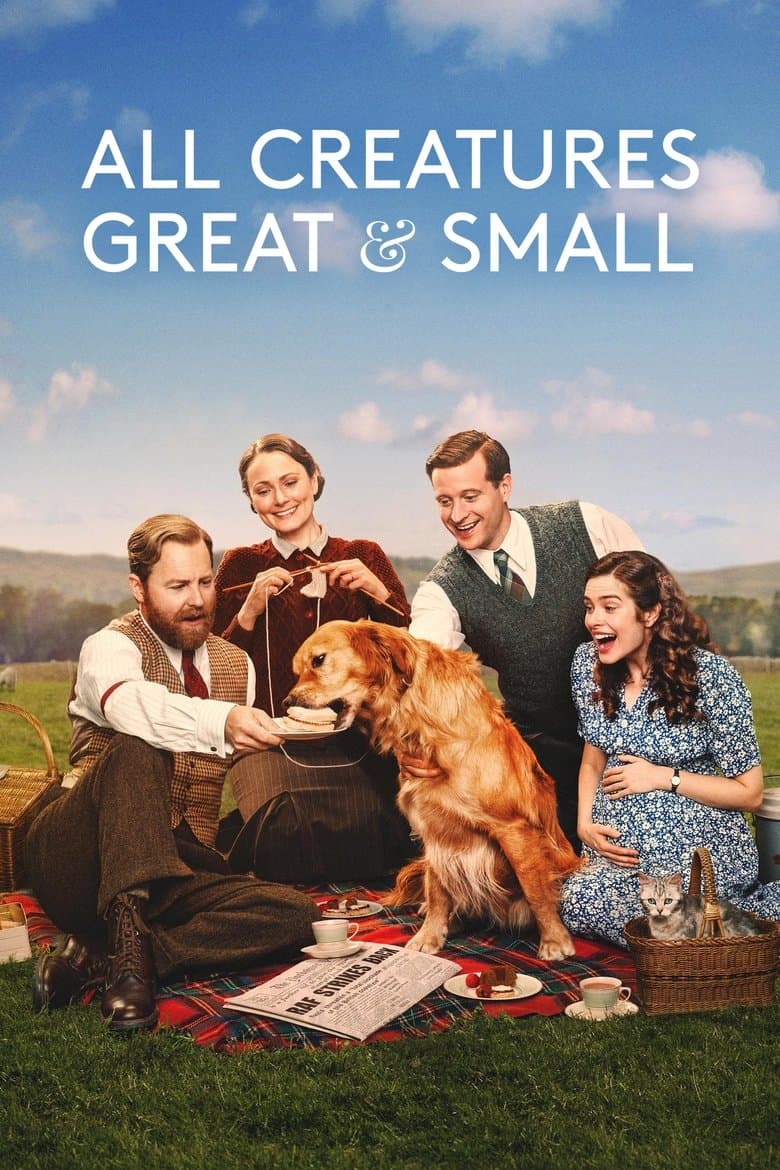
TV Show · 2020
The heartwarming and humorous adventures of a young country vet in the Yorkshire Dales in the 1930s. A remake of the 1978 series.
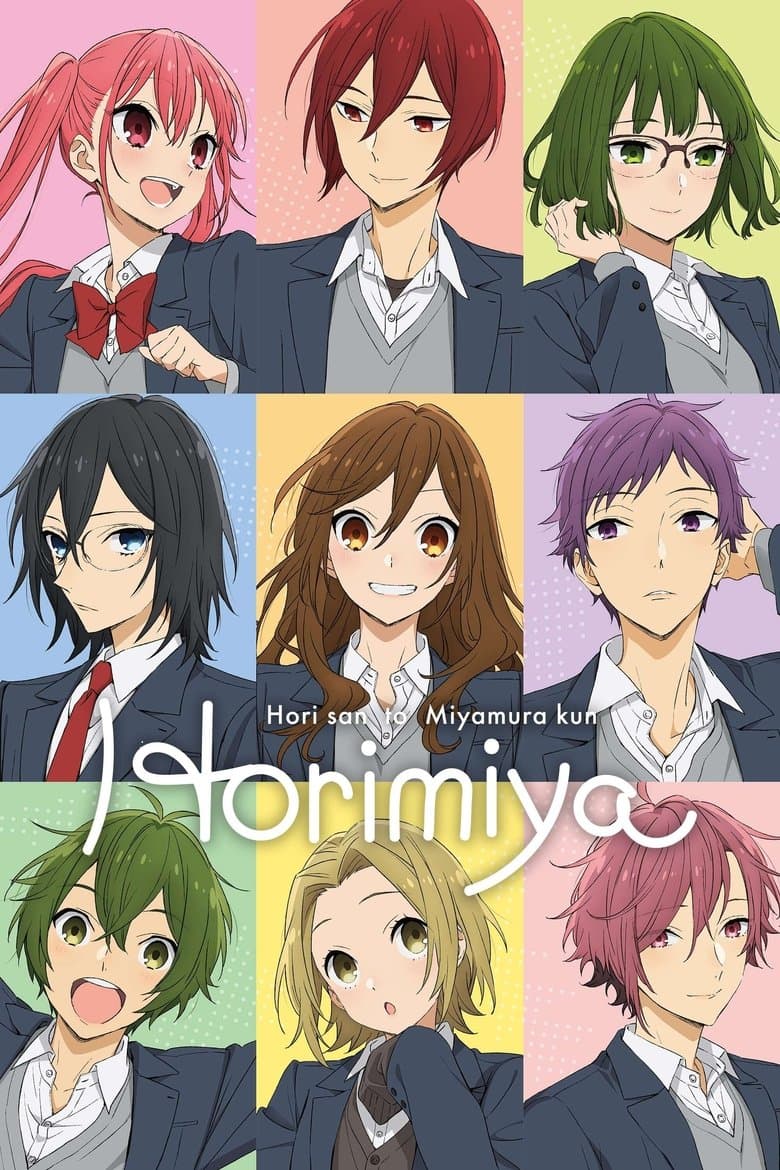
TV Show · 2021
A secret life is the one thing they have in common. At school, Hori is a prim and perfect social butterfly, but the truth is she's a brash homebody.
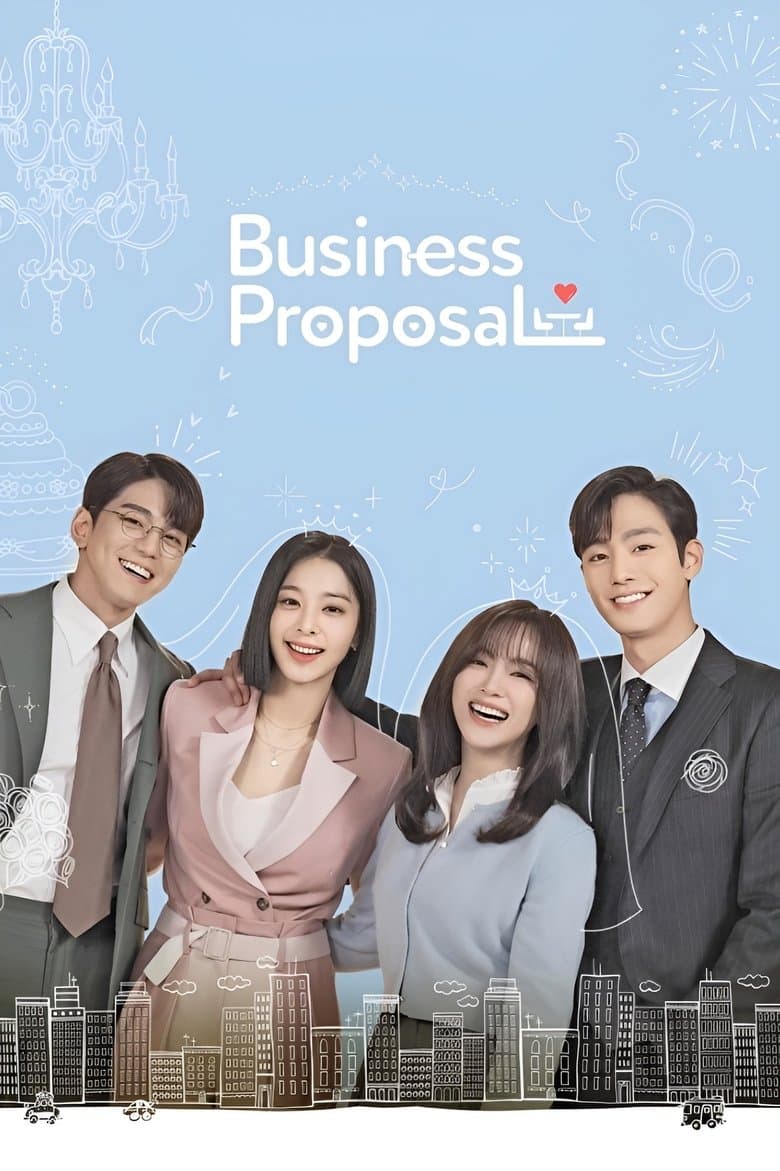
TV Show · 2022
In disguise as her friend, Ha-ri shows up to a blind date to scare him away. But plans go awry when he turns out to be her CEO — and makes a proposal.
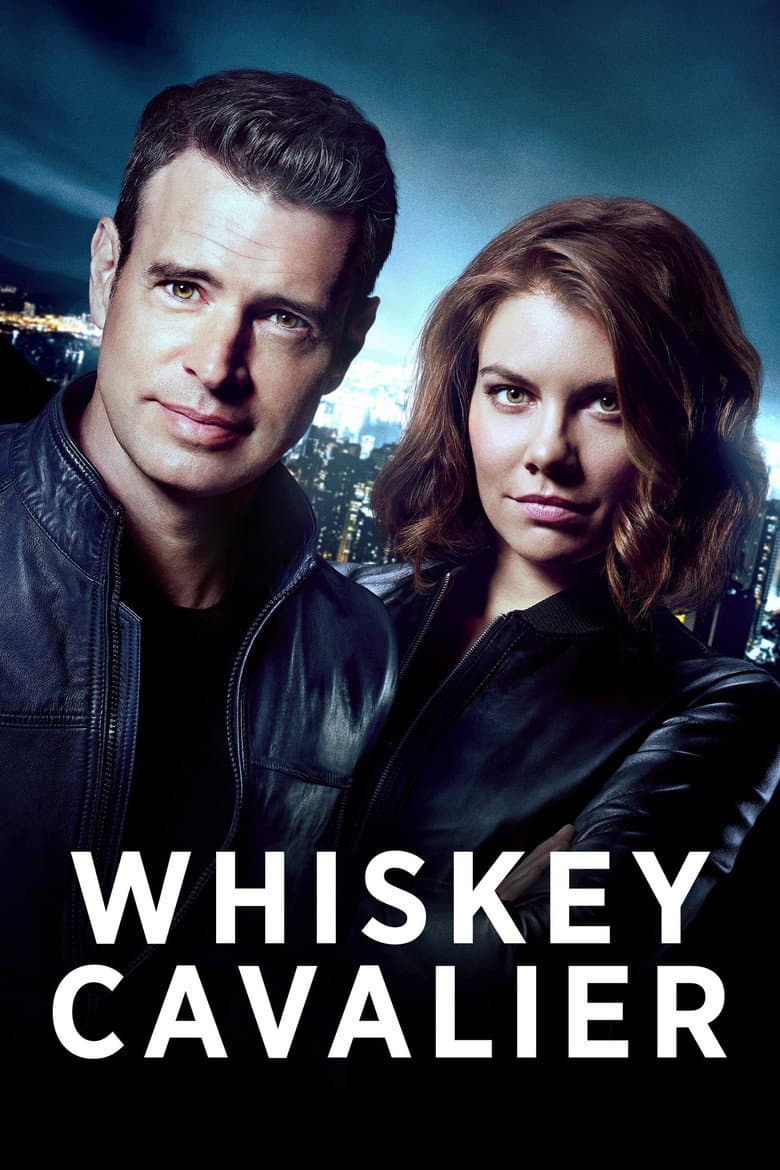
TV Show · 2019
Following an emotional breakup, tough but tender FBI super-agent Will Chase (codename: “Whiskey Cavalier”) is assigned to work with badass CIA operative Frankie Trowbridge…

TV Show · 2020
New passions. New fashions. New Emily? A plucky American marketing whiz spreads her wings in life and love after landing her dream job in Paris.
