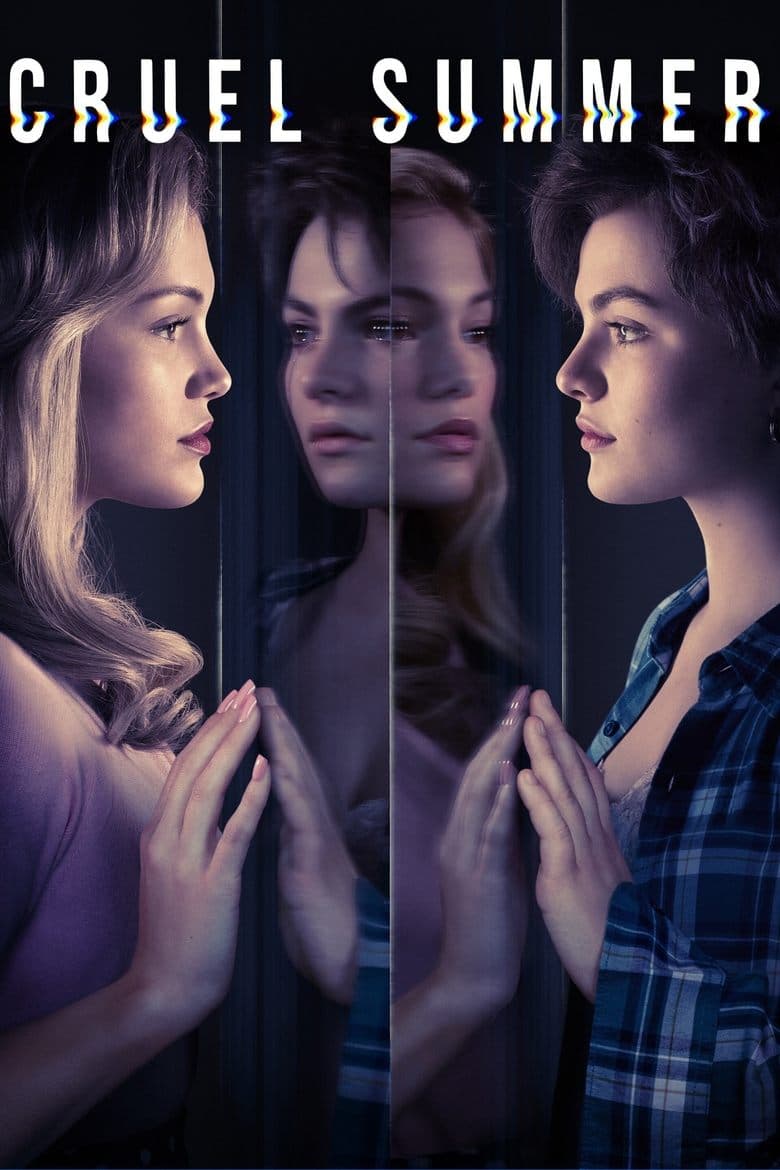
Started April 20, 2021 · Canceled · Based on 2 seasons, 20 episodes through July 31, 2023 · TV-14 · 42 min
Season 1 follows Jeanette Turner, an awkward Texas teenager who becomes popular after Kate Wallis disappears. The story moves through the summers of 1993, 1994, and 1995 as Kate returns and accuses Jeanette of knowing where she was. The girls fight over truth, blame, friendship, and public shame while an adult man's abuse slowly comes to light. Season 2 tells a new story in Washington around 1999 and 2000, where computer-minded Megan, exchange student Isabella, and Luke become trapped in a murder mystery.
The show's clearest woke content comes from its recurring gay and lesbian relationships in season 1, including Vince and Ben's secret relationship and Kate and Mallory's final kiss. Season 2 follows two girls whose friendship is tested by sex, jealousy, a leaked tape, pregnancy fears, and different rules for boys and girls. The story often shows girls paying a heavier price than Luke for sexual choices, while Luke's wealthy father uses status to protect his family. These ideas support the show's focus on trauma, popularity, abuse, friendship, and the harm caused by lies, but identity politics is not the main purpose of the mystery.
Community feedback
Was our 43% Woke rating accurate?
Breakdown
These are the editorial factors and ratings behind our score for Cruel Summer.
Woke representation / casting
Season 1 gives major roles to black characters in the Wallis family and to Vince. Season 2 centers Black exchange student Isabella and adds Asian teen Parker as a recurring friend. The show uses a repeated mixed-race cast in prominent roles, but it does not frame the casting as a diversity campaign. The representation signal is visible but mild.
20%
Woke political dialogue
Season 2 repeatedly shows characters discussing how a leaked sex tape harms the girls' reputations while Luke receives more praise. Megan's scholarship and future are put at risk while Luke's family uses its power to manage the scandal. Season 1 includes talk about abuse and violence, but that talk serves the crime story. The gender double standard is clear but remains part of one season's mystery.
25%
Identity-driven story themes
Season 1 carries a recurring queer subplot through Vince and Ben's secret relationship. Season 1 ends with Kate and Mallory kissing and choosing a close bond after Kate's abuse. Season 2 centers two girls whose friendship is shaped by sexual choices, public shame, and pressure on a young woman's future. These themes matter to character arcs, but the kidnapping and murder mysteries remain the main stories.
38%
Western institutional / cultural critique
Season 2 repeatedly shows Megan and Isabella receiving harsher public shame than Luke after a leaked sex tape. Luke's wealthy father uses money and influence to control the family's response to Luke's death. Season 1 shows a school vice principal abusing his power, but it treats that abuse as a personal crime instead of an attack on schools or Western culture. The show gives a visible but secondary critique of male privilege and unequal judgment.
30%
Woke character or canon changes
Not relevant. The show is an original anthology, so it does not adapt established characters or real events. Its second season uses a new cast and story.
0%
Anti-woke backlash and complaints
Not present. Public debate centers on twists, character choices, and the weaker second season. No clear anti-woke complaint about the show was found.
0%
Creator track record context
Bert V. Royal has a queer theater background and created a show with recurring gay and lesbian storylines. The writing team includes Savannah Ward, whose work centers black queer trans experience, and Imogen Binnie, whose work centers trans identity. Other listed writers, directors, and producers have mixed or limited activist records. The team has a moderate-to-strong queer identity signal.
55%
Production
TV Show · 2016
Satoru Fujinuma is a struggling manga artist who has the ability to turn back time and prevent deaths. When his mother is killed he turns back time to solve the mystery, but ends…
TV Show · 2020
In an isolated and inaccessible Antarctic research station in which winter has fallen on the South Pole and the sun will soon disappear for the next six months, a small team…
TV Show · 2019
A Philadelphia couple are in mourning after an unspeakable tragedy creates a rift in their marriage and opens the door for a mysterious force to enter their home.
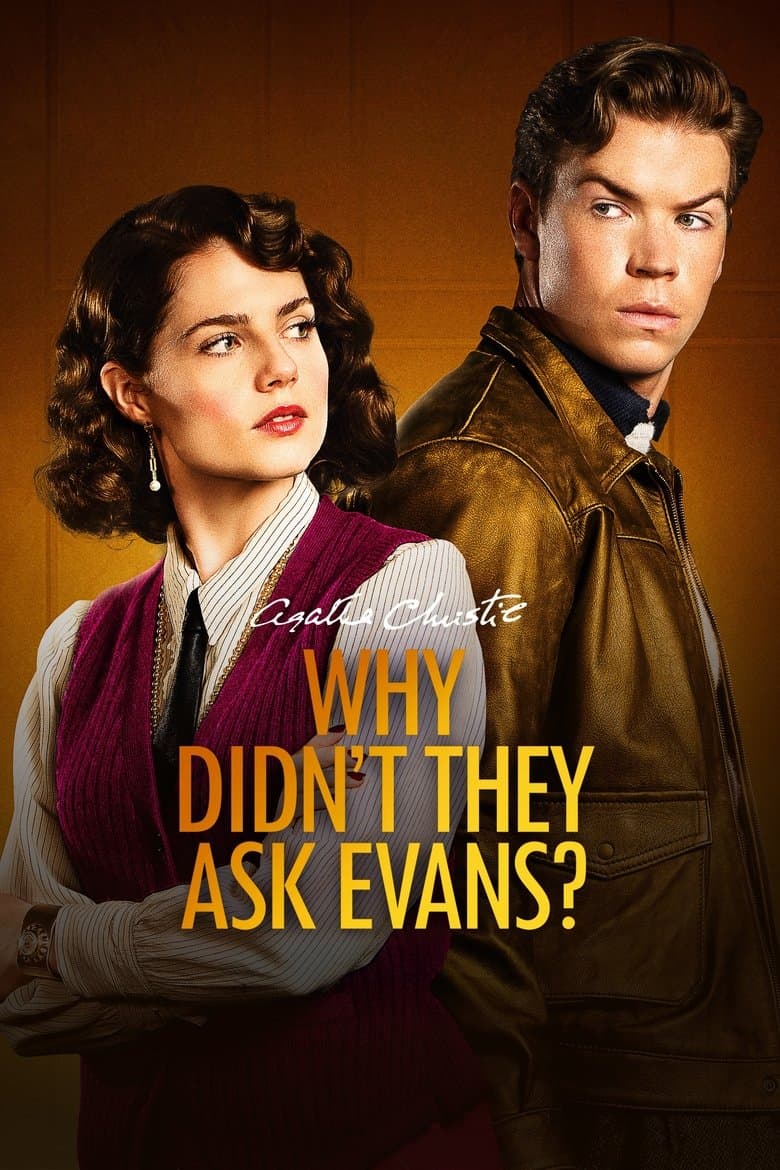
TV Show · 2022
A dying man's enigmatic last words send vicar's son, Bobby Jones, and his socialite friend, Lady Frankie Derwent, on a crime-solving adventure.
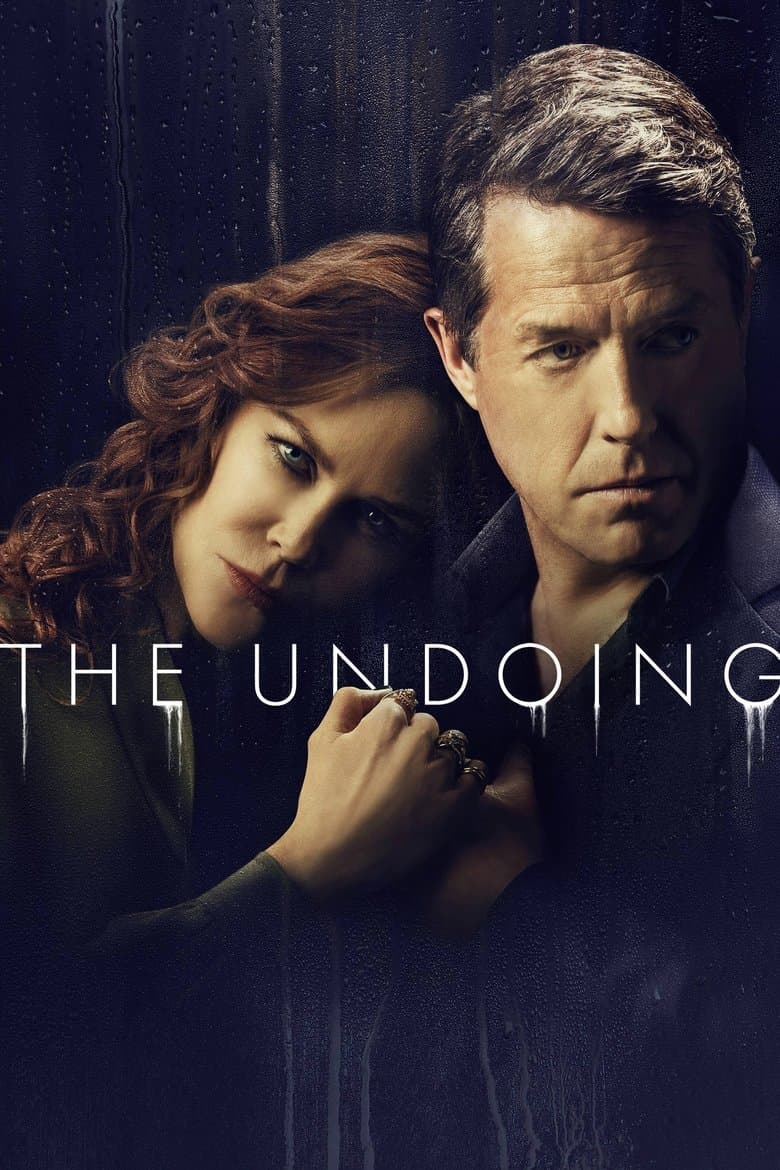
TV Show · 2020
Grace and Jonathan Fraser are living the only lives they ever wanted. Overnight a chasm opens in their lives: a violent death and a chain of terrible revelations.
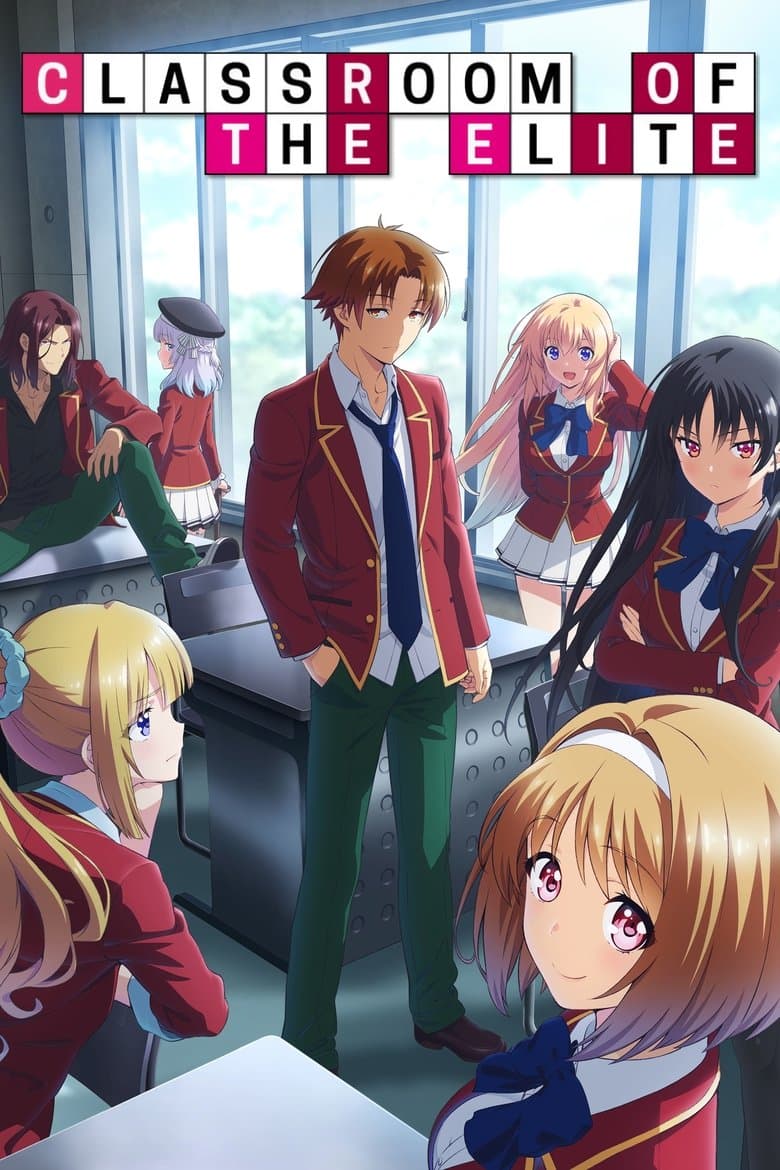
TV Show · 2017
Kiyotaka Ayanokouji enrolls at the prestigious Tokyo Koudo Ikusei Academy, but is assigned to Class 1-D, where students with behavioral problems are housed.
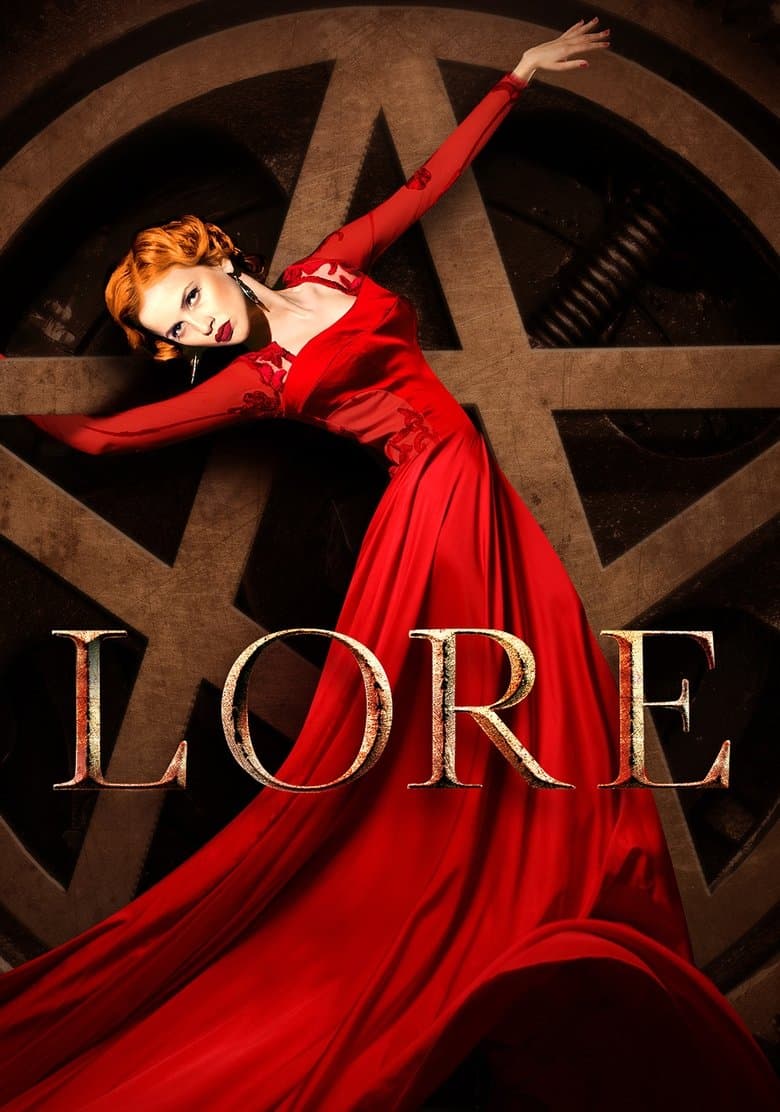
TV Show · 2017
This anthology series brings to life Aaron Mahnke's titular podcast and uncovers the real-life events that spawn our darkest nightmares.
TV Show · 2024
A young boy growing up in the suburbs of 1980s Brisbane faces the harsh realities of life — and the looming dangers that threaten his family.
