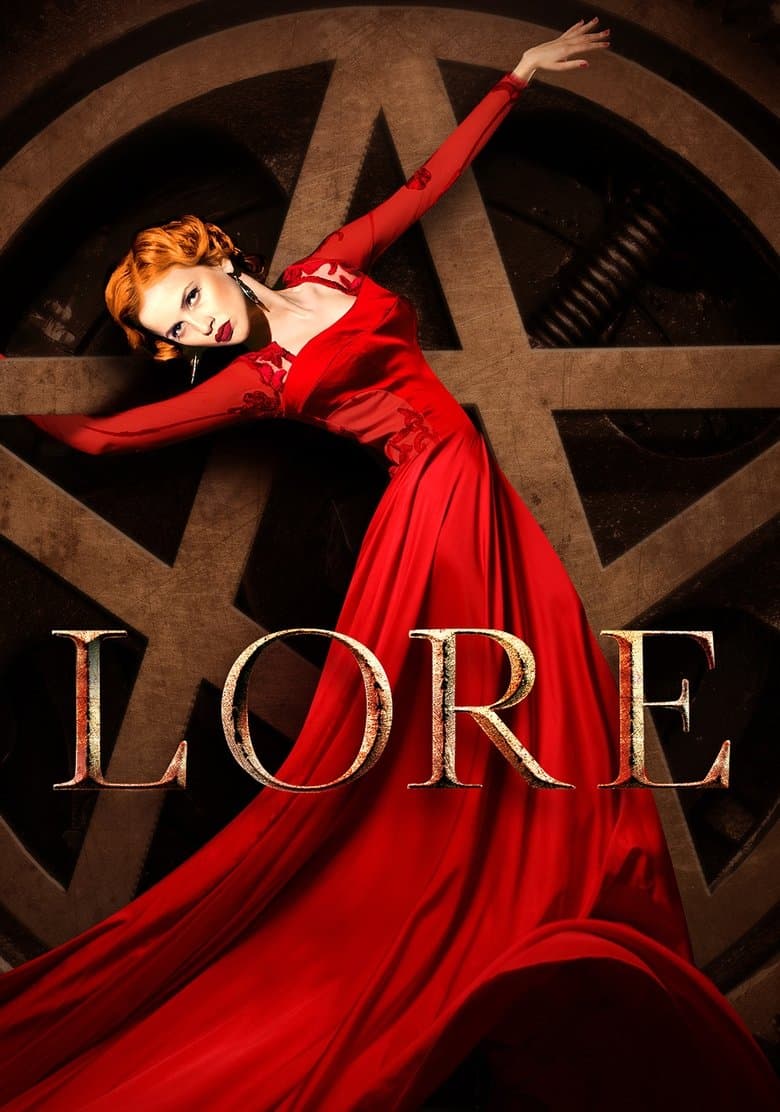
Started October 13, 2017 · Canceled · Based on 2 seasons, 12 episodes through October 18, 2018 · TV-14 · 40 min
Lore is an anthology horror show about real events and legends that later became stories of vampires, werewolves, ghosts, witches, and cursed objects. Each episode follows a different person or group in a different time and place. A calm narrator guides much of the first season while actors reenact the events with old footage and animation. The second season uses longer, more direct dramas and lets the actors carry more of each story. The tone is dark, serious, and often violent.
Season 2 includes a black servant in a 1609 Hungarian castle and two Turkish-looking clockmakers in medieval Prague. The clockmakers' outsider status is part of their story, while the servant's identity is not explained. These choices appear in only two episodes and do not drive the series. The main themes are superstition, disease, mob fear, medical abuse, religious zeal, guilt, and obsession with beauty and forbidden knowledge. The stories show how people can create monsters when fear and false beliefs guide their choices.
Community feedback
Was our 21% Woke rating accurate?
Breakdown
These are the editorial factors and ratings behind our score for Lore.
Woke representation / casting
Most of the cast matches the European and American settings of the stories. Season 2 gives a central servant role in 1609 Hungary to Rosalind Eleazar, a black actor, with no stated story reason for that identity. Season 2 also centers Numan Acar and Elie Haddad as Turkish-looking clockmaker brothers in medieval Prague, and the episode makes their outsider status part of the plot. The pattern is noticeable but limited to separate episodes, and no diversity-first marketing or creator framing was found.
30%
Woke political dialogue
Not present. The narration and dialogue discuss folklore, medicine, religion, crime, and the occult. They do not use recurring modern activist language about race, gender, sexuality, capitalism, or current politics.
0%
Identity-driven story themes
Not present. The episodes focus on superstition, disease, violence, fear, and obsession. They do not make modern identity politics or representation a continuing story theme.
0%
Western institutional / cultural critique
Not present. Doctors, religious leaders, mobs, and city officials sometimes cause harm in the old stories. The show does not turn those events into a repeated modern attack on Western institutions, family life, or gender norms.
0%
Woke character or canon changes
Not relevant. The show changes a podcast into a filmed anthology and adds dramatized scenes and some original stories. No identity-driven change to an established character, canon, or real event is reported.
0%
Anti-woke backlash and complaints
Not present. The supplied X pass found no anti-woke reaction, and broader searches found no clear anti-woke complaints. Public criticism focused on Season 2's slower pace and its move away from Season 1's documentary format.
0%
Creator track record context
Cached context gives Aaron Mahnke and most listed writers and directors low scores. Gale Anne Hurd and Ben Silverman have mild liberal or social-cause links, while Howard T. Owens has a much stronger activist media record. The show itself is a historical horror anthology and does not use those causes as its subject. This supports a low to moderate creator track record context signal.
28%
Production
TV Show · 2020
In an isolated and inaccessible Antarctic research station in which winter has fallen on the South Pole and the sun will soon disappear for the next six months, a small team…
TV Show · 2017
Kiyotaka Ayanokouji enrolls at the prestigious Tokyo Koudo Ikusei Academy, but is assigned to Class 1-D, where students with behavioral problems are housed.
TV Show · 2019
A Philadelphia couple are in mourning after an unspeakable tragedy creates a rift in their marriage and opens the door for a mysterious force to enter their home.
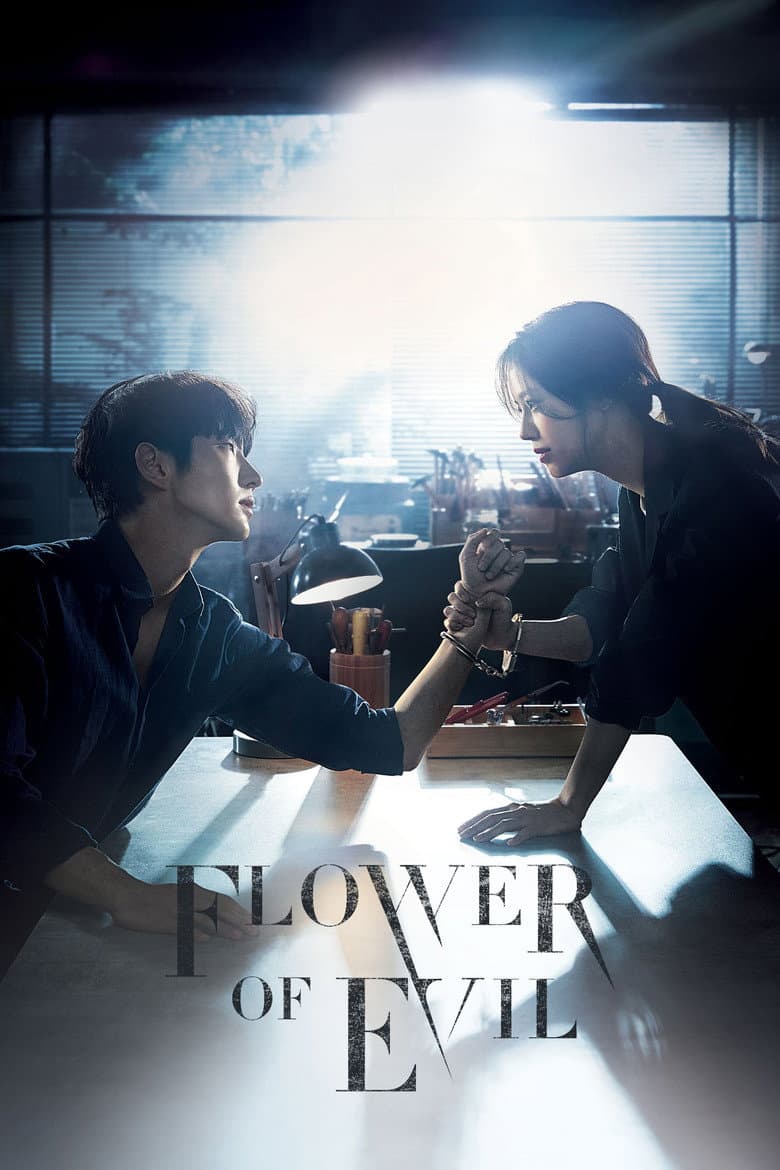
TV Show · 2020
Hiding a twisted past, a man maintains his facade as the perfect husband to his detective wife — until she begins investigating a series of murders.
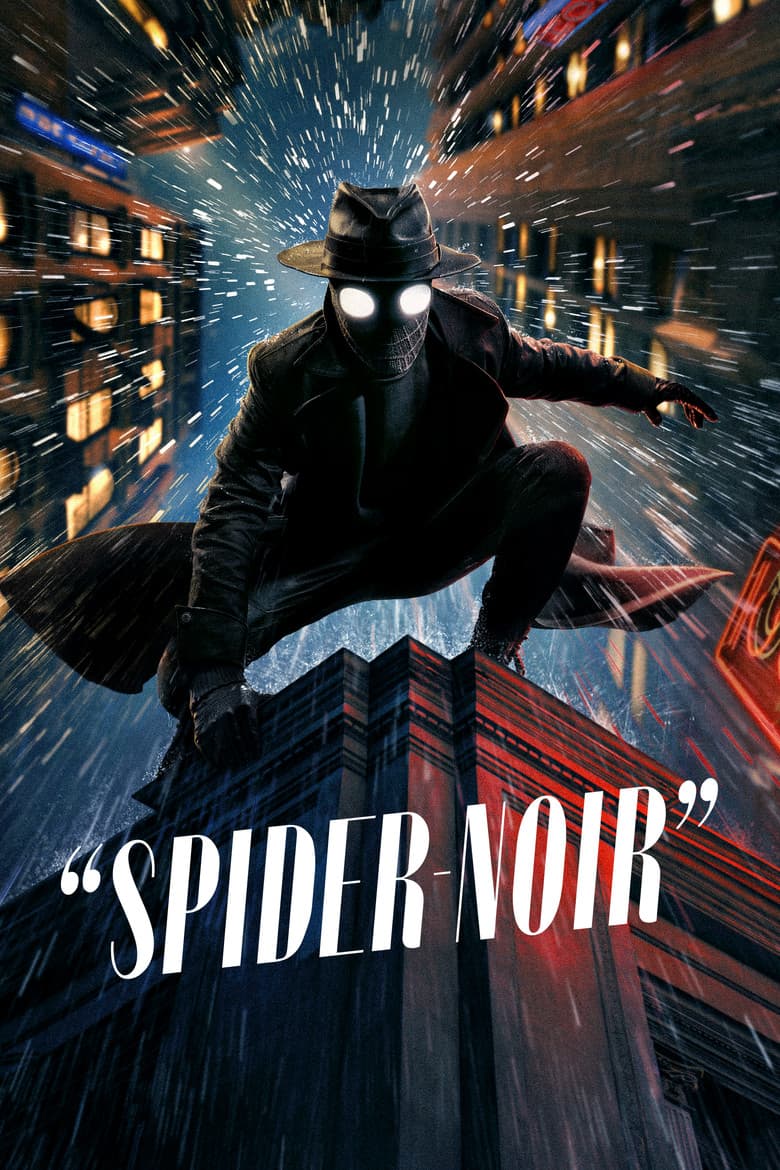
TV Show · 2026
Ben Reilly, an aging and down on his luck private investigator in 1930s New York, is forced to grapple with his past life as the city's one and only superhero.
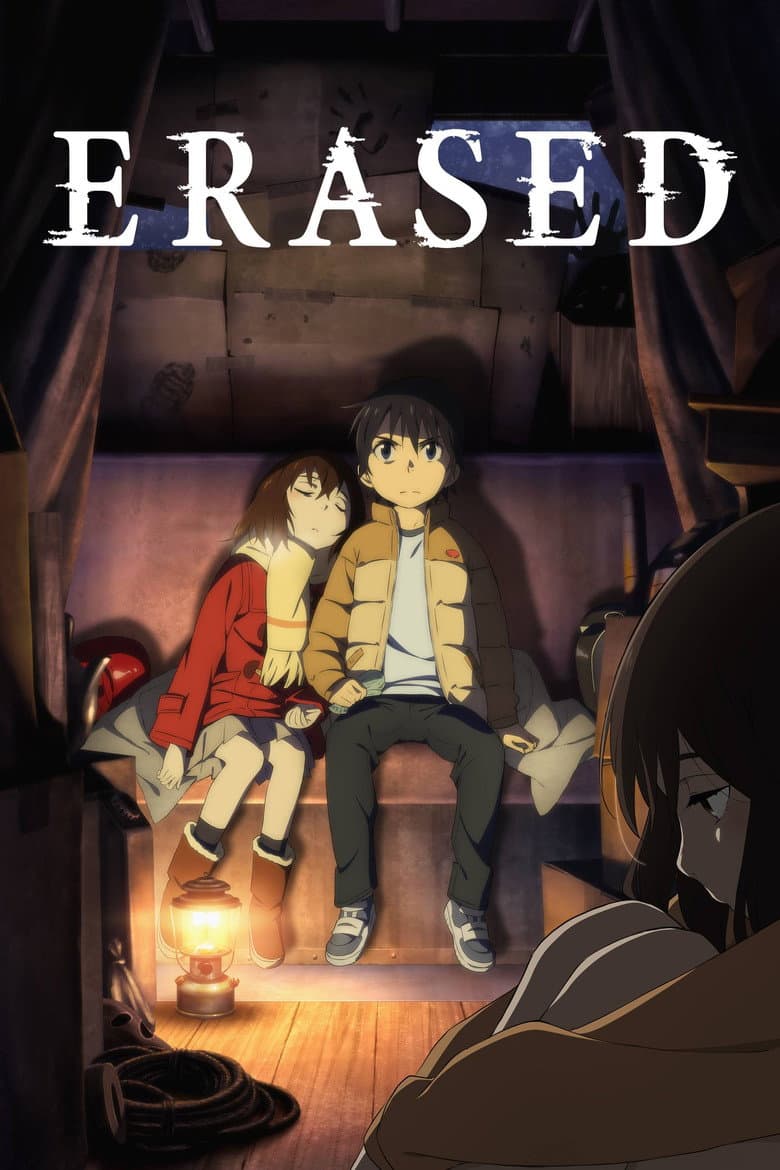
TV Show · 2016
Satoru Fujinuma is a struggling manga artist who has the ability to turn back time and prevent deaths. When his mother is killed he turns back time to solve the mystery, but ends…
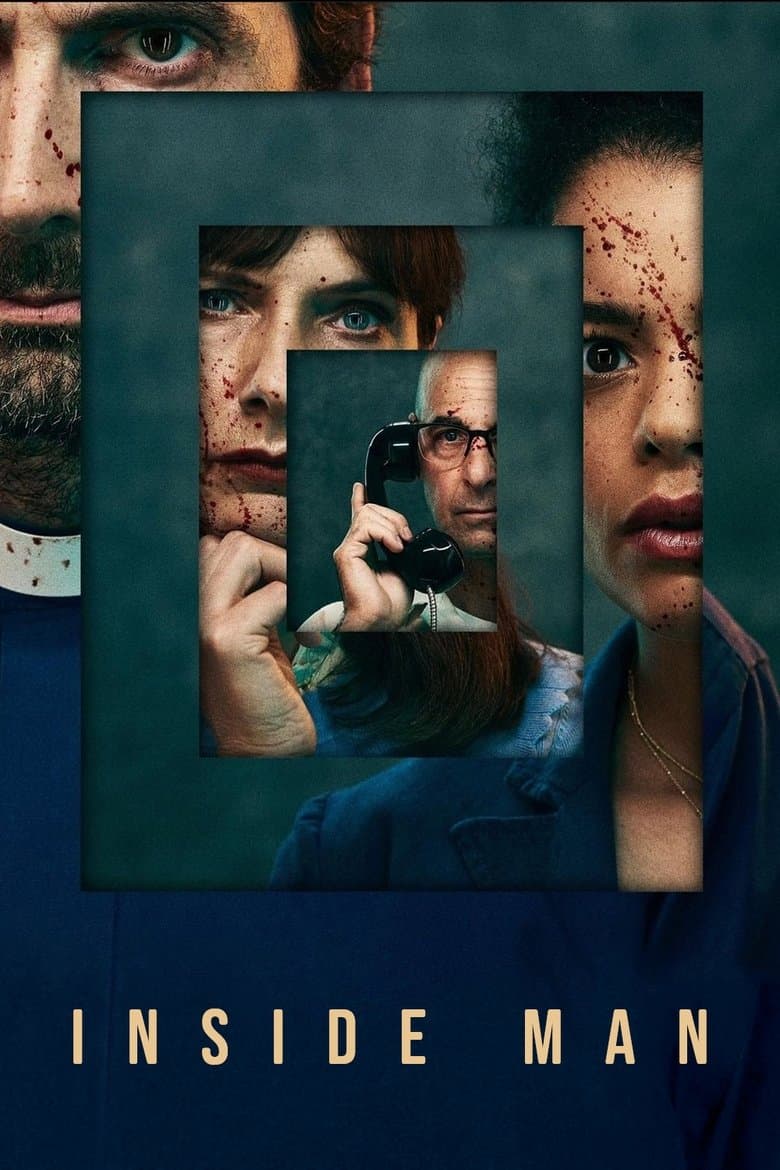
TV Show · 2022
A prisoner on death row in the US, a vicar in a quiet English town, and a maths teacher trapped in a cellar cross paths in the most unexpected way.
TV Show · 2018
In 1994, a toddler disappeared from a small Welsh village, never to be seen again. 23 years later, in London, the mother of rising cello star Matilda Gray commits suicide, without…
