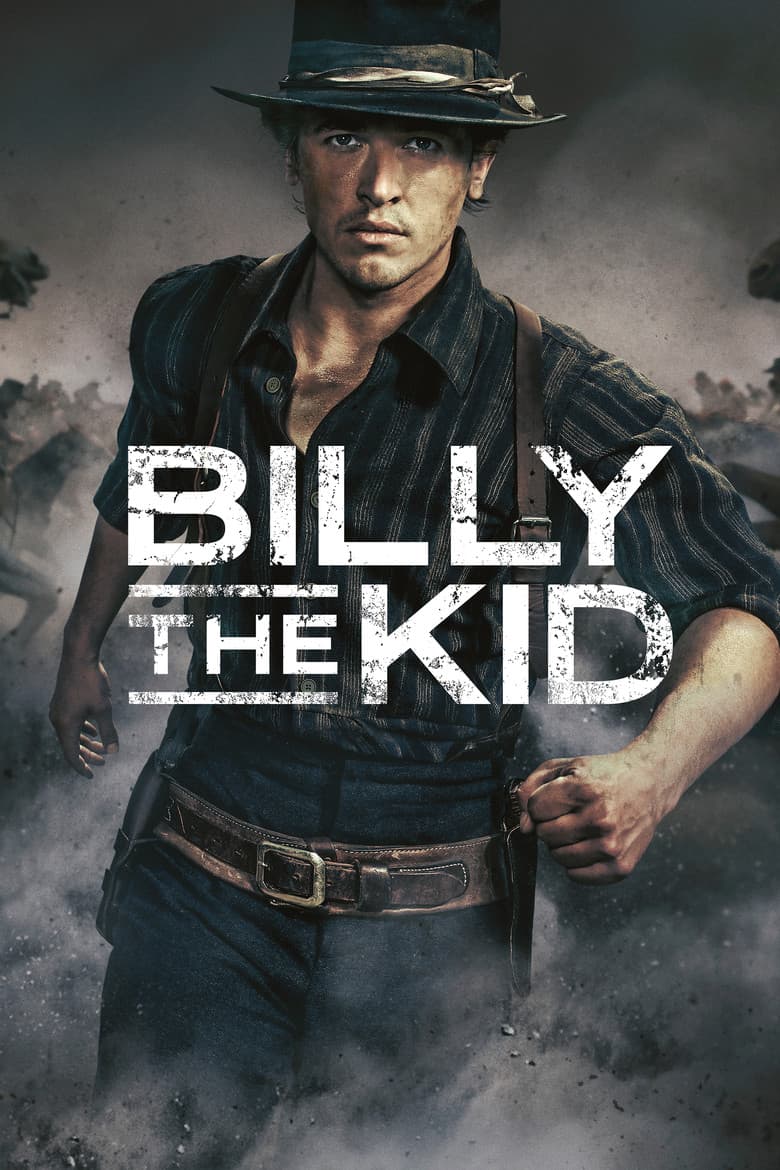
Started April 24, 2022 · Ended · Based on 3 seasons, 24 episodes through November 23, 2025 · TV-MA · 51 min
Billy McCarty grows up as the son of poor Irish immigrants in the American West of the 1870s. After his father dies and his mother dies, Billy becomes a cowboy, gunman, outlaw, and leader during the Lincoln County War in New Mexico. He tries to live by his own sense of fairness while violence, betrayal, and powerful landowners close around him. The show is grim, romantic, and often sympathetic to a young man who wants a better life but keeps choosing dangerous paths.
The series gives Billy a strong concern for immigrants, Mexicans, and people pushed off their land. He befriends a Mexican boy, speaks Spanish, loves the Mexican Dulcinea, and repeatedly fights men who abuse Mexican farmers. The Santa Fe Ring is shown as a rich network that controls law, land, and government, and season three makes Billy a resistance hero against that system. These themes recur across all three seasons, but the show remains mainly a violent historical Western about Billy, Jesse Evans, Pat Garrett, family, love, and legend.
Community feedback
Was our 51% Woke rating accurate?
Breakdown
These are the editorial factors and ratings behind our score for Billy the Kid.
Woke representation / casting
Not present. Tom Blyth plays Irish immigrant Billy, while Nuria Vega plays Mexican Dulcinea and other Hispanic actors play Mexican or Hispano characters. The casting fits the New Mexico setting and does not show a diversity-first pattern.
0%
Woke political dialogue
Billy says Mexican people matter to him when white townsmen treat them as worthless. An Apache character tells Billy that his white position gives him advantages. The story also includes direct talk about immigration, land theft, unfair law, and social justice. These ideas return through the Santa Fe Ring conflict, so the political dialogue is recurring but not the show’s only subject.
39%
Identity-driven story themes
Billy’s Irish immigrant past shapes his sympathy for Mexicans and other people pushed aside by powerful men. Billy befriends a Mexican boy, learns Spanish, loves Dulcinea, and protects Mexican farmers. The story makes this sense of shared hardship part of Billy’s moral identity. The theme continues from season one through the Ring conflict and Billy’s final revenge in season three.
45%
Western institutional / cultural critique
The Santa Fe Ring controls banks, land, sheriffs, courts, and politicians. The story presents wealthy men as a system that drives Mexican farmers from their land and protects its own power. Billy and the Regulators fight that system as an unfair power structure linked to government, not only as a personal feud. Season three presents Billy as a resistance hero and ends with his attack on Catron.
41%
Woke character or canon changes
The series gives the historical Billy a more openly anti-racist and gentle voice than many accounts of the outlaw. An Apache character gives Billy a lesson about the advantages of being white. The series also changes his fate and romance, but those changes build legend and drama rather than identity politics.
28%
Anti-woke backlash and complaints
A small 2022 review called the series woke and anti-racist. The review objected to Billy defending Mexican victims, accepting an Apache lecture about white privilege, and the expanded Santa Fe Ring plot. The X pass found only a few small right-leaning accounts, with some praising the show as non-woke rather than attacking it. No boycott, review-bombing effort, or major public fight was found.
12%
Creator track record context
Michael Hirst is mainly known for historical dramas and has little recorded activist work. Adam Kane, David Frazee, Rachel Leiterman, Michael Nankin, and Otto Bathurst have no strong activist pattern. John Fawcett co-created Orphan Black, which explores LGBTQ characters and identity, but he has no strong personal political record listed. Donald De Line has no notable identity-politics advocacy record.
18%
Production
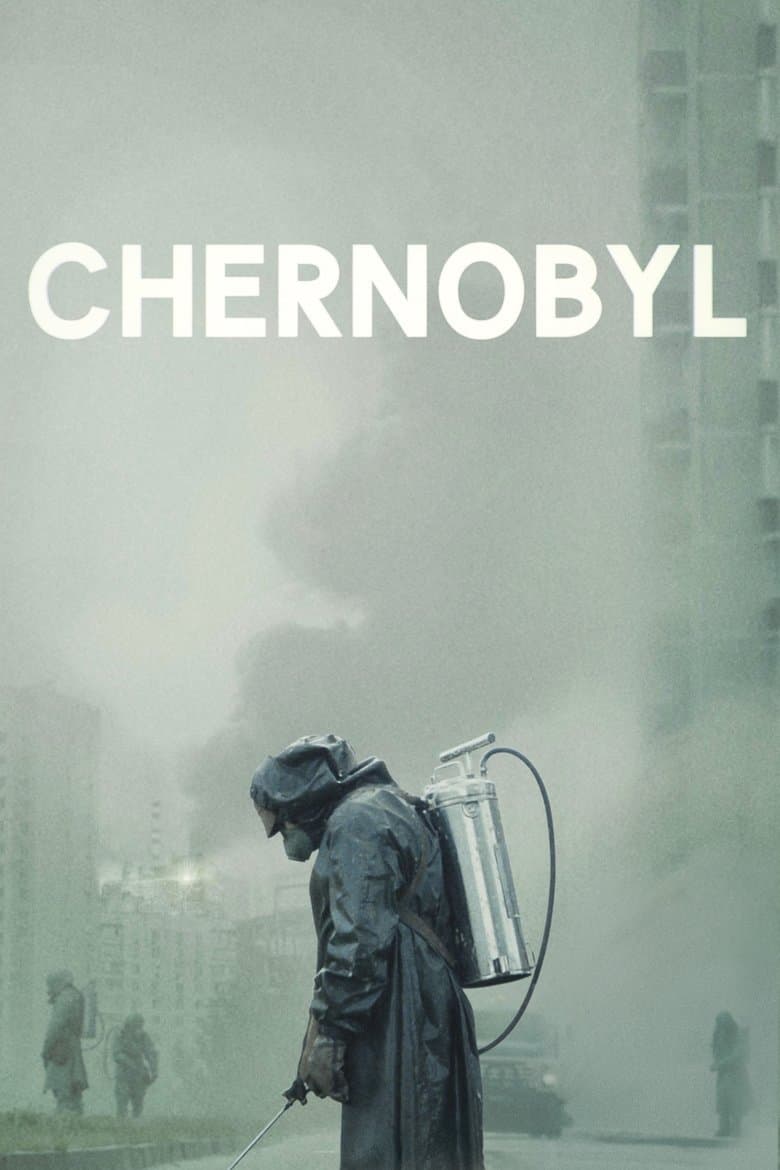
TV Show · 2019
The true story of one of the worst man-made catastrophes in history: the catastrophic nuclear accident at Chernobyl.
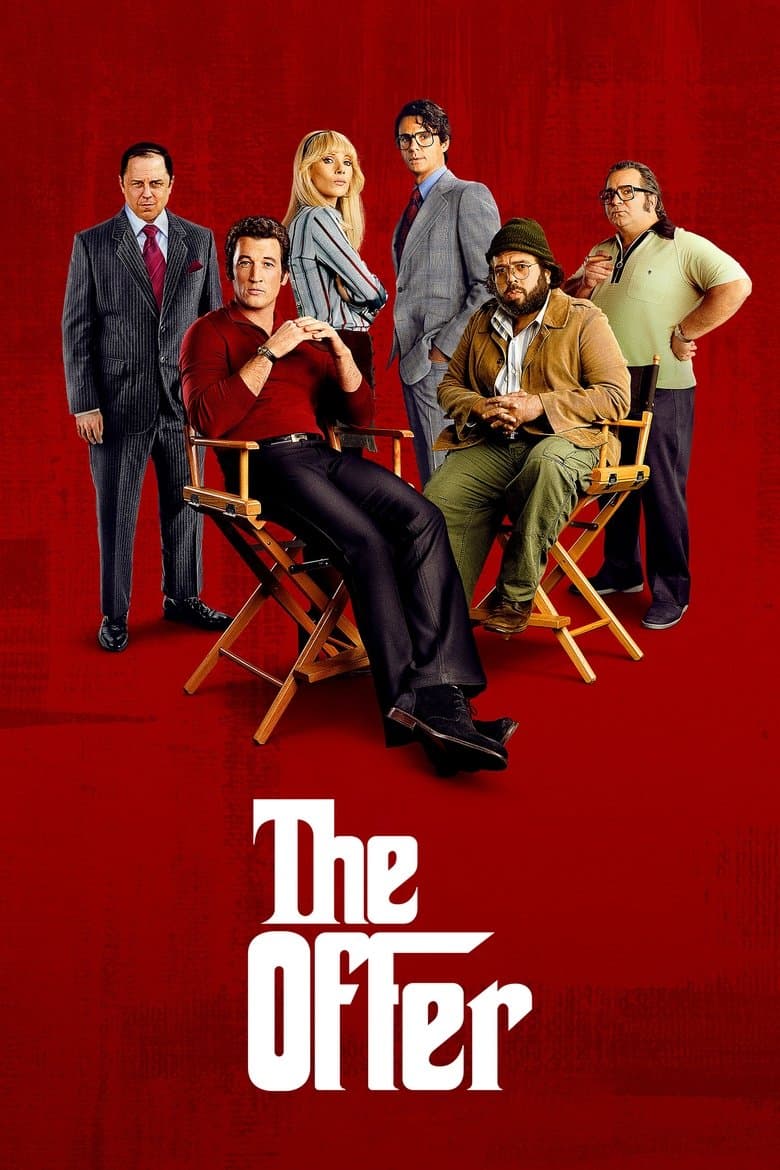
TV Show · 2022
Oscar-winning producer Al Ruddy’s never before revealed experiences of making the iconic 1972 film The Godfather that Francis Ford Coppola directed and adapted with Mario Puzo.
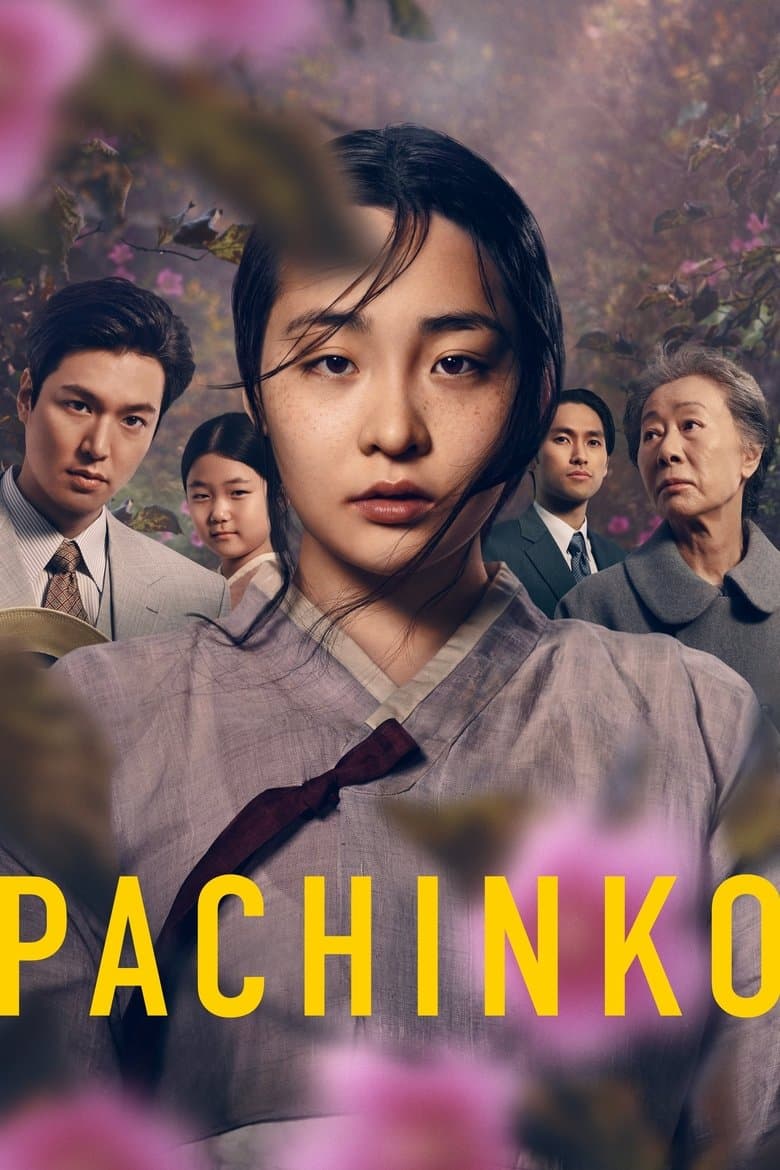
TV Show · 2022
This sweeping saga chronicles the hopes and dreams of a Korean immigrant family across four generations as they leave their homeland in an indomitable quest to survive and thrive.

TV Show · 2024
Fascinated by cars since childhood, Brazilian racer Ayrton Senna became a sports legend — until tragedy struck, changing Formula 1 forever.
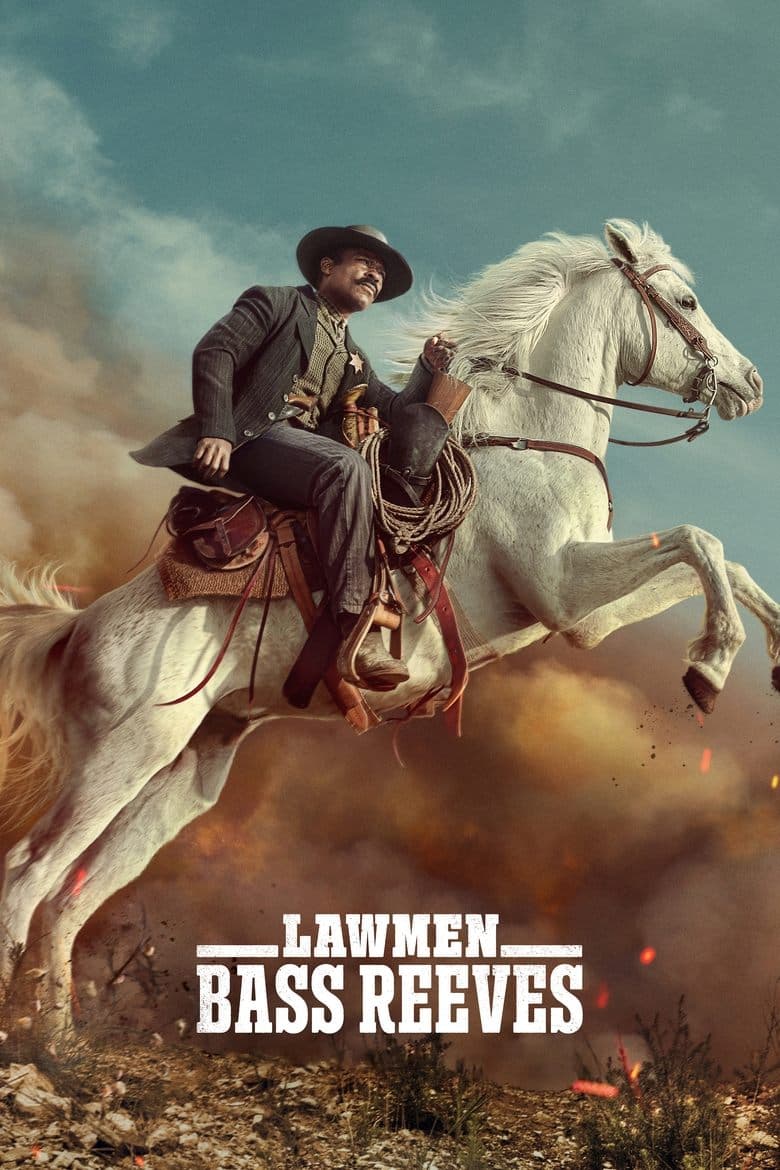
TV Show · 2023
The story of Bass Reeves, the legendary lawman of the wild West, is brought to life. Reeves worked in the post-Reconstruction era as a federal peace officer in the Indian…
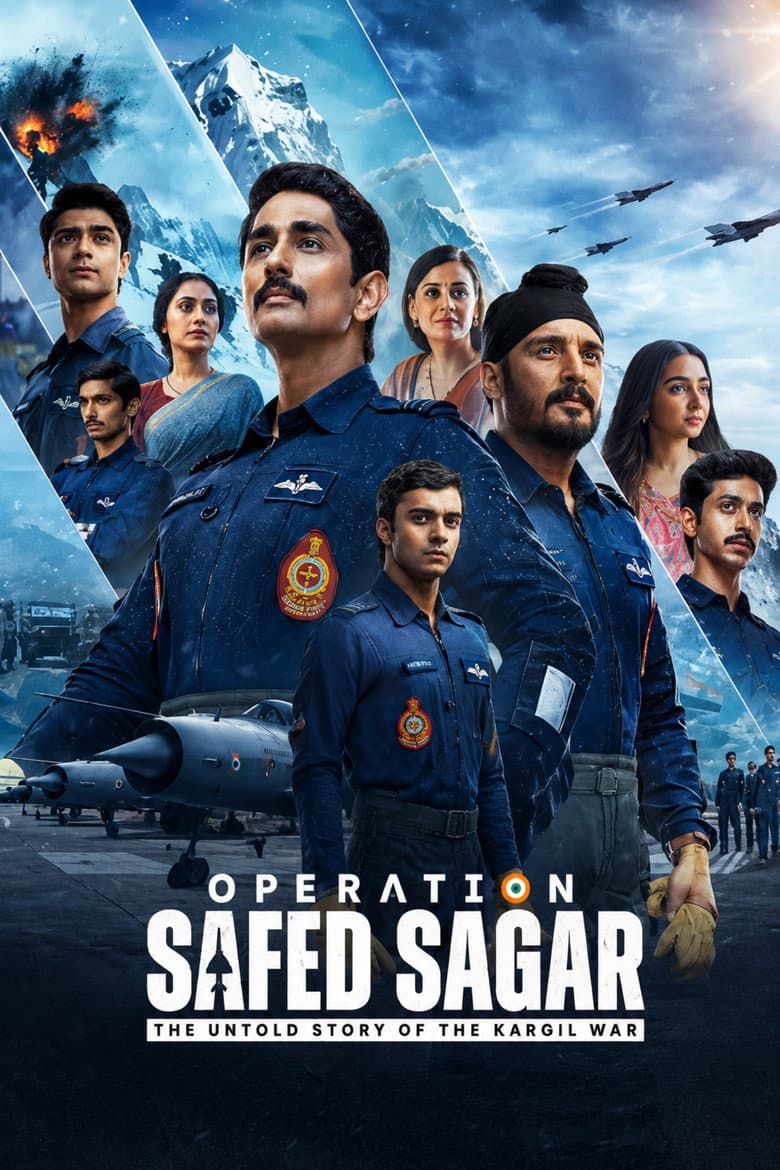
TV Show · 2026
As the Kargil War erupts between India and Pakistan, the Golden Arrows squadron of the Air Force takes flight on a dangerous mission behind enemy lines.
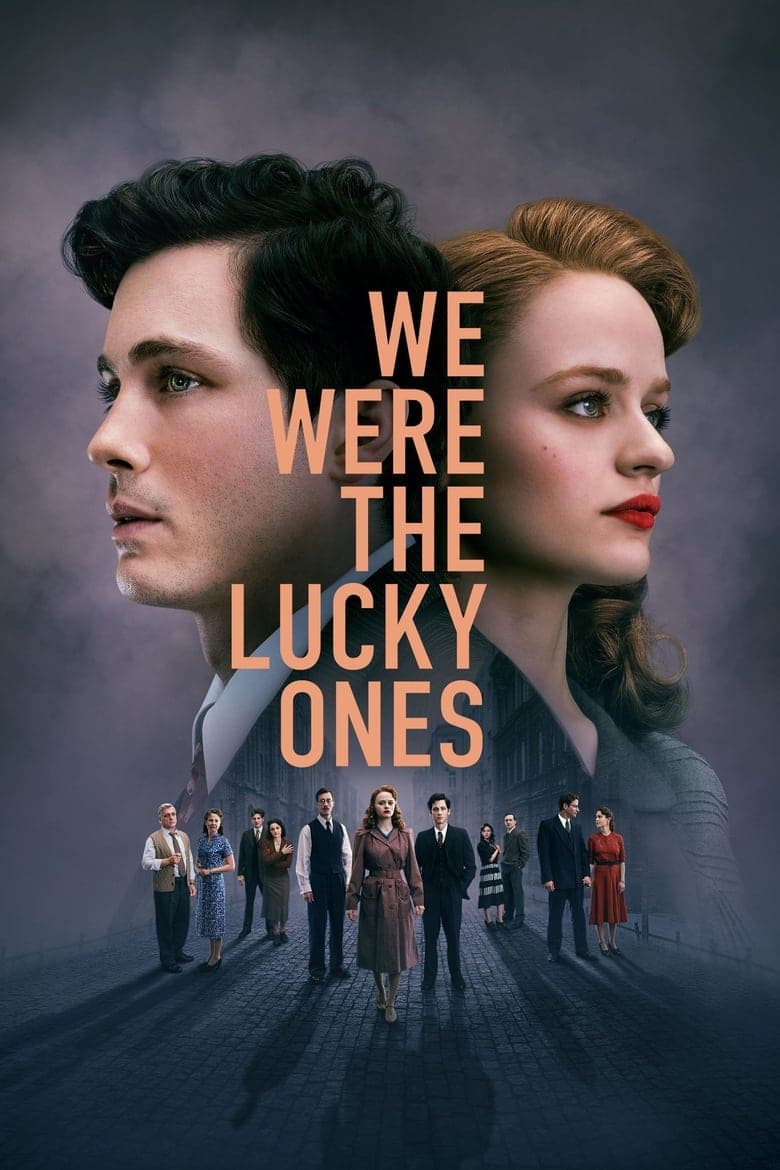
TV Show · 2024
The true story of one Jewish family separated at the start of World War II, determined to survive—and to reunite.
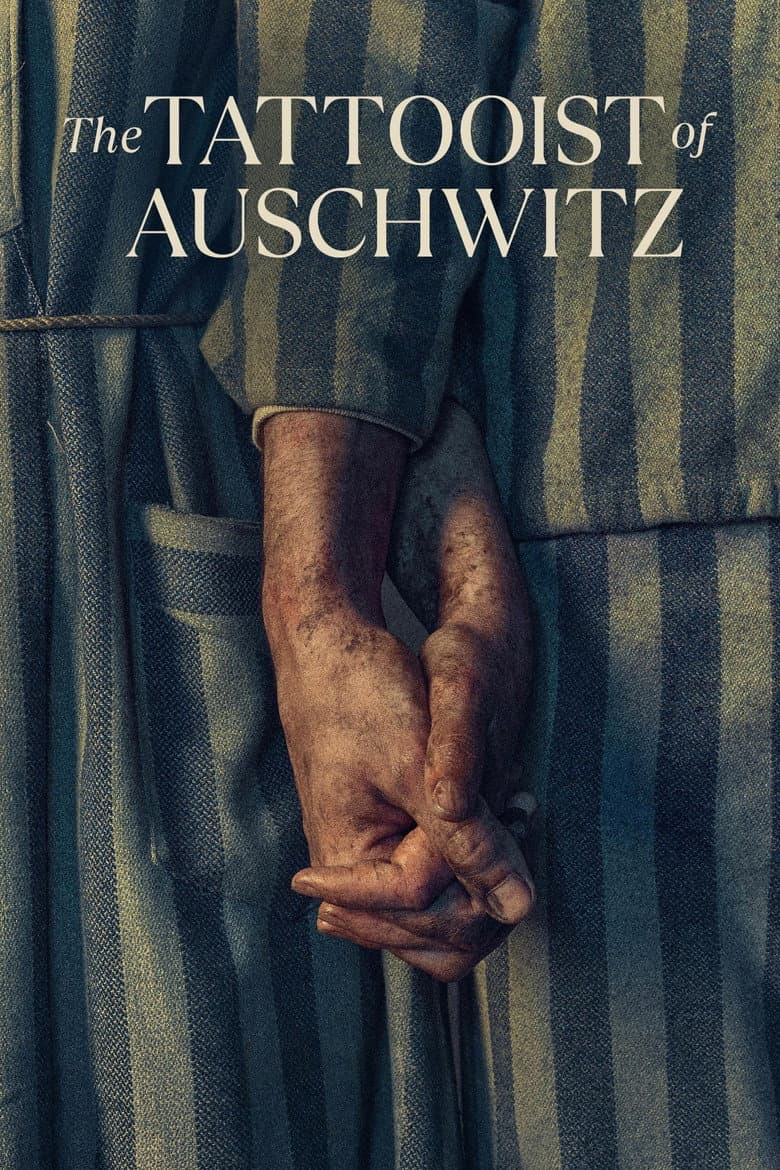
TV Show · 2024
The powerful real-life story of Lali Sokolov, a Jewish prisoner who was tasked with tattooing ID numbers on prisoners' arms in the Auschwitz-Birkenau concentration camp during…
