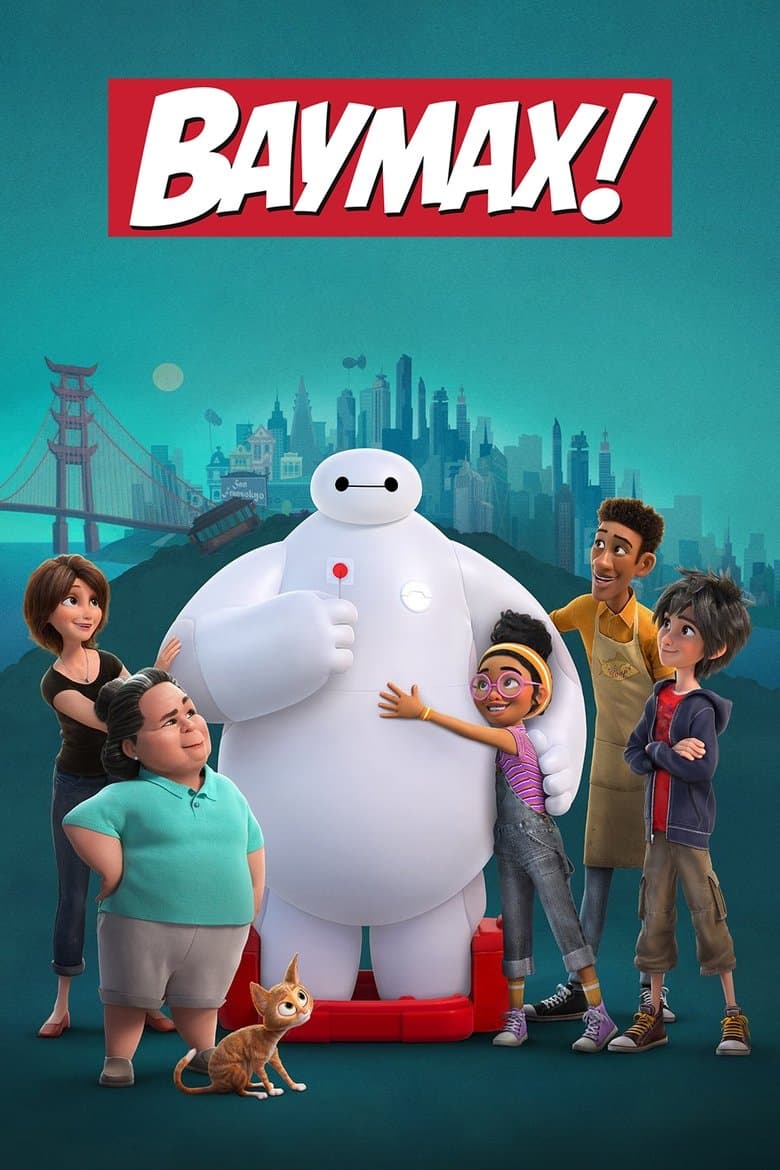
Started June 29, 2022 · Ended · Based on 1 season, 6 episodes through June 29, 2022 · TV-PG · 12 min
Baymax! follows Baymax, a gentle healthcare robot who helps people in San Fransokyo when they feel hurt or afraid. He leaves the Lucky Cat Café to help one patient in each of six short episodes. Cass recovers from an ankle injury, Kiko faces pain and loneliness, and Mbita manages a fish allergy that threatens his family food truck. Sofia handles her first period, and Baymax also helps a stray cat named Yachi. The stories use warmth and humor while showing Baymax causing trouble as he tries to care for others.
Two episodes include clear identity themes that viewers can see. Sofia learns that menstruation is a normal part of biology and does not need to cause shame, while a customer wearing trans flag colors helps Baymax choose pads. Mbita accepts his fish allergy and asks Yukio, another man, on a date, which makes a same sex relationship visible. These moments matter within their episodes, but they do not control the whole season. The other stories focus on care, courage, accepting help, loneliness, health, and community.
Community feedback
Was our 46% Woke rating accurate?
Breakdown
These are the editorial factors and ratings behind our score for Baymax!.
Woke representation / casting
The show gives major patient roles to a Japanese American older woman, a black man, and a girl with Latino family details. A shopper in a trans flag shirt also appears in a period product scene. These choices create visible identity variety across the six short episodes. San Fransokyo appears as a modern city with varied residents, and the series does not present the cast as a diversity campaign. The identity choices are visible, but they do not create a forced hero team or control the show.
18%
Woke political dialogue
Baymax tells Sofia that menstruation is biology and nothing to feel ashamed about. The episode places the scene in an all gender restroom. A customer with a trans flag gives advice about period products. The show does not give political speeches about elections, laws, capitalism, or political parties.
15%
Identity-driven story themes
Sofia’s full episode centers on a first period and treats it as a normal body process that should not cause shame. The shopping scene gives a customer with a trans flag a speaking role that supports the idea that trans men can have periods. Mbita’s episode ends with him asking Yukio, another man, on a date. Baymax openly notices their attraction. These identity elements appear in two of the six episodes, but they do not drive the whole season.
49%
Western institutional / cultural critique
Not present. The show does not attack men, families, religion, capitalism, or Western institutions. Its conflicts involve health, fear, loneliness, and change.
0%
Woke character or canon changes
Not relevant. The show keeps Baymax, Hiro, and Cass in their established roles from Big Hero 6. The new LGBTQ and trans elements belong to new patients rather than changed legacy characters.
0%
Anti-woke backlash and complaints
Christopher Rufo shared a leaked period aisle clip and said it promoted the trans flag and the idea that men can have periods to children. Other right leaning accounts and outlets attacked the trans man scene, the date between two men, and Disney’s LGBTQ content for children. Some posts called for boycotting or canceling Disney+, but the backlash was scattered. The available evidence did not show a mass review bombing campaign.
40%
Creator track record context
Roy Conli, Jennifer Lee, and Don Hall have the strongest cached records. Their records connect to LGBTQ representation, diverse voices, or girl empowerment. Most listed writers and directors have scores from 0 to 25 or no strong activist record. This mixed background supports the show’s identity material, but it does not show an activist team across the board.
34%
Production
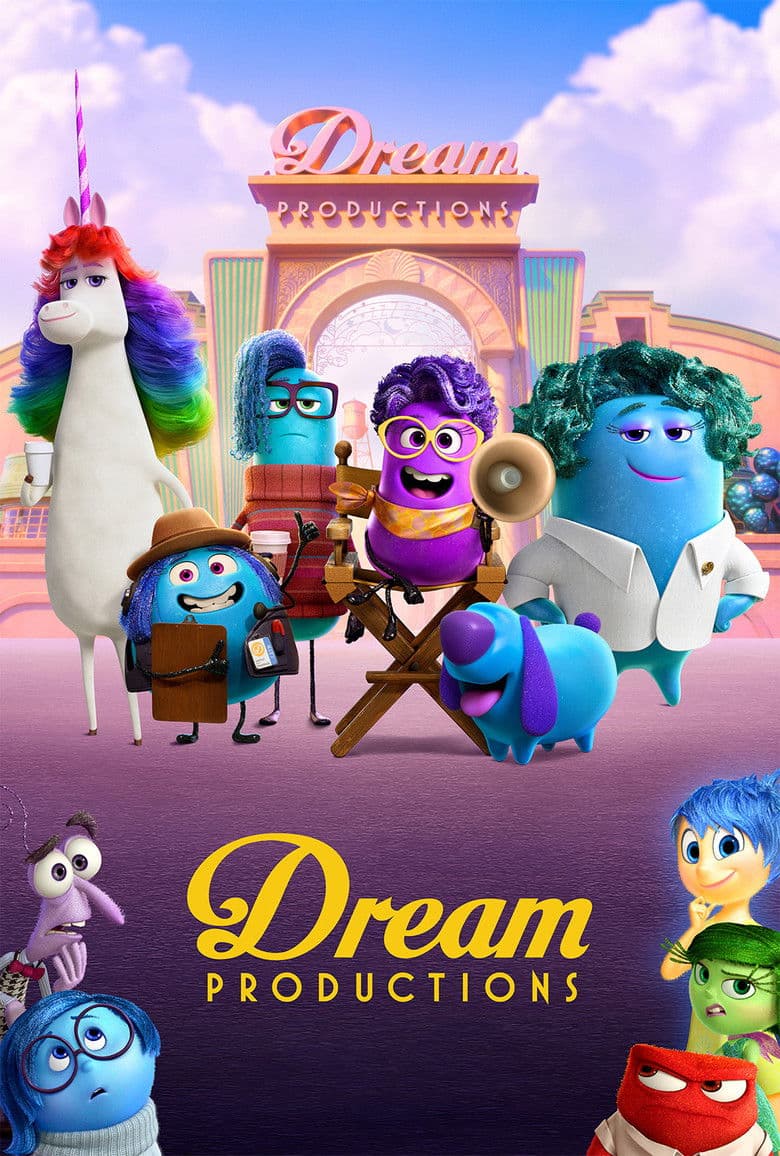
TV Show · 2024
Riley is growing up and when her memories need some extra processing, Joy and the rest of the Core Emotions send them to Dream Productions.
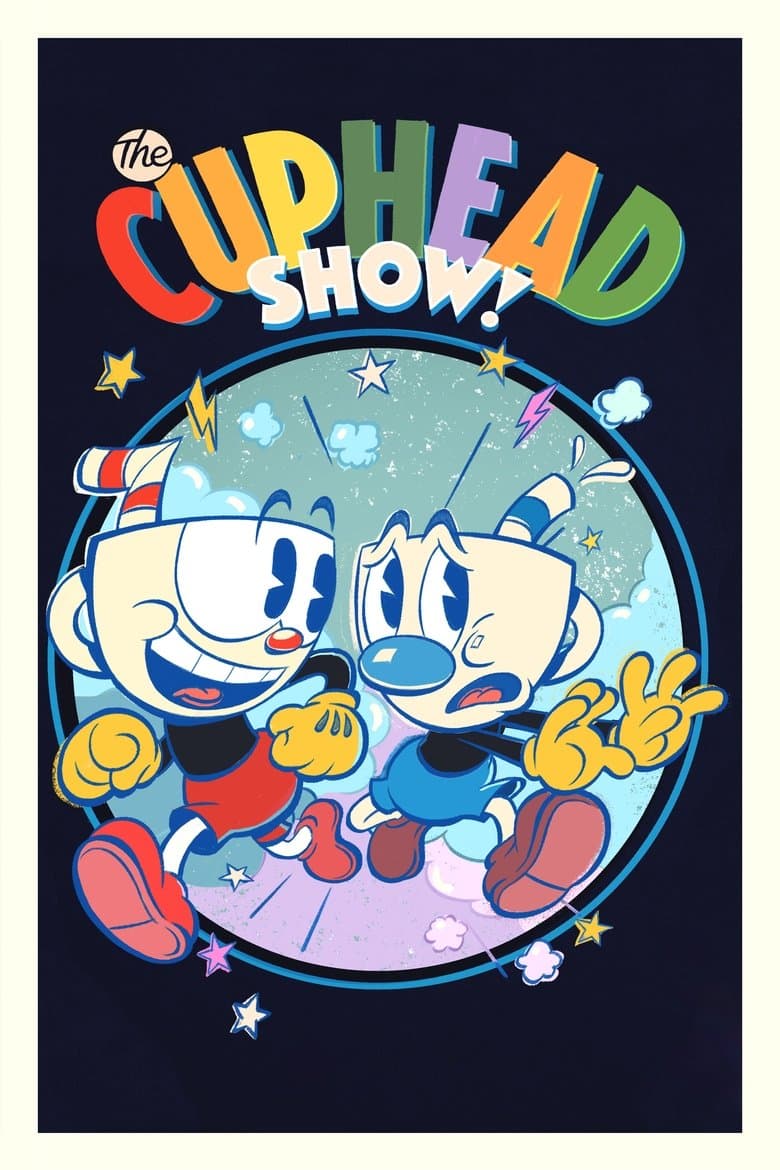
TV Show · 2022
Follow the misadventures of the impulsive Cuphead and his cautious but persuadable brother Mugman in this animated series based on the hit video game.
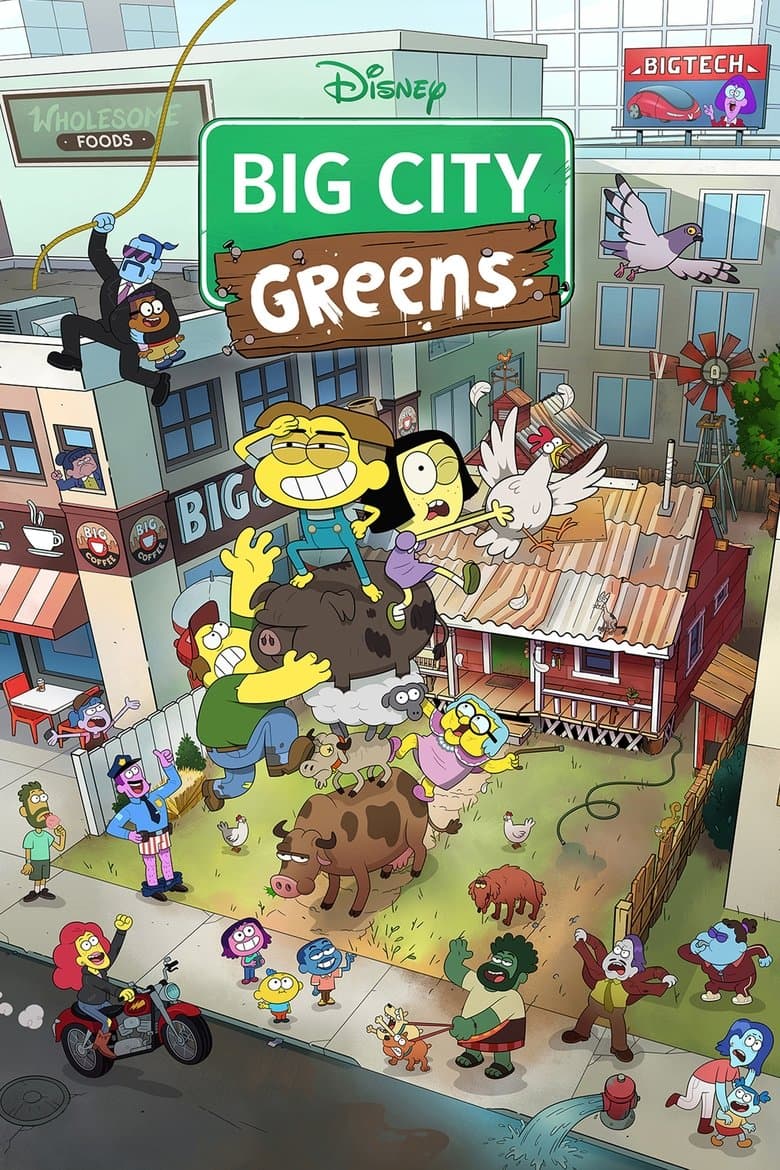
TV Show · 2018
The offbeat adventures of 10-year-old Cricket Green, a mischievous and optimistic country boy who moves to the big city with his wildly out of place family – older sister Tilly…
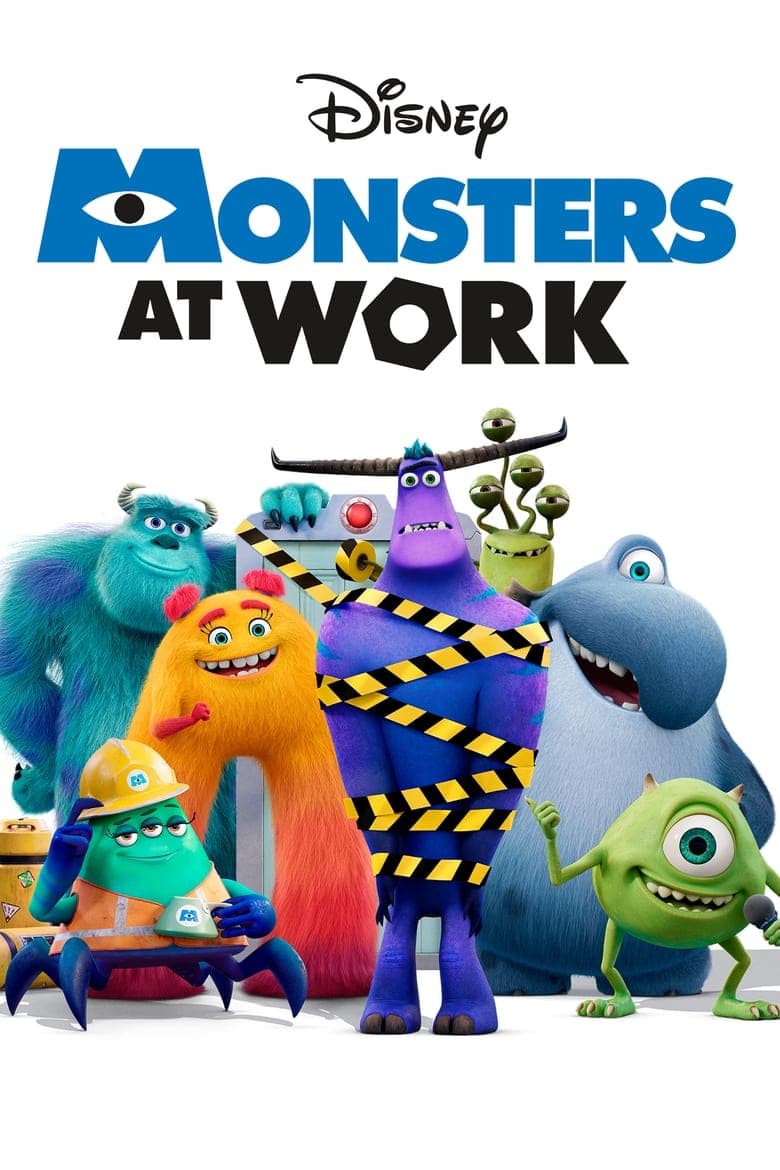
TV Show · 2021
Ever since he was a kid, Tylor Tuskmon has dreamed of becoming a Scarer just like his idol James P. Sullivan, and now that dream is about to come true... or not.
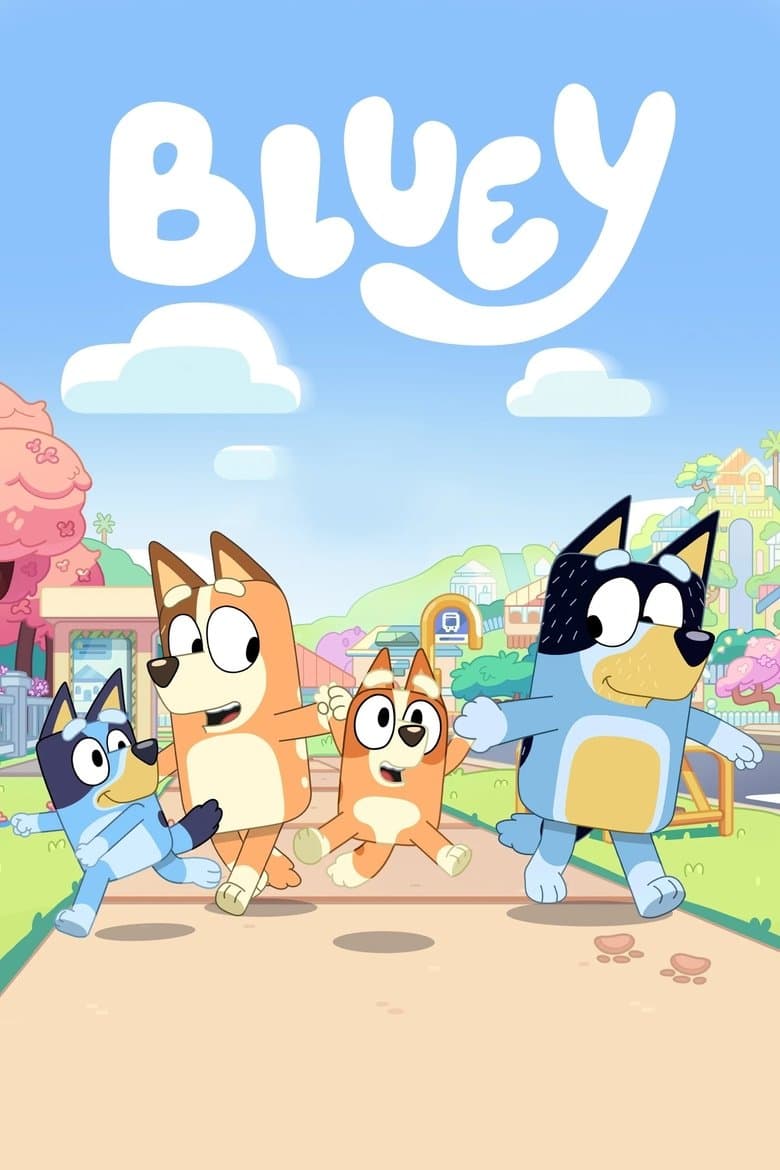
TV Show · 2018
Bluey is an inexhaustible six year-old Blue Heeler dog, who loves to play and turns everyday family life into extraordinary adventures, developing her imagination as well as her…

TV Show · 2021
A series of shorts that follows the humorous misadventures of Dug, the lovable dog from Disney and Pixar’s “Up.” Each short features everyday events that occur in Dug's backyard…
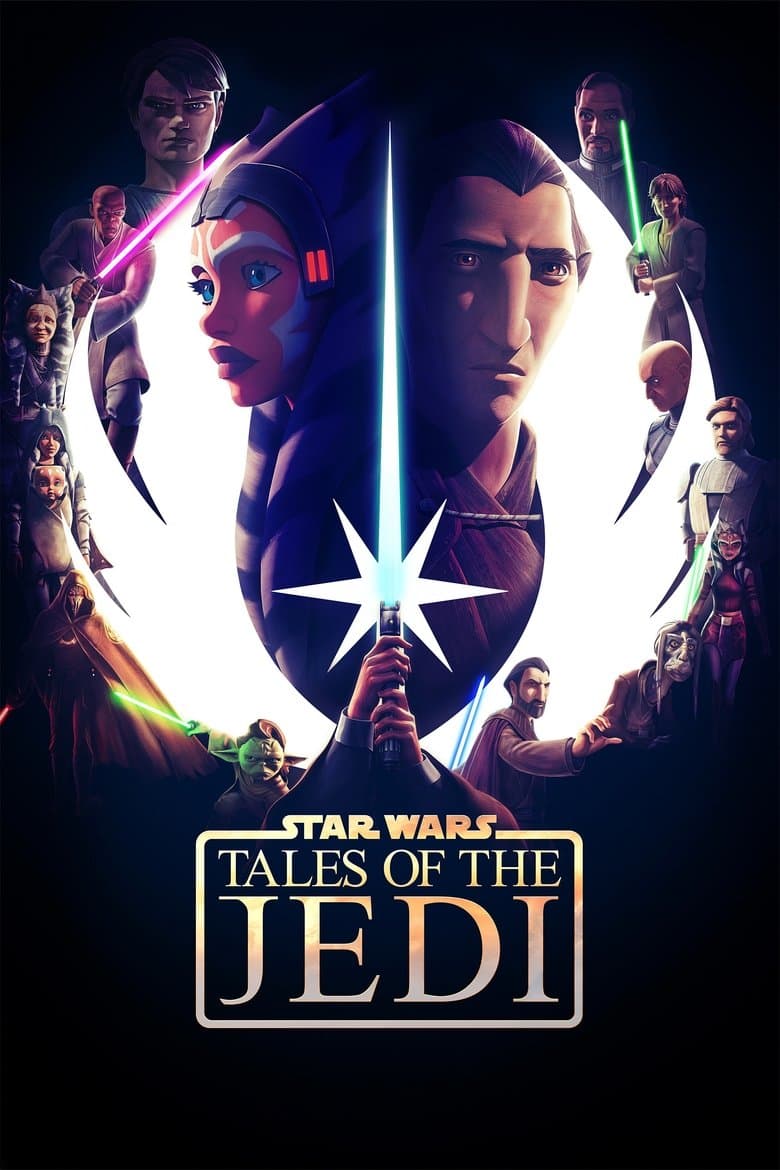
TV Show · 2022
Journey into the lives of two distinctly different Jedi from the prequel era – Ahsoka Tano and Count Dooku. Each will be put to the test as they make choices that will define…
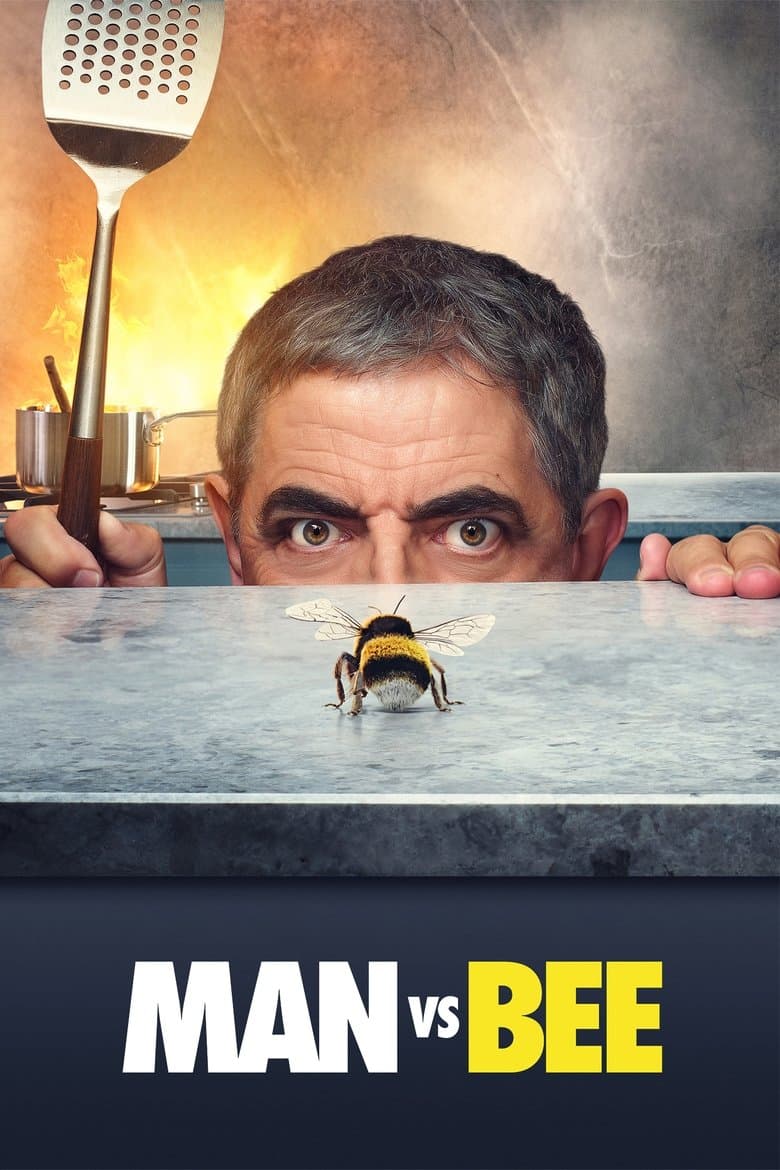
TV Show · 2022
Bumbling dad Trevor tries to get the best of a cunning bee while house-sitting a posh mansion — but only unleashes more chaos in this comedy series.
