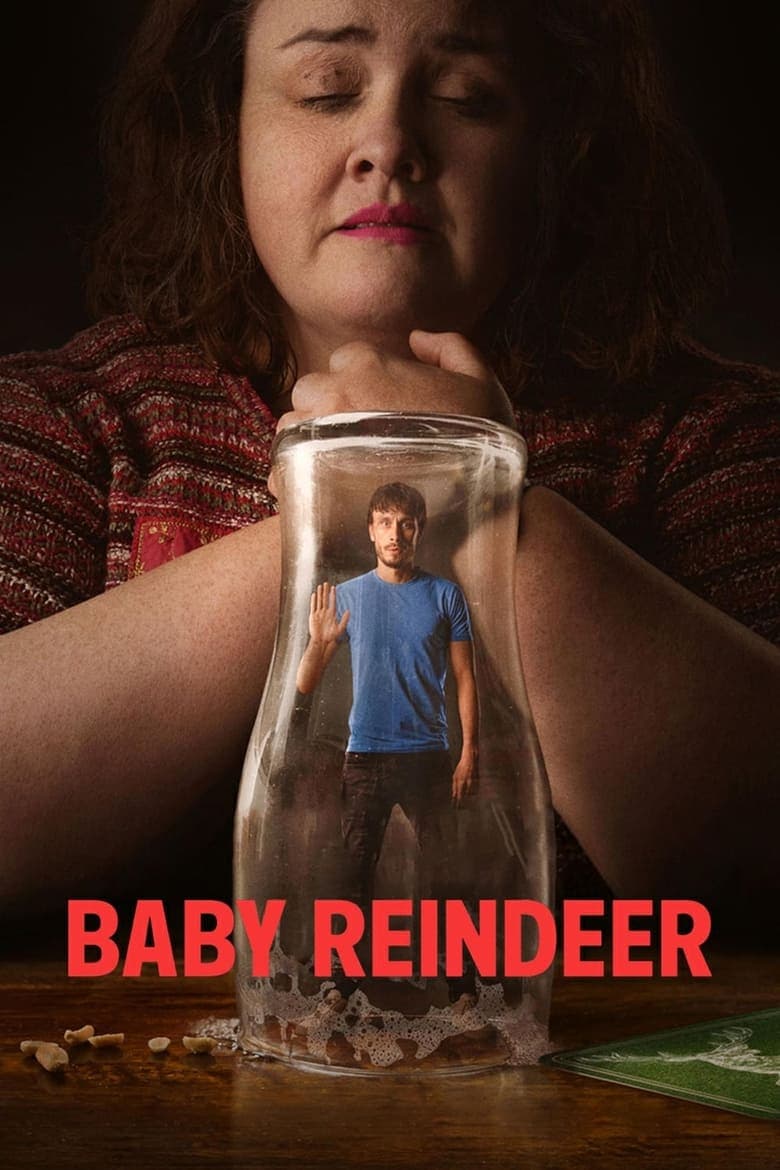
Started April 11, 2024 · Ended · Based on 1 season, 7 episodes through April 11, 2024 · TV-MA
Donny Dunn is a struggling London comedian and bartender who gives a free cup of tea to a distressed customer named Martha. That small act of kindness feeds years of stalking through messages, harassment, and violence. As his comedy career and private life collapse, the series digs into why he cannot cut her off. He still carries trauma from being groomed and raped by a male TV writer, plus shame about his bisexuality, and a hard relationship with Teri, a transgender therapist he meets online. The seven-episode show is a semi-autobiographical limited series written by and starring Richard Gadd.
A major part of the story is Donny's sexuality and identity, not just a brief side plot. Viewers see his same-sex assault, his confusion about sex with men and women, his romance with trans partner Teri, his coming out as bisexual, and his public stage breakdown about rape and self-hatred. Teri is a multi-episode supporting lead played by openly trans actress Nava Mau, and that cast choice is framed as real visibility rather than a background role. The show is light on political speech, though Martha attacks Teri on camera with xenophobic and transphobic language. Police fumble his stalking report at first, and a father links his own abuse to growing up in the Catholic Church, but these moments feel more personal than a political manifesto.
Community feedback
Was our 60% Woke rating accurate?
Breakdown
These are the editorial factors and ratings behind our score for Baby Reindeer.
Woke representation / casting
The modern London cast mostly fits the setting in an ordinary way. The clear identity-forward choice is Teri, Donny’s main romantic partner. She is a multi-episode supporting lead played by openly trans actress Nava Mau. Casting and press framed her role as trans visibility and real relationships, not a throwaway background part.
44%
Woke political dialogue
The show is light on activist speeches or party-political talk. What appears on screen is mostly personal language about shame, masculinity, male sexual abuse, and Donny’s sexual confusion. Martha’s xenophobic and transphobic attack on Teri is the sharpest on-camera hate speech. There is little sustained DEI dialogue.
20%
Identity-driven story themes
Stalking and trauma drive the main plot, but sexuality is a major engine of the story. Viewers see Donny’s same-sex assault, compulsive sex with men and women, seeking a trans partner, dating Teri, coming out as bisexual, confessing to parents, and breaking down on stage about rape and self-hatred. LGBTQ content runs through the series and is hard to miss.
66%
Western institutional / cultural critique
Institutions look flawed more than they are put on ideological trial. Police fumble a male stalking report until prior records turn up. A father links his own childhood abuse to growing up in the Catholic Church. Shame about old ideas of masculinity and men not reporting abuse is present, but it is framed as personal psychology more than a manifesto against Western systems.
26%
Woke character or canon changes
Not relevant. because this is original autobiographical material adapted from Gadd’s own stage show.
0%
Anti-woke backlash and complaints
Mainstream controversy was about real-person identification, doxxing, and legal fallout, not politics. Anti-woke reaction exists mainly as scattered social posts that call the Teri arc trans propaganda or a woke agenda. Some people said they quit the show for that reason. The reaction is real but thin, not a large coordinated culture-war campaign.
16%
Creator track record context
Writer-star Richard Gadd dominates the creator picture with openly bisexual identity, male-survivor advocacy, and trauma-centered work rather than career DEI activism. Directors Tofilska and Bornebusch and the producers are mostly craft and production focused. Casting director Nina Gold is a milder diversity-aware industry signal.
34%
Production
TV Show · 2024
The true story of one Jewish family separated at the start of World War II, determined to survive—and to reunite.
TV Show · 2019
In the early 1990s in New York, during the height of the crack cocaine epidemic, a visionary musician named Bobby Diggs aka The RZA begins to form a super group of a dozen young…
TV Show · 2019
In the 1960s, Israeli clerk-turned-secret agent Eli Cohen goes deep undercover inside Syria on a perilous, years-long mission to spy for Mossad.
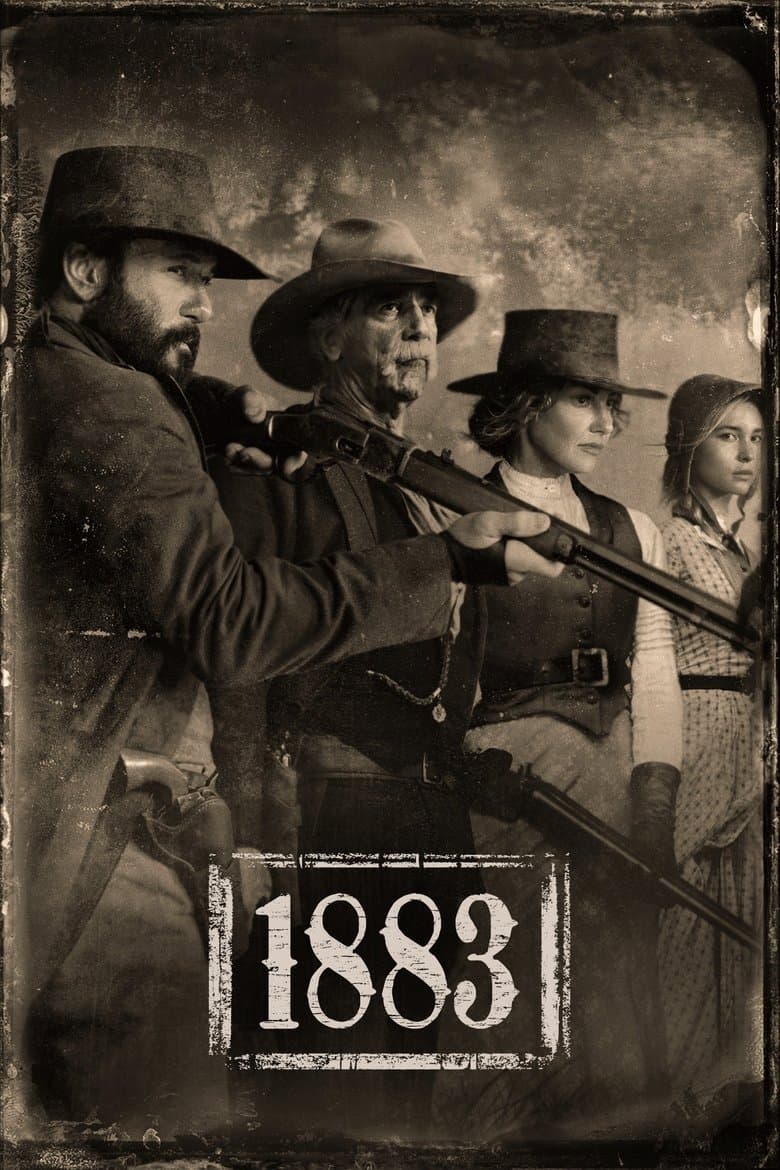
TV Show · 2021
Follow the Dutton family as they embark on a journey west through the Great Plains toward the last bastion of untamed America.

TV Show · 2024
Fascinated by cars since childhood, Brazilian racer Ayrton Senna became a sports legend — until tragedy struck, changing Formula 1 forever.
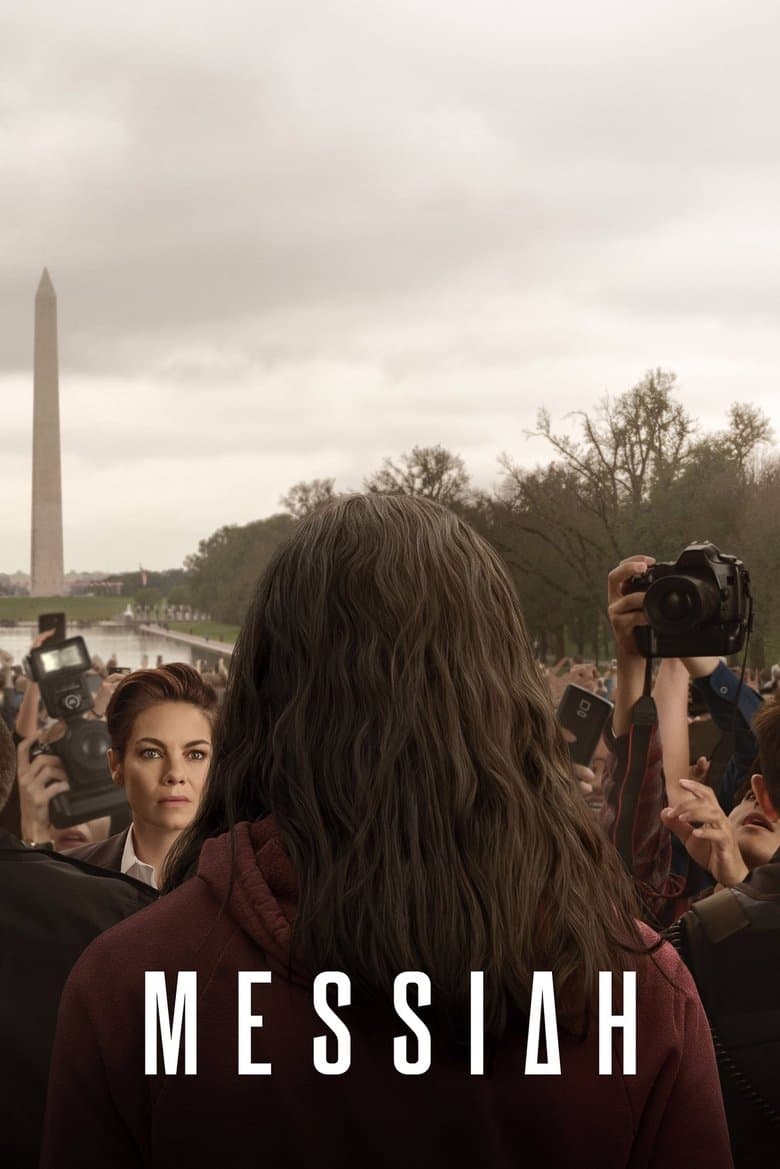
TV Show · 2020
A wary CIA officer investigates a charismatic man who sparks a spiritual movement and stirs political unrest. Who exactly is he? And what does he want?
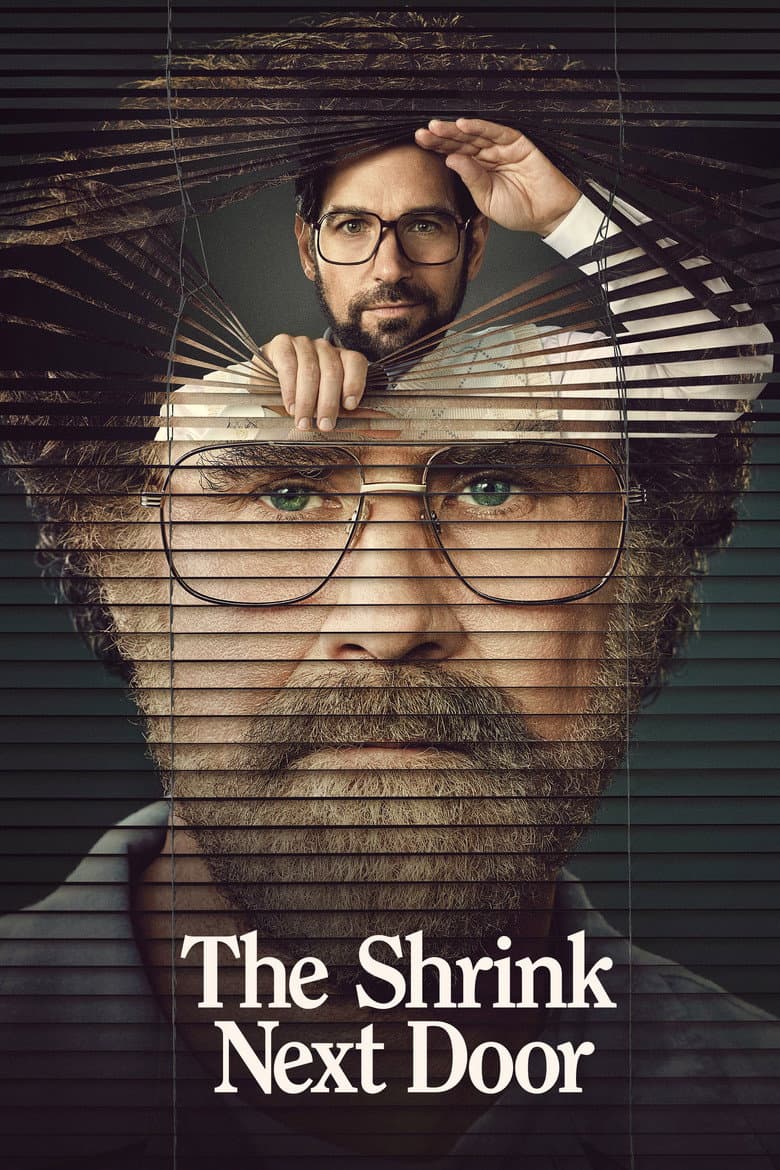
TV Show · 2021
Inspired by the true story of Marty and the therapist who turned his life around...then took it over. When he first meets Dr. Ike, Marty just wants to get better at boundaries.
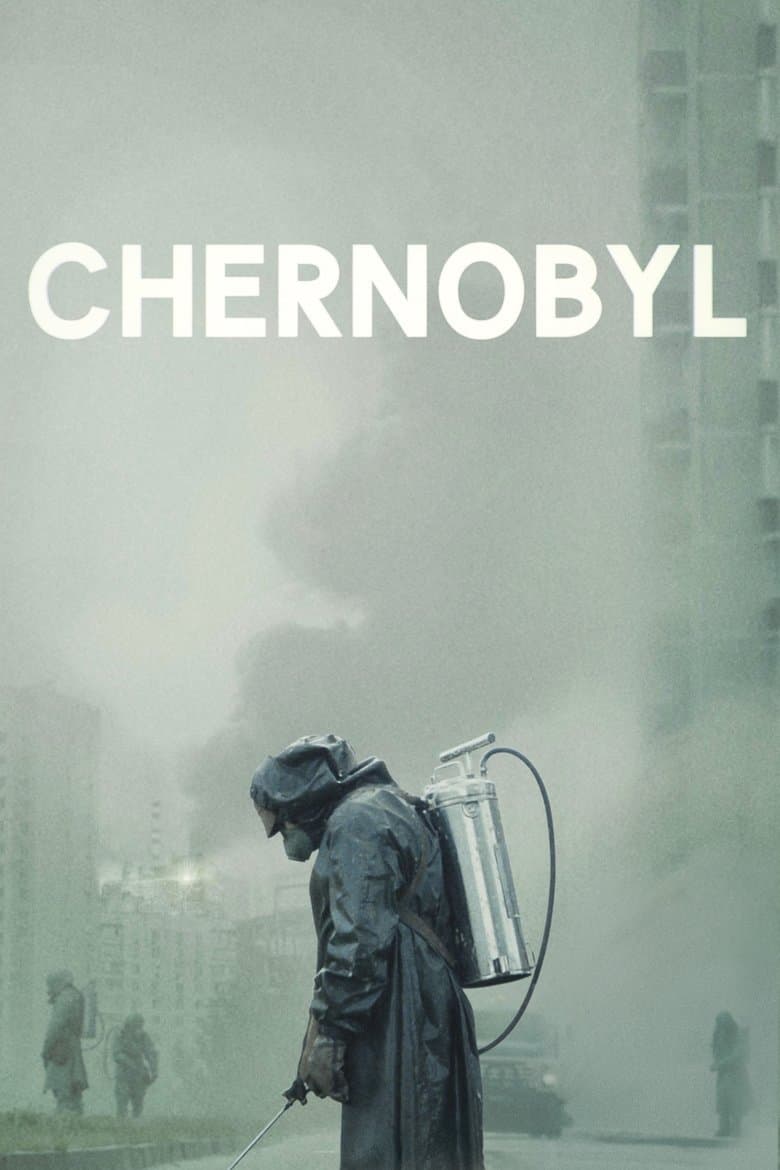
TV Show · 2019
The true story of one of the worst man-made catastrophes in history: the catastrophic nuclear accident at Chernobyl.
