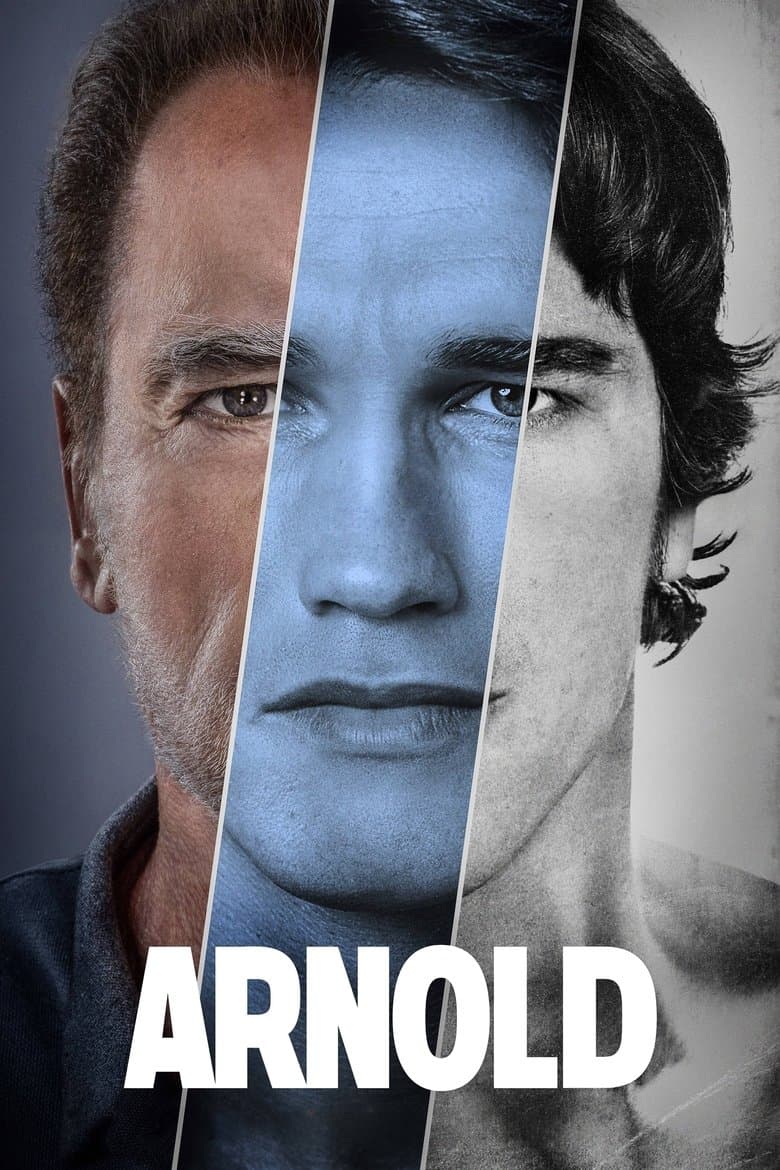
Started June 7, 2023 · Ended · Based on 1 season, 3 episodes through June 7, 2023 · TV-MA
Arnold Schwarzenegger tells his own life story across three long episodes. He grows up in post-war Austria, wins bodybuilding titles, moves to Hollywood, and becomes a California governor. The main conflict comes from his drive to win while he faces family pain, public scandals, political failure, and the limits of age. The show feels proud, direct, and motivational, but it also shows regret over his affair, his child with a housekeeper, and claims that he groped women.
The clearest woke material appears in the politics episode. The show praises clean-energy laws, cross-party work, diverse judges, and the choice of Susan Kennedy, an abortion-rights supporter and openly lesbian chief of staff. These points are shown as part of Schwarzenegger’s moderate reform record rather than as the main purpose of the series. The larger message supports public service, environmental action, and respect for people from different political sides, while the other two episodes focus on work, ambition, family, and personal responsibility.
Community feedback
Was our 26% Woke rating accurate?
Breakdown
These are the editorial factors and ratings behind our score for Arnold.
Woke representation / casting
Episode 3 names Susan Kennedy as an openly lesbian, abortion-rights-supporting chief of staff. The episode also praises Schwarzenegger for appointing women and minorities as judges and making the group diverse. These are real people from his political record, so the identity focus is tied to the events. The emphasis is brief and limited to the politics episode.
15%
Woke political dialogue
Episode 3 includes repeated political talk about California reforms, party conflict, taxes, infrastructure, and environmental laws. The show praises cooperation between Democrats and Republicans and presents clean-energy rules as a success. The episode also discusses diverse judges and an abortion-rights-supporting lesbian chief of staff. The tone is moderate and pro-reform, so the emphasis is limited to one political chapter.
26%
Identity-driven story themes
Episode 3 briefly treats representation as part of Schwarzenegger’s record. The show praises his effort to appoint women and minorities as judges. The episode also highlights Susan Kennedy’s lesbian identity and support for abortion rights. These points support a larger story about bipartisan governing rather than driving the whole series.
16%
Western institutional / cultural critique
Not present. The series criticizes party hacks, special interests, and a broken political system. It does not turn those points into a wider attack on Western culture, family life, religion, or traditional gender roles.
0%
Woke character or canon changes
Not relevant. The documentary presents real events and does not rewrite an established fictional character, canon, or historical event for identity reasons.
0%
Anti-woke backlash and complaints
Only a few small X accounts called the ending woke garbage. Some right-leaning viewers called the climate material and late political points propaganda or technocratic messaging. The reaction was fringe and did not show a boycott, review-bombing drive, or large outlet campaign. No meaningful anti-woke push focused on casting, gender swaps, anti-male writing, or LGBT themes.
12%
Creator track record context
Lesley Chilcott has made documentaries about environmental issues, women, and girls in technology. Allen Hughes has made work about black culture and racial justice. Peter Nelson supported projects about women athletes, disability, and LGBTQ-inclusive sports. The other listed crew members have little public record of political activism.
25%
Production

TV Show · 2023
Through vividly enhanced archival footage and voices from all sides of the conflict, this docuseries brings WWII to life like never before.
TV Show · 2023
With never-before-seen footage, this docuseries follows David Beckham's meteoric rise from humble beginnings to global football stardom.

TV Show · 2019
Using highly advanced colourisation techniques, critical moments from World War II, from Stalingrad to The Battle of Britain, are shown in a whole new light.
TV Show · 2020
A 10-part documentary chronicling the untold story of Michael Jordan and the Chicago Bulls dynasty with rare, never-before-seen footage and sound from the 1997-98 championship…
TV Show · 2021
The three-part documentary series, compiled from over 60 hours of unseen footage, captures the warmth, camaraderie, and creative genius that defined the legacy of music's most…
TV Show · 2017
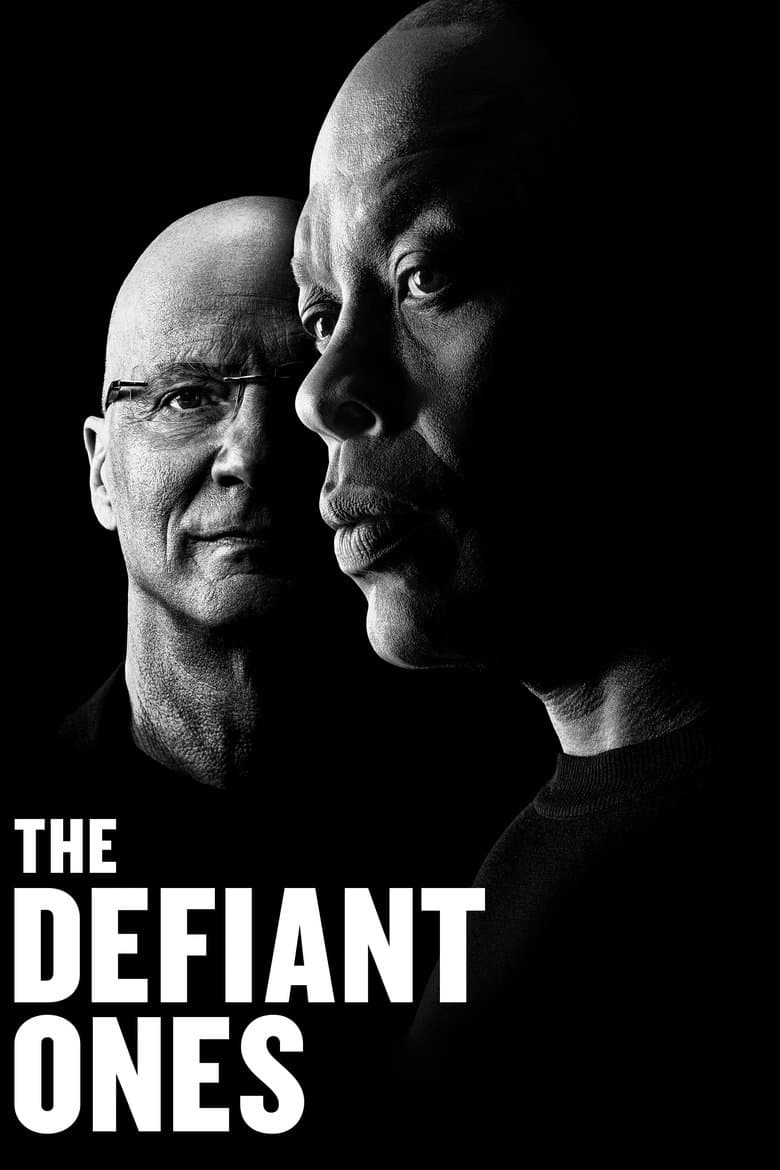
A four-part documentary series that tells the stories of Jimmy Iovine and Dr. Dre -- one the son of a Brooklyn longshoreman, the other straight out of Compton - -- and their…
TV Show · 2023
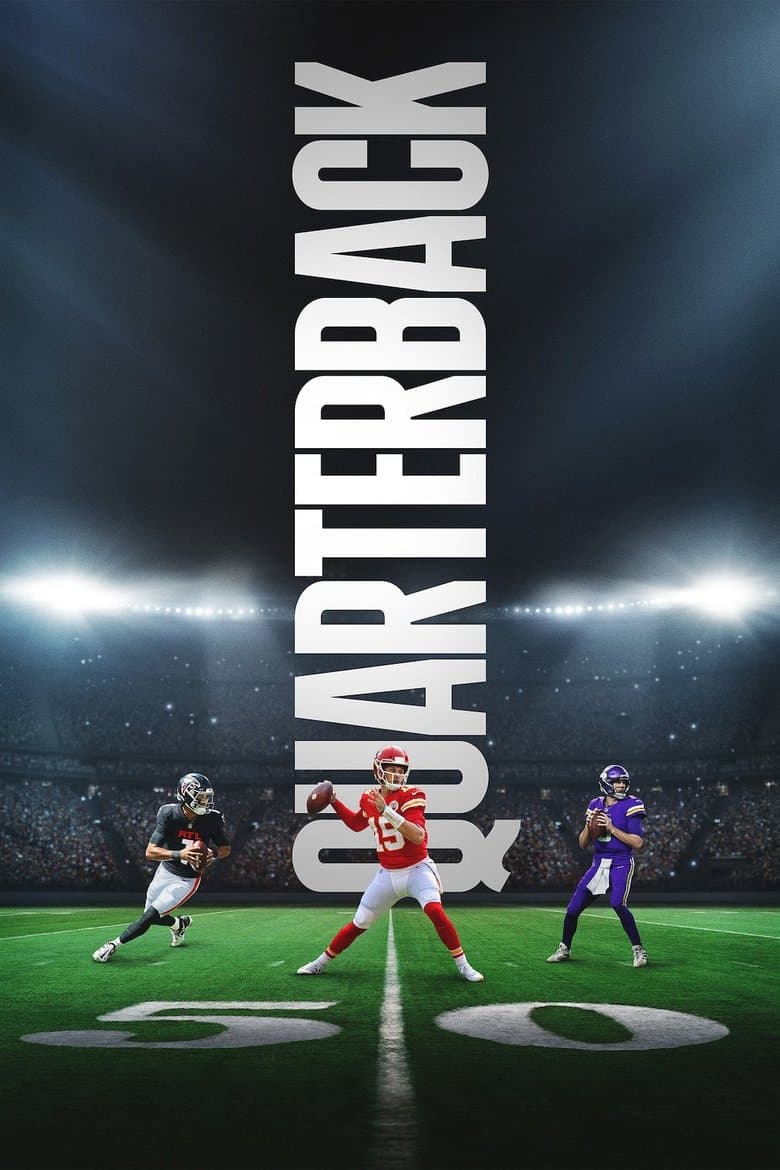
Follow the bruised bodies, soul-crushing fumbles, agonizing losses, and pure joy of three NFL quarterbacks during one season.
TV Show · 2021
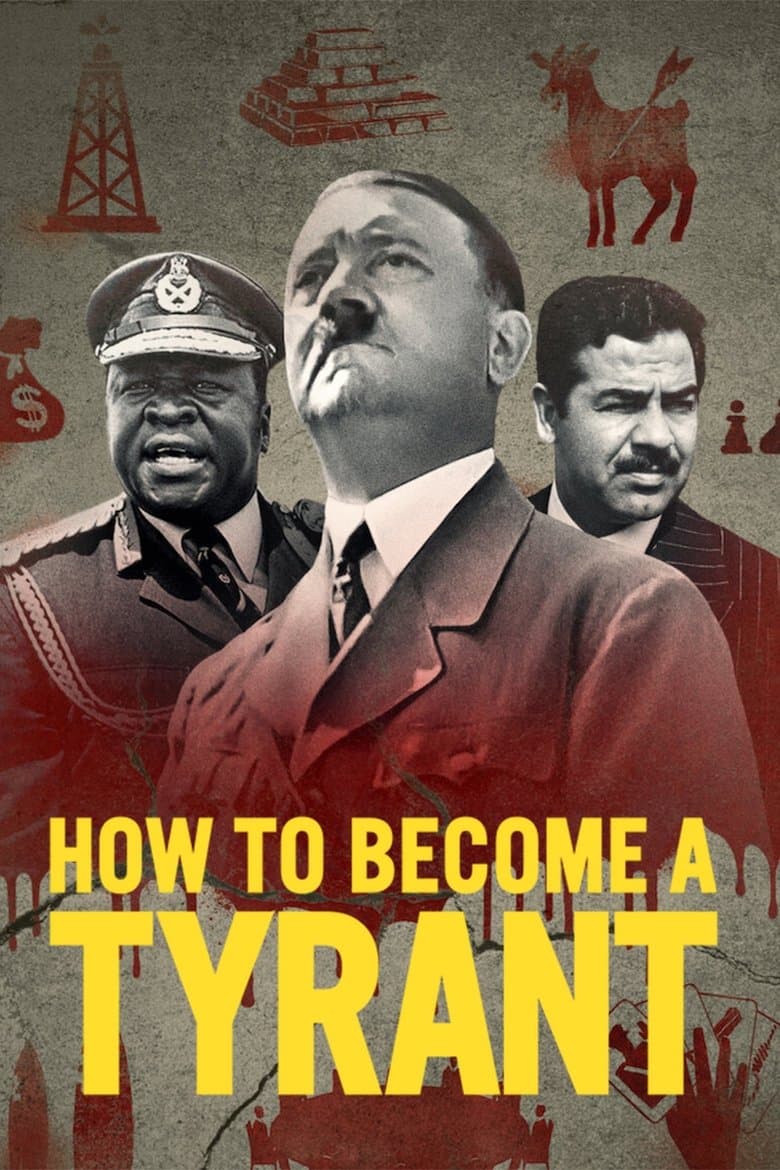
The documentary series explores different political figures throughout history.
