
Started May 24, 2023 · Canceled · Based on 1 season, 8 episodes through May 24, 2023 · TV-PG
Jin Wang is a Chinese American teenager in suburban California who wants to fit in at his mostly white high school. His plans change when Wei-Chen, a new student from Taiwan, asks for his help in a fight among Chinese gods. Jin tries to balance soccer, friends, his first romance, and growing tension between his parents. The season mixes school comedy and family drama with martial arts, magic, and a quest to save Heaven.
The show makes race and cultural identity part of Jin’s daily life, not a single side issue. Teachers and classmates misread his name, food, language, and background, while an offensive sitcom meme turns an old Chinese stereotype into a school joke. A student Culture Club protests the meme, and the story follows Jin as he learns to stop hiding parts of himself. The family and fantasy plots repeat the same message about belonging, but the show also spends much of its time on friendship, parents, romance, and Chinese mythology.
Community feedback
Was our 65% Woke rating accurate?
Breakdown
These are the editorial factors and ratings behind our score for American Born Chinese.
Woke representation / casting
Not present. The main Asian cast matches a story about a Chinese American family and Chinese mythology. The school mix does not show a clear one-of-each pattern or a message that diversity itself is the point.
0%
Woke political dialogue
Suzy leads a Culture Club response after an offensive meme about Jin spreads at school. Students argue about whether Jin should make a public statement and whether Greg should be held responsible. The show rarely uses direct political words, so this remains a small part of the dialogue.
18%
Identity-driven story themes
Jin’s main struggle is learning to accept his Chinese American identity. The school story repeats name mistakes, racist jokes, pressure to hide his family, and fear of being seen as foreign. The Freddy Wong story links an old TV stereotype to Jin’s shame and to the wish for Asian heroes. The family and god stories keep returning to belonging and knowing who you are.
65%
Western institutional / cultural critique
The show presents a mostly white school where adults and students treat Asian identity as a joke or a label. The Culture Club challenges an offensive meme and asks the school to take responsibility. The Beyond Repair story criticizes older Hollywood roles that made Asian actors the punch line. The show targets school culture and entertainment stereotypes, but it does not attack Christianity, capitalism, or Western society as a whole.
38%
Woke character or canon changes
The show replaces the graphic novel’s Chin-Kee with Freddy Wong, a racist Chinese TV stereotype from a fake 1990s sitcom. The change turns the source’s shocking comic figure into a story about how old Hollywood roles hurt Asian actors and young viewers. The show also adds Jin’s parents, but that change mainly expands the family story and does not carry an identity message.
35%
Anti-woke backlash and complaints
Not present. The supplied X research found no anti-woke reaction or named complaints. Web and audience discussion showed no broad campaign, and scattered objections were too small to count as a meaningful backlash.
0%
Creator track record context
Kelvin Yu’s public comments tie the show to growing up between Taiwanese immigrant parents and American culture. Gene Luen Yang’s source work centers Asian American identity, racism, and media stereotypes. Other key writers and directors have mixed records, with several representation-focused projects and several with little or no activist record. The show’s repeated identity themes match the stronger part of this creative background.
66%
Production
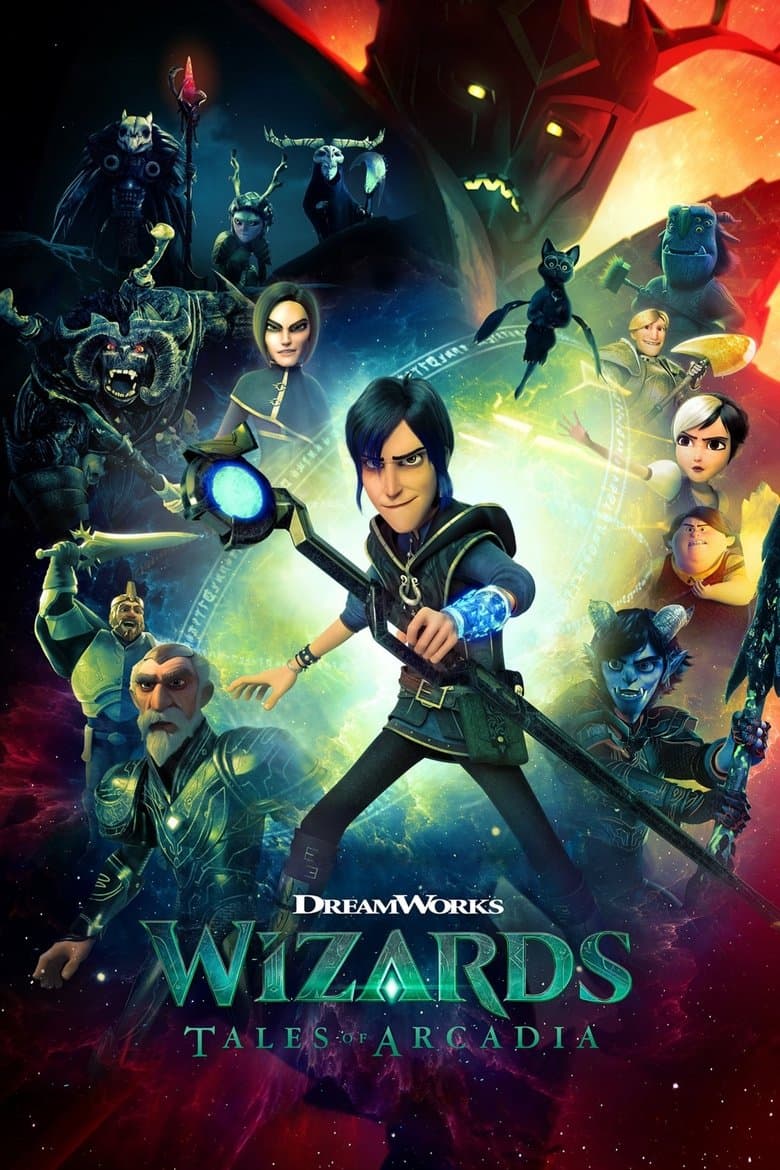
TV Show · 2020
Merlin’s apprentice joins Arcadia’s heroes on a time-bending adventure in Camelot, where conflict is brewing between the human, troll and magical worlds.
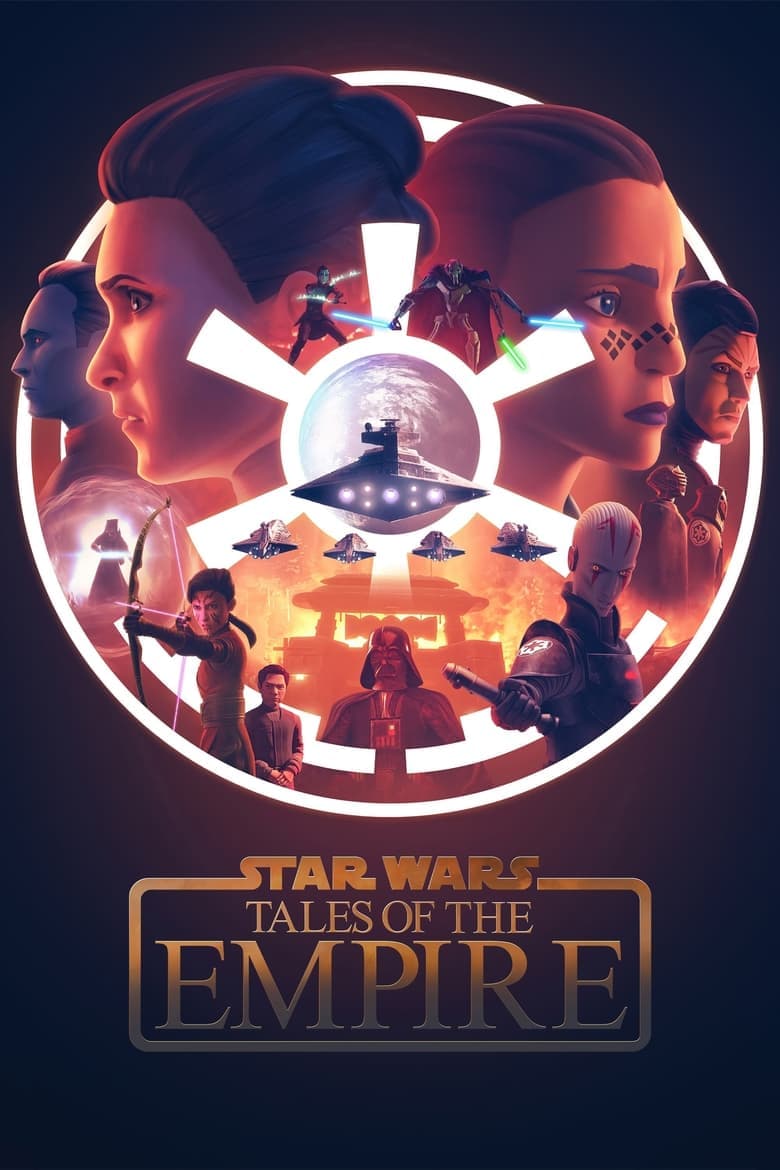
TV Show · 2024
A journey into the fearsome Galactic Empire through the eyes of two warriors on divergent paths.
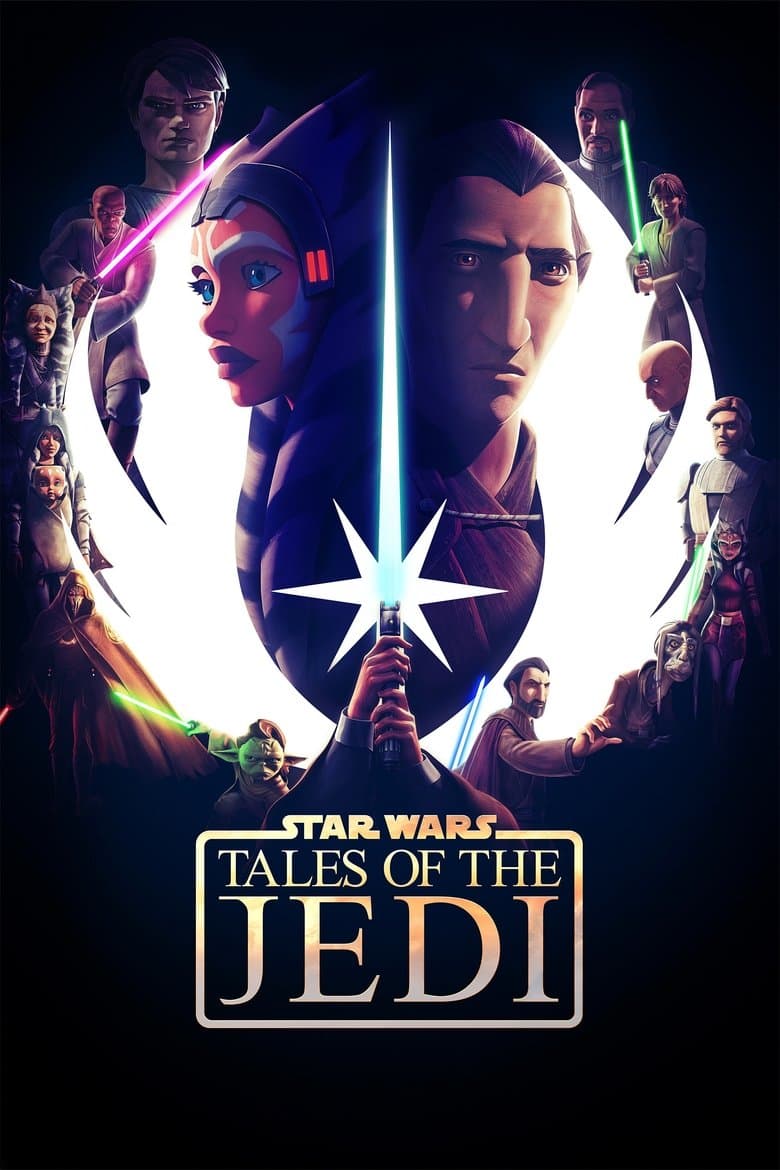
TV Show · 2022
Journey into the lives of two distinctly different Jedi from the prequel era – Ahsoka Tano and Count Dooku. Each will be put to the test as they make choices that will define…
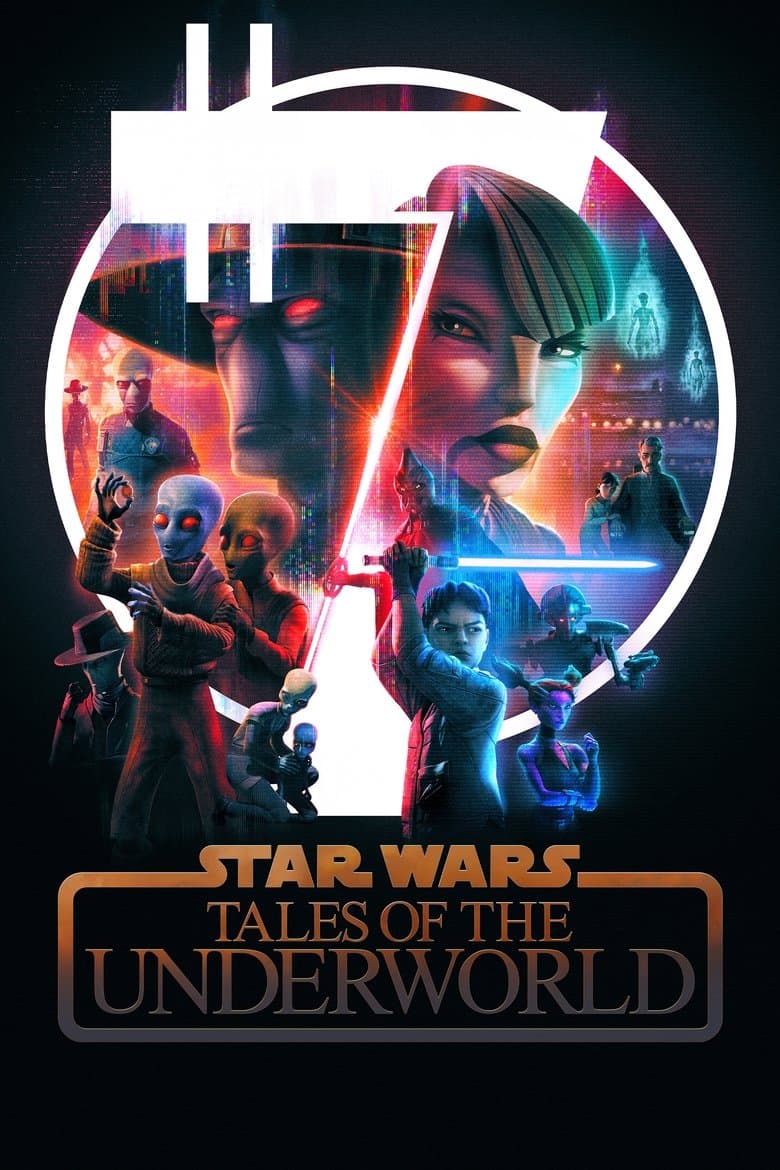
TV Show · 2025
Two outlaws must navigate the galaxy's dangerous underworld as they chart their destinies.
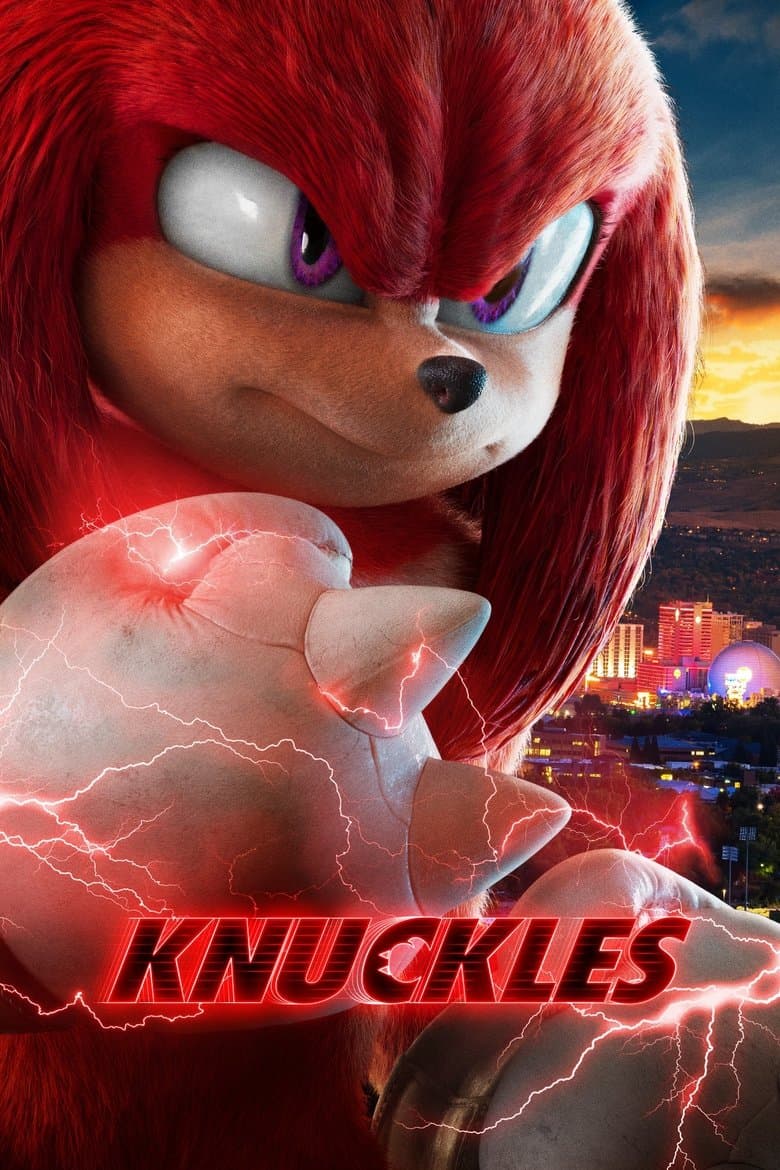
TV Show · 2024
Knuckles embarks on a hilarious and action-packed journey of self-discovery as he agrees to train Wade as his protégé and teach him the ways of the Echidna warrior.
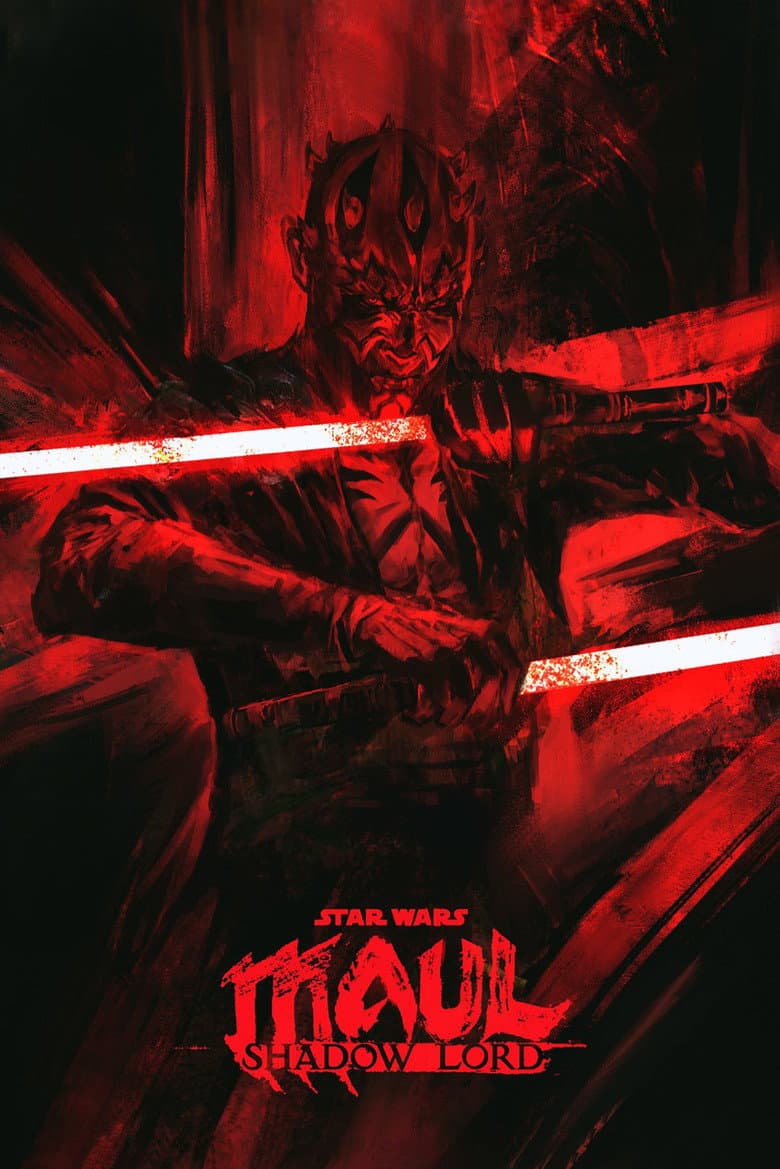
TV Show · 2026
After the Clone Wars, Maul plots to rebuild his criminal syndicate on a planet untouched by the Empire.
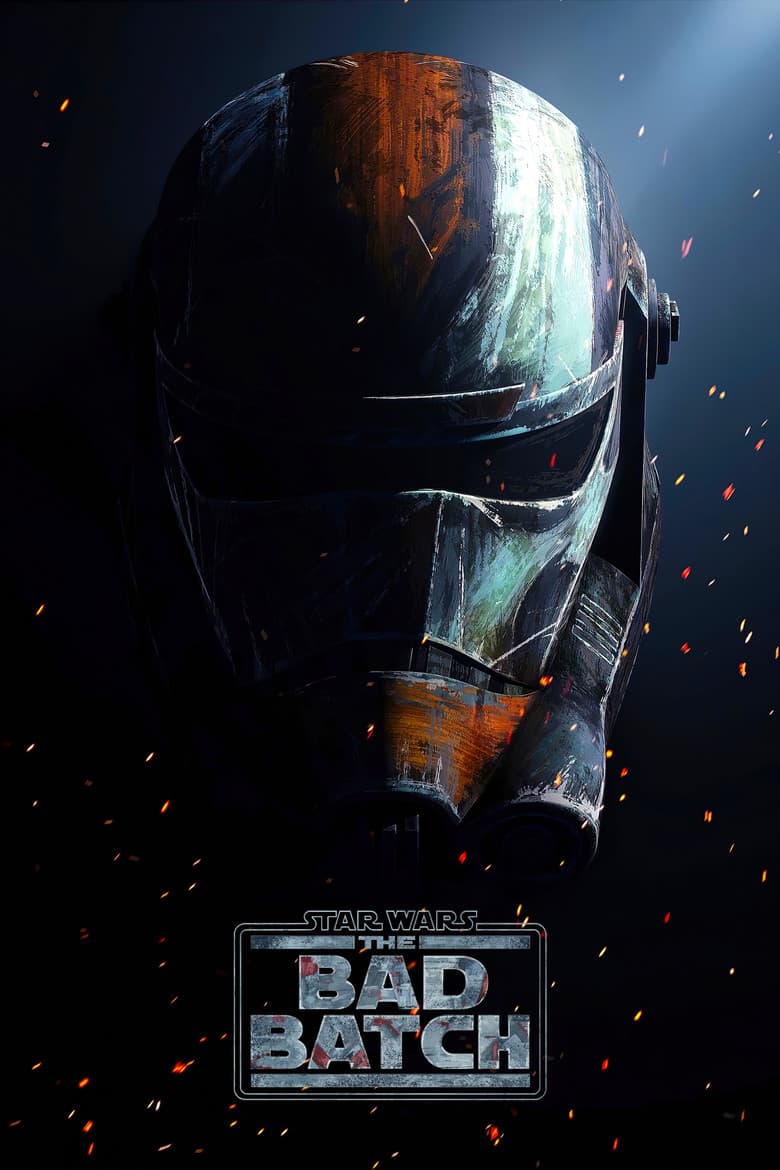
TV Show · 2021
The 'Bad Batch' of elite and experimental clones make their way through an ever-changing galaxy in the immediate aftermath of the Clone Wars.
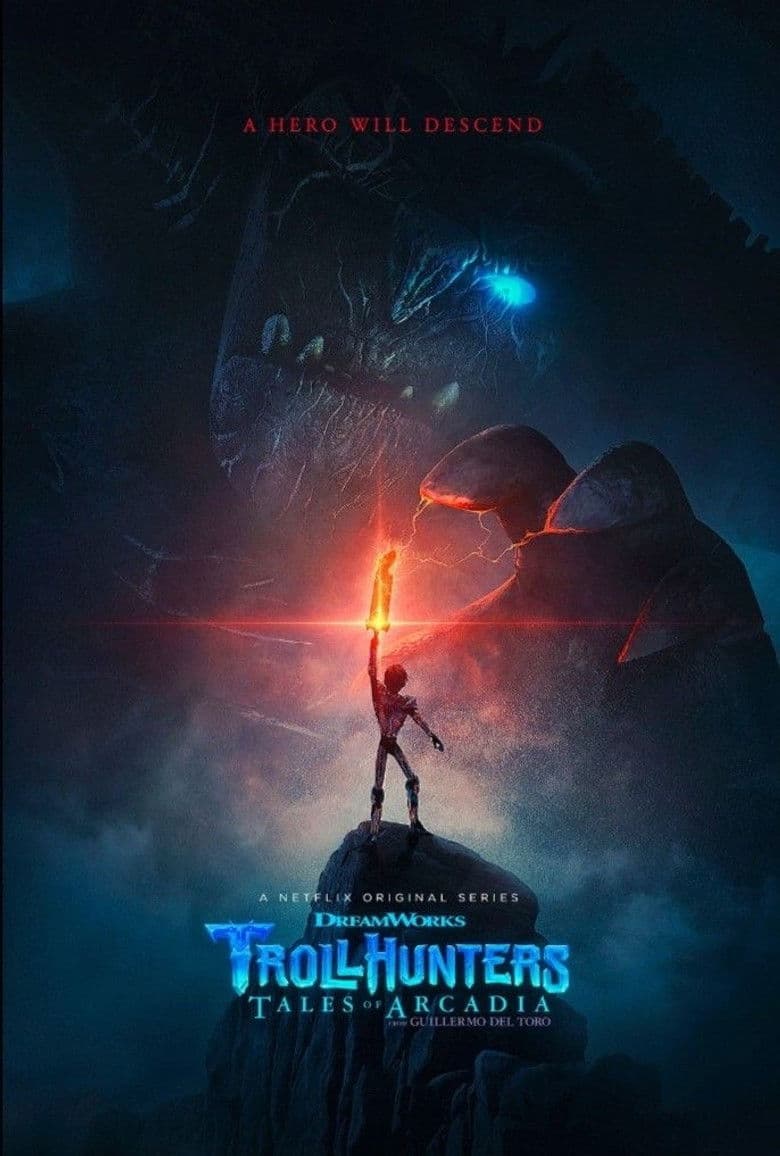
TV Show · 2016
After uncovering a mysterious amulet, an average teen assumes an unlikely destiny and sets out to save two worlds.
