Started March 6, 2020 · Ended · Based on 1 season, 5 episodes through April 3, 2020 · TV-14
Amazing Stories is a five-episode fantasy and science-fiction anthology set in places such as modern Iowa, Oakland, and Ohio, with one story in 1919. Each episode follows a different main character whose life changes after a time portal, ghost, magic ring, alien visitor, or World War II pilot appears. The characters face lost love, death, family trouble, money worries, and difficult choices. The tone is warm and hopeful, although some episodes include crime, grief, danger, and sad endings.
The clearest woke element comes in “The Heat,” which centers on two Black teenage track runners whose friendship becomes a romantic relationship between two girls. Their love is the emotional key to the ghost story, and Tuka returns to life after the girls admit their feelings and kiss. The season also gives important roles to black women and girls, and several stories show women or young people pushing against limits set by family, poverty, or older systems. These ideas matter in parts of the season, but the anthology mostly tells separate stories about family, wonder, loss, and second chances.
Community feedback
Was our 36% Woke rating accurate?
Breakdown
These are the editorial factors and ratings behind our score for Amazing Stories.
Woke representation / casting
“The Heat” puts a black cast and two Black teenage runners at the center of one story. The Oakland setting makes the racial casting plausible, so the identity signal comes mainly from the full focus on these roles and the visible same-sex romance. “Signs of Life” also centers black women. The pattern is clear in parts of the season but does not control the whole anthology.
32%
Woke political dialogue
Not present. The characters do not deliver repeated speeches about current politics, activism, or identity. A brief line about global warming explains a storm and does not become a political theme.
0%
Identity-driven story themes
“The Heat” makes the hidden love between Tuka and Sterling the emotional answer to the ghost plot. The episode treats their same-sex relationship as important, and Tuka returns to life after they admit their feelings and kiss. The other four episodes focus on time travel, family, a magic ring, aliens, or war rather than identity politics. The theme is strong in one episode but is not a repeated story engine across the season.
35%
Western institutional / cultural critique
Not present. The show includes police mistakes, government agents, poverty, and an old arranged marriage, but those events serve local plots. The season does not build a repeated modern attack on capitalism, families, religion, or Western institutions.
0%
Woke character or canon changes
Not relevant. The reboot uses new anthology characters instead of changing an established hero or real historical figure around race, sex, or identity. The historical settings do not involve identity-based rewrites.
0%
Anti-woke backlash and complaints
A Newsbusters article called “The Heat” a propaganda trap because it tells a lesbian love story. Small X accounts called the Apple reboot “woke trash,” and one viewer said they quit after episode two over “woke crap.” The posts had little engagement, and no major campaign appeared. The backlash is real but fringe.
18%
Creator track record context
Spielberg brings a broad human-rights and humanist record, not a strong modern identity-politics record. Kitsis and Horowitz have supported LGBT representation in earlier work, and Sharzer and Hodge have queer or social-justice themes in their past credits. The other listed creators have mostly mainstream records in the supplied context. The background gives a mild supporting signal.
31%
Production
TV Show · 2024
They say whatever doesn’t kill you makes you stronger, but that’s not the case for the world’s weakest hunter Sung Jinwoo.
TV Show · 2023
A girl with extraordinary psychic abilities joins two gifted teen boys at a small ghost-hunting agency to fight the many deadly spirits haunting London.
TV Show · 2021
Legendary bounty hunter Boba Fett and mercenary Fennec Shand must navigate the galaxy’s underworld when they return to the sands of Tatooine to stake their claim on the territory…
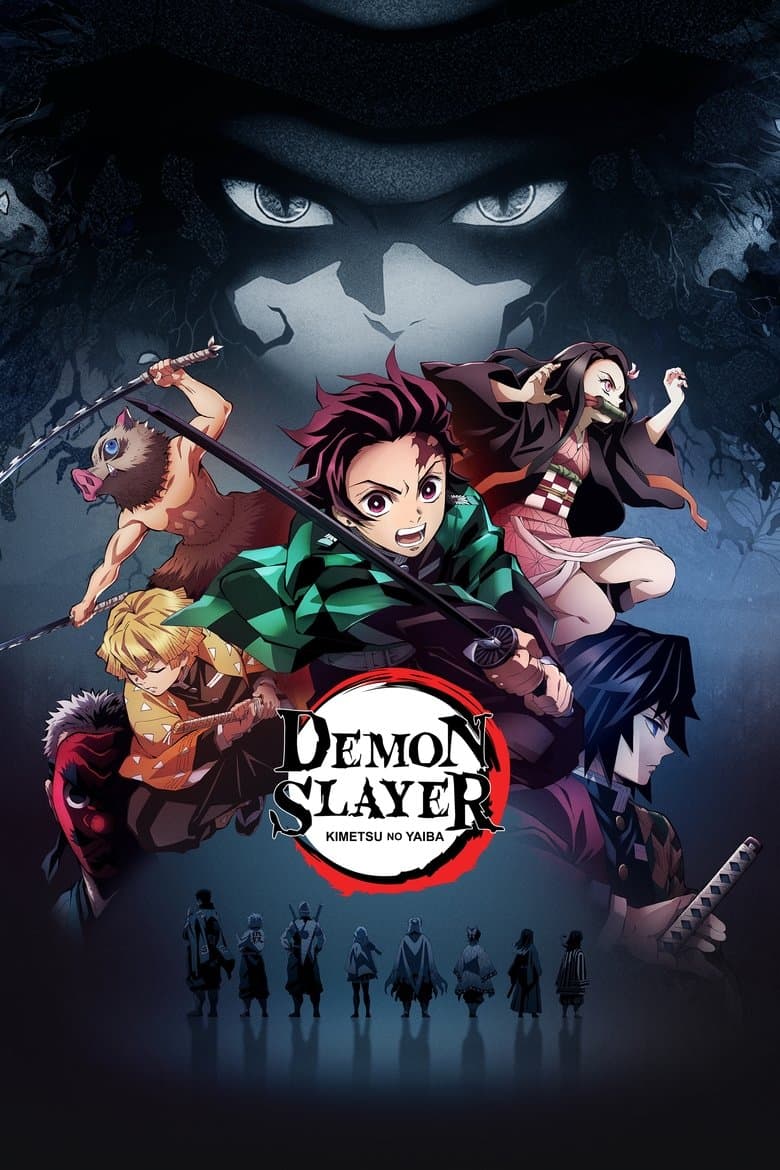
TV Show · 2019
After a demon attack leaves his family slain and his sister cursed, Tanjiro embarks upon a perilous journey to find a cure and avenge those he's lost.
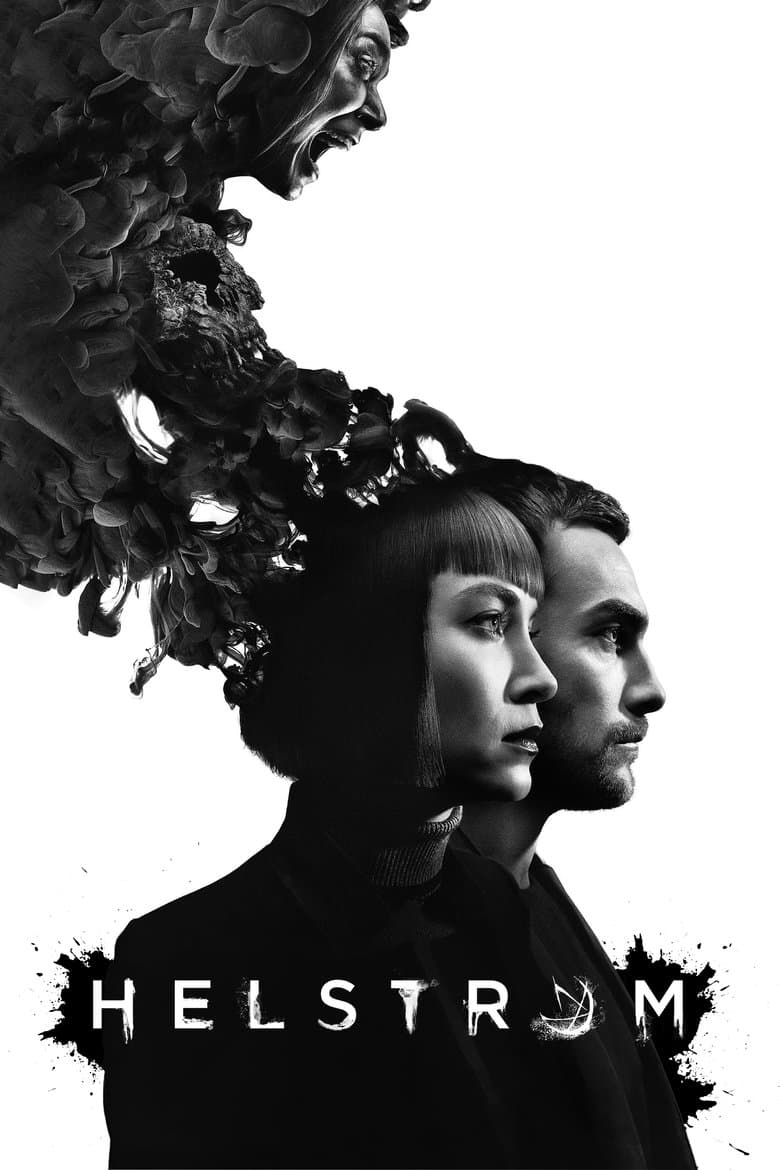
TV Show · 2020
Daimon and Ana Helstrom are the son and daughter of a mysterious and powerful serial killer. The siblings have a complicated dynamic as they track down the terrorizing worst of…
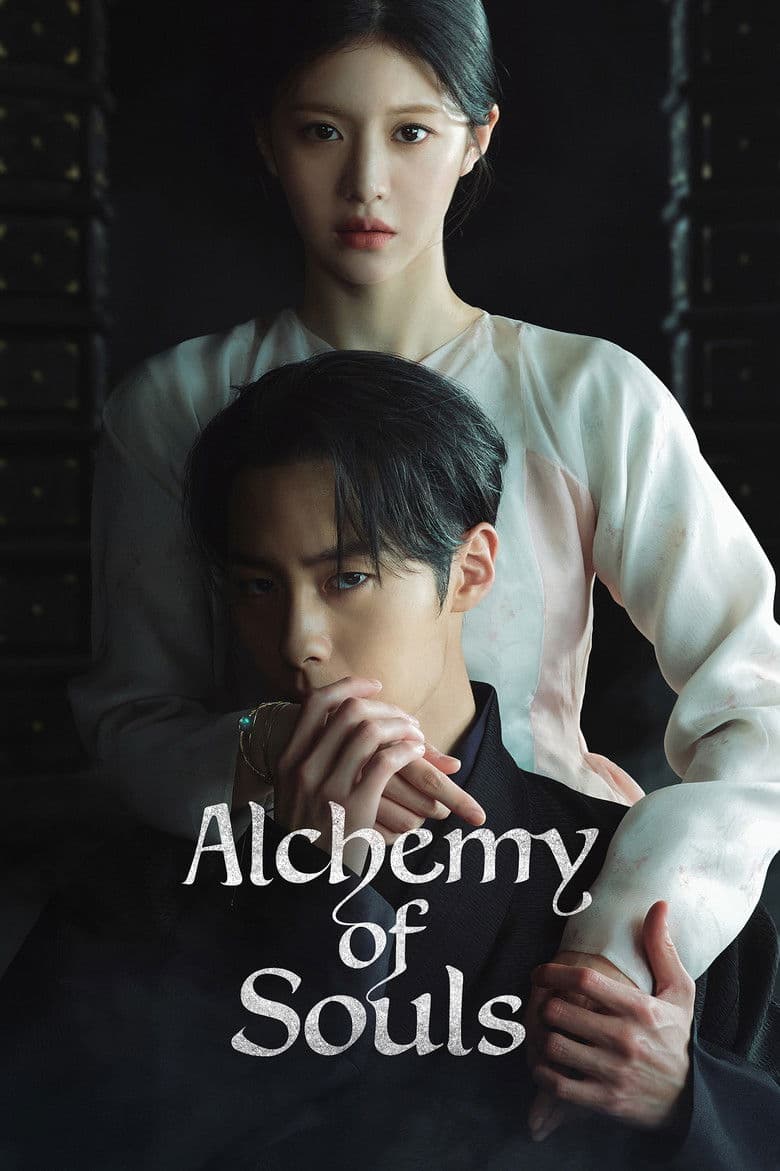
TV Show · 2022
A powerful sorceress in a blind woman's body encounters a man from a prestigious family, who wants her help to change his destiny.
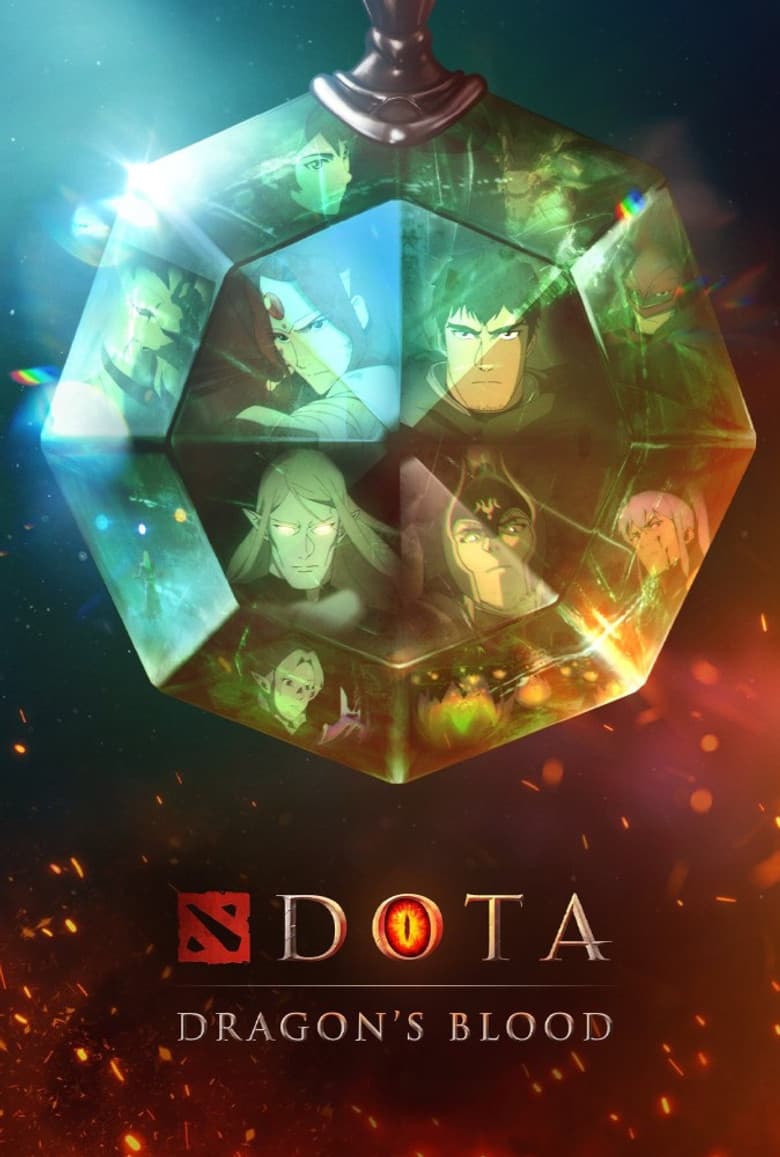
TV Show · 2021
After encounters with a dragon and a princess on her own mission, a Dragon Knight becomes embroiled in events larger than he could have ever imagined.
TV Show · 2016
After a traffic accident, Kazuma Sato’s disappointingly brief life was supposed to be over, but he wakes up to see a beautiful girl before him.
