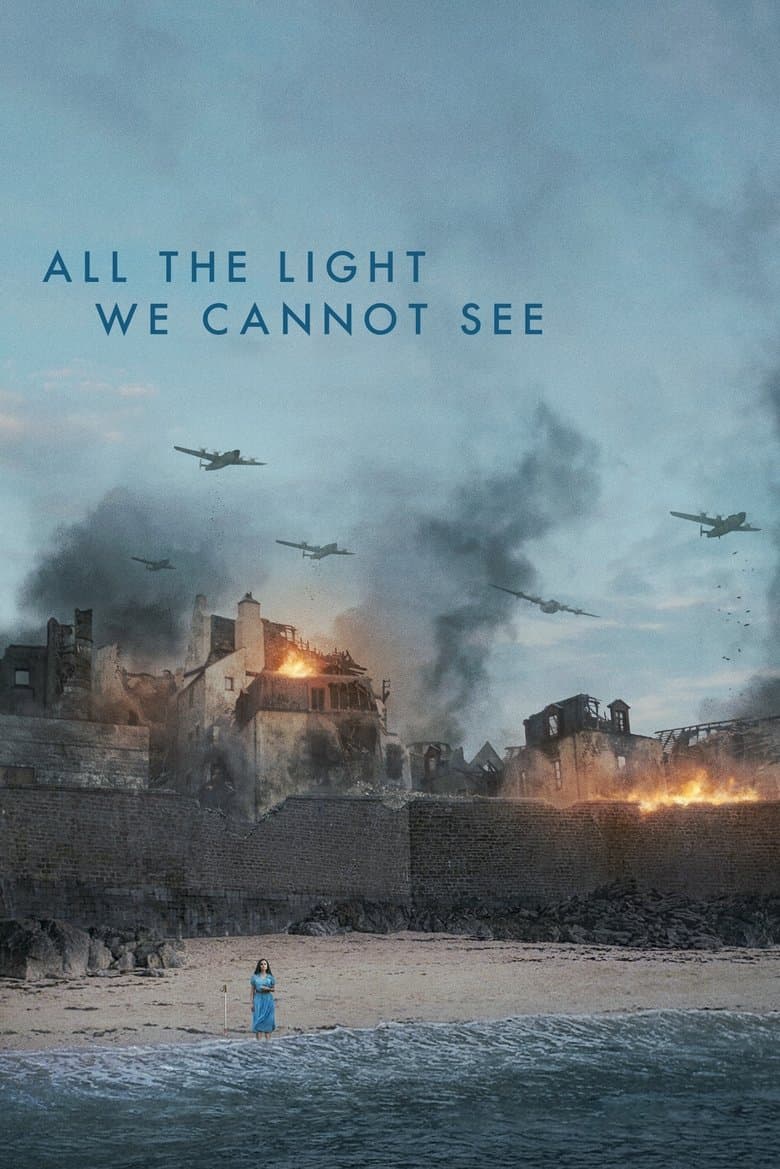
Started November 2, 2023 · Ended · Based on 1 season, 4 episodes through November 2, 2023 · TV-MA
All the Light We Cannot See follows Marie-Laure, a blind French teenager living in Saint-Malo during the last months of World War II. Nazi forces occupy the town, and Marie is separated from her father while her uncle works with the French Resistance. Marie sends radio messages from hiding, and German radio expert Werner Pfennig hears her while he searches for illegal broadcasts. The story feels tense and sad, but it also leaves room for hope, family love, and mercy.
The clearest audience-visible identity element is disability representation because Marie is the central hero and blind actors play both versions of her. Her blindness shapes the plot through radio, sound, memory, and the way she moves through danger. The show also presents a young woman as brave and useful in resistance work, but her skill comes from the story and is not tied to a modern political speech. The main themes remain human kindness, family loyalty, moral choice, the loss caused by war, and the danger of obeying a cruel government.
Community feedback
Was our 18% Woke rating accurate?
Breakdown
These are the editorial factors and ratings behind our score for All the Light We Cannot See.
Woke representation / casting
The main cast is mostly White French and German, which fits the setting. Marie is played by blind actors in both age versions, matching the character and making disability visible in a lead role. The filmmakers and marketing presented this choice as authentic and inclusive representation. The signal is real but limited because the casting follows the story rather than creating a diversity-first group.
20%
Woke political dialogue
Not present. The show contains Nazi propaganda, resistance messages, and anti-war ideas. Those lines belong to the World War II story and do not present modern identity or activist politics.
0%
Identity-driven story themes
The series makes disability representation a central identity point because Marie’s blindness shapes her radio work, movement, and survival. The creators also frame the blind casting as a step toward better representation. The story does not turn disability into a modern campaign or activist demand. This makes the identity-driven signal visible but limited.
18%
Western institutional / cultural critique
Not present. The show condemns Nazi rule and military abuse as part of its World War II plot. It does not turn that conflict into a modern critique of Western family life, Christianity, capitalism, masculinity, or current social institutions.
0%
Woke character or canon changes
Not relevant. The series changes several events from the novel, including Etienne’s death and Marie and Werner’s kiss. Those are plot and ending changes, not woke or identity-driven changes to characters or canon.
0%
Anti-woke backlash and complaints
Not present. Reviews and audience posts mainly criticized the rushed adaptation, weak dialogue, and changes from the book. No major anti-woke complaints were found, and the separate X check found no campaign, boycott, or review-bomb push.
0%
Creator track record context
Steven Knight, Anthony Doerr, and Shawn Levy have low stored scores of 13, 8, and 9. The producers have low or mild stored scores, while Lucy Bevan and Emily Brockmann have higher scores because of support for wider representation. That background fits the show’s blind-casting push. The overall creator track record signal remains mild.
17%
Production
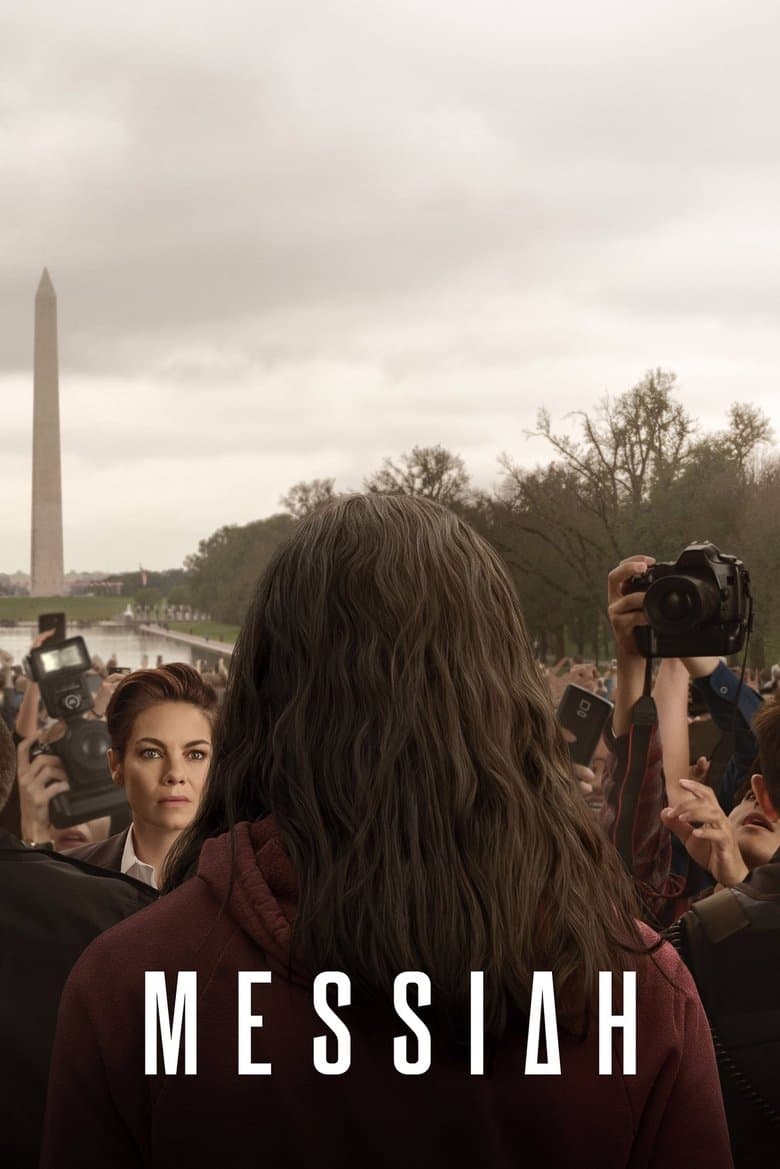
TV Show · 2020
A wary CIA officer investigates a charismatic man who sparks a spiritual movement and stirs political unrest. Who exactly is he? And what does he want?

TV Show · 2024
Fascinated by cars since childhood, Brazilian racer Ayrton Senna became a sports legend — until tragedy struck, changing Formula 1 forever.
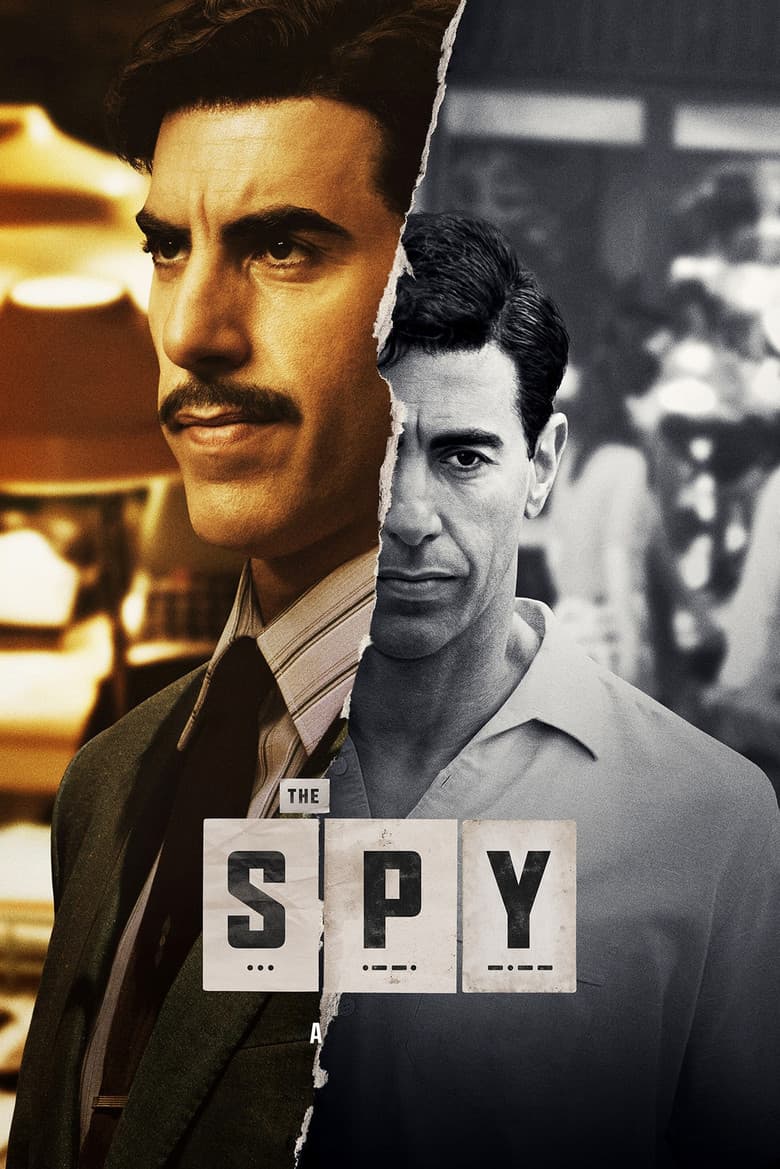
TV Show · 2019
In the 1960s, Israeli clerk-turned-secret agent Eli Cohen goes deep undercover inside Syria on a perilous, years-long mission to spy for Mossad.
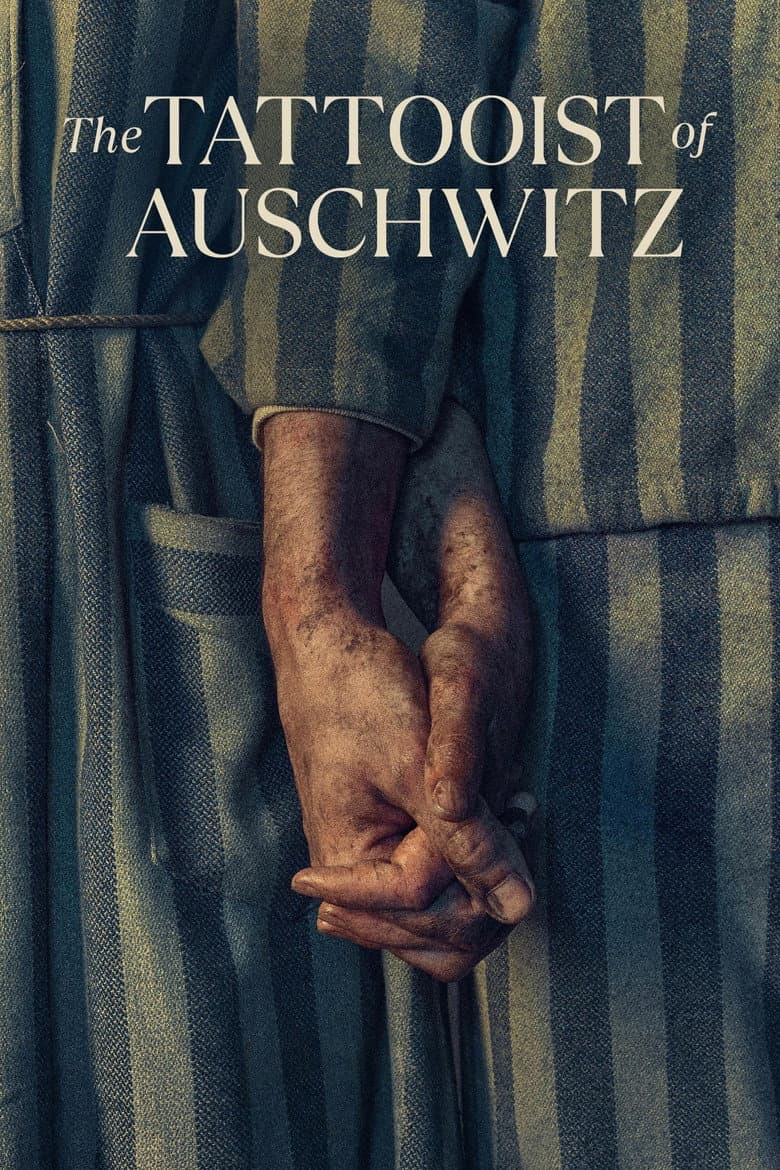
TV Show · 2024
The powerful real-life story of Lali Sokolov, a Jewish prisoner who was tasked with tattooing ID numbers on prisoners' arms in the Auschwitz-Birkenau concentration camp during…
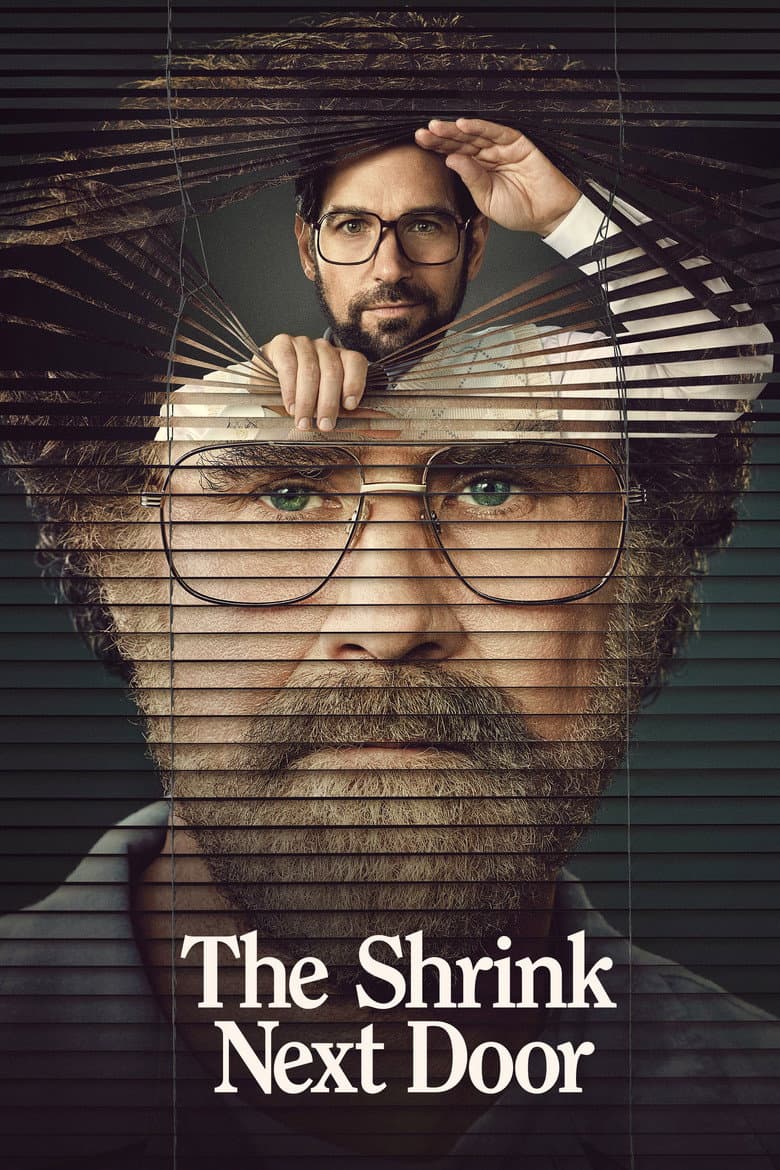
TV Show · 2021
Inspired by the true story of Marty and the therapist who turned his life around...then took it over. When he first meets Dr. Ike, Marty just wants to get better at boundaries.
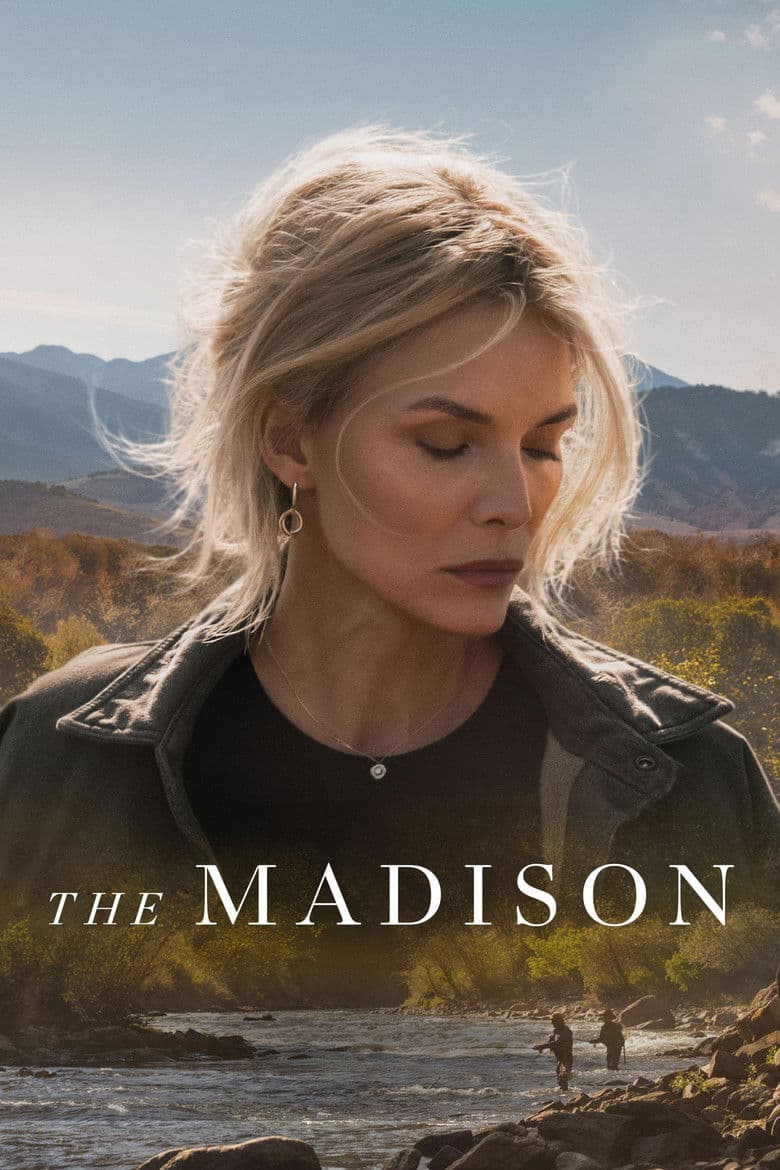
TV Show · 2026
The Clyburns uproot their comfortable New York City lives to the wild, untamed beauty of Montana's Madison River Valley on a search for connection.
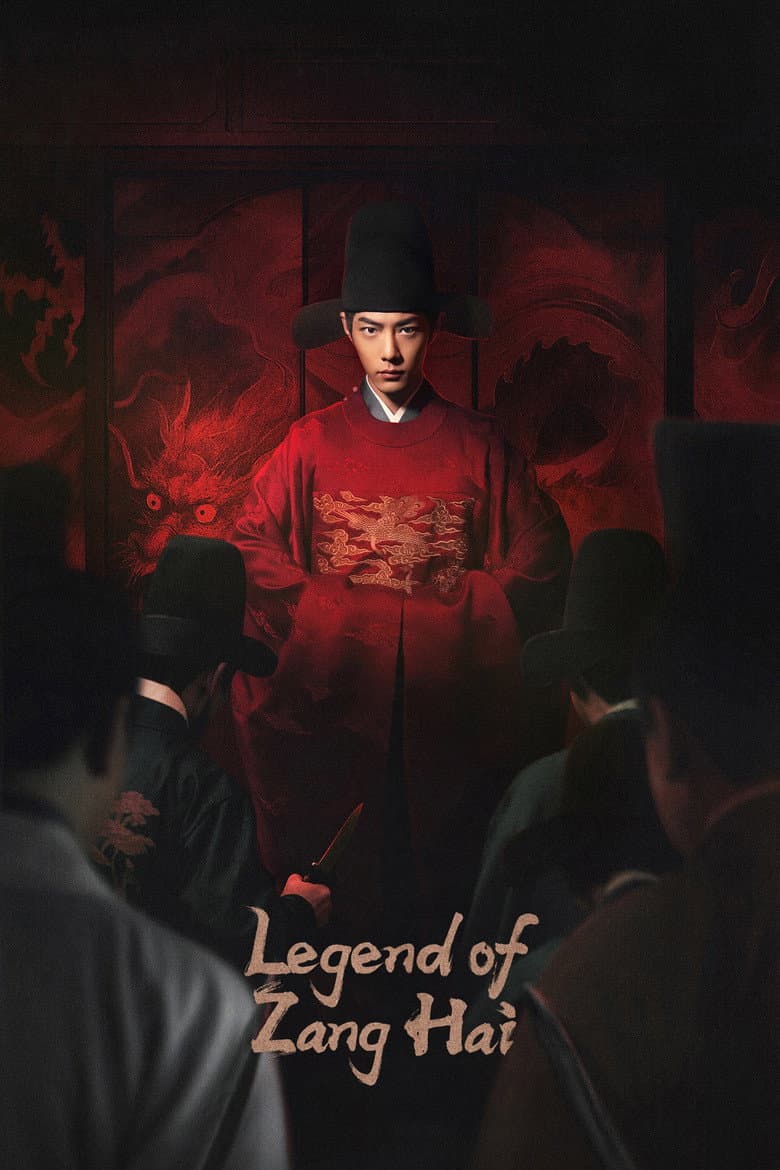
TV Show · 2025
"Legend of Zang Hai" follows the son of Imperial Astronomer Kuai Duo. Consumed by vengeance, he spends a decade honing his skills.
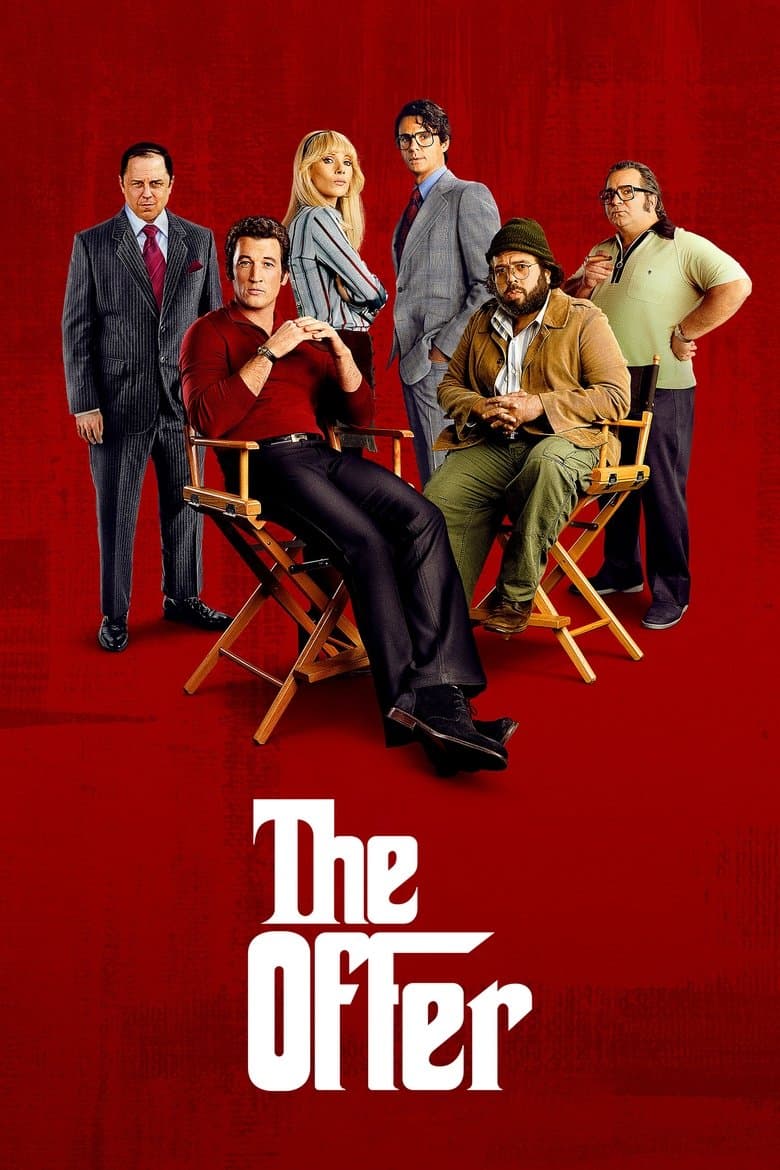
TV Show · 2022
Oscar-winning producer Al Ruddy’s never before revealed experiences of making the iconic 1972 film The Godfather that Francis Ford Coppola directed and adapted with Mario Puzo.
