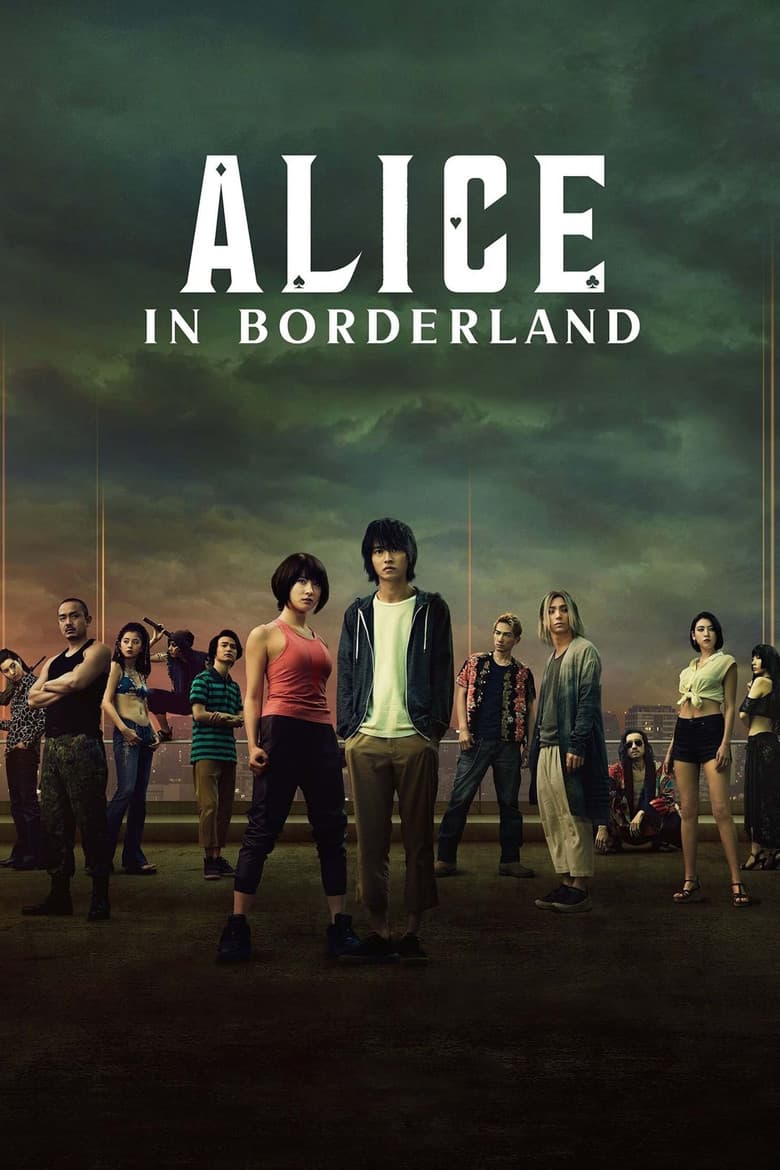
Started December 10, 2020 · Ended · Based on 3 seasons, 22 episodes through September 25, 2025 · TV-MA · Japanese
Alice in Borderland follows Ryohei Arisu, a young gamer who feels lost in ordinary life. Arisu and his two friends suddenly enter an empty version of Tokyo, where cards send them into deadly games. Arisu learns that each game tests a different skill, such as teamwork, strength, or careful thinking, while each win gives him more time to live. He joins Usagi, a skilled climber, and other survivors as they face violent rulers, hidden game makers, and the mystery of the Borderland. The show mixes fast action, fear, sadness, and questions about why people choose to live.
The clearest identity-focused element is Kuina, a transgender woman who fights beside Arisu and is accepted as a woman by the main group. Her childhood and family story receives a full flashback, and her fight against Last Boss connects her rejection by her father to her choice to live as herself. The show also gives Usagi, Ann, Heiya, and other women major skills and leadership in the games, while season 3 uses Usagi’s marriage, pregnancy, and family future as part of its life message. These ideas are visible and recurring, but the main story remains a violent survival mystery about friendship, grief, sacrifice, trauma, and the value of life rather than a political campaign.
Community feedback
Was our 47% Woke rating accurate?
Breakdown
These are the editorial factors and ratings behind our score for Alice in Borderland.
Woke representation / casting
The cast is almost entirely Japanese, which fits the modern Tokyo setting. The women include a lead mountain climber, a forensic expert, a martial artist, an archer, and powerful game leaders. Kuina is a transgender woman, but a cisgender actress plays her. These choices create a repeated visible pattern of women and a trans character in important roles, although the show does not market the casting as a diversity program.
36%
Woke political dialogue
Kuina's flashback includes direct lines about her father's demand that she act like a man and her refusal to live by that role. The story returns to this conflict when she faces her father and later lives openly as a woman. Other dialogue mainly discusses survival, friendship, death, and personal choice. The gender-focused speech is important in one character arc but does not become a repeated political debate across the seasons.
27%
Identity-driven story themes
Kuina's transgender identity receives a full backstory, a conflict with her father, and a major fight tied to her past. The show presents her as a strong ally whose identity is part of her life, not a joke or a villain's trait. The series repeatedly gives women major survival skills through Usagi, Ann, Heiya, Mira, and other leaders. Season 3 adds Usagi's marriage, pregnancy, and choice to protect her family, but it centers life, grief, and sacrifice rather than a broad identity campaign.
49%
Western institutional / cultural critique
Kuina's father enforces a strict male role and rejects her before she leaves home. The show also depicts male abuse, sexual threat, and violent male control as dangers faced by women. The Beach and the Borderland criticize power, selfishness, and cruel social order, but they do not make a modern attack on capitalism, Christianity, or Western institutions. The critique stays inside personal backstories and the survival plot.
25%
Woke character or canon changes
Not relevant. The show keeps Kuina's transgender identity from the manga. The adaptation does not swap a known character's race, gender, sexuality, or hero role.
0%
Anti-woke backlash and complaints
A small number of online comments call Kuina's transgender storyline “gay propaganda” or object to the show's positive treatment of her identity. The comments are fringe and do not form a major news story or a large review trend. Most public criticism targets season 3's plot, pacing, missing characters, and unclear rules. Most coverage of Kuina treats her representation positively.
8%
Creator track record context
Shinsuke Sato and the listed producers have no strong public activist or DEI profile. Haro Aso and Yasuko Kuramitsu often write about social pressure, women, disability, difficult relationships, or unfair work settings. Their work shows social awareness, but it does not show a strong partisan or identity-politics persona. The title's creator context therefore gives mild support to its identity themes.
25%
Production
TV Show · 2022
Navy SEAL Commander James Reece turns to vengeance as he investigates the mysterious forces behind the murder of his entire platoon.
TV Show · 2022
With the aid of unexpected friends, a gifted but introverted student confronts bullies and violent foes — unaware of how dangerous his world will become.
TV Show · 2020
A tight-knit group of teens unearths a long-buried secret, setting off a chain of illicit events that takes them on an adventure they'll never forget.
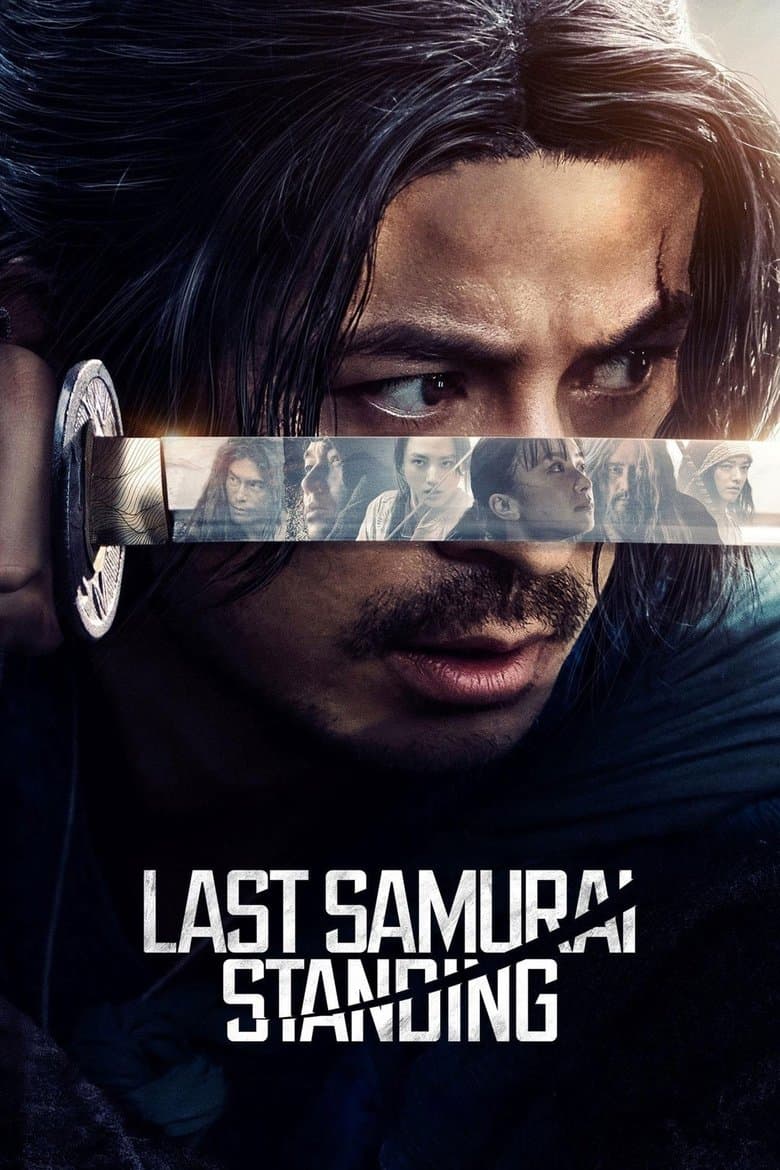
TV Show · 2025
In the early Meiji era, Shujiro, once known as an undefeated samurai, decides to participate in a deadly survival game to save his family and villagers.
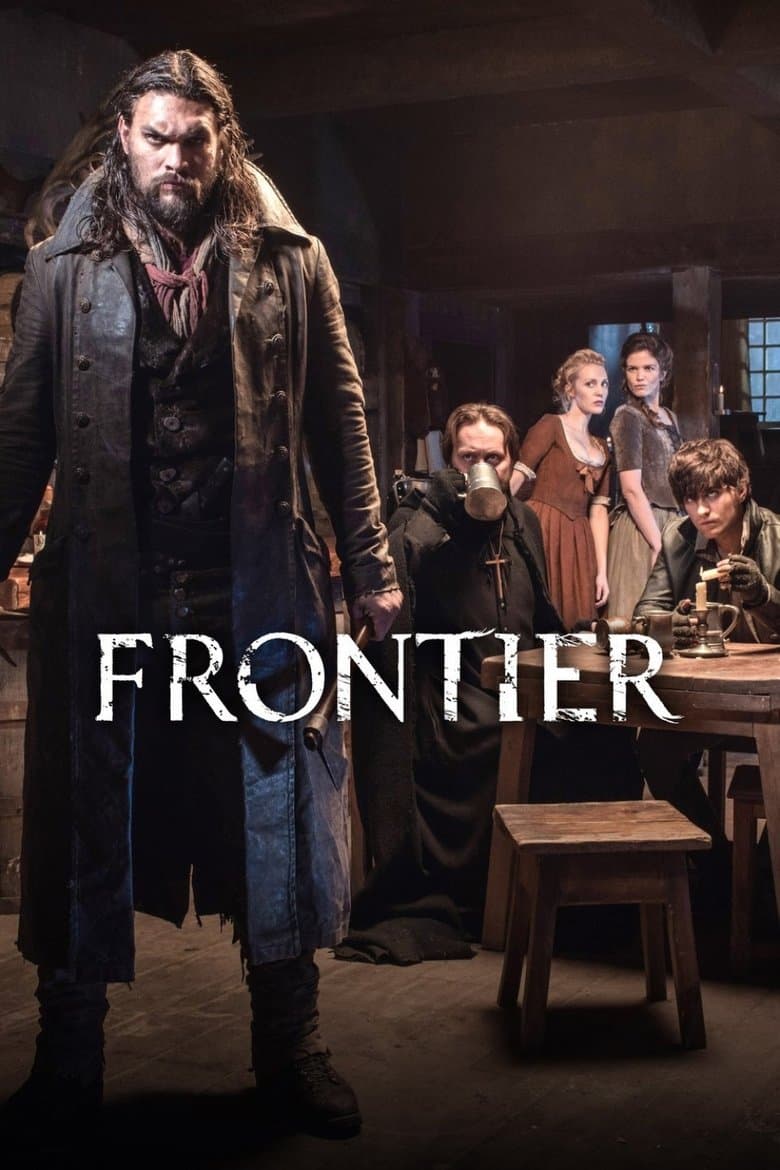
TV Show · 2016
In 18th-century North America, ruthless trappers and entrepreneurs fight to wrest control of the fur trade from the mighty Hudson's Bay Company.

TV Show · 2025
Before The Terminal List, Navy SEAL Ben Edwards finds himself entangled in the black operations side of the CIA.
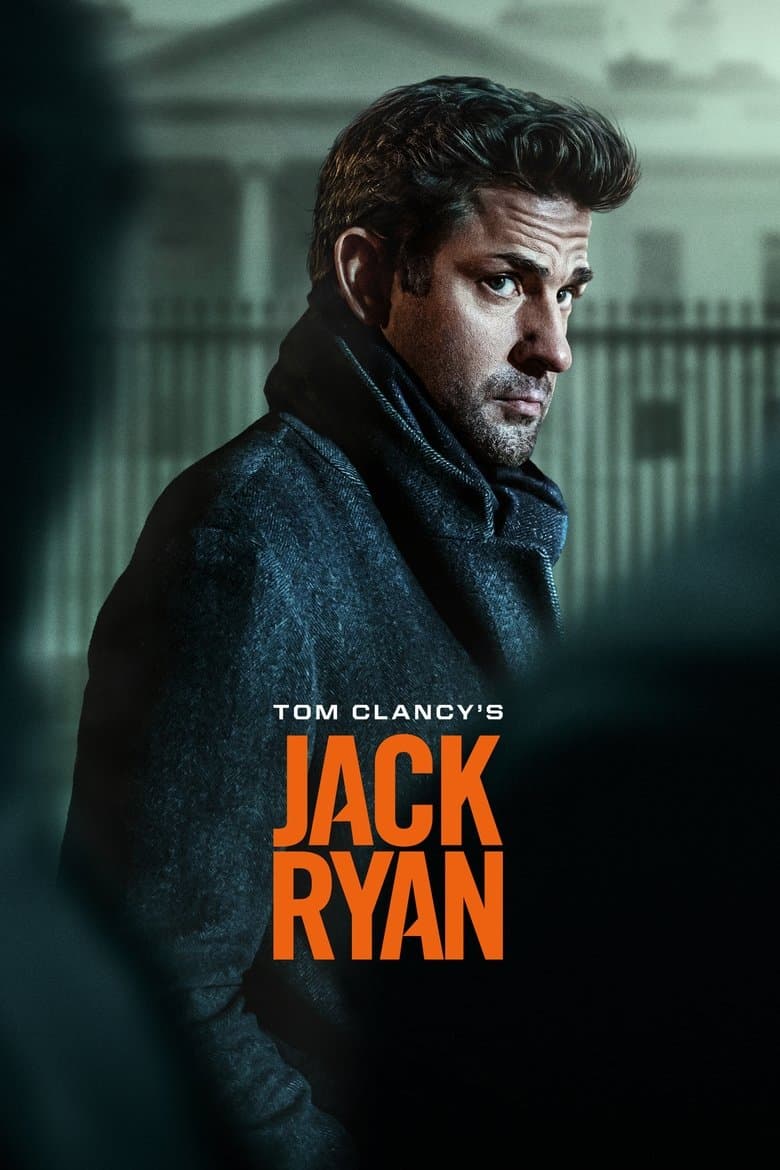
TV Show · 2018
When CIA analyst Jack Ryan stumbles upon a suspicious series of bank transfers his search for answers pulls him from the safety of his desk job and catapults him into a deadly…
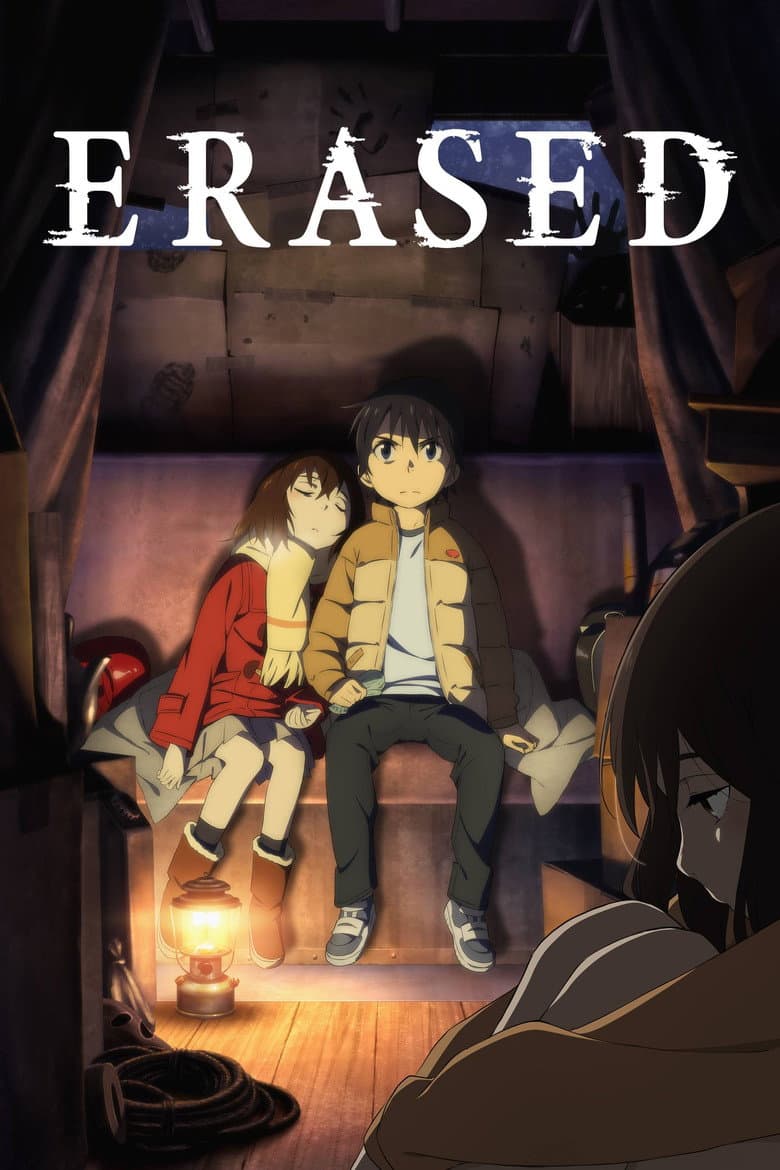
TV Show · 2016
Satoru Fujinuma is a struggling manga artist who has the ability to turn back time and prevent deaths. When his mother is killed he turns back time to solve the mystery, but ends…
