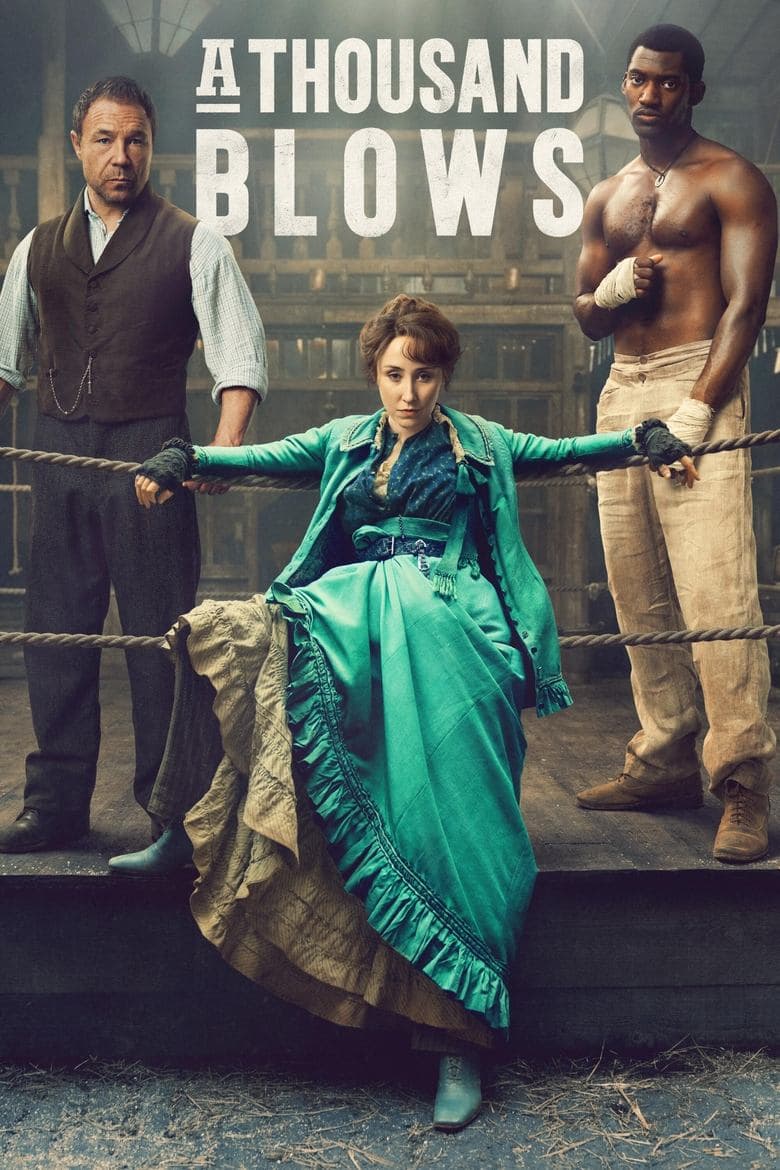
Started February 21, 2025 · Returning Series · Based on 2 seasons, 12 episodes through January 9, 2026 · TV-MA
A Thousand Blows follows Hezekiah Moscow and Alec Munroe, two Jamaican friends who arrive in 1880s London. They enter illegal bare-knuckle boxing and meet Mary Carr, the leader of the Forty Elephants gang. They also face Sugar Goodson, a feared boxer and crime boss. The show is violent, dark, and focused on survival, loyalty, crime, grief, and broken families.
The show gives strong attention to racism, the power of women in crime, and the limits placed on people by Victorian society. Mary and her female gang receive major story focus, especially in season 2, when Alice Diamond becomes a new leader. Hezekiah’s race shapes his treatment and his rise in boxing, while season 2 gives him a story about reclaiming his past and finding a place in the world. These themes are important, but the show remains mainly a crime and boxing drama rather than a direct political message.
Community feedback
Was our 47% Woke rating accurate?
Breakdown
These are the editorial factors and ratings behind our score for A Thousand Blows.
Woke representation / casting
The show places two Jamaican men at the center of a Victorian London crime story. The Forty Elephants also gives major roles to women as thieves, leaders, and planners. These choices fit the real people and groups used as inspiration, but interviews and marketing also openly stress race and the all-female gang.
15%
Woke political dialogue
The show includes dialogue about racism and the unfair treatment of immigrants. The characters also discuss the limits placed on women by Victorian society. The ideas appear through crime, work, and personal conflict rather than long modern political speeches.
18%
Identity-driven story themes
Hezekiah’s race affects his safety, work, and chance to succeed in London. Mary’s story centers on a woman fighting for power in a male-controlled world. Season 2 gives Alice Diamond a major rise as a new female gang leader. These identity themes are a clear part of the show’s main story.
48%
Western institutional / cultural critique
The show presents Victorian social rules as unfair to women and immigrants. The story often shows male power, male violence, and rich people controlling poorer people. Season 2 also questions whether gaining power brings happiness. The criticism stays inside the period crime story and does not become a direct attack on modern Western institutions.
38%
Woke character or canon changes
Not present in this title.
0%
Anti-woke backlash and complaints
Not present in this title.
0%
Creator track record context
Several key creators have a record of work about race, gender, identity, or diversity. Coky Giedroyc and Dionne Edwards have especially strong feminist or identity-focused backgrounds. Hannah Walters and David Olusoga also support stories about underrepresented groups. Steven Knight himself has a much milder political and activist record.
47%
Production
TV Show · 2024
In Japan in the year 1600, at the dawn of a century-defining civil war, Lord Yoshii Toranaga is fighting for his life as his enemies on the Council of Regents unite against him…
TV Show · 2024
The powerful real-life story of Lali Sokolov, a Jewish prisoner who was tasked with tattooing ID numbers on prisoners' arms in the Auschwitz-Birkenau concentration camp during…
TV Show · 2026
Rip Wheeler and Beth Dutton gamble everything on a new life in South Texas, but the promise of building a future far from the ghosts of Yellowstone quickly collides with brutal…
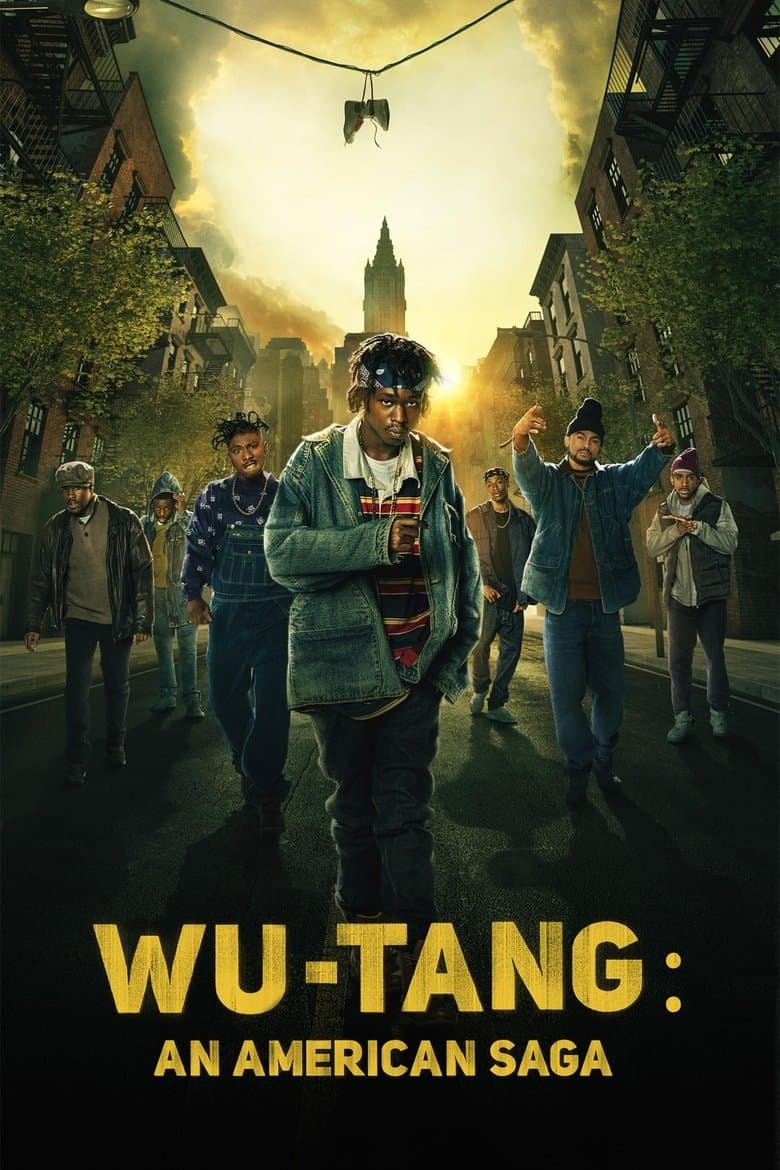
TV Show · 2019
In the early 1990s in New York, during the height of the crack cocaine epidemic, a visionary musician named Bobby Diggs aka The RZA begins to form a super group of a dozen young…

TV Show · 2024
Fascinated by cars since childhood, Brazilian racer Ayrton Senna became a sports legend — until tragedy struck, changing Formula 1 forever.
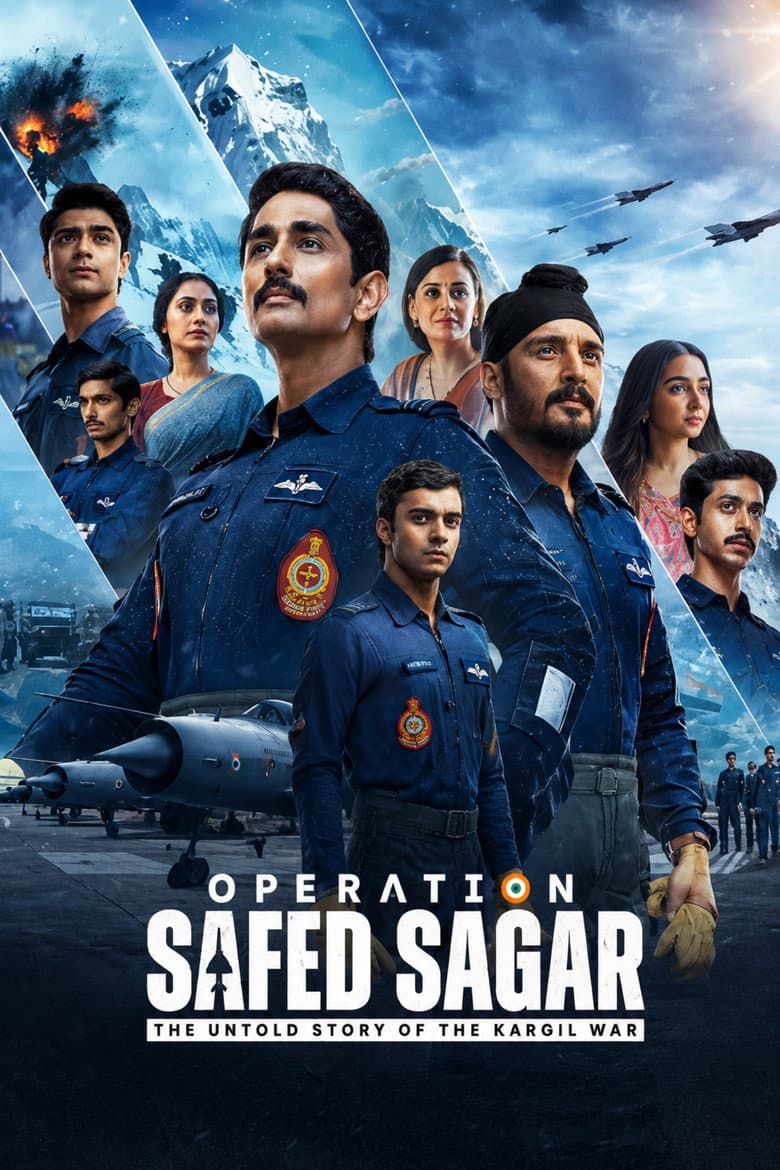
TV Show · 2026
As the Kargil War erupts between India and Pakistan, the Golden Arrows squadron of the Air Force takes flight on a dangerous mission behind enemy lines.
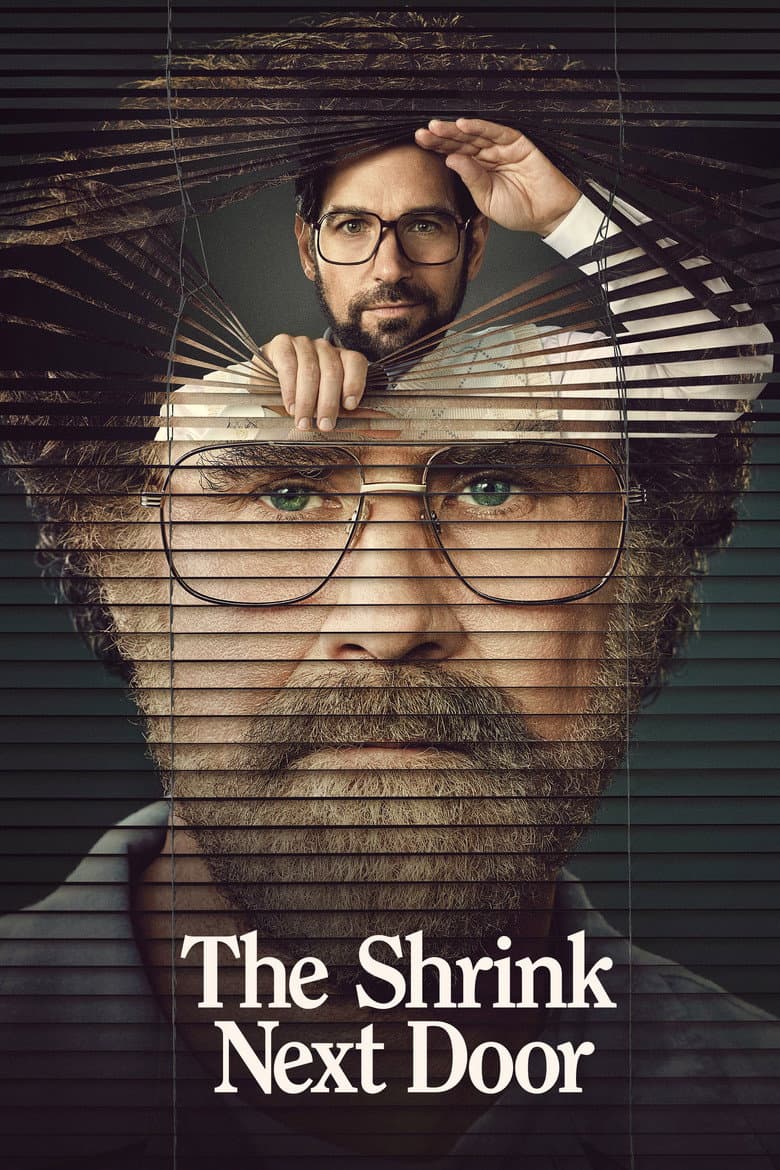
TV Show · 2021
Inspired by the true story of Marty and the therapist who turned his life around...then took it over. When he first meets Dr. Ike, Marty just wants to get better at boundaries.
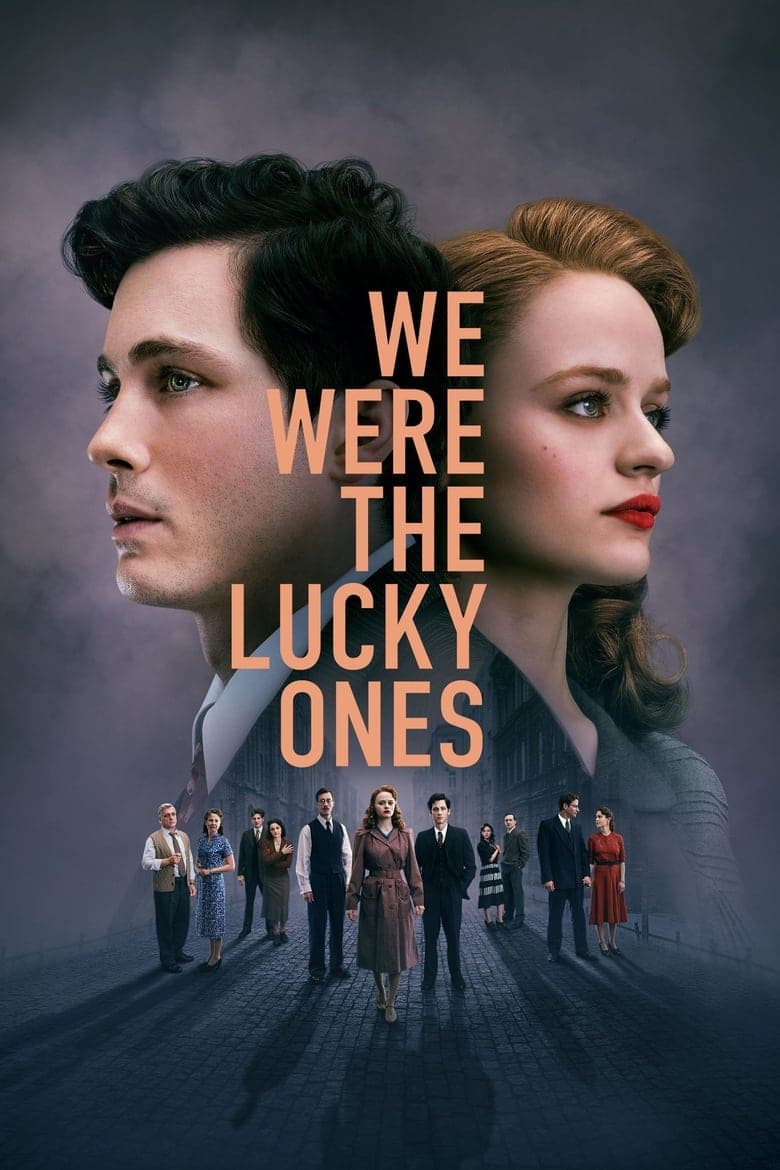
TV Show · 2024
The true story of one Jewish family separated at the start of World War II, determined to survive—and to reunite.
