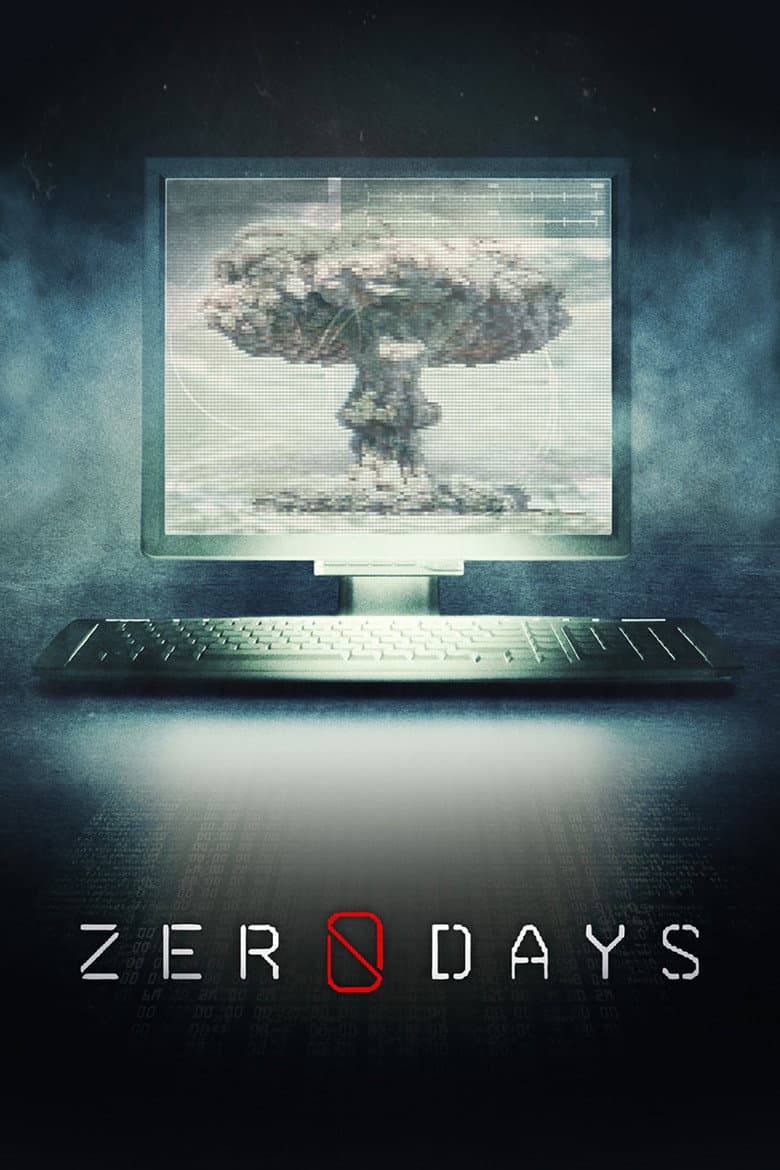
Alex Gibney investigates Stuxnet, a hidden computer worm used to damage Iran’s nuclear machines. The story moves between Iran’s nuclear site, American and Israeli intelligence, and computer networks around the world. The code escaped its target, spread to other systems, and raised fears that cyberwar could damage real machines, power systems, and lives. The film follows security researchers, officials, journalists, and a hidden source, and its tone stays tense and serious.
The film’s main woke content is its repeated attack on secret government power and its call for public debate, laws, and limits on cyber weapons. That political message is central, but it deals with war, secrecy, and public safety rather than race, gender, sexuality, or queer identity. The film also presents a computer-made female NSA insider because most of its other speakers are men. That visible casting choice adds a small representation signal, but it does not drive the story or turn the film into a diversity-focused work.
Community feedback
Was our 41% Woke rating accurate?
Breakdown
These are the editorial factors and ratings behind our score for Zero Days.
Woke representation / casting
The film uses a digital female character to present several anonymous NSA sources. Gibney said he chose a woman partly because most of the film’s other voices were men. This creates a small visible representation signal in a major speaking role. The choice does not create a wider diversity-first cast pattern.
18%
Woke political dialogue
Government officials and experts repeatedly debate secret wars, punishment of leakers, and the need for public oversight. The film calls for laws or treaties to limit cyber weapons before they cause wider harm. Gibney also shows anger about officials refusing to discuss a known attack. This is recurring political and activist-style speech, but it concerns war and secrecy rather than identity politics.
37%
Identity-driven story themes
Not present. The film centers on Stuxnet, cyberwar, and secret government action. Its female source is a presentation choice, not an identity-driven story theme.
0%
Western institutional / cultural critique
The film repeatedly criticizes the secrecy of U.S. and Israeli security agencies. The interviews warn that secret cyber weapons can spread, damage public systems, and start a wider war. The film calls for public debate, legal limits, and stronger oversight of powerful state agencies. This is a recurring modern institutional critique, but it does not attack family life, religion, or gender roles.
43%
Woke character or canon changes
Not relevant. Zero Days is a documentary about a real cyber operation, not an adaptation with established fictional characters. The film uses archive footage and a mixed source character, but no identity-related canon change is reported.
0%
Anti-woke backlash and complaints
One IMDb user called the film an attack on America and Israel and objected to its political views and “political correctness.” The complaint treats the documentary as political rather than as a technical account. The separate X research found no anti-woke reaction and no specific complaints. The available backlash is isolated and weak.
8%
Creator track record context
Alex Gibney’s past work often criticizes powerful institutions, government secrecy, and abuse of authority. Zero Days continues that pattern through its focus on secret cyber weapons and public oversight. The other supplied producer and casting context adds little identity-focused material.
32%
Production
Movie · 2017
The life and career of an actor, artist, and icon. His own journey through his own camera.

Movie · 2016
With never-before seen home video, this film recounts the paranoid downward spiral of John E. du Pont and the murder of Olympic wrestler Dave Schultz.

Movie · 2024
Christopher Reeve portrayed the Man of Steel in four Superman films and played dozens of other roles that displayed his talent and range as an actor, before being injured in a…

Movie · 2022
An enchanting making-of story told through all-new in-depth interviews and cast conversations, inviting fans on a magical first-person journey through one of the most beloved film…
Movie · 2023
A courageous pastor uses his underground network to rescue and aid North Korean families as they risk their lives to embrace freedom.

Movie · 2025
The individual journeys of the four members of the band, as they move through the music scene of the 1960s, playing small clubs throughout Britain and performing some of the…

Movie · 2020
Record-shattering Korean girl band BLACKPINK tell their story — and detail the hard fought journey of the dreams and trials behind their meteoric rise.

Movie · 2025
Those who knew iconic funnyman John Candy best share his story, in their own words, through never-before-seen archival footage, imagery, and interviews.
